Things That Are Totally Normal in Japan, But Strange Elsewhere 🌏

If you're a heavy social media user, you've probably come across videos with titles like "Shocking! Japanese People Do This Kind of Thing." To be honest, as an editor who's been deeply immersed in East Asian entertainment culture for years, I initially thought these were just gimmicks for attention. But when I witnessed a middle-aged Japanese man at a Tokyo izakaya casually sprinkle salt on his strawberries and enjoy them with gusto, my supposedly worldly-wise heart couldn't help but skip a beat.
This phenomenon, known as the "Galapagos Syndrome," has allowed Japan to develop its own unique social code. Today, let's take a deep dive, almost like an exposé, into 36 details that are as natural as air in Japan, but seem incredibly bizarre once you leave the archipelago. This isn't just a list of curiosities; it's also a history of "internalizing" social norms.
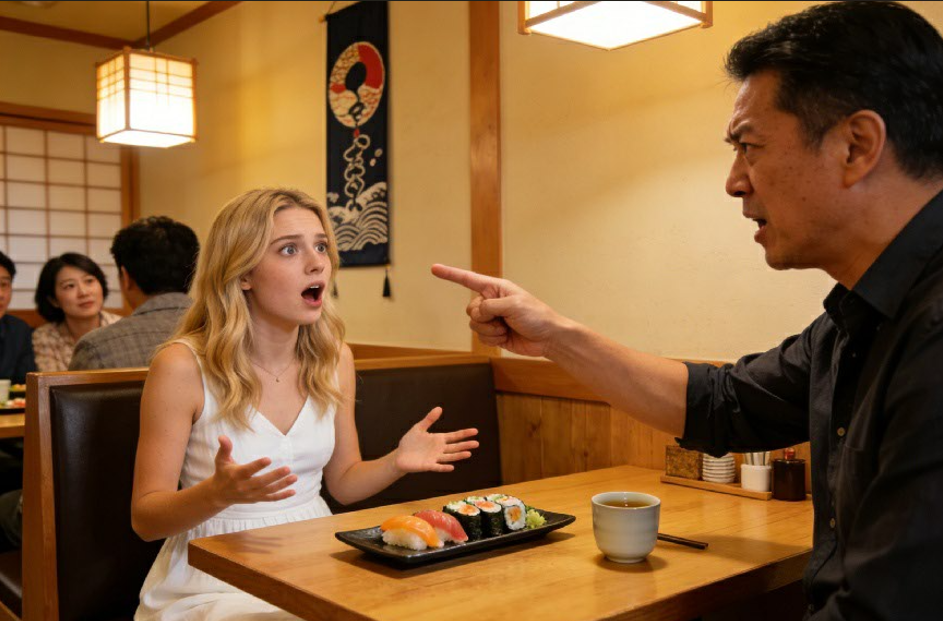
🧠 1. "Reading the Air" vs. The "Rudeness" of Saying What You Mean
In Japan, there's a supreme survival skill called "reading the air" (空気を読む). It means you must perceive the mood and subtext of a situation, even when nothing is said. In the West, particularly the US, this concept drives foreigners crazy. An American writer recalled in Business Insider being scolded by a stranger in a Japanese restaurant for talking too loudly—something unimaginable in a culture that values free expression . For them, if it's not said directly, it doesn't exist. This explains why characters like Pikachu, who communicates without words, are so beloved in the West; they perfectly embody the Japanese ideal of understanding without speaking .
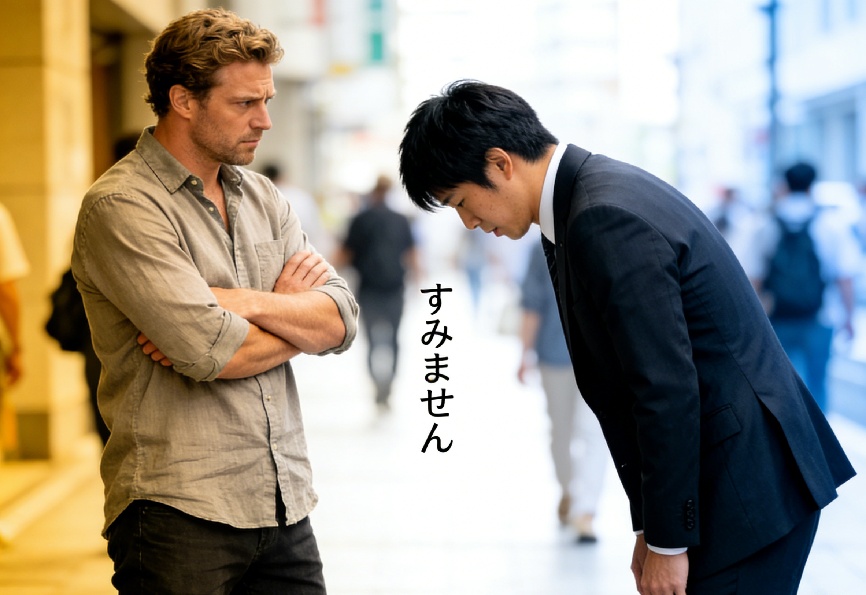
😔 2. "Sorry" Is a Cure-All, But in the US It's a "Confession"
Japanese people say "sumimasen" constantly, often apologizing even when it's not their fault as a gesture of politeness. Data shows this phrase is used several times more often than casual greetings. But this logic completely fails with the more litigious Americans. As a comparative study points out, in the US, if you bump into someone and blurt out "I'm sorry," it could be considered an admission of liability in a legal context, and the person could even sue you. Americans typically just ask, "Are you all right?" and leave the determination of fault to a judge .