Congratulations! Getting your first credit card is a significant financial milestone. It's a powerful tool that can unlock convenience, provide valuable protections, and be the cornerstone of a strong financial future. However, without a strategic plan, it can also lead to debt and damage your credit score. This guide is designed to transform you from a credit card novice into a confident, savvy user. We'll move beyond basic "spend responsibly" advice and dive into actionable strategies for using your first card wisely, avoiding common pitfalls, and systematically building an excellent credit history that will serve you for years to come.
📚 Credit Card Fundamentals: Understanding Your Tool
Before you make your first purchase, it's crucial to understand the key components of your credit card agreement. This knowledge is your first line of defense against costly mistakes.
Key Terms You Must Know
1. Credit Limit: This is the maximum amount you can borrow on the card at any time.
2. Statement Balance: The total amount you owe at the end of a billing cycle.
3. Minimum Payment: The smallest amount you must pay by the due date to keep the account in good standing. Paying only this is a major trap.
4. Annual Percentage Rate (APR): The annual cost of borrowing money, expressed as an interest rate. If you carry a balance, interest is charged on it.
5. Billing Cycle: The period (usually about 30 days) between credit card statements.
6. Due Date: The date by which your payment must be received to avoid late fees and interest.
7. Grace Period: The time between the end of a billing cycle and the due date. If you pay your full statement balance by the due date, you typically pay no interest.
How Your Actions Affect Your Credit Score
Your credit card activity is reported to the three major credit bureaus (Experian, Equifax, TransUnion) and impacts your FICO or VantageScore. The main factors are:
· Payment History (35%): Whether you pay on time. This is the most critical factor.
· Credit Utilization (30%): The percentage of your total credit limit you're using. Lower is better.
· Length of Credit History (15%): The average age of your accounts. This is why starting early is beneficial.
· Credit Mix (10%): Having different types of credit (e.g., credit card, auto loan).
· New Credit (10%): Applications for new credit, which result in hard inquiries.

💡 The Smart Usage Playbook: Strategies from Day One
Treat your credit card like a debit card with benefits, not free money. Implement these strategies from your very first swipe.
Method 1: The "Full Balance" Autopay Strategy 🗓️
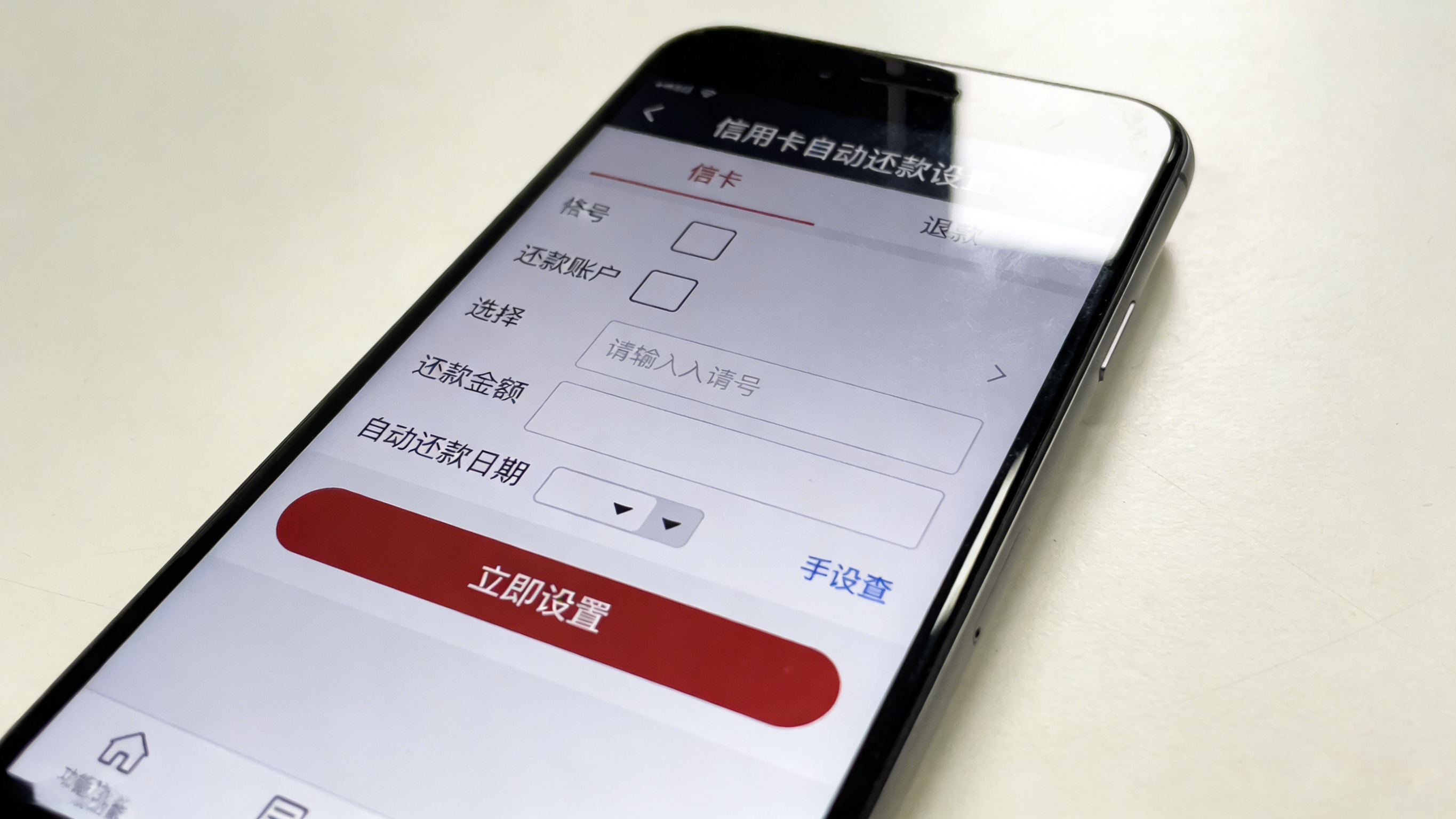
How it works: Set up an automatic payment to pay the full statement balance from your checking account every month, on or before the due date.
Advantages:
1. Guarantees On-Time Payments: Never miss a due date, protecting your perfect payment history.
2. Avoids All Interest Charges: By paying in full, you leverage the grace period and pay $0 in interest.
3. Promotes Budgeting: Forces you to ensure the money is in your checking account, aligning spending with cash flow.
Disadvantages:
1. Requires Discipline: You must have the full amount in your bank account when the payment pulls.
2. Potential for Overdraft: If you don't monitor your checking account, the auto-payment could overdraw it.
Implementation Steps:
1. Log into your credit card account online or via the app.
2. Navigate to "Payments" or "AutoPay."
3. Select "Pay Full Statement Balance."
4. Choose your bank account and a payment date (e.g., 2 days before the due date).
5. Confirm and verify the setup is active.
Method 2: The "Low Utilization" Monitoring Strategy 📊
How it works: Actively keep your credit card balance well below your credit limit, ideally under 30% and optimally under 10%, to maximize your credit score.
Advantages:
1. Directly Boosts Credit Score: Low utilization is the second biggest factor in your score.
2. Manages Lender Risk Perception: Shows you are not overly reliant on credit.
3. Easier to Pay Off: A lower balance is psychologically and financially easier to manage in full.
Disadvantages:
1. Requires Active Management: You need to track your spending relative to your limit.
2. May Limit Convenience: You might need to make multiple payments per month if you have a low limit.
How to Calculate & Manage Utilization:
· Formula: (Current Balance / Credit Limit) x 100 = Utilization %
· Tip: Most cards report your statement balance to the bureaus. Paying down your balance *before* the statement closing date results in a lower reported utilization.
🏗️ Building Credit: A Step-by-Step Blueprint
Building credit is a marathon, not a sprint. Follow this blueprint to construct a flawless credit history.
Phase 1: The Foundation (Months 1-6)
1. Make Your First Small, Planned Purchase. Buy something you already budgeted for, like gas or groceries.
2. Set Up Autopay (as described above). Let technology ensure your first payments are perfect.
3. Check Your Statement. Verify all charges are correct. This builds good financial hygiene.
4. Get a Secured Card First if Needed. If you started with a secured card (backed by a cash deposit), use it responsibly for 6-12 months. Most issuers will "graduate" you to an unsecured card and return your deposit.
Phase 2: Strategic Growth (Months 7-18)
1. Request a Credit Limit Increase. After 6-12 months of perfect payments, ask for an increase. A higher limit automatically lowers your utilization ratio if spending stays the same.
2. Check Your Free Credit Report. Visit AnnualCreditReport.com to ensure all information is accurate. Dispute any errors immediately.
3. Consider a Second Credit Line. Adding a different type of credit (like a small installment loan) can improve your "credit mix," but only if you need it and can manage it.
Phase 3: Optimization & Long-Term Health (Year 2+)
1. Explore Rewards. Once your credit is solid, you may qualify for cards with cash back, travel points, or other perks that match your spending.
2. Keep Your First Card Open. The age of your oldest account is vital for your "length of credit history." Even if you get better cards, use the old one for a small subscription annually to keep it active.
3. Become an Authorized User (Cautiously). A family member with excellent credit can add you to their old, well-managed account. Their positive history can boost your score, but their mistakes can hurt it.

⚠️ Pitfalls to Avoid: Common First-Timer Mistakes
Steer clear of these traps that can derail your credit-building journey.
Mistake 1: Making Only the Minimum Payment 💸
Paying just the minimum extends debt for years and costs a fortune in interest. You are building a history of *carrying debt*, not of *managing credit responsibly.*
Mistake 2: Maxing Out Your Card 🚫
High utilization signals risk to lenders and can drop your score by 50+ points. It's a red flag that you may be overextended.
Mistake 3: Using It for Cash Advances or "Flexible Funding" 🏧
Cash advances have no grace period (interest starts accruing immediately), often have higher APRs, and usually come with fees. They are among the most expensive ways to borrow.
Mistake 4: Closing Your First Card Too Soon 🔒
Closing an account shortens your average account age and reduces your total available credit, both of which can lower your score.
Mistake 5: Applying for Too Many Cards at Once 📝
Each application triggers a "hard inquiry," which can temporarily ding your score. Space out applications by at least 6 months.

🚀 Beyond the Basics: Pro Tips for Early Success
Elevate your credit game with these advanced practices.
Leverage Technology
· Use your bank's or card issuer's app to set up spending alerts (e.g., when a purchase is made, when you reach 20% of your limit).
· Utilize free credit score monitoring tools offered by many issuers (like Chase's Credit Journey, Discover's Scorecard, or Capital One's CreditWise).
Align Spending with a Budget
Only put planned, budgeted expenses on the card. A great method is to use it for specific, consistent categories like:
1. Monthly subscriptions (streaming, gym).
2. Gas or public transit.
3. One specific grocery store. This makes tracking easy and predictable.
Understand Your Card's Perks
Many starter cards offer benefits like:
· Purchase Protection: May cover damaged or stolen items.
· Extended Warranty: Adds time to a manufacturer's warranty.
· Zero Fraud Liability: You are not responsible for unauthorized charges. Knowing these can save you money and hassle.

🎯 Conclusion: Your Path to Rock-Solid Credit
Your first credit card is more than just plastic; it's the foundational tool for your financial reputation. By understanding the terms, employing a disciplined payment strategy (like autopay for the full balance), vigilantly managing your credit utilization, and patiently following a long-term credit-building blueprint, you are not just avoiding debt—you are actively constructing a rock-solid credit profile. This strong credit score will be your ally, unlocking lower interest rates on future loans (cars, mortgages), better approval odds for rentals, and even lower insurance premiums. Start wisely today, and your future self will thank you for the financial freedom and opportunities you created with that very first card.