
Interpreting your pet's body language is crucial for building a strong bond and ensuring their well-being. Pets communicate primarily through nonverbal cues, and by learning these signals, you can better understand their emotions, needs, and health. This guide will delve into common pets like dogs and cats, exploring key body language indicators to help you become a more attentive and responsive pet owner.

🐕 Decoding Dog Body Language
Dogs use a combination of facial expressions, tail movements, ear positions, and posture to express themselves. Misreading these signs can lead to misunderstandings or even accidents. Here’s a breakdown of common dog body language cues.
Tail Movements and Positions
A dog's tail is often a primary indicator of their emotional state. However, context is key, as tail wagging doesn't always mean happiness.
- High and Stiff Tail: This usually signals alertness, confidence, or potential aggression. It may indicate that the dog is on guard or feeling threatened.
- Low or Tucked Tail: Often shows fear, anxiety, or submission. A tail tucked between the legs is a clear sign of distress.
- Loose, Wagging Tail: Typically indicates happiness and relaxation, especially if the wag is broad and accompanied by a wiggly body. But a slow wag in a stiff posture might suggest uncertainty.
Facial Expressions and Ear Positions
Dogs' faces and ears provide subtle clues about their mood. Pay attention to these features to gauge their feelings.
- Eyes: Direct staring can be a challenge or threat, while soft, blinking eyes show comfort. Whale eye (showing the whites of the eyes) often indicates stress or fear.
- Ears: Forward ears suggest interest or alertness, while flattened ears against the head signal fear, submission, or anxiety.
- Mouth: A relaxed, open mouth with a lolling tongue usually means contentment. Lip licking or yawning can be signs of stress, not just tiredness.
Posture and Overall Body Stance
The way a dog holds its body can reveal a lot about its intentions and emotions.
- Play Bow: Front legs stretched forward, rear end up – this is an invitation to play and shows friendliness.
- Stiff, Leaning Forward Stance: Indicates aggression or dominance, often paired with raised hackles (the hair along the back).
- Cowering or Rolling Over: Shows submission or fear, especially if the dog exposes its belly. This can be a sign of trust or anxiety depending on context.

🐱 Interpreting Cat Body Language
Cats are more subtle and complex in their communication compared to dogs. Their body language involves tail, ears, eyes, and posture, often requiring careful observation to decode.
Tail Signals
A cat's tail is highly expressive and can indicate various moods from contentment to irritation.
- Upright Tail: A tail held straight up, especially with a slight curve at the tip, signals happiness and confidence, often seen when greeting trusted humans.
- Puffed-Up Tail: The tail appears bushy and enlarged, indicating fear, aggression, or being startled. This is a defensive posture.
- Twitching or Thumping Tail: Slow twitching can mean curiosity or concentration, while rapid thumping usually signals irritation or impending aggression.
Ear and Eye Cues
Cats use their ears and eyes to convey emotions, often in tandem with other body parts.
- Ears Forward: Shows interest or curiosity. Ears rotated sideways or back indicate annoyance, fear, or aggression.
- Eyes: Slow blinking is a sign of trust and affection, often called a "cat kiss." Dilated pupils can mean excitement, fear, or playfulness, depending on context.
- Whiskers: Forward-facing whiskers indicate curiosity, while pulled-back whiskers suggest fear or aggression.
Body Posture and Vocalizations
Cats' overall stance and sounds complement their body language for clearer communication.
- Arched Back: Combined with puffed fur, this is a defensive stance to appear larger when threatened. Alone, it might just be a stretch.
- Kneading: Using paws to push in and out on soft surfaces, often a sign of contentment, reminiscent of kittenhood.
- Vocalizations: Purring usually indicates contentment but can also signal pain. Hissing or growling are clear warnings of fear or aggression.
🐇 Understanding Other Common Pets
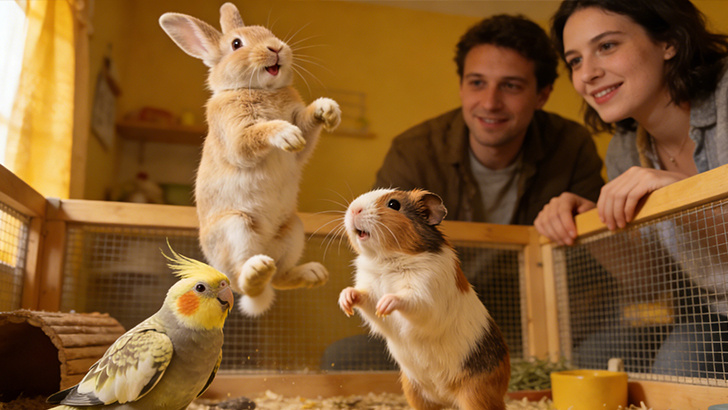
Beyond dogs and cats, pets like rabbits, birds, and small mammals have unique body language cues. Learning these can help you care for them better.
Rabbit Body Language
Rabbits are prey animals, so their signals often revolve around fear and comfort.
- Thumping: Hitting hind legs on the ground is a warning sign of danger or annoyance.
- Binkying: Jumping and twisting in the air indicates extreme happiness and playfulness.
- Ear Positions: Ears forward show curiosity, while flattened ears signal fear or submission.
Bird Body Language
Birds use feathers, posture, and sounds to communicate, varying by species.
- Feather Fluffing: Can indicate relaxation or illness; context matters. Fluffed feathers while perching might mean the bird is cold or unwell.
- Head Bobbing: Often a sign of excitement, curiosity, or a mating display in some species.
- Wing Position: Slightly raised wings can show aggression or a desire to fly, while drooping wings might signal fatigue or illness.
Small Mammals (e.g., Hamsters, Guinea Pigs)
These pets have subtle cues that require close observation.
- Freezing: Remaining motionless often indicates fear or a response to perceived threats.
- Popcorning: In guinea pigs, sudden jumps and twists show happiness and excitement.
- Teeth Chattering: In hamsters, this can signal aggression or annoyance, especially when disturbed.
🔍 How to Apply This Knowledge in Daily Life
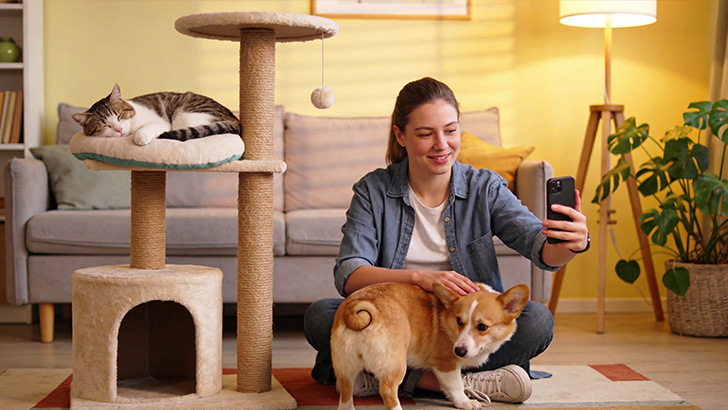
Understanding your pet's body language is not just academic; it's practical for enhancing their care and your relationship.
Observing Context and Consistency
Always consider the whole situation when interpreting cues, as isolated signals can be misleading.
- Look at the Big Picture: Combine multiple body parts (e.g., tail, ears, posture) to get an accurate read. For example, a wagging tail in a stiff body may not be friendly.
- Note Environmental Factors: Changes in routine, new people, or loud noises can affect your pet's behavior. Adjust your interpretation accordingly.
- Track Patterns: Keep a mental or written log of your pet's cues in different situations to identify consistent signals for emotions like stress or joy.
Responding Appropriately to Cues
Once you decode the language, respond in ways that support your pet's emotional and physical needs.
- For Fear or Anxiety: Provide a safe space, avoid forcing interaction, and use calming techniques like soft speaking or gradual desensitization.
- For Playfulness: Engage with appropriate toys and activities to channel their energy positively.
- For Aggression: Give space, avoid punishment, and consult a professional if needed to address underlying causes.
Building Trust Through Communication
By respecting and responding to your pet's body language, you can strengthen your bond.
- Respect Boundaries: If your pet shows signs of discomfort (e.g., turning away, hiding), give them time alone instead of pushing interaction.
- Use Positive Reinforcement: Reward calm and happy behaviors with treats or praise to encourage those cues.
- Educate Others: Share this knowledge with family members or visitors to ensure consistent and respectful handling of your pet.
✅ Common Misconceptions and Pitfalls
Many pet owners misinterpret body language due to myths or oversimplifications. Here are some key points to avoid errors.
Myth: A Wagging Tail Always Means Happiness
As mentioned earlier, tail wagging in dogs can indicate various emotions. Always assess the full context, including speed and body tension.
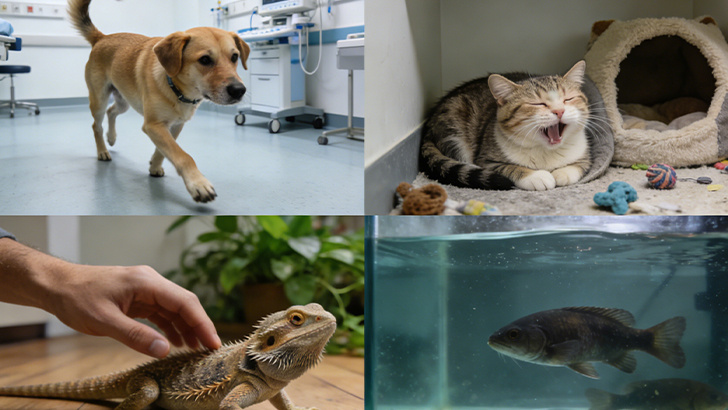
- Example: A slow, stiff wag during a vet visit likely signals anxiety, not joy.
Myth: Cats Purr Only When Happy
Purring can also be a self-soothing mechanism during stress or illness. Monitor other signs like appetite and activity levels.
- Tip: If your cat is purring while hiding or showing lethargy, it might need medical attention.
Pitfall: Ignoring Species-Specific Cues
Assuming all pets communicate like dogs or cats can lead to misunderstandings. Research your specific pet's natural behaviors.
- For Reptiles: Body language is often minimal; focus on basking, hiding, or eating patterns for health clues.
- For Fish: Changes in swimming patterns or coloration can indicate stress or disease.

Conclusion: Enhancing Your Pet Partnership
Mastering your pet's body language is a continuous journey that deepens your connection and promotes their welfare. By observing cues from tails to postures, and applying this knowledge with context and care, you can create a safer, happier environment for your furry, feathered, or scaly friend. Remember, each pet is unique, so patience and consistent learning are key to becoming fluent in their nonverbal dialogue.