🍞 3. The "Luxury Tax" on Paper Towels
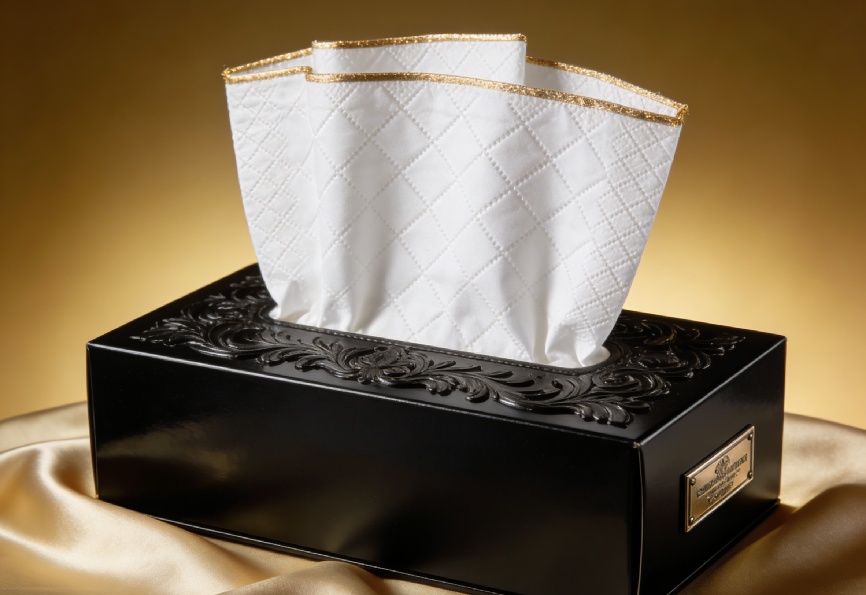
For Baby Boomers, a kitchen without rolls of ultra-absorbent Bounty paper towels felt incomplete. They'd use them to wipe floors, soak up grease, act as makeshift placemats—a pack lasted days, but it had to be "the best." Millennials, however, see them as wasteful and environmentally unfriendly. The U.S. paper towel market is worth about $4 billion annually, but sales have been declining by 2.5% each year for the past five years. Millennials prefer reusable cloth towels or simply use toilet paper, which costs about a third of the price per sheet. A Procter & Gamble executive lamented at an investor conference: "Millennials are 'killing' the paper towel industry because they see these disposables as poor value and bad for the environment." This is more than trading down; it's a victory for a different set of values.
🍺 4. The Midlife Crisis of American Industrial Beer
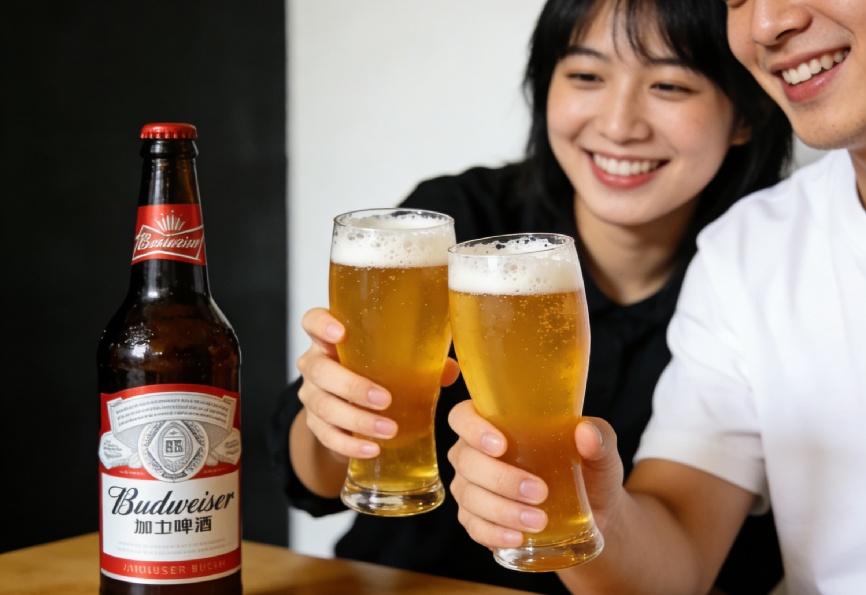
Budweiser, Miller, Coors—brands that once embodied the American spirit—are now dismissed by Millennials as "dad's piss water." Since 2006, sales of industrial American lager have dropped over 15%. Meanwhile, craft beer's market share has exploded from 3% to 25%, with annual sales exceeding $28 billion. Millennials have flocked to craft beer, happily paying triple the price for an IPA because the complex hop profiles, cool label designs, and the narrative of "supporting local breweries" are worth an Instagram post. A 28-year-old software developer put it this way: "Drinking Budweiser feels like wearing your dad's old underwear—it technically works, but there's zero dignity." More fatally, Millennials have cultivated a "beer hierarchy" on social media, firmly anchoring industrial beer at the bottom, a cultural pressure more potent than any marketing campaign.
🍣 5. Supermarket "Imitation Crab Meat"
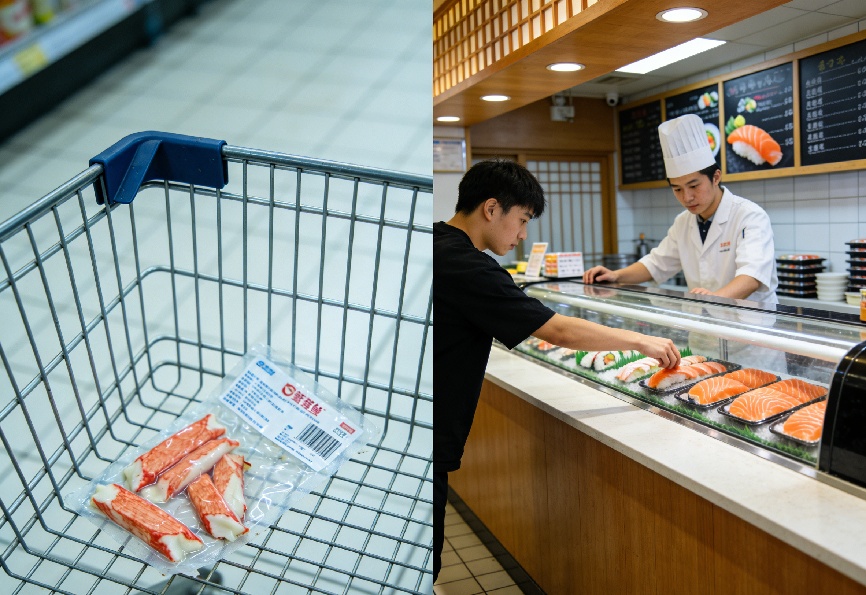
Remember those neatly packaged "imitation crab" sticks in the supermarket freezer section? Pink and white streaks, sweet taste, clearly just fish paste and starch, yet called "crab." Millennials refuse to eat this "fake stuff." They'd rather go hungry and wait for the real salmon to go on sale at the sushi counter at 7 p.m. Sales of imitation seafood products in the U.S. have plummeted nearly 40% over the past decade. For Millennials, the "authenticity" of food trumps "cheapness"—a trend fueled by the rise of "ingredient-conscious" consumers who scrutinize labels. Seeing a list of "surimi (Alaska Pollock), starch, sugar, sorbitol" sends them reaching back for the shelf. A food industry analyst notes: "Millennials are forcing the entire food industry to become transparent. Products trying to pass off cheap substitutes are being thoroughly rejected by this generation."