
Pet insurance has become a hot topic among pet owners, especially as veterinary costs continue to rise. With unexpected illnesses and accidents potentially leading to bills totaling thousands of dollars, many wonder if pet insurance is a wise investment or an unnecessary expense. This article explores the ins and outs of pet insurance, drawing insights from reputable sources and industry trends to help you determine its true value. We'll break down the benefits, drawbacks, and key factors to consider, ensuring you have a clear, comprehensive understanding.

🤔 What is Pet Insurance?
Definition and Basics
Pet insurance is a financial product designed to help cover veterinary expenses for your pets, similar to health insurance for humans. It operates on a reimbursement model where you pay the vet upfront and then file a claim with the insurer for a portion of the costs. Core elements include:
- Premiums: Regular payments (monthly or annually) to keep the policy active.
- Deductibles: The amount you must pay out-of-pocket before insurance coverage begins, which can be per incident or annual.
- Coverage Limits: Caps on payouts, which may be per condition, per year, or over the pet's lifetime.
- Reimbursement Rate: The percentage of covered costs the insurer pays back, typically 70%, 80%, or 90%.
- Waiting Periods: Time after enrollment before coverage starts, often 14 days for illnesses and 48 hours for accidents.

📊 Types of Pet Insurance Plans
Accident-Only Plans
These plans cover injuries from unexpected events like car accidents or ingestion of harmful substances. They are generally the most affordable option but offer limited protection.
- Coverage Scope: Focuses solely on accidental injuries, such as fractures, burns, or poisoning.
- Cost: Lower premiums, making it accessible for budget-conscious owners.
- Best For: Young, healthy pets or those with minimal risk of illness.
Accident and Illness Plans
This is the most popular type, providing coverage for both accidents and illnesses like infections, cancer, or digestive issues. It offers a balance of protection and cost.
- Comprehensive Care: Includes diagnostics, treatments, surgeries, and hospitalizations.
- Exclusions: Often excludes pre-existing conditions, routine care, and breeding-related issues.
- Flexibility: Allows customization through add-ons like wellness riders.
Wellness Plans
Wellness plans, or preventive care plans, cover routine veterinary services to maintain your pet's health. They are usually offered as add-ons to accident/illness policies.
- Covered Services: Typically includes vaccinations, flea/tick prevention, annual exams, and dental cleanings.
- Cost-Benefit Analysis: Evaluate if the annual cost of the plan is less than paying for these services out-of-pocket.
- Limitations: Not a substitute for major medical coverage; best used in combination.

✅ Advantages of Pet Insurance
Financial Protection
Pet insurance shields you from the shock of high veterinary bills, allowing you to focus on your pet's recovery rather than costs. Key financial benefits include:
- Emergency Fund Alternative: Acts as a safety net without depleting personal savings.
- Chronic Condition Support: Covers ongoing treatments for issues like allergies or kidney disease, which can be expensive over time.
- Budget Management: Fixed premiums help with financial planning, unlike variable vet expenses.
Peace of Mind
Knowing you have coverage reduces anxiety when making healthcare decisions for your pet. This emotional advantage is often cited as a top reason for purchasing insurance.
- Timely Treatment: Enables you to pursue necessary care immediately, without delaying due to cost concerns.
- Access to Quality Care: You can opt for advanced treatments or specialist referrals that might otherwise be unaffordable.
- Reduced Stress: Less worry about "what if" scenarios, leading to a better owner-pet relationship.
Access to Advanced Treatments
With insurance, you can consider cutting-edge veterinary medicine that improves outcomes but comes at a premium.
- Specialist Care: Coverage for veterinarians specializing in areas like oncology, neurology, or orthopedics.
- Advanced Diagnostics: Includes MRI, CT scans, or genetic testing that aid in accurate diagnosis.
- Alternative Therapies: Some plans cover acupuncture, physical therapy, or holistic treatments.

❌ Disadvantages of Pet Insurance
Cost Considerations
Pet insurance isn't free, and the expenses can add up, potentially outweighing the benefits for some owners. Drawbacks related to cost include:
- Premium Accumulation: Over many years, total premiums paid may exceed reimbursements, especially for pets with few health issues.
- Out-of-Pocket Costs: Deductibles, co-pays, and non-covered expenses mean you still share the financial burden.
- Rate Hikes: Premiums often increase as your pet ages or if you file multiple claims, making long-term affordability uncertain.
Limitations and Exclusions
Policies come with fine print that can limit their usefulness. Common exclusions to be aware of are:
- Pre-existing Conditions: Any illness or injury present before enrollment is typically excluded, which can be a significant barrier for older pets.
- Breed-Specific Exclusions: Hereditary conditions common in certain breeds, like hip dysplasia in German Shepherds, may not be covered.
- Routine and Preventive Care: Standard check-ups, vaccinations, and spay/neuter procedures are usually excluded unless a wellness plan is added.
- Age Limits: Some insurers refuse coverage for pets over a certain age or reduce benefits for seniors.
Claim Process Complexities
Filing claims can be cumbersome, involving paperwork and potential delays that frustrate pet owners.
- Documentation Requirements: You must provide vet records, itemized invoices, and claim forms, which can be time-consuming.
- Waiting Periods: Coverage doesn't start immediately, leaving you unprotected for a set time after enrollment.
- Reimbursement Delays: It can take weeks to receive payment, requiring you to front the full cost initially.
- Claim Denials: Insurers may deny claims for reasons like incomplete paperwork or perceived exclusions.

🔍 How to Choose the Right Pet Insurance
Factors to Consider
Selecting the best policy requires careful evaluation of multiple aspects to match your pet's needs and your budget.
- Coverage Scope: Ensure the plan covers accidents, illnesses, and optionally wellness care. Check for specific inclusions like prescription medications or behavioral therapy.
- Cost Structure: Compare premiums, deductibles, reimbursement rates, and annual or lifetime payout limits across providers.
- Company Reputation: Research the insurer's financial stability, customer service ratings, and claim payout history via reviews or industry reports.
- Policy Flexibility: Look for customizable options, such as adjustable deductibles or the ability to choose any licensed vet.
- Exclusions and Limitations: Read the policy details thoroughly to understand what is not covered, especially regarding hereditary conditions or age-related issues.
Steps to Select a Plan
Follow a systematic approach to find a suitable pet insurance plan that offers value and peace of mind.
- Assess Your Pet's Profile: Consider factors like age, breed, pre-existing conditions, and lifestyle (indoor vs. outdoor) to determine risk level.
- Get Multiple Quotes: Use online comparison tools or contact insurers directly to obtain quotes for similar coverage levels.
- Read the Fine Print: Carefully review sample policies for exclusions, waiting periods, and renewal terms to avoid surprises.
- Consult Your Veterinarian: Ask for recommendations based on common health issues in your pet's breed and their experience with insurance claims.
- Check Customer Reviews: Look for feedback on claim processing speed, customer support, and overall satisfaction on sites like Trustpilot or the Better Business Bureau.
- Enroll Early: Sign up when your pet is young and healthy to maximize coverage and minimize exclusions for pre-existing conditions.

💡 Is Pet Insurance Worth It?
For Whom It's Worth It
Pet insurance can be a valuable investment for owners who fit certain profiles, providing financial and emotional benefits.
- Owners of High-Risk Breeds: Breeds prone to genetic disorders, such as French Bulldogs (respiratory issues) or Golden Retrievers (cancer), often benefit from coverage due to higher vet costs.
- Those with Multiple Pets: Insuring several pets can be cost-effective, especially if bundled discounts are available.
- Pet Parents on a Fixed Budget: Insurance prevents large, unexpected expenses from causing financial strain, allowing for consistent care.
- Young Pets: Enrolling a puppy or kitten ensures comprehensive coverage before any health issues arise, often at lower premiums.
- Owners Who Value Peace of Mind: If reducing stress about potential vet bills is a priority, insurance can be worth the cost.
When It Might Not Be Worth It
In some scenarios, pet insurance may not provide sufficient value, making alternative approaches more sensible.
- You Have Substantial Emergency Savings: If you can comfortably cover vet bills of $5,000 or more out-of-pocket, insurance may be unnecessary.
- Your Pet is Older with Pre-existing Conditions: Premiums are higher, and exclusions may limit coverage, reducing the return on investment.
- You Only Need Routine Care: For pets with minimal health risks, a wellness plan or paying out-of-pocket for check-ups might be cheaper.
- The Policy Has Excessive Exclusions: If key health risks for your pet's breed are excluded, the policy may not offer meaningful protection.
- Cost-Benefit Analysis Fails: Calculate total expected premiums over your pet's lifetime versus potential reimbursements; if costs outweigh benefits, skip it.
Case Studies or Examples
Real-life examples illustrate how pet insurance plays out in different situations, helping you gauge its worthiness.
- Example 1: Chronic Condition Management: A dog diagnosed with diabetes requires ongoing insulin and monitoring. Insurance with a 90% reimbursement rate saves the owner thousands over the pet's life, making it worth it.
- Example 2: Emergency Accident: A cat swallows a foreign object, needing emergency surgery costing $3,000. With a $500 deductible and 80% reimbursement, insurance covers $2,000, providing clear value.
- Example 3: Healthy Adult Pet: A middle-aged dog with no health issues has premiums totaling $600 per year. Over 10 years, the owner pays $6,000 but only files one $500 claim. In this case, insurance may not be worth it.
- Example 4: Senior Pet Enrollment: An older dog with arthritis is enrolled, but the policy excludes joint issues as pre-existing. Premiums are high, and coverage is limited, so it might not be worthwhile.
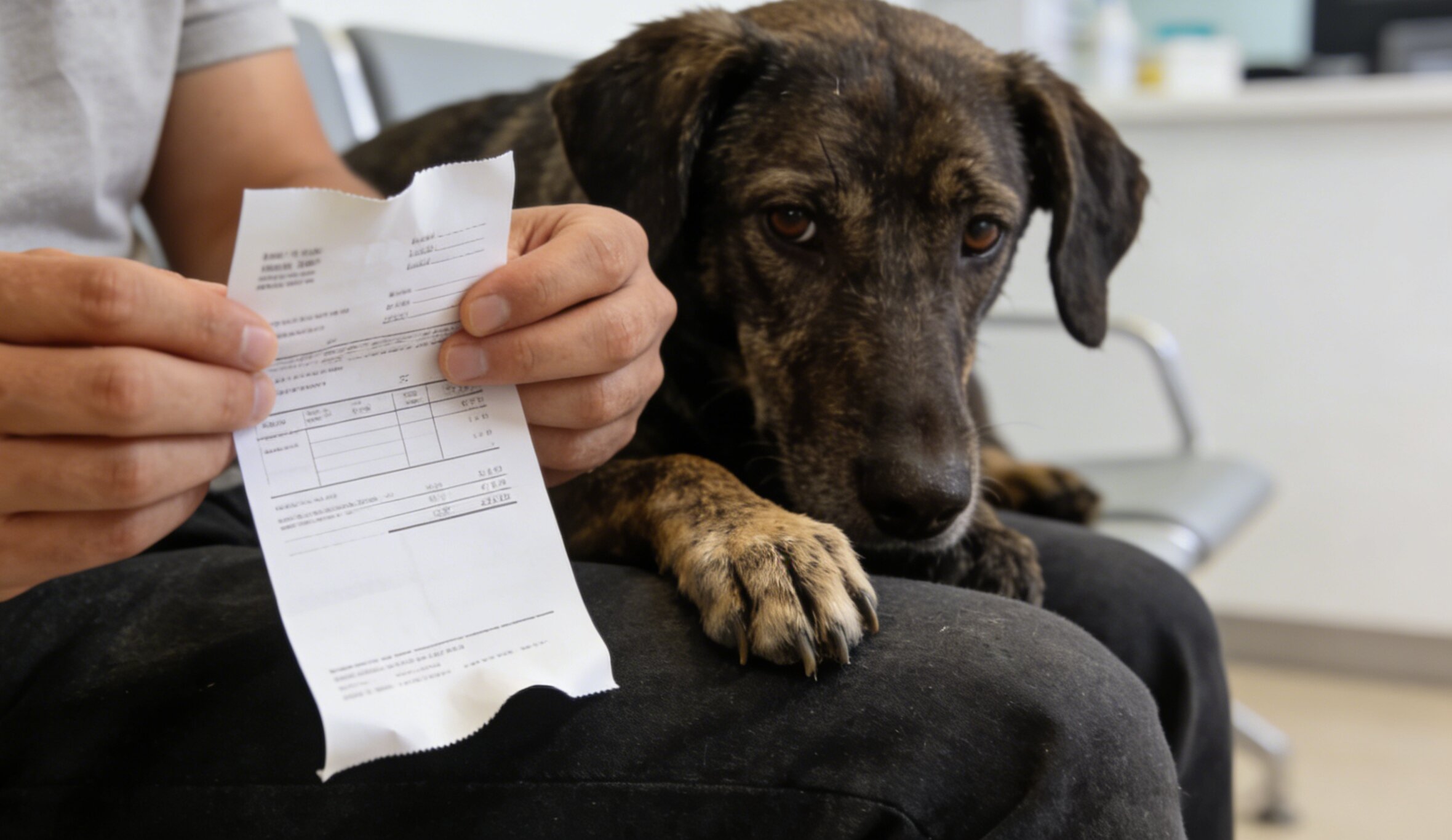
In summary, pet insurance can be worth it for many pet owners, particularly those with high-risk breeds, multiple pets, or limited savings. It offers financial protection, peace of mind, and access to advanced care. However, it's not a one-size-fits-all solution. By carefully evaluating your pet's needs, comparing policies, and considering your financial situation, you can make an informed decision. Remember, the goal is to ensure your beloved companion receives the best possible care without causing undue financial hardship. Whether you choose insurance or opt for self-funding, proactive planning is key to responsible pet ownership.