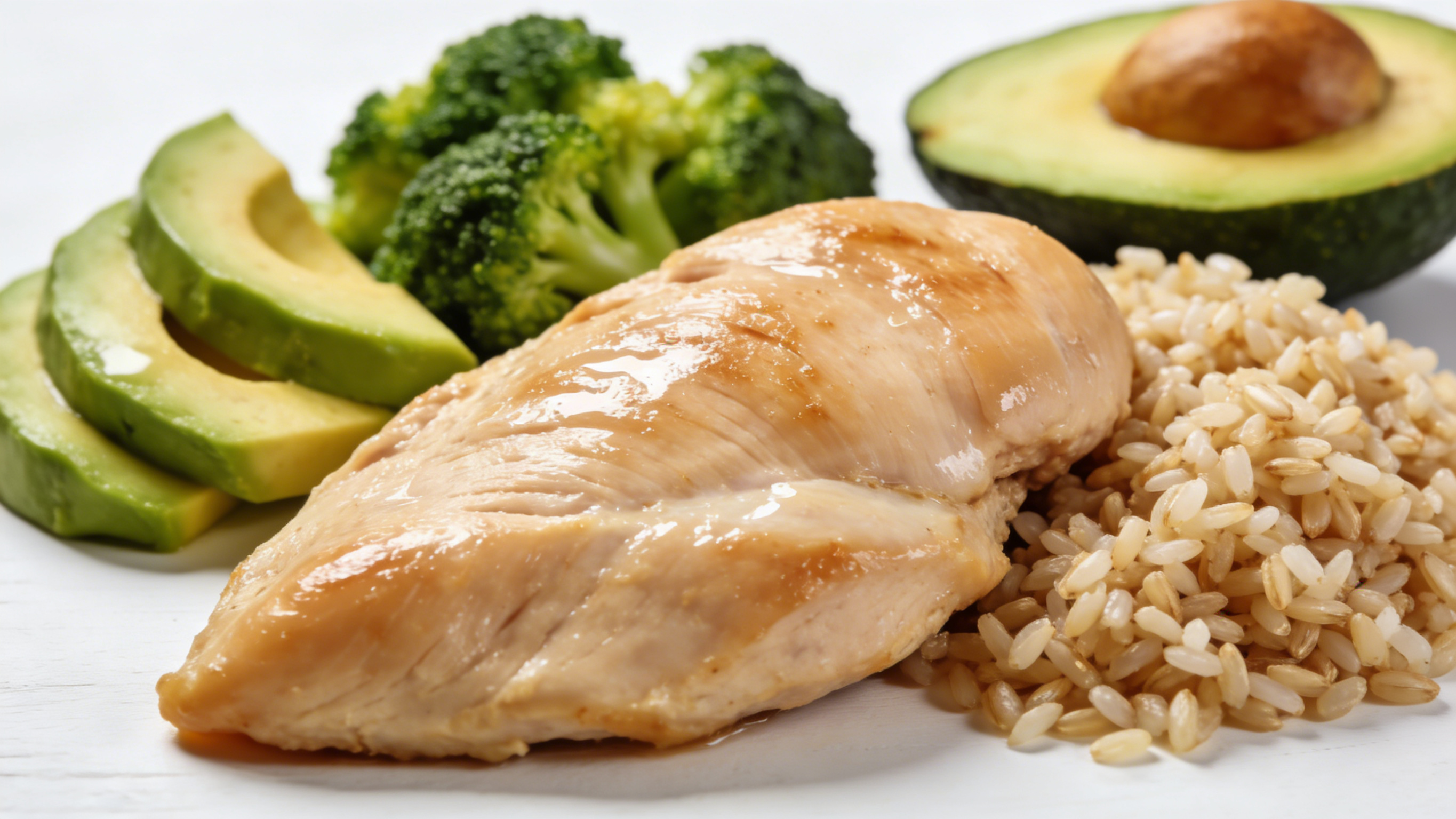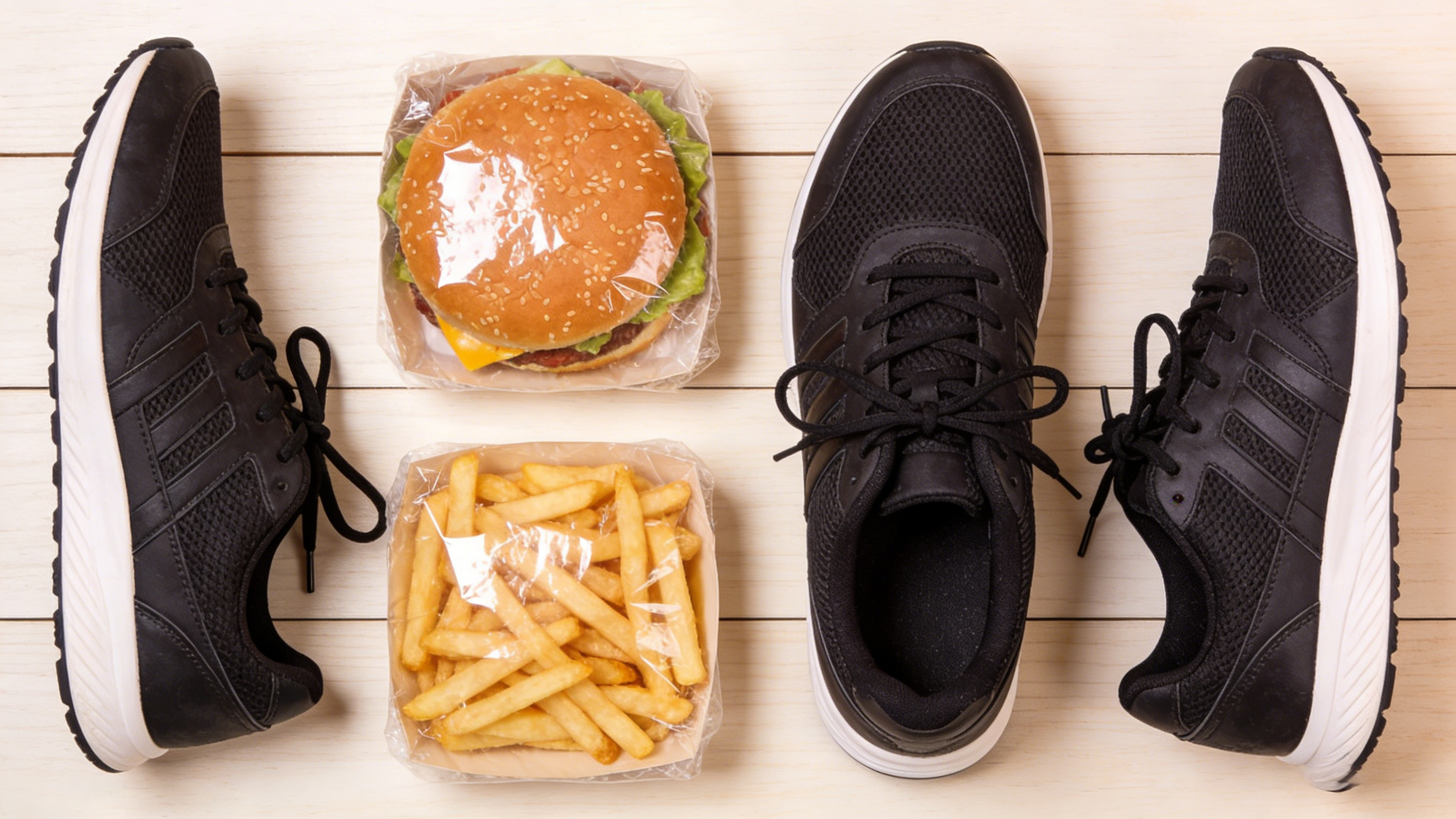
For decades, the mantra for weight loss has been deceptively simple: "Eat less, move more." This advice is rooted in the basic principle of calories in versus calories out (CICO). While this energy balance model is fundamentally true—a caloric deficit is required to lose body fat—it paints an incomplete and overly simplistic picture of a profoundly complex biological process. Modern science reveals that fat loss is governed by a symphony of hormones, genetics, metabolism, and behavioral psychology. Treating it as a simple math equation often leads to frustration, metabolic adaptation, and weight regain. This article delves into the nuanced science of fat loss, explaining why the old adage falls short and what truly drives sustainable change.
📉 The Flaws in the "Calorie-Counting" Model
The "eat less, move more" approach relies almost entirely on the conscious creation of a caloric deficit. However, the body is not a passive bank account for calories; it's a dynamic, adaptive system that actively regulates energy storage and expenditure.
Why "Eat Less, Move More" Is Problematic:
1. Metabolic Adaptation (The "Starvation Mode"): When you consistently reduce calories, your body perceives a threat to its energy supply. In response, it becomes more efficient, lowering your metabolic rate to conserve energy. This means:
· Reduced Resting Metabolic Rate (RMR): You burn fewer calories at rest.
· Increased Metabolic Efficiency: You burn fewer calories during the same exercise.
· Downregulation of Non-Exercise Activity Thermogenesis (NEAT): You subconsciously move less—fidgeting less, taking the elevator, feeling more lethargic.
2. Hormonal Counter-Regulation: The body fights back against weight loss with powerful hormones:
· Leptin Decreases: This "satiety hormone" falls, increasing hunger and reducing energy expenditure.
· Ghrelin Increases: This "hunger hormone" rises, making you feel ravenous.
· Cortisol Rises: Chronic caloric restriction can increase this stress hormone, which may promote abdominal fat storage and muscle breakdown.
3. It Ignores Nutrient Partitioning: Not all calories are used the same way by the body. 100 calories from sugar and 100 calories from protein trigger vastly different hormonal responses, satiety signals, and effects on what your body does with that energy—store it as fat or use it for repair and energy.

⚖️ The Hormonal Landscape of Fat Storage & Loss
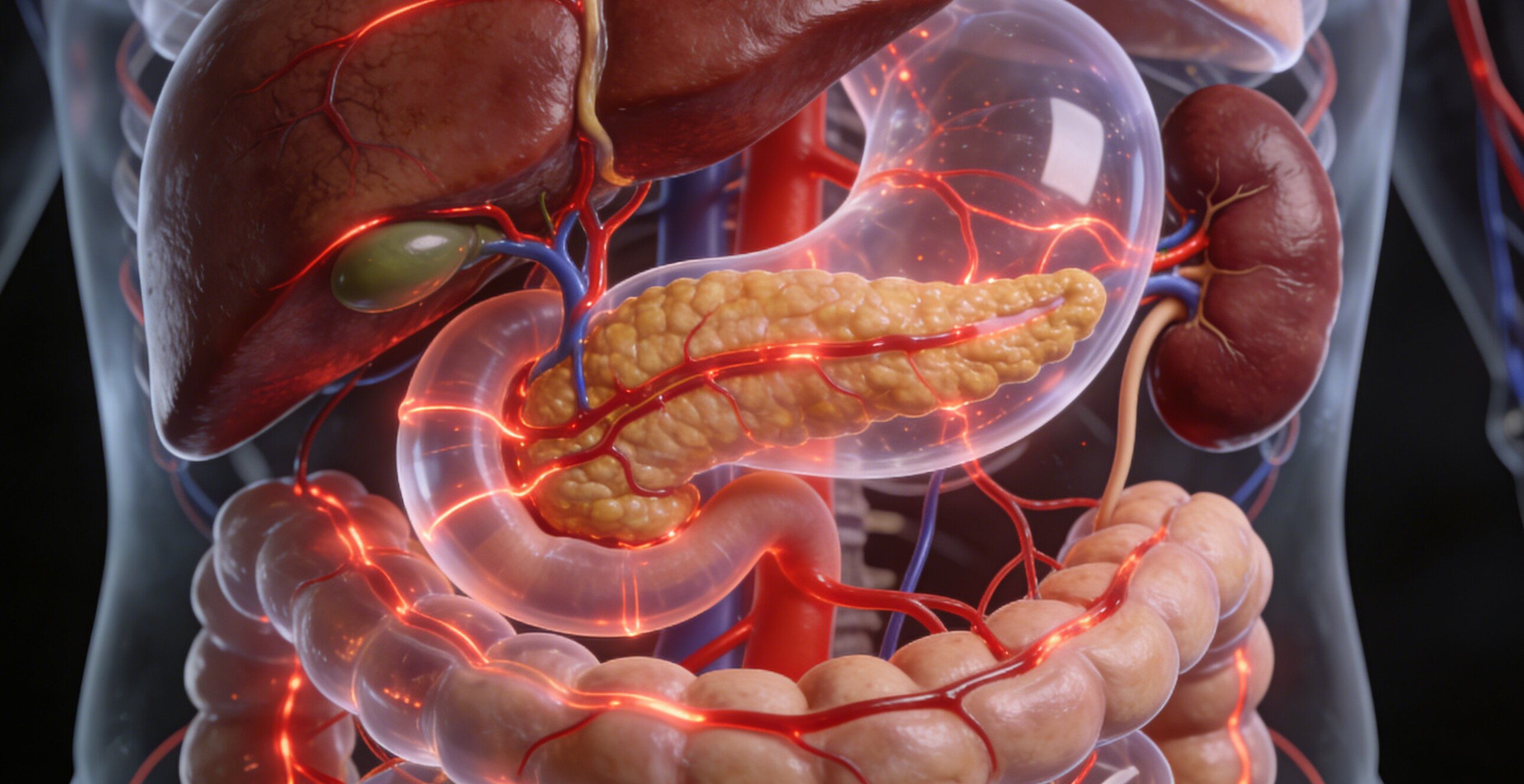
Hormones are the master conductors of your metabolism, telling your body whether to store fat or burn it for fuel. Optimizing these is key.
Key Hormones and How to Influence Them:
1. Insulin – The Storage Hormone:
· Role: High insulin levels signal the body to store energy, primarily as fat, and block fat burning.
· Actionable Strategy: Manage blood sugar spikes.
· Reduce refined carbs and added sugars.
· Pair carbohydrates with fiber, protein, and healthy fats.
· Consider meal timing (e.g., not grazing constantly).
2. Cortisol – The Stress Hormone:
· Role: Chronically elevated cortisol can lead to increased appetite, cravings for high-calorie foods, and fat storage, particularly visceral (belly) fat.
· Actionable Strategy: Prioritize stress management and recovery.
· Practice mindfulness, meditation, or deep breathing.
· Ensure adequate, high-quality sleep (7-9 hours).
· Avoid chronic, excessive cardio which can elevate cortisol.
3. Sex Hormones (Estrogen & Testosterone):
· Role: Imbalances can affect fat distribution and metabolic rate. Low testosterone in men and estrogen imbalances in women (like in perimenopause) can make fat loss more challenging.
· Actionable Strategy: Support hormone health through lifestyle.
· Engage in strength training to support healthy testosterone levels.
· Maintain a healthy body fat percentage (extremely low or high levels can disrupt hormones).
· Consume adequate healthy fats and micronutrients.

🧬 The Role of Individual Variability
No two people respond identically to the same diet or exercise regimen. A one-size-fits-all "eat less, move more" plan ignores critical personal factors.
Factors Creating Individual Differences:
1. Genetics & Epigenetics:
· Genes can influence metabolic rate, appetite regulation, fat storage patterns, and even food preferences.
· Epigenetics (how environment and behavior turn genes on/off) means your lifestyle choices today can impact how your genes related to metabolism are expressed.
2. Gut Microbiome:
· The trillions of bacteria in your gut affect how you extract energy from food, influence inflammation, and produce hormones that regulate appetite and fat storage.
· An imbalance in gut bacteria is linked to obesity and metabolic disorders.
3. Metabolic Health & Medical Conditions:
· Underlying conditions like insulin resistance, PCOS, or hypothyroidism significantly alter the body's ability to lose fat, making simple calorie restriction ineffective and often harmful.
🔬 A Science-Backed Framework for Effective Fat Loss
Moving beyond simplistic advice requires a multi-faceted approach that works *with* your biology, not against it.
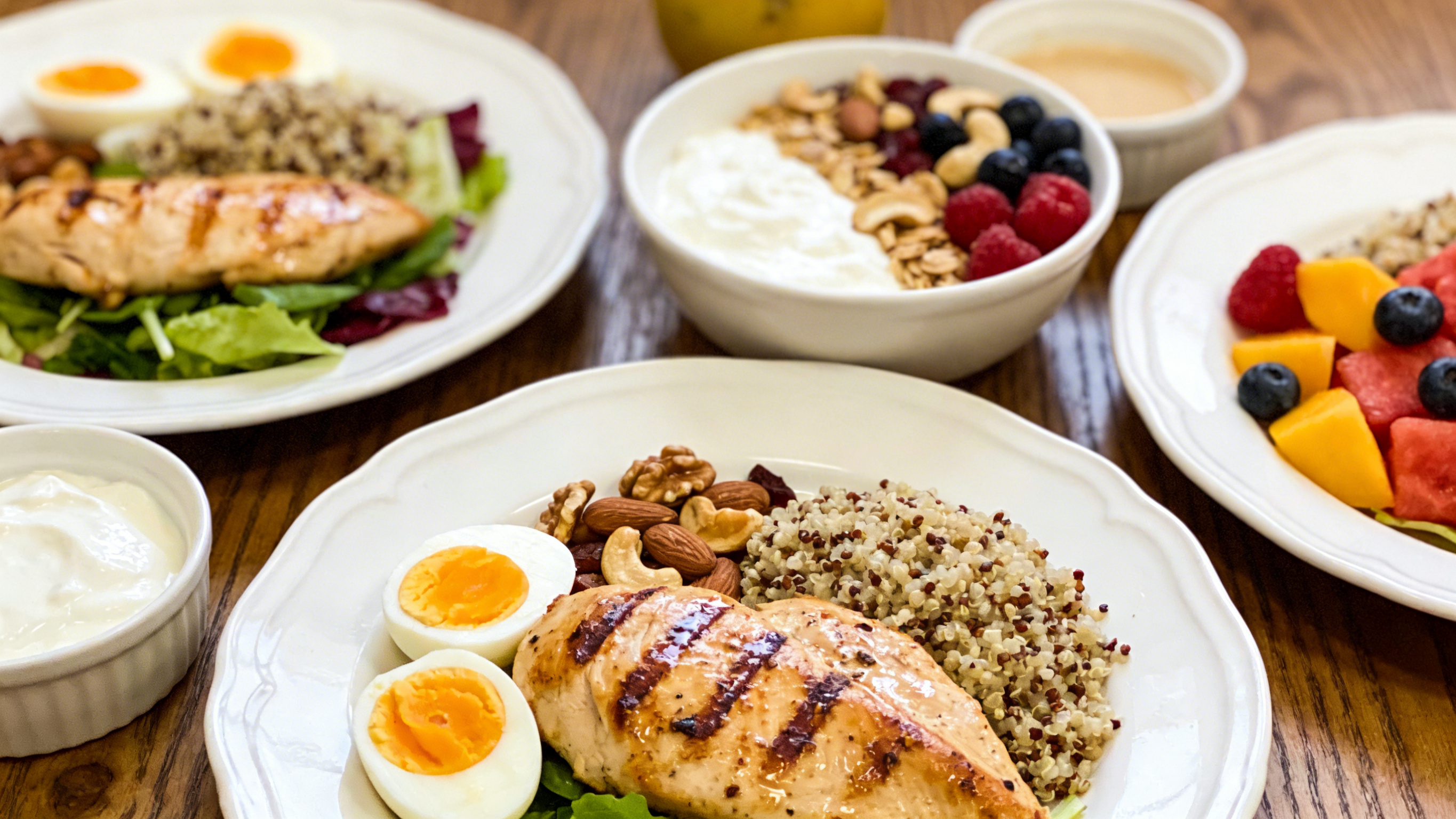
Method 1: Prioritize Protein & Whole Foods 🥗
Advantages:
· Increased Satiety: Protein is the most satiating macronutrient, reducing hunger and automatic calorie intake.
· Higher Thermic Effect of Food (TEF): Your body uses more energy to digest protein compared to carbs or fat.
· Muscle Preservation: Crucial for maintaining metabolic rate during a deficit.
· Stable Energy & Hormones: Whole foods prevent blood sugar rollercoasters.
Disadvantages/Considerations: Requires more meal planning and can be more expensive than processed food diets.
Implementation Steps:
1. Aim for a protein target: 1.6-2.2 grams per kilogram of body weight daily.
2. Build meals around a protein source: lean meat, fish, eggs, dairy, legumes, tofu.
3. Fill the rest of your plate with fibrous vegetables and a moderate amount of complex carbs and healthy fats.
Method 2: Strategic Exercise – Strength Over Steady-State 🏋️
Advantages:
· Builds & Protects Muscle Mass: This directly supports a higher metabolic rate.
· Creates a significant "Afterburn" (EPOC): High-intensity and strength training increase calorie burn for hours after the workout.
· Improves Insulin Sensitivity: Helps your body use carbohydrates more effectively.
Disadvantages/Considerations: Requires proper form to avoid injury; can be intimidating for beginners.
Implementation Steps:
1. Make resistance training non-negotiable: Aim for 3-4 sessions per week.
2. Incorporate compound movements: Squats, deadlifts, presses, rows.
3. Add High-Intensity Interval Training (HIIT): 1-2 short sessions per week for metabolic conditioning.
4. Keep NEAT high: Walk, take the stairs, stand—this is often the largest variable in daily energy expenditure.
Method 3: Master Your Sleep & Stress Management 😴
Advantages:
· Regulates Appetite Hormones: Sleep deprivation increases ghrelin (hunger) and decreases leptin (fullness).
· Lowers Cortisol: Quality sleep and relaxation techniques mitigate stress-induced fat storage.
· Improves Recovery & Willpower: Supports exercise performance and reduces cravings.
Disadvantages/Considerations: Often deprioritized in busy schedules; requires consistent habit change.
Implementation Steps:
1. Prioritize 7-9 hours of quality sleep: Establish a consistent bedtime routine and optimize your sleep environment.
2. Practice daily stress-reduction: Even 10 minutes of meditation, deep breathing, or a walk in nature.
3. Listen to your body: Incorporate rest days and avoid training when excessively stressed or sleep-deprived.
Method 4: Adopt a Flexible, Sustainable Mindset 🧠
Advantages:
· Prevents Diet "Yo-Yoing": Avoids the cycle of extreme restriction followed by rebound overeating.
· Promotes Long-Term Adherence: A plan you can maintain for life is the only one that works.
· Reduces Psychological Stress around food and body image.
Disadvantages/Considerations: May feel slower than drastic diets; requires self-awareness and patience.
Implementation Steps:
1. Ditch the "all-or-nothing" approach: Aim for 80% consistency with whole foods, allowing 20% flexibility for life's pleasures.
2. Focus on habits, not just outcomes: "I will train 3x this week" vs. "I must lose 5 lbs."
3. Practice mindful eating: Eat slowly, without distraction, and learn to recognize true hunger vs. emotional cravings.

🎯 Conclusion: A Holistic, Biological Approach
The science is clear: sustainable fat loss is not merely a battle of willpower fought with calorie counting and endless cardio. It is about strategically managing your hormonal environment, preserving metabolic rate, and working with your individual biology. The outdated "eat less, move more" model fails because it triggers powerful biological defenses against weight loss, often leading to a slower metabolism, increased hunger, and eventual regain.
The winning formula combines adequate protein intake, strength training, prioritized sleep, stress management, and a flexible mindset. This multi-pronged approach addresses the root causes of metabolic resistance, turning your body from a fat-storing machine into a fat-burning one. By understanding and applying the nuanced science of fat loss, you can escape the cycle of frustration and achieve lasting results.