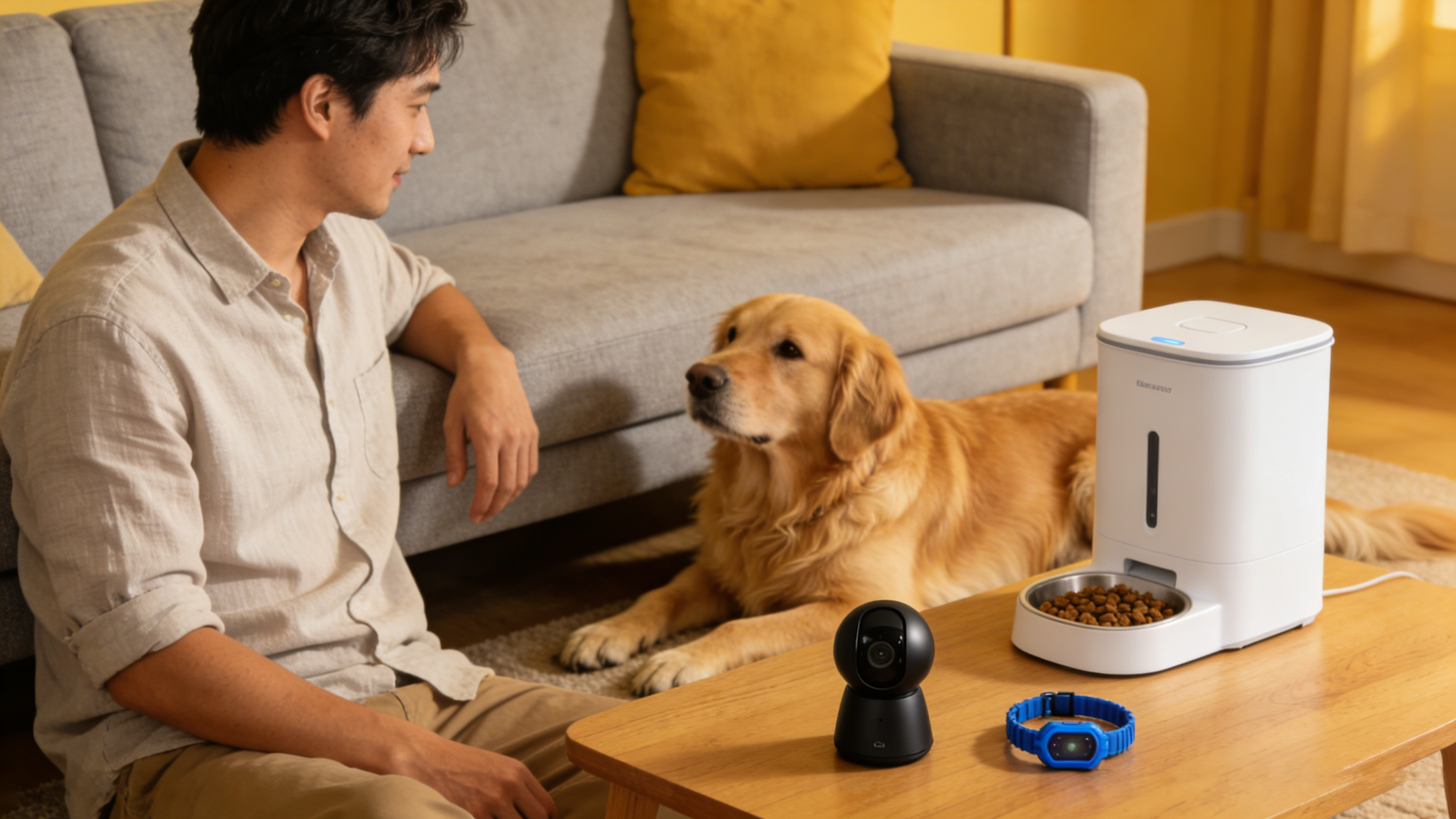
 The relationship between humans and their pets is undergoing a digital revolution. Fueled by a combination of deeper emotional bonds, increased disposable income, and the proliferation of smart home technology, the pet care industry has exploded with innovative gadgets. No longer are pets simply fed and walked; their health, safety, and entertainment are now managed with the same technological sophistication we apply to our own lives. This article explores the burgeoning world of pet tech, categorizing the key gadgets, analyzing their benefits and drawbacks, and offering guidance on integrating them into modern pet care routines.
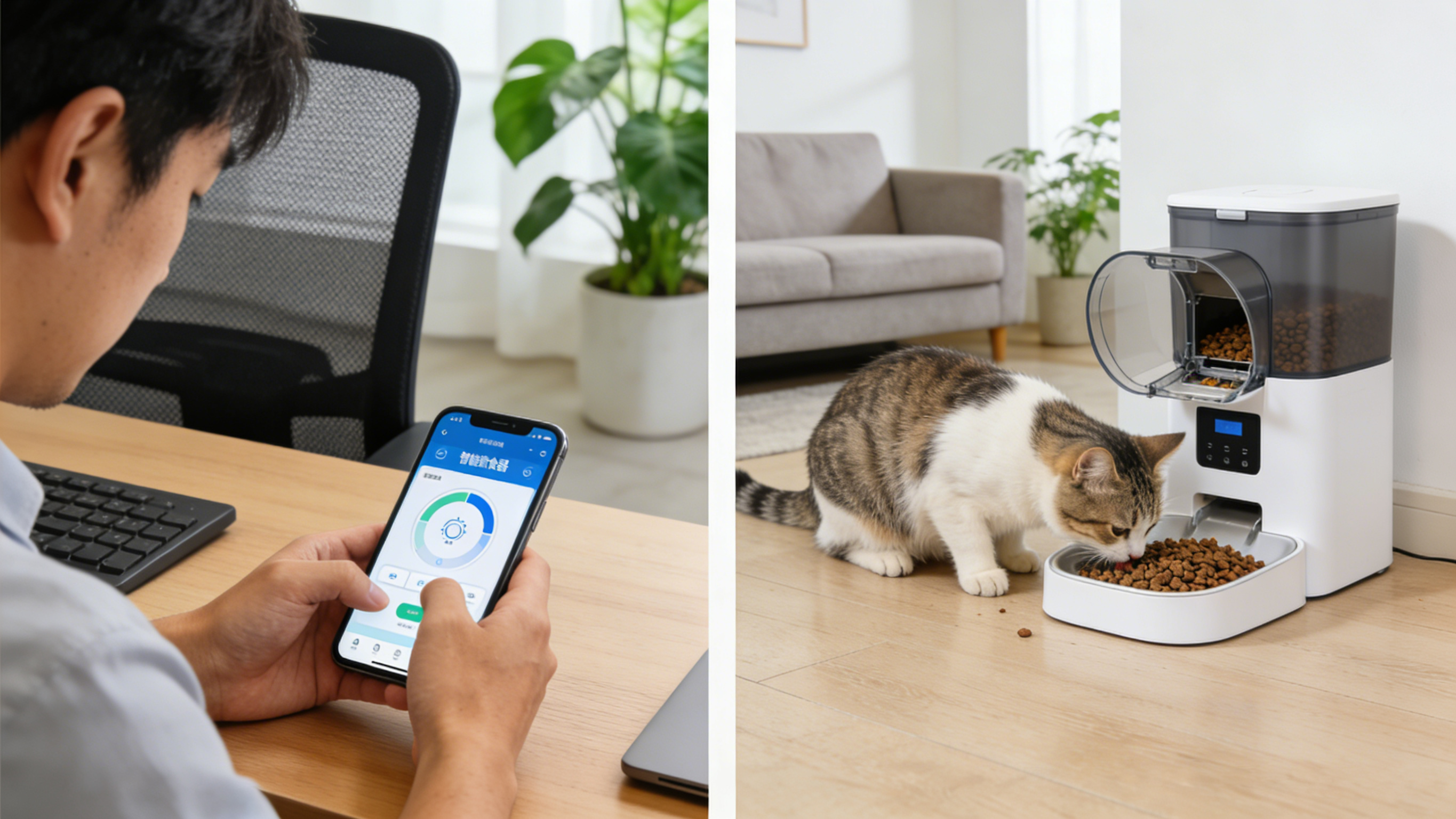
📊 Smart Feeding Solutions: Never Miss a Meal
Automated and connected feeders have moved far beyond simple timers. Today's smart feeders offer precise control over a pet's diet, a crucial tool for managing weight, medication, or multi-pet households.
Types of Smart Feeders
1. Basic Automated Feeders: These devices dispense pre-portioned meals at set times.
- How they work: A rotating carousel or trapdoor releases kibble from compartments on a programmed schedule.
- Best for: Owners with consistent daily routines who need to ensure their pet is fed on time.
2. Wi-Fi/App-Connected Feeders: The cornerstone of modern pet tech feeding.
- How they work: Connect to your home Wi-Fi, allowing you to schedule feedings, manually dispense food via smartphone app, and receive notifications.
- Advanced features: Built-in cameras for live viewing, two-way audio, and personalized meal recordings.
3. Specialized Feeders:
- Slow Feeders: Designed with maze-like patterns to slow down fast eaters, aiding digestion and preventing bloat.
- Microchip/Selective Feeders: Only open for a specific pet wearing a compatible RFID tag, perfect for keeping pets on separate diets.
👍 Advantages of Smart Feeders
- Consistency & Routine: Maintains a strict feeding schedule, beneficial for pets with medical conditions like diabetes.
- Portion Control: Precisely measures food, aiding in weight management and preventing overfeeding.
- Remote Management: Feed your pet from anywhere, providing peace of mind during long days or unexpected delays.
- Multi-Pet Household Management: Selective feeders ensure each pet eats only its designated food.
👎 Disadvantages & Considerations
- Power & Connectivity Dependence: Requires a constant power source and, for smart models, a stable Wi-Fi connection. A power outage can disrupt feeding.
- Mechanical Failures: Moving parts can jam, especially with certain food shapes or if not cleaned regularly.
- Cost: High-end models with cameras and connectivity can be a significant investment.
- Not for All Food Types: Most are designed for dry kibble; few handle wet food effectively without frequent cleaning.
🧭 GPS & Location Trackers: Peace of Mind on the Go
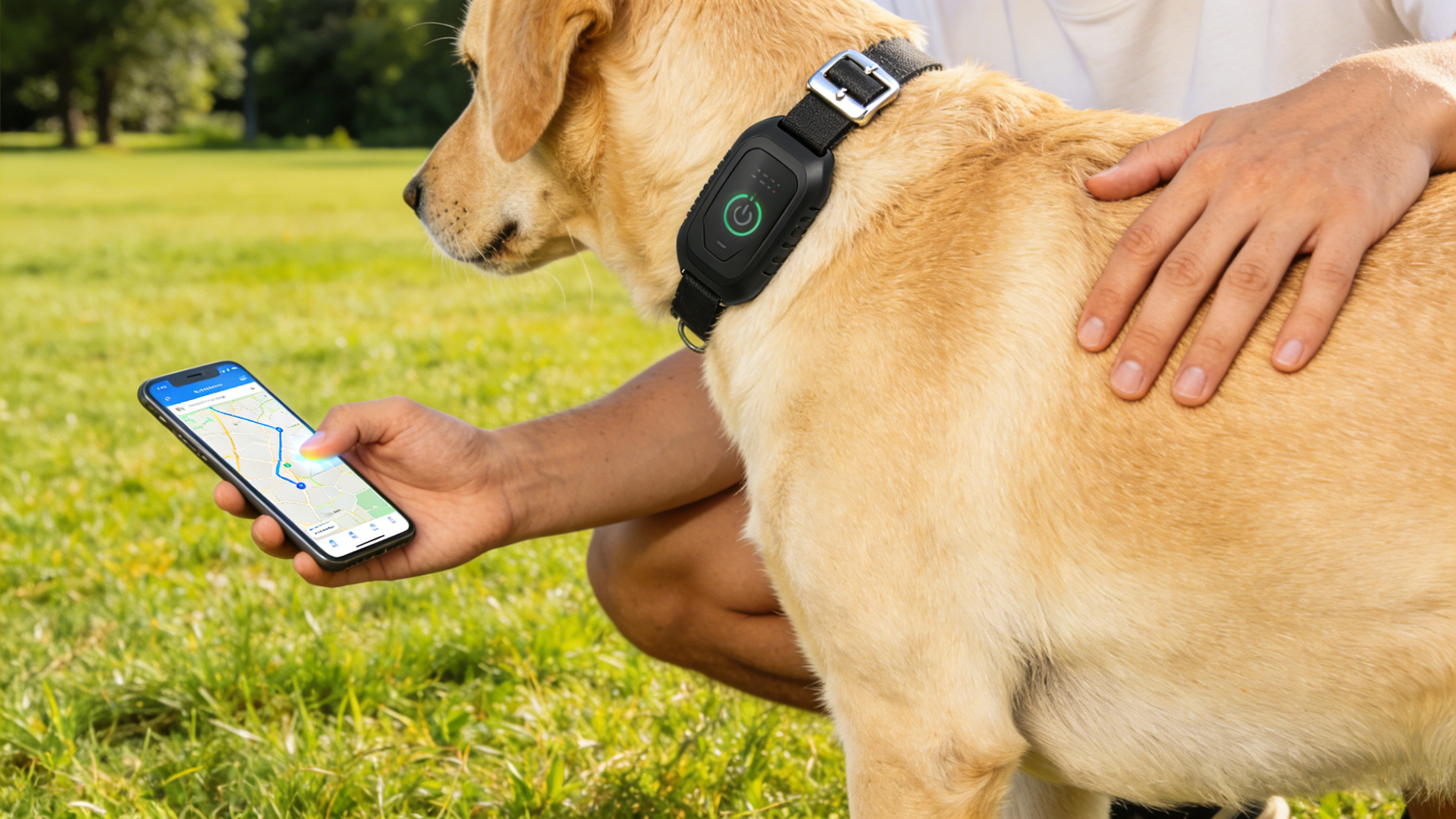
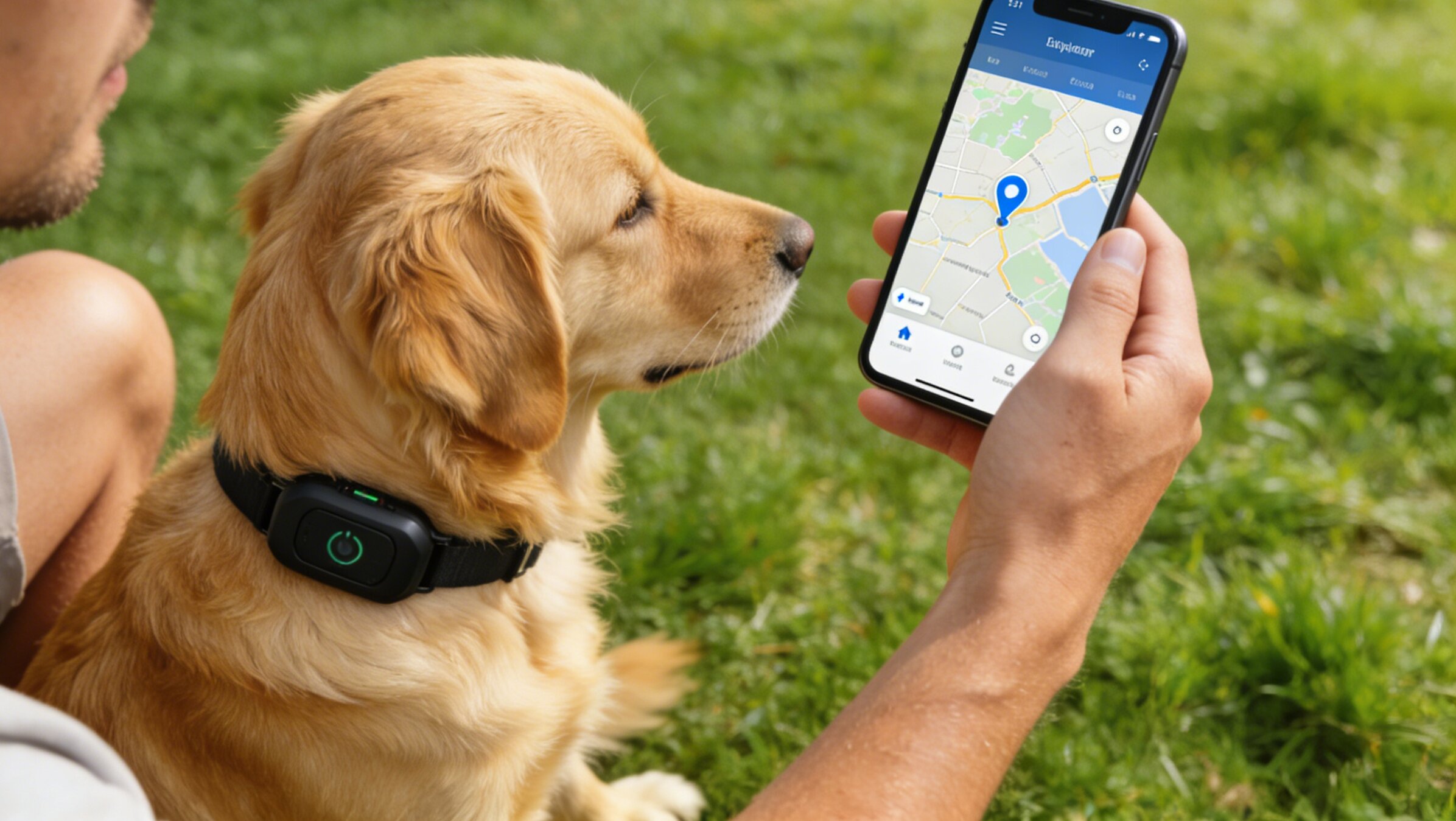
For adventurous pets or escape artists, location technology has become indispensable. Modern pet trackers utilize GPS, cellular networks, and Bluetooth to keep you informed of your pet's whereabouts.
Primary Tracking Technologies
1. GPS Trackers (Cellular/NB-IoT):
- How they work: Use satellite GPS to determine location and cellular networks (like a smartphone) to transmit that data to your app. Offer near-real-time tracking over vast, unlimited ranges.
- Key Feature: Create "safe zones" (geofences) and get alerts if your pet leaves the area.
2. Bluetooth Trackers:
- How they work: Rely on proximity to a smartphone network (like Apple's Find My or Tile). Range is limited (typically 30-400 feet).
- Best for: Finding a pet hiding in the house, under furniture, or in a nearby backyard—not for long-distance recovery.
3. Radio Frequency (RF) Trackers:
- How they work: Use a dedicated handheld receiver to pick up a signal from the pet's tag. No cellular subscription needed.
- Best for: Hiking or hunting in areas with no cellular coverage; requires active searching with the receiver.
👍 Advantages of Pet Trackers
- Rapid Recovery: Drastically reduces the time and stress of finding a lost pet, especially in unfamiliar areas.
- Activity Monitoring: Many trackers also log distance traveled, active minutes, and rest periods, providing insights into health and behavior.
- Geofencing Alerts: Proactive notifications can prevent a pet from becoming lost in the first place.
- Deterrent to Theft: Visible trackers can act as a deterrent against pet theft.
👎 Disadvantages & Considerations
- Subscription Fees: Most cellular GPS trackers require a monthly or annual service plan.
- Battery Life: Varies widely (from days to months) and requires regular recharging or battery replacement.
- Size & Weight: Must be appropriate for the pet's size; some can be bulky for very small cats or dogs.
- Coverage Limitations: Cellular trackers are useless in areas with no signal; GPS can be inaccurate in dense urban areas or indoors.

❤️ Health & Wellness Monitors: Proactive Veterinary Care
This category represents the most significant leap in pet tech, moving from reactive to proactive healthcare. These devices collect biometric data to help owners and veterinarians spot trends and potential issues early.
Key Monitoring Devices
1. Smart Collars & Tags:
- Function: Beyond tracking, they monitor activity levels (play, rest, steps), sleep patterns, and sometimes skin temperature.
- Goal: Establish a baseline of "normal" behavior; deviations can signal illness, pain, or anxiety.
2. Dedicated Health Monitors:
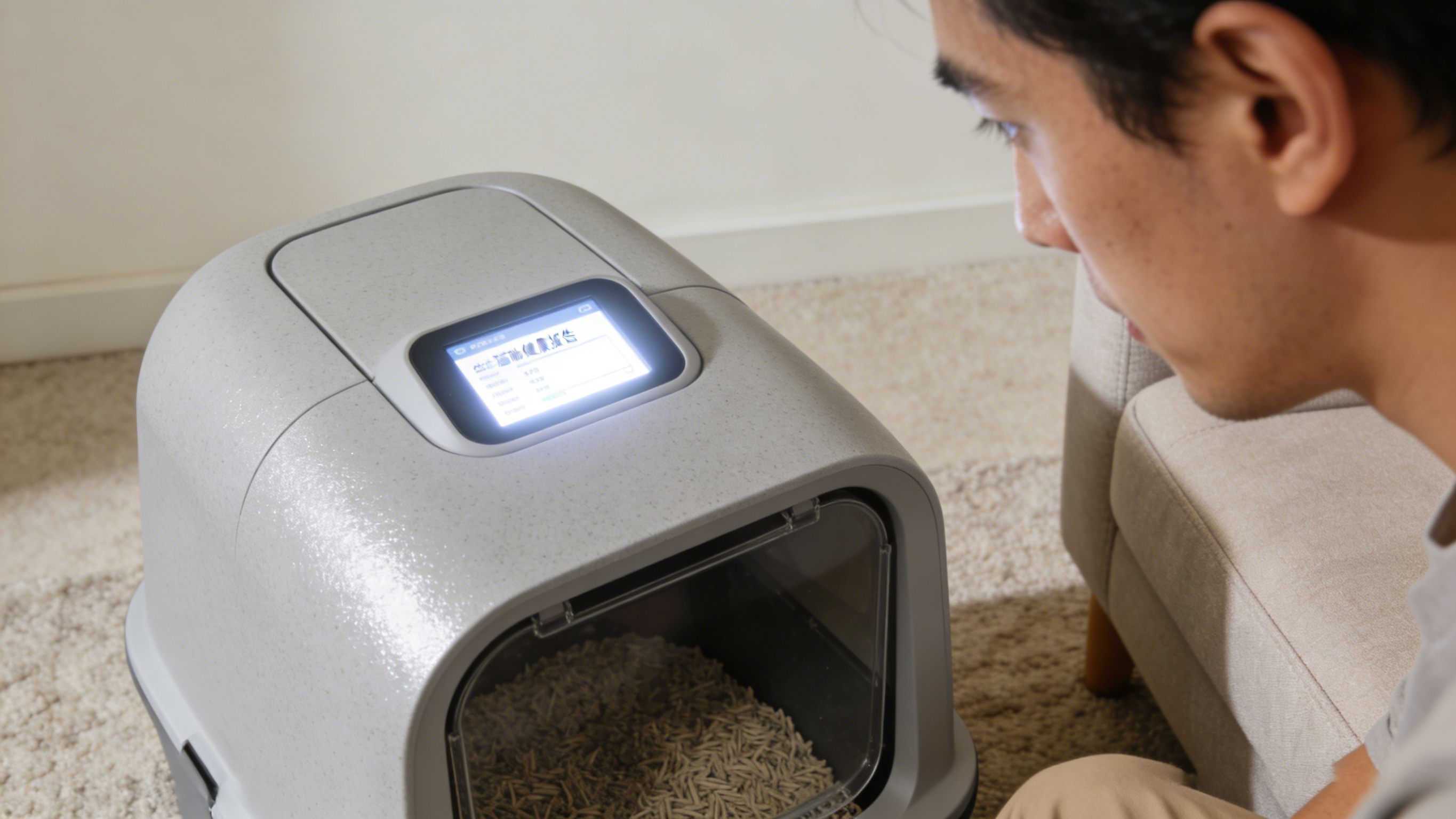
- Examples: Smart litter boxes that analyze urine frequency and chemistry; smart scales that track weight trends; at-home blood pressure monitors.
- Veterinary Integration: Some allow data to be seamlessly shared with your vet for remote consultations.
3. Camera-Based Analysis:
How it works:
- Advanced pet cameras use AI to not just show you your pet, but to interpret their behavior—identifying scratching, licking, head-shaking, or changes in gait that may indicate a problem.
👍 Advantages of Health Monitors
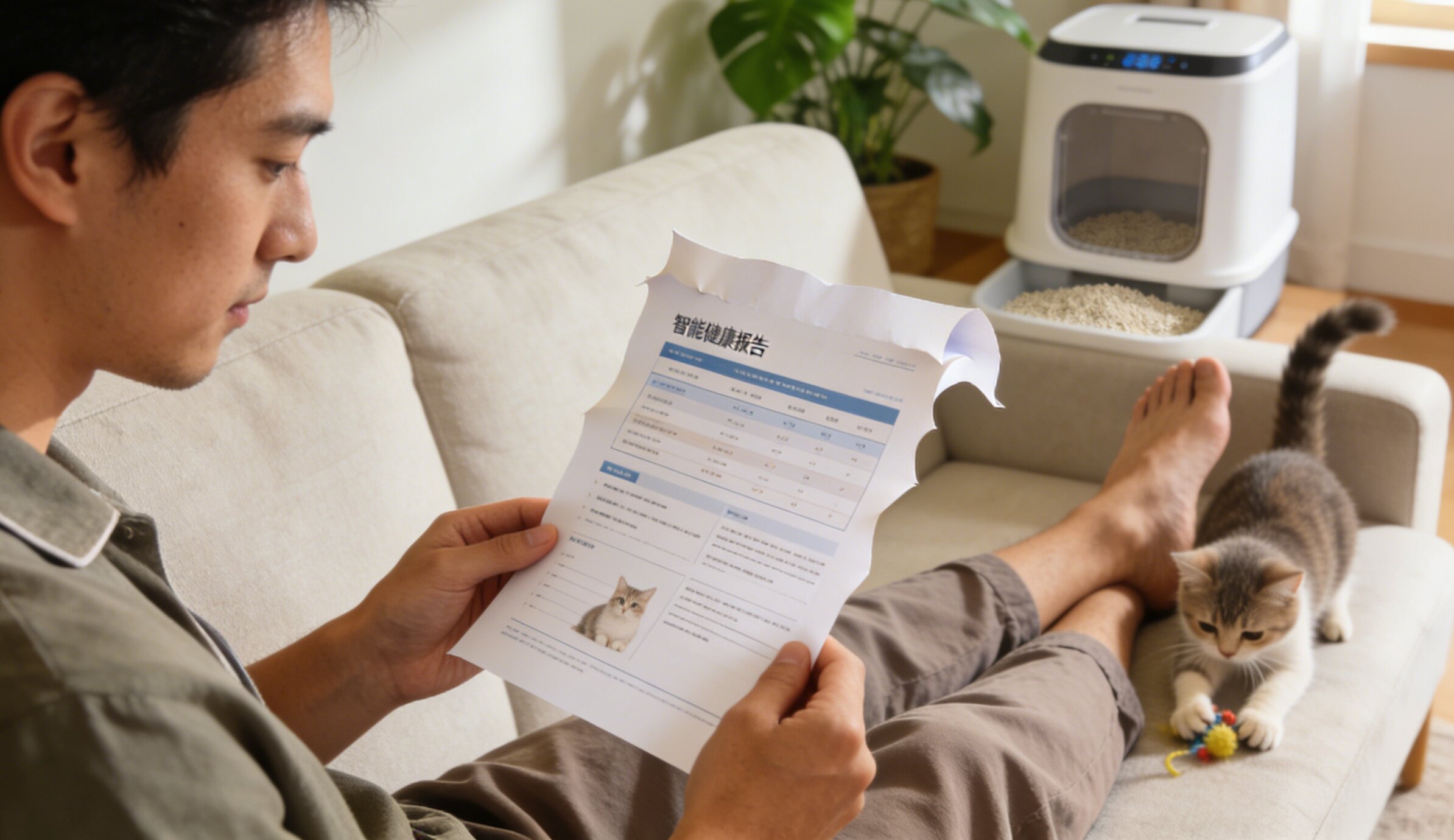
- Early Disease Detection: Subtle changes in activity, sleep, or weight can be early warning signs for conditions like arthritis, diabetes, or kidney disease.
- Objective Data for Vets: Provides vets with quantifiable, long-term data rather than just a snapshot from an office visit.
- Manages Chronic Conditions: Helps owners monitor the effectiveness of treatments for ongoing issues.
- Reduces Anxiety: For owners of senior or sick pets, data provides reassurance or prompts timely action.
👎 Disadvantages & Considerations
- Data Overload & Accuracy: Can generate anxiety over normal fluctuations. Not all consumer-grade devices are medically accurate.
- High Cost: Specialized health monitors are among the most expensive pet tech gadgets.
- Not a Replacement for a Vet: Can create a false sense of security. They are diagnostic aids, not diagnostic tools. A vet's clinical assessment is irreplaceable.
- Privacy Concerns: Sensitive health data is stored in the cloud, raising questions about data security and ownership.

🎮 Entertainment & Interaction: Combatting Boredom Remotely
Pet tech isn't all about logistics and health; it's also about enrichment. Interactive gadgets help stimulate a pet's mind and body, preventing destructive behaviors born from boredom and separation anxiety.
Types of Interactive Gadgets
1. Treat-Dispensing Cameras:
- Function: Combine a camera, microphone, speaker, and a treat launcher. You can see, talk to, and toss treats to your pet from your phone.
- Benefit: Provides mental stimulation and positive reinforcement, strengthening the bond even when you're away.
2. Automated Laser Pointers & Moving Toys:
- Function: Programmable devices that create unpredictable light patterns or movements to engage a cat's (or some dogs') prey drive.
- Caution: Should always end with a "catch," like a treat, to prevent frustration.
3. Puzzle Feeders & Smart Toys:
- Function: Non-electronic puzzles or app-controlled toys that require problem-solving to get food or continue play.
- Benefit: Excellent for slowing down eaters and providing essential mental exercise.
🔒 Safety & Comfort Tech: Creating an Ideal Environment
This category focuses on enhancing the pet's immediate environment for their safety and well-being.
Key Safety & Comfort Gadgets
- Smart Dog Doors: Use a sensor on your pet's collar to unlock only for them, keeping other animals out.
- Pet-Specific Thermostats & Monitors: Track temperature and humidity in your pet's favorite rooms, sending alerts if conditions become dangerous.
- Smart Pet Beds: Monitor sleep quality and duration, and some even offer warming or cooling features.
- Water Quality Monitors: Smart fountains track water consumption and filter life, encouraging hydration.
🤔 How to Choose the Right Pet Tech for You
With so many options, selection can be overwhelming. Follow this decision framework.
Step 1: Identify Your Core Need
- Is it convenience (automated feeding)?
- Is it safety (preventing loss)?
- Is it health (managing a condition)?
- Is it enrichment (curbing boredom)?
Step 2: Consider Your Pet's Profile
- Size & Behavior: Will your pet tolerate wearing a tracker or collar? Is the device appropriately sized?
- Age & Health: A senior pet may benefit more from a health monitor, while a young, energetic one might need a GPS tracker.
- Personality: Is your pet tech-savvy or easily frightened by new sounds and devices?
Step 3: Evaluate Practicalities
- Budget: Include upfront costs and any ongoing subscriptions.
- Tech Ecosystem: Does it work with your smartphone's OS? Does it integrate with your other smart home devices?
- Reviews & Reliability: Read independent reviews focusing on battery life, connectivity, and durability.
🚀 The Future of Pet Tech
The trajectory points towards deeper integration, predictive analytics, and enhanced AI.
- Advanced Biometrics: Future wearables may non-invasively monitor glucose levels, hydration, or biomarkers for stress.
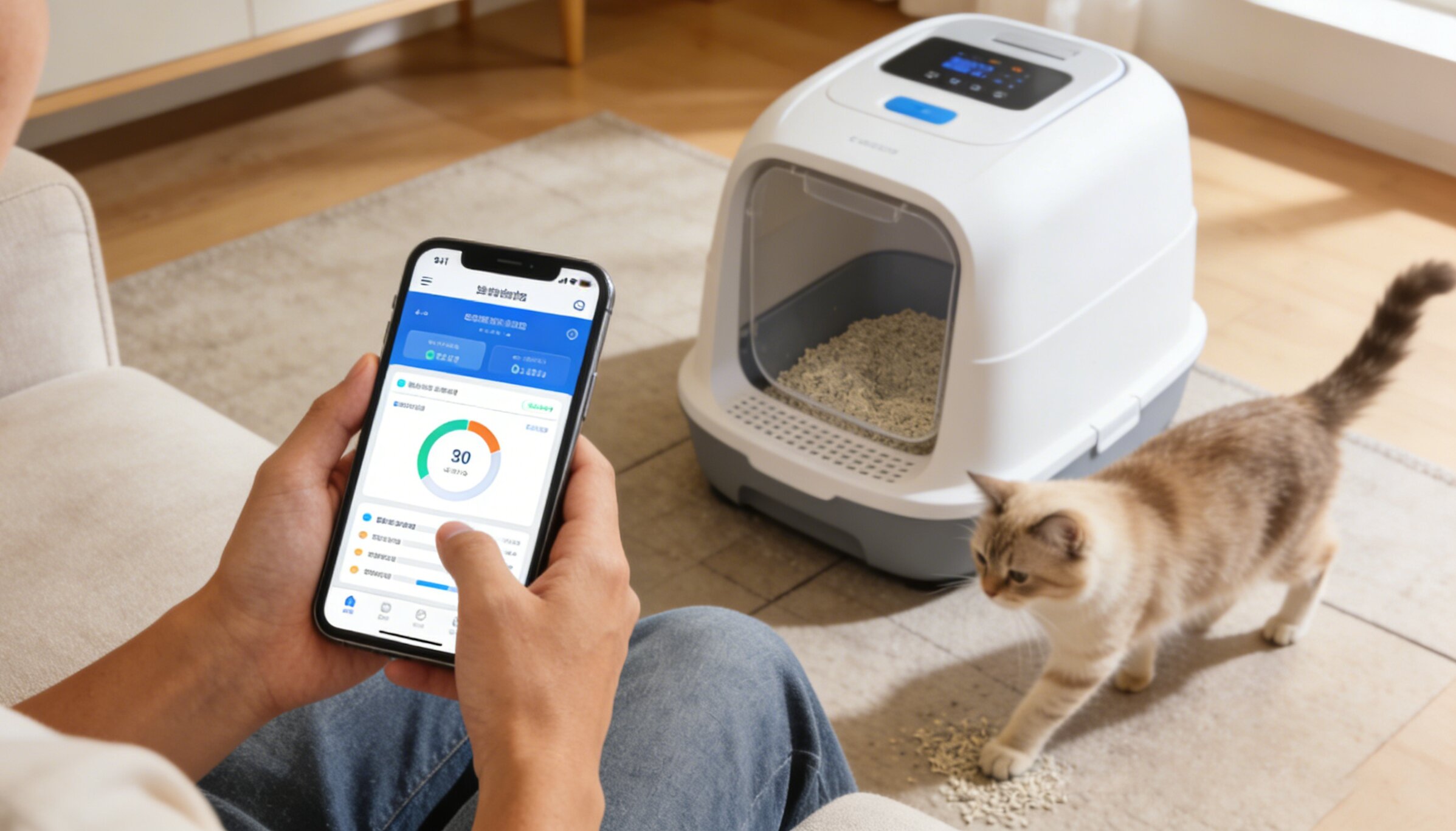
- Predictive AI & Vet-Link: Algorithms will analyze combined data from feeders, trackers, and cameras to predict health events (e.g., "Urine analysis suggests a potential UTI; recommend a vet visit.") and book appointments automatically.
- Immersive Interaction: More sophisticated two-way communication, perhaps integrating with home robots for physical interaction and play.
- Personalized Nutrition: Smart feeders that sync with DNA-test kits or ongoing health data to dispense customized food blends.
Conclusion: A Tool, Not a Replacement
The rise of pet tech offers unprecedented tools to enhance the quality of life for our companion animals. From ensuring dietary consistency and safety to enabling early health interventions and providing remote companionship, these gadgets address real concerns of the modern pet owner. However, it is crucial to remember that technology is an aid, not a substitute for responsible ownership. No gadget can replace the fundamental needs of love, direct interaction, and the professional care of a veterinarian. The most effective modern pet care strategy will thoughtfully integrate useful technology with the irreplaceable elements of attention, training, and heartfelt bonding. By doing so, we can leverage innovation to build even stronger, healthier, and more fulfilling relationships with our beloved pets.