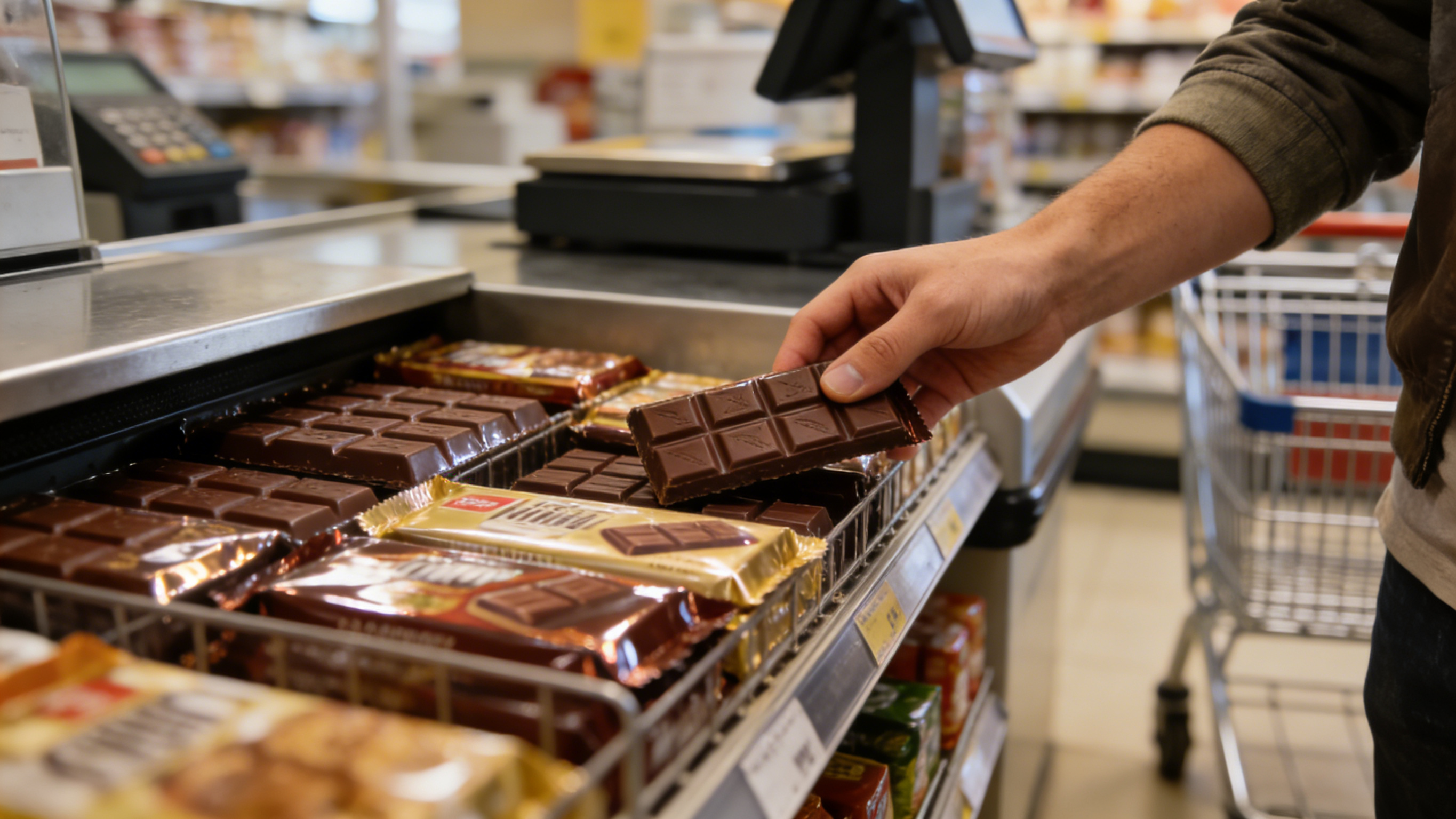
That unplanned item in your shopping cart—the scented candle by the checkout, the flashy "limited edition" sneaker, the chocolate bar strategically placed at eye level—wasn't an accident. It was the result of a sophisticated, multi-layered orchestration between retail science and the inherent quirks of your own mind. Impulse buying is a powerful economic force, accounting for a significant percentage of all retail sales. But beyond the economic transaction lies a fascinating psychological duel. This article delves into the hidden mechanisms, explaining how external triggers from stores seamlessly align with internal brain processes to bypass your rational deliberation and prompt that spontaneous "Add to Cart" click.

🤯 The Brain's Role: Why We're Wired for Impulse
Before blaming the store, it's crucial to understand the accomplice within: your brain. Our decision-making isn't always a slow, logical process. Often, it's a battle between two systems, and marketers are experts at appealing to the faster, more emotional one.
The Dual-System Theory: Rider vs. Elephant
Psychologists often describe the mind as having two systems:
- The Reflective System (The Rider): This is your conscious, analytical mind. It's slow, effortful, and logical. It considers budgets, needs, and long-term consequences.
- The Automatic System (The Elephant): This is your intuitive, emotional, and habitual mind. It's fast, reactive, and driven by feelings, senses, and immediate rewards.
An impulse buy occurs when the Automatic System (the elephant) bolts, overpowering the Reflective System (the rider). Stores create environments that excite the elephant and distract the rider.
Key Psychological Triggers in the Brain
Several innate psychological principles make us susceptible:
- The Pleasure Principle: The brain's reward system (releasing dopamine) is activated not just by acquiring the item, but by the *anticipation* of the reward during the browsing or buying process.
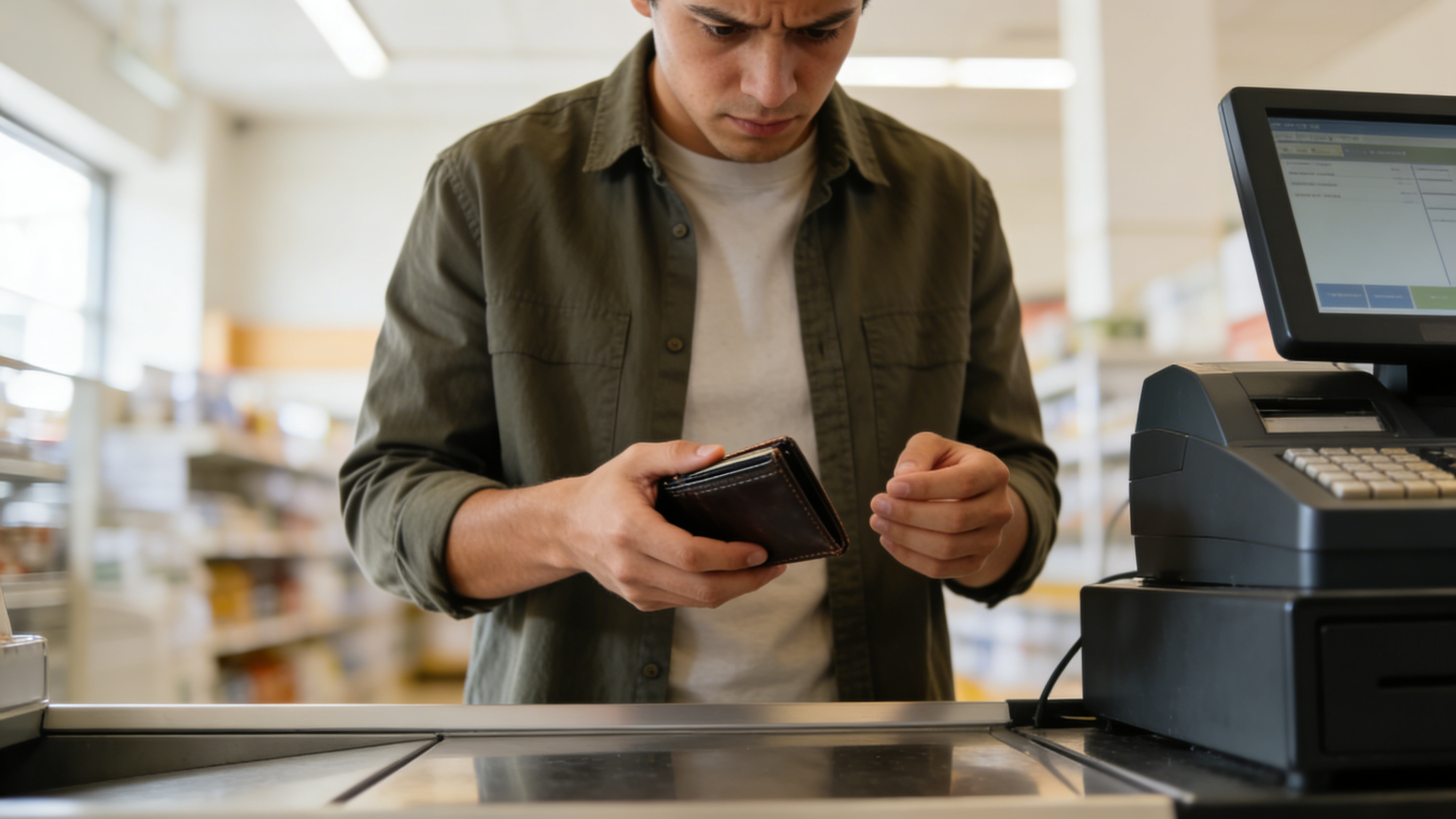
- Pain of Paying: Paying with cash feels more "painful" than swiping a card or clicking "Buy Now with 1-Click." Digital and contactless payments reduce this friction, making spending feel less real.
- Self-Control Depletion (Ego Depletion): Willpower is a finite resource. After a long day of making decisions or resisting temptations, your rider is tired, making the elephant much harder to control in a store.
🛍️ The Store's Arsenal: Environmental & Tactical Tricks
Retailers and website designers are master behavioral architects. They meticulously craft every element of the shopping experience to trigger those automatic brain responses.
🏬 The Physical Store Layout & Atmosphere
Every square foot is planned:
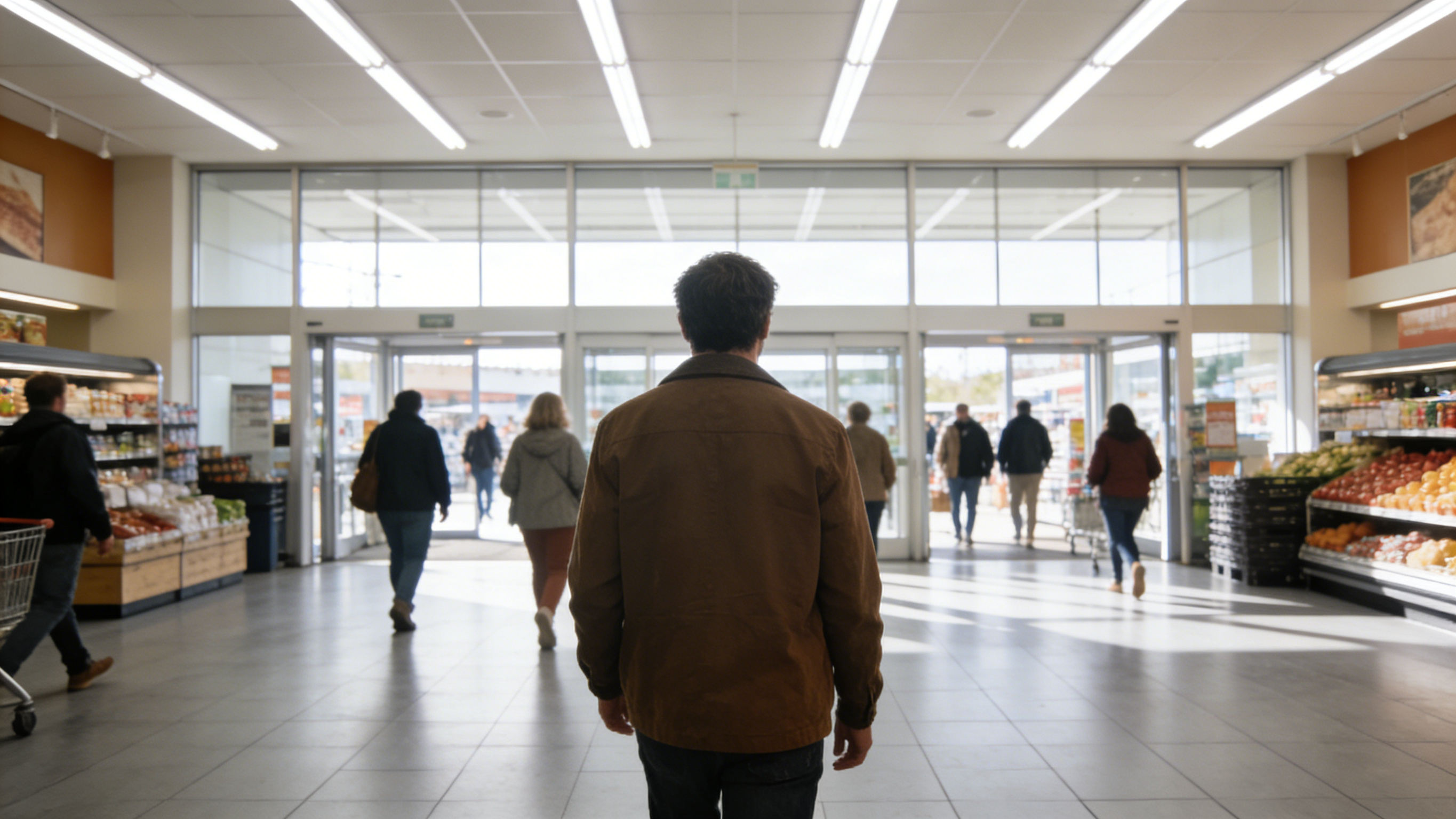
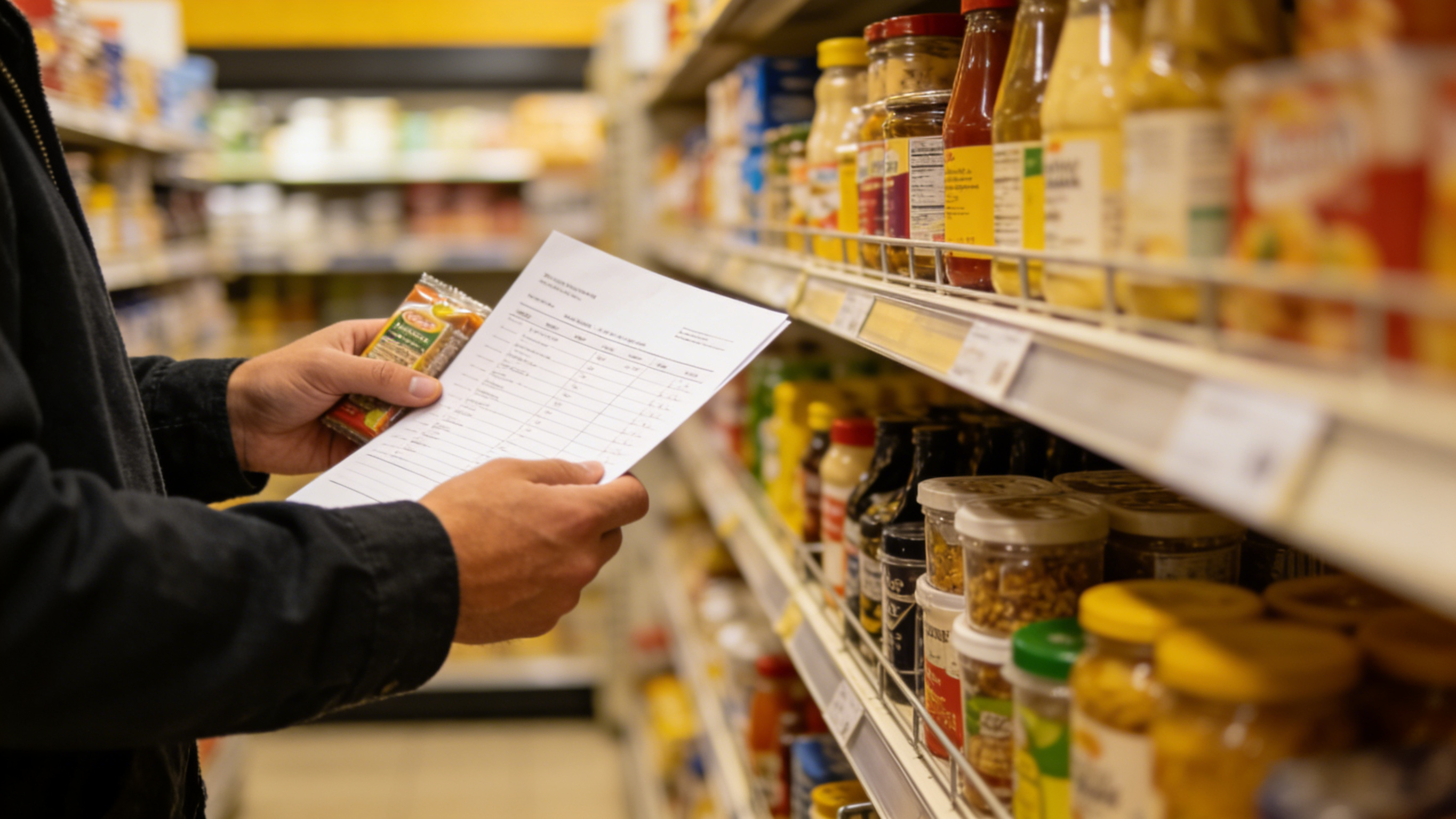
- The Decompression Zone: The entrance area is often left empty to allow you to transition from the outside world and adjust to the store's sensory environment (music, lighting, scent).
- Strategic Product Placement:
- Endcaps: The displays at the end of aisles are prime real estate for high-margin or impulse items because they interrupt your planned path.
- Checkout Lines: A final gauntlet of small, tempting, low-cost items (gum, magazines, batteries) when your willpower is lowest after a long shop.
- Eye-Level is Buy-Level: More expensive or target items are placed at adult eye level, while cheaper alternatives are higher or lower.
- Sensory Marketing:
- Scents: Bakeries near entrances (comforting), fresh scent in clothing stores (cleanliness).
- Music: Slow tempo music encourages slower browsing and more time in store.
- Lighting & Spacing: Bright, focused lighting on products, spacious aisles to reduce stress and encourage exploration.
💻 The Digital Storefront: E-commerce & App Design
Online, the tricks are virtual but equally potent:
- Frictionless Design:
- Saved payment details and one-click purchasing eliminate steps between desire and ownership.
- Progress bars on checkouts ("2 more steps to complete!") create a commitment loop.
- Social Proof & Urgency Cues:
- "12 people have this in their cart right now" (scarcity + social validation).
- "Only 3 items left in stock!" or "Sale ends in 02:15:47" (artificial scarcity and fear of missing out—FOMO).
- Personalization & Retargeting:
- Algorithmic "Recommended for You" sections that feel uniquely tailored.
- Ads that follow you across the web for an item you viewed but didn't buy (the "remarketing pixel").

💰 Psychological Pricing & Presentation Strategies
How a price is framed is often more important than the price itself.
The Magic of ".99" and Charm Pricing
While well-known, it's remarkably effective. $9.99 feels categorically cheaper than $10.00 because our brain processes the left digit first. This is "left-digit effect."
Decoy Pricing and Anchoring
- Anchoring: Showing a high "Original Price" ($199) next to the "Sale Price" ($129) makes the sale price seem like a great deal, using the first number as an anchor.
- The Decoy Effect: Offering three choices where one is clearly inferior makes one of the other two look more attractive.
- Small popcorn: $5
- Large popcorn: $8 (The Target)
- Medium popcorn: $7.50 (The Decoy, making the Large seem like superior value)
Bundling and "Free" Shipping
The word "free" is psychologically powerful. A $50 item with $10 shipping feels more expensive than a $60 item with "FREE" shipping. Bundling products together also obscures individual value and creates the perception of getting more for a single price.
🛡️ How to Fight Back: Strategies for the Conscious Consumer
Knowing the tricks is the first step to disarming them. Here’s how to strengthen your "rider" and calm the "elephant."
🛒 Pre-Commitment Strategies
- Use a Shopping List (and Stick to It): This activates your reflective system before you enter the environment. For online shopping, fill your cart but impose a 24-hour waiting rule before purchasing.
- Set a Budget and Use Cash: The tangible pain of paying with physical cash can rein in impulse spending. For online, consider using a prepaid debit card with a set amount.
- Don't Shop When Vulnerable: Avoid shopping when you're tired, hungry, sad, or after a difficult day—times when your self-control resources are depleted.
🤔 In-the-Moment Mindfulness Techniques
- Implement the 10-Second Rule: Before any unplanned purchase, pause for 10 seconds. Ask yourself: "Do I need this, or do I just want it?" "Where will I put it?" "What will I give up to buy this?"
- Calculate Cost in "Hours of Work": Translate the price into the hours of labor it would take to earn it. This makes the cost more concrete and personal.
- Physically Distance Yourself: In a store, walk away from the item and browse another section. Online, close the tab or app. Break the spell of immediate desire.
⚙️ Modify Your Environment
- Unsubscribe & Unfollow: Unsubscribe from promotional emails and unfollow brands on social media that trigger impulse spending.
- Delete Saved Payment Info: Increase friction by requiring yourself to manually enter card details for each purchase.
- Use Ad Blockers: Reduce exposure to personalized retargeting ads that pull you back in.
Conclusion: Empowerment Through Awareness
Impulse buying is not a character flaw; it's a human vulnerability expertly exploited by a multi-billion dollar industry. The fusion of store design, pricing psychology, and digital manipulation with our brain's hardwired quest for pleasure and avoidance of pain creates a perfect storm for spontaneous spending. By understanding the dual roles—the clever external triggers set by retailers and the predictable internal processes of our own minds—we shift from being passive targets to informed consumers. The goal isn't to never indulge in a spontaneous purchase, but to ensure that when you do, it's a conscious choice, not a cleverly engineered trick. Arm yourself with a list, a pause, and the knowledge of how the game is played, and you reclaim control over your wallet and your decisions.