🔍 What Exactly Is the Price Per Use Rule? 🤔
In a world of endless shopping options and persuasive marketing, deciding what to buy can be overwhelming. The Price Per Use (PPU) Rule is a powerful yet elegantly simple mental model designed to cut through the noise. At its core, it shifts your focus from the upfront sticker price to the long-term cost of ownership. Instead of asking "Is this expensive?", you ask a more revealing question: "How much will this item cost me each time I use it?"
This philosophy is famously embraced by billionaires like Warren Buffett. He applies a similar "cost per wear" logic to his decisions, famously preferring to buy a high-quality, expensive suit that will last for years over a cheap one that needs frequent replacing. The PPU Rule democratizes this smart financial thinking for everyday purchases, from kitchen gadgets and clothing to electronics and furniture.

🧮 How to Calculate Your Price Per Use: A Step-by-Step Guide 🧠
Applying the rule requires a bit of estimation and honesty about your future habits. Here’s how to do it.
📝 The Basic Formula
The fundamental equation is simple:
Price Per Use (PPU) = Total Item Cost / Estimated Number of Uses
A lower PPU means you are extracting more value from your purchase over time, making it a smarter buy.
⚙️ Step 1: Define the "Use"
First, decide what constitutes one "use." This is crucial and varies by item.
- For a coat or pair of shoes: One use is one day of wear.
- For a blender or espresso machine: One use is making one smoothie or coffee.
- For a book or video game: One use could be one hour of engagement.
- For a power tool or piece of furniture: One use is one project or occasion.
🔢 Step 2: Estimate Total Uses Realistically
This is the most challenging but important part. Be brutally honest.
- Consider the item's lifespan: How long will it physically last? A well-made leather bag might last 1,000 days, while a fast-fashion one might last 30.
- Audit your own behavior: How often did you use a similar item you owned? If you used your old stand mixer twice a year, don't fantasize about weekly baking.
- Factor in lifestyle changes: Are you buying hiking boots for a one-time trip or for a new weekly hobby?
➗ Step 3: Do the Math and Interpret
Plug your numbers into the formula. For example:
- A $100 dress worn 5 times: PPU = $20.
- A $300 leather jacket worn 150 times over 5 years: PPU = $2.
Now, assign a value threshold in your mind. Is a single use of this item worth $2? $20? Comparing the PPU to this personal threshold, or to the PPU of alternative options, gives you a clear, numerical basis for your decision.
💡 Practical Applications: Where the PPU Rule Shines ✨
This rule isn't just theoretical; it's a practical tool for common purchasing dilemmas.
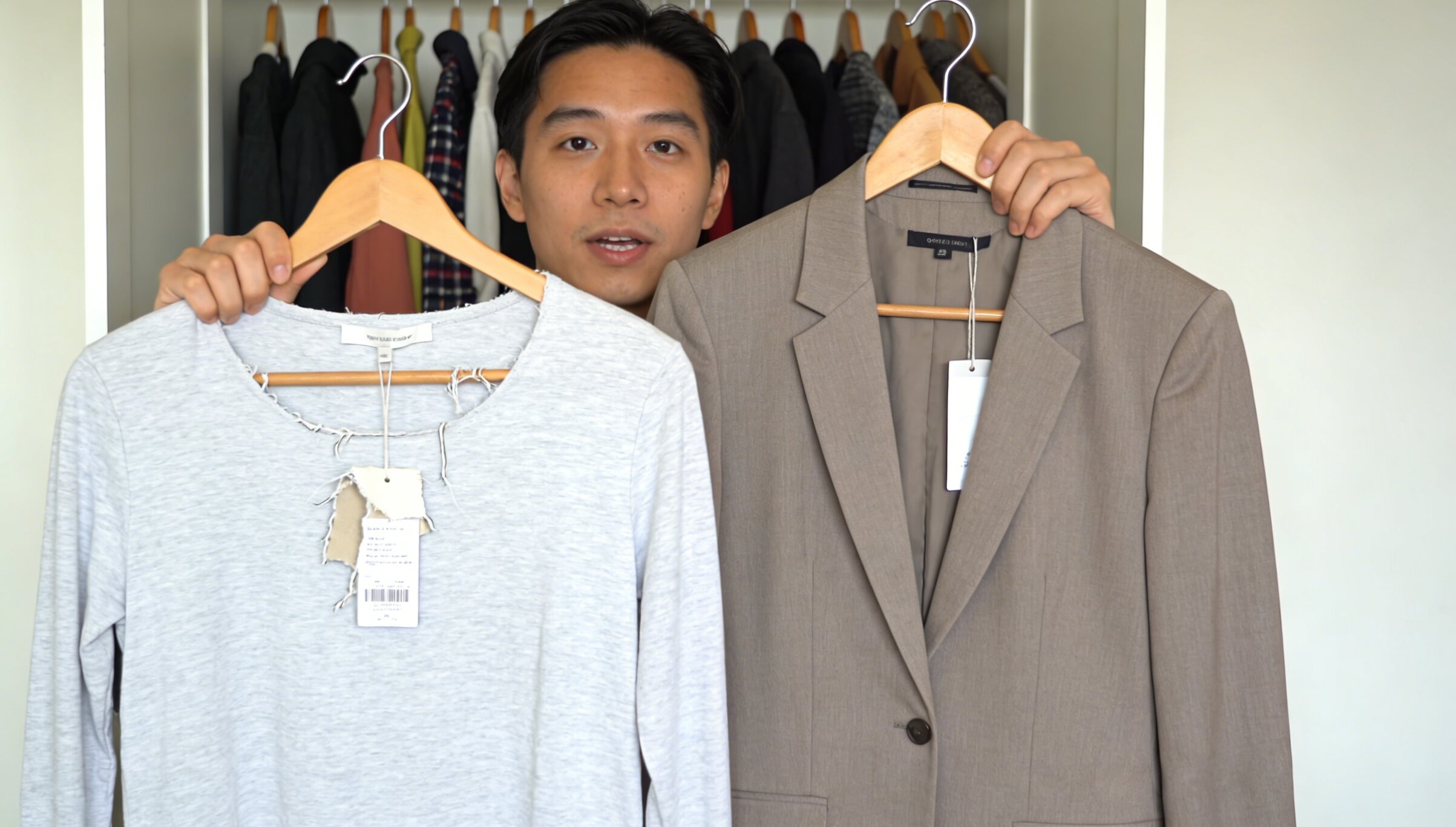
🛍️ Scenario 1: Quality vs. Quantity (The Classic Wardrobe Debate) 👗
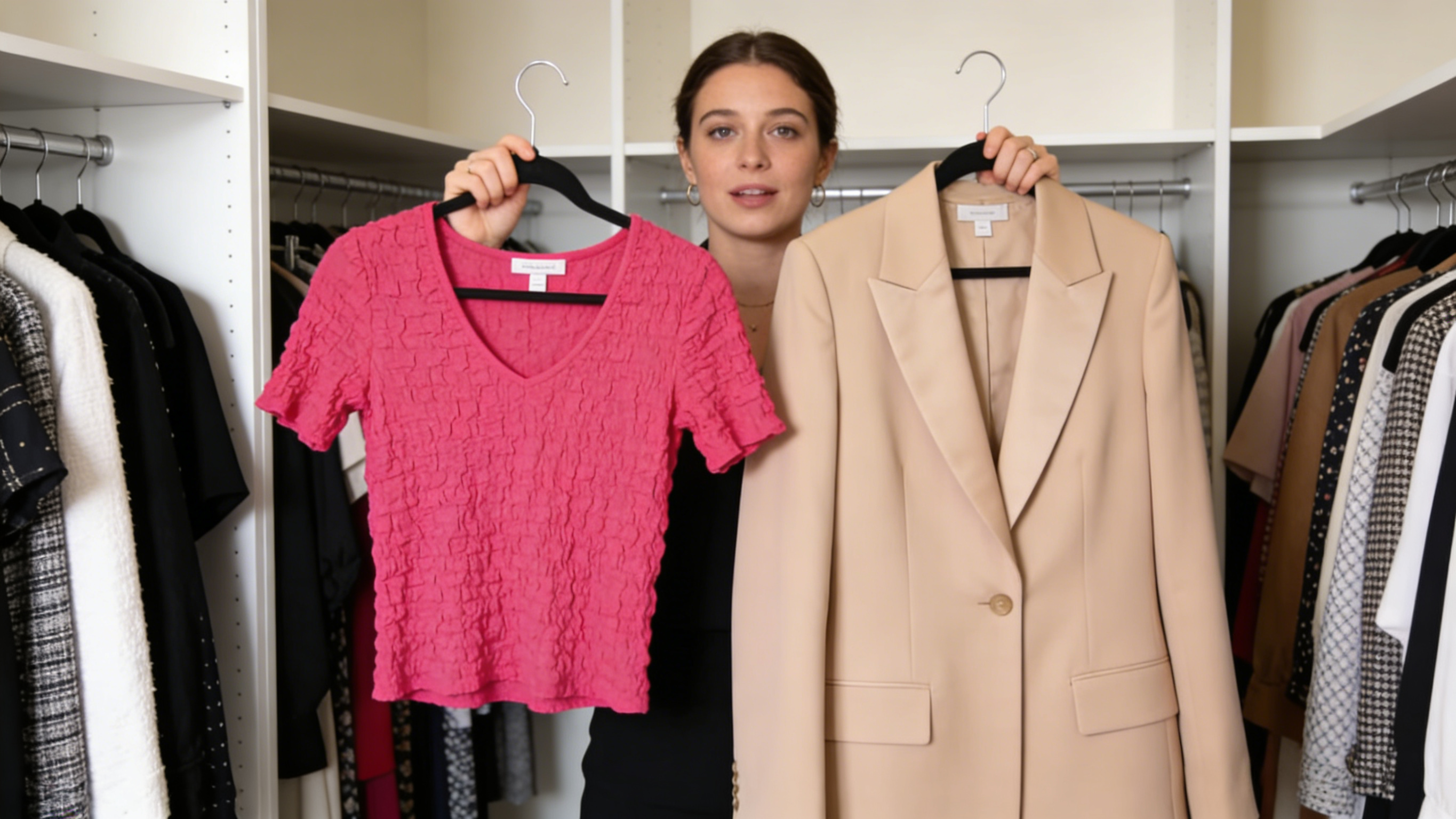
The Dilemma: A $50 "trendy" blouse vs. a $200 "timeless" blouse.
- Trendy Blouse: You might wear it 10 times before it goes out of style or loses shape. PPU = $5.
- Timeless Blouse: You could wear it 100 times over a decade. PPU = $2.
The "expensive" item is actually the better value investment per use.
🏠 Scenario 2: The Kitchen Appliance Test 🍞
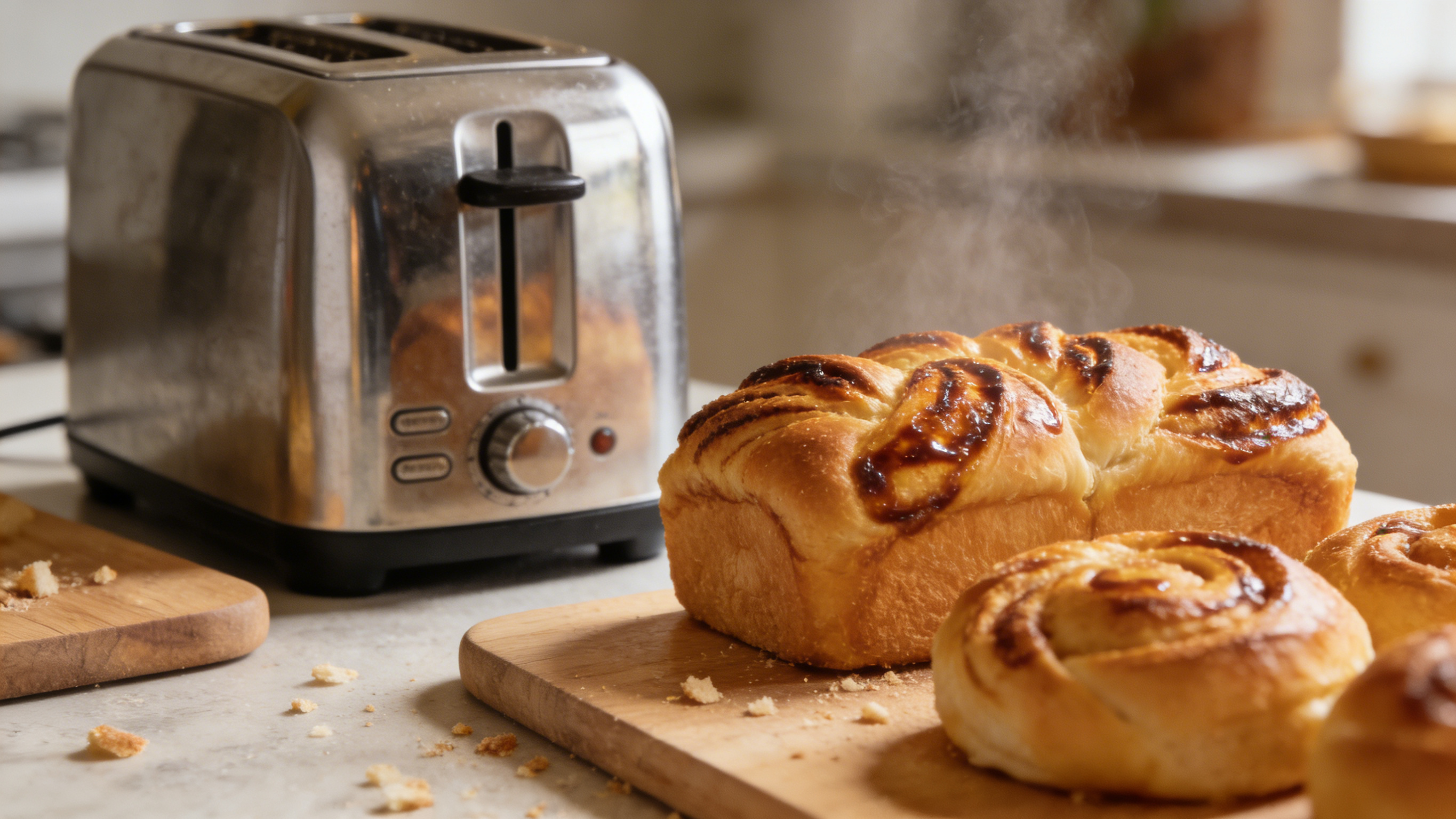
The Dilemma: Should you buy that $400 high-end bread maker?
Estimate: If you bake one loaf per week for two years (104 uses), your PPU is about $3.85. Compare this to buying artisanal bread at $6 per loaf. Not only do you save money per "use," but you also get the hobby and health benefits. If you'll only use it monthly, the PPU jumps to $16.67, making it a harder sell.
🎮 Scenario 3: Electronics & Entertainment 🖥️
The Dilemma: A $70 video game or a $15/month streaming subscription.
- Video Game: If you play for 100 hours, PPU = $0.70 per hour of entertainment.
- Streaming Service: If you watch 30 hours of content per month, PPU = $0.50 per hour.
This quantitative view helps justify expenses that bring genuine joy and engagement.

⚖️ The Advantages & Disadvantages: A Balanced View ⚖️
Like any tool, the PPU Rule has its strengths and limitations.
✅ Advantages (The Pros)
- Promotes Mindful Spending: It forces you to think beyond impulse and visualize long-term utility.
- Justifies Quality Investments: It provides a logical framework for buying durable, well-made items that cost more upfront but less over time.
- Reduces Clutter & Waste: By focusing on items you'll use repeatedly, you naturally buy less frivolous stuff, leading to a more minimalist and sustainable lifestyle.
- Clarifies Value Perception: It turns an abstract feeling of "worth" into a concrete, comparable number.
❌ Disadvantages (The Cons & Pitfalls)
- Relies on Honest Forecasting: The biggest weakness is our human tendency to overestimate future use ("I'll totally go to the gym every day!").
- Can't Capture All Value: It struggles with items where value isn't in "uses." What's the PPU of a family heirloom, a piece of art, or an emergency tool you hope never to use?
- Potential for Justification: It can be misused to rationalize an expensive purchase by inflating the estimated number of uses unrealistically.
- Ignores Time Value of Money: The basic model doesn't account for the opportunity cost of tying up money in a purchase now.

🔄 PPU vs. Other Spending Philosophies 🔄
The PPU Rule is one lens among many. Here’s how it compares.
📉 PPU vs. The "Cheapest Option" Mentality
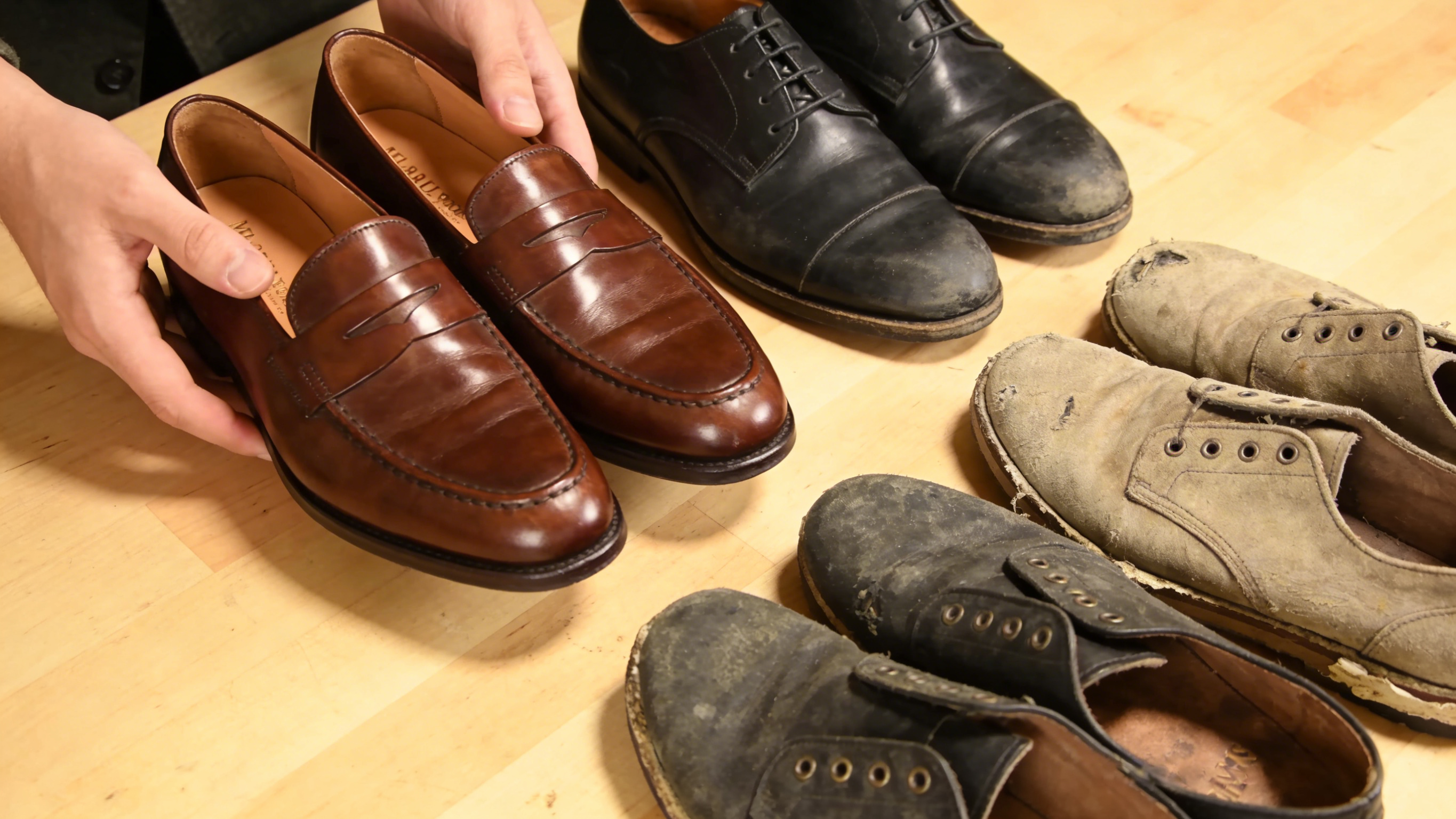
The cheap option focuses only on initial outlay. PPU argues that a $30 pair of shoes worn out in 3 months (PPU high) is more "expensive" than a $120 pair that lasts two years (PPU low). PPU champions life-cycle cost.
❤️ PPU vs. The "Joy-Per-Dollar" Method
Popularized by influencers, this method asks how much joy an item brings. While subjective, it complements PPU. A vinyl record might have a high PPU if you only listen once, but if it brings immense joy, it's still worth it. Combining both—low PPU * high joy—is the ultimate win.
📊 PPU vs. Strict Budgeting
Budgeting tells you if you can afford something now. PPU helps you decide if you should buy it based on future value. They are best used together: stay within your budget category, then use PPU to choose the most strategic item within that limit.
🚀 Pro Tips for Mastering the Price Per Use Rule 🏆
- Start with High-Impact Categories: Apply PPU first to frequent purchases like outerwear, work bags, daily shoes, and major appliances.
- Use the "One-Week Test": Before calculating, wait a week. Often, the desire fades, proving the estimated "uses" would have been low.
- Factor in Resale Value: For costly items (e.g., high-end tools, designer goods), subtract the estimated future resale value from the "Total Item Cost" in your formula. This can dramatically lower the PPU.
- Be Conservative: When in doubt, halve your estimated number of uses. If the PPU still seems acceptable, it's a very safe buy.

🎯 Final Verdict: Is It Worth It? The PPU Bottom Line
The Price Per Use Rule is not a rigid law but an exceptionally useful filter for smarter consumption. It won't make every decision for you, but it will provide a clear, logical framework that exposes the true cost of ownership. By training yourself to think in terms of value over time, you naturally gravitate towards purchases that are more durable, sustainable, and ultimately more satisfying. It empowers you to spend more confidently on things that matter and cut waste on things that don't. In the end, it’s a simple trick that helps ensure your money is always working as hard for you as you worked for it.