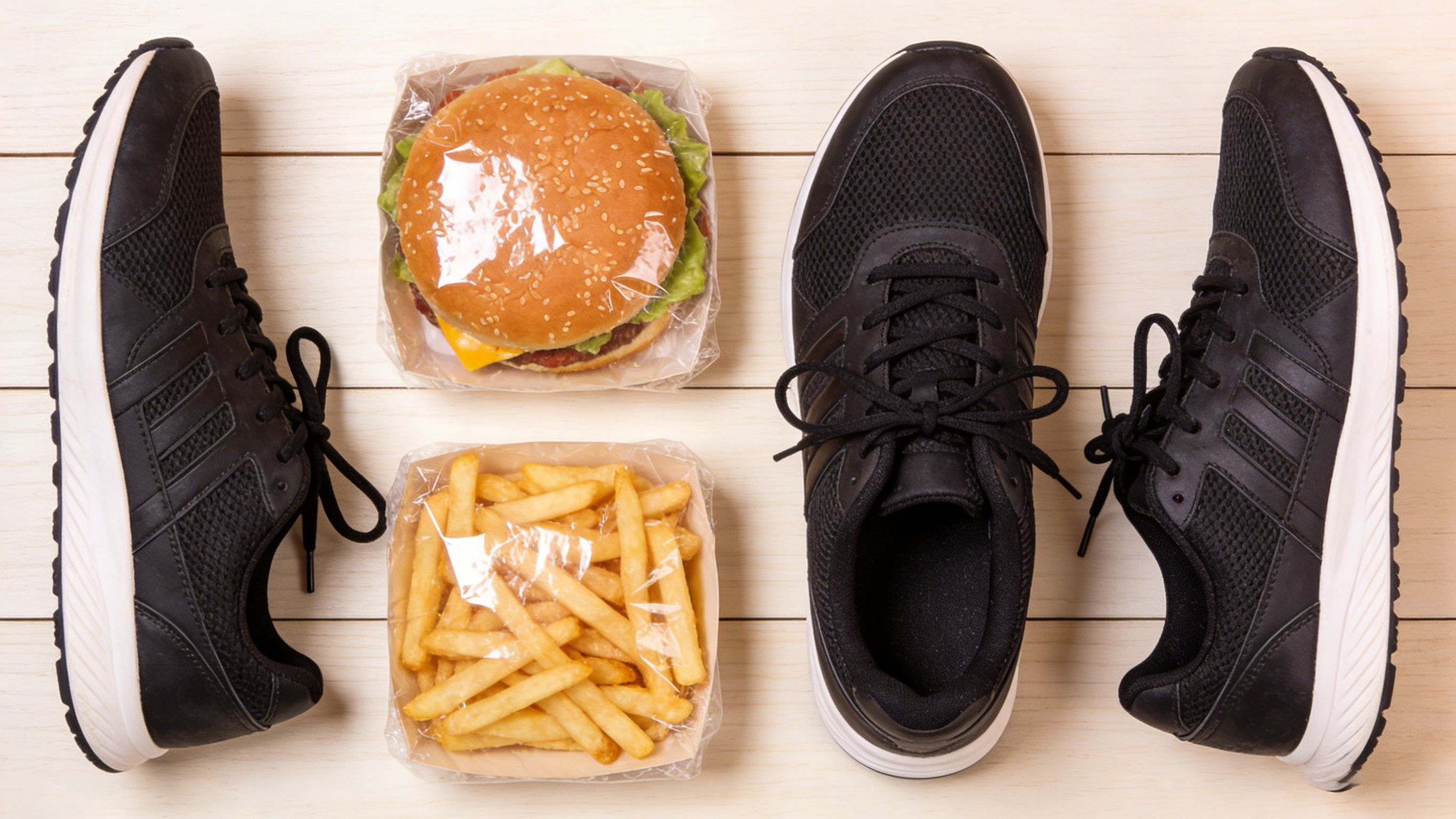
For athletes and fitness enthusiasts, few topics are as discussed—and debated—as the "post-workout window." This period, often described as a critical 30-minute to 2-hour golden hour following exercise, is shrouded in both scientific fact and pervasive gym lore. The idea is that what you consume during this time can make or break your recovery, muscle growth, and performance gains. But how much of this is evidence-based truth, and how much is a well-marketed myth? This article cuts through the noise, separating fact from fiction to provide a clear, actionable guide to recovery nutrition. We'll explore the science behind nutrient timing, debunk common misconceptions, and outline practical strategies to fuel your body effectively after your last rep or final sprint.

🔬 Understanding the "Anabolic Window": Science vs. Hype
The concept of the "anabolic window of opportunity" suggests a short, finite period post-exercise where your muscles are primed to absorb nutrients like a sponge, maximizing repair and growth. While there is a physiological basis for increased nutrient sensitivity after training, the rigid, urgent timeline often promoted is an oversimplification.
The Core Truths:
1. Increased Insulin Sensitivity & Blood Flow: After resistance training, your muscles are more sensitive to insulin. This hormone helps shuttle glucose (from carbs) and amino acids (from protein) into muscle cells. Combined with increased blood flow to the worked muscles, this creates an environment conducive to nutrient delivery.
2. Muscle Protein Synthesis (MPS) is Elevated: Exercise, especially strength training, triggers an increase in MPS—the process of building new muscle proteins. Providing amino acids (the building blocks of protein) supports and amplifies this process.
3. Glycogen Replenishment is Time-Sensitive for Specific Goals: If you perform multiple, intense training sessions in a day (e.g., athlete two-a-days) or have completed exhaustive endurance exercise, replenishing muscle glycogen (stored carbs) quickly is crucial for next-day performance. The highest rates of glycogen synthesis occur within the first 30-60 minutes post-exercise.
The Common Myths:
· Myth 1: The "30-Minute Rule" is a Hard Deadline. For the general fitness person training once a day, the window is much wider—likely several hours. Missing a shake immediately after your workout won't ruin your progress if your overall daily nutrition is adequate.
· Myth 2: If You Don't Eat Protein Right After, Your Body Will Enter a "Catabolic State." While MPS increases post-workout, muscle protein breakdown (MPB) also increases. The goal is to tip the balance toward MPS. While timely protein helps, the body doesn't instantly start cannibalizing muscle the minute you finish your cooldown. Your total daily protein intake is far more important than immediate post-workout timing for long-term muscle accrual.
· Myth 3: Only Fast-Absorbing Proteins (Like Whey) Are Effective. While whey protein is rapidly digested and excellent for post-workout, whole food meals or blends with casein (a slower protein) are also effective. The key is the total leucine content (an essential amino acid that strongly triggers MPS) and overall protein quality.

🥗 What to Actually Eat & Drink After a Workout
Effective recovery nutrition isn't about magic pills or proprietary formulas. It's about providing your body with the right combination of macros and micros at the right time for your individual routine.
The Two Key Pillars: Protein and Carbohydrates
1. Protein: Essential for repairing and rebuilding muscle tissue.
· Goal: Consume 0.3-0.4 grams of high-quality protein per kilogram of body weight (or ~20-40 grams total) post-workout.
· Examples: Whey protein shake, chicken breast, Greek yogurt, eggs, tofu, or lentils.
2. Carbohydrates: Replenish muscle glycogen stores and help facilitate the uptake of amino acids into muscles.
· Goal: Intake depends on workout intensity and duration. A general ratio is 3:1 or 2:1 (carbs to protein) for endurance athletes; 1:1 or 1:2 for strength-focused athletes.
· Examples: Rice, sweet potato, oatmeal, fruit, quinoa, or whole-grain bread.
3. Fluids & Electrolytes: Rehydrate to replace fluids lost through sweat.
· Goal: Drink 1.5 liters of fluid for every kilogram of body weight lost. For salty sweaters or intense sessions, include electrolytes (sodium, potassium).
· Examples: Water, electrolyte drink, or milk.

⏰ Practical Timing Strategies
Scenario A: The Morning Exerciser (Breakfast After)
1. Finish workout.
2. Within 60 minutes, have a balanced breakfast (e.g., scrambled eggs on whole-wheat toast with avocado).
Scenario B: The Evening Exerciser (Dinner After)
1. Finish workout.
2. If dinner is more than 60-90 minutes away, have a small snack (e.g., Greek yogurt with berries).
3. Then, eat your regular, protein- and carb-rich dinner.
Scenario C: The Competitive Athlete with Multiple Sessions
1. Finish Session 1.
2. Within 30 minutes, consume a rapid-recovery shake/meal with easily digestible carbs and protein (e.g., protein shake with a banana, or a recovery sports drink).
3. Follow with a substantial meal 1-2 hours later before the next session.

🚫 Debunking More Recovery Nutrition Myths
Beyond the timing window, several other myths persist in locker rooms and online forums.
Myth: You Must Avoid Fat Post-Workout.
Truth: While fat may slow gastric emptying slightly, a moderate amount in a whole-food meal (like avocado in a post-workout salad) will not significantly blunt the recovery response for most people. The benefits of a satisfying, nutrient-dense meal often outweigh the negligible slowdown.
Myth: Sugar is Bad After a Workout.
Truth: In the context of intense exercise, simple sugars (like dextrose or from fruit) can be beneficial for rapidly spiking insulin and replenishing glycogen, especially for endurance athletes. The key is context and quantity—not all sugar is created equal.
Myth: "Anti-Catabolic" Supplements Like BCAAs are Essential.
Truth: Branched-Chain Amino Acids (BCAAs) are components of complete protein. If you're consuming sufficient high-quality protein (whey, meat, eggs, etc.) in your diet and around your workout, supplemental BCAAs are largely redundant and an unnecessary expense.

🎯 Tailoring Recovery to Your Training & Goals
Your optimal recovery strategy depends entirely on your primary training modality and objectives.
🏋️ For Strength & Hypertrophy (Muscle Building):
· Priority: Maximizing Muscle Protein Synthesis.
· Focus: Ensure adequate total daily protein (1.6-2.2 g/kg body weight) and a protein-rich meal/snack within 2-3 hours post-workout.
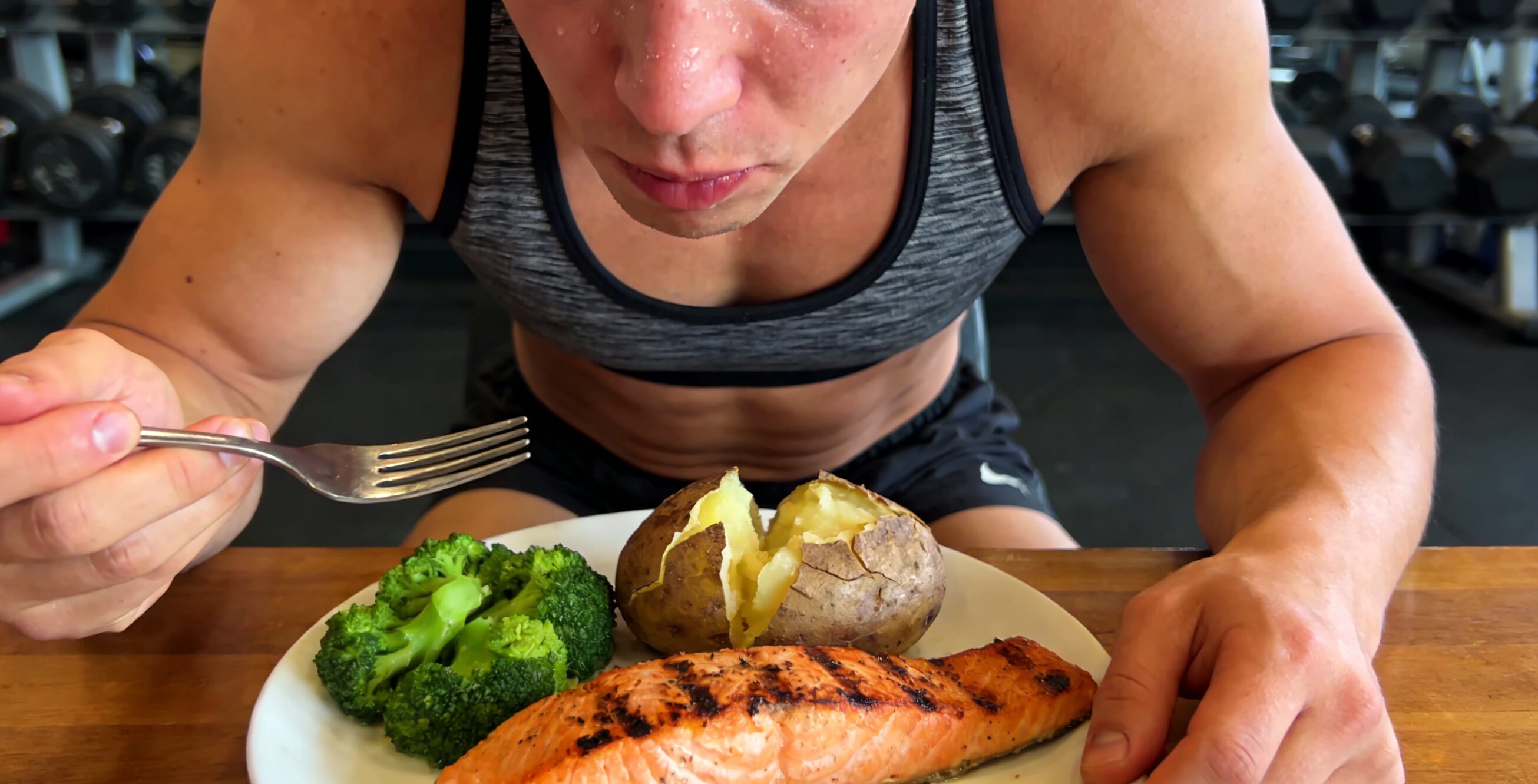
· Example Meal: Grilled salmon (protein + healthy fats) with roasted potatoes (carbs) and broccoli.
🏃 For Endurance & High-Volume Training:
· Priority: Rapid Glycogen Replenishment.
· Focus: Emphasize carbohydrates. Aim for 1.0-1.2 g/kg of carbs within the first hour after exhaustive sessions, paired with moderate protein.
· Example Meal: A large bowl of oatmeal with banana, honey, and a scoop of protein powder.
⚖️ For General Fitness & Weight Management:
· Priority: Supporting Recovery within Daily Caloric Goals.
· Focus: Listen to hunger cues. A balanced meal containing protein and carbs at your next regular mealtime is perfectly sufficient. Consistency in daily nutrition matters more than precise timing.
· Example Meal: A chicken and vegetable stir-fry with a moderate serving of brown rice.
💡 Key Takeaways & Final Recommendations
The pursuit of optimal recovery nutrition should not become a source of stress. The "post-workout window" is a useful concept for elite athletes and those with specific, demanding schedules, but its importance for the general population has been overstated. Here is your actionable checklist:
1. Master the Fundamentals First: No amount of perfect post-workout timing can compensate for a poor overall diet. Prioritize consistent, high-quality daily nutrition, total calorie intake, and adequate sleep.
2. Think in Terms of "Meals" Not Just "Shakes": Whole foods provide a complex matrix of nutrients, fiber, and phytochemicals that support overall health and recovery. Use shakes for convenience, not as a complete replacement.
3. Personalize Your Timing: If you train intensely multiple times a day or are an endurance athlete, prioritize rapid refueling. If you train once a day, simply aim for a balanced meal containing protein and carbs within a few hours of finishing.
4. Hydrate Relentlessly: Dehydration impairs every aspect of recovery and performance. Start your workout hydrated and replace fluids systematically afterwards.
5. Experiment and Observe: The best protocol is the one you can sustain and that makes you feel recovered and energized. Track your energy levels, performance, and how you feel with different timing and food choices.
In conclusion, the post-workout period is important, but it is not a magical, all-or-nothing phenomenon. By understanding the truths, dismissing the myths, and focusing on the bigger picture of total daily nutrition, you can craft a simple, effective, and stress-free recovery strategy that powers your progress and supports your long-term health and fitness goals.