🎁 Introduction: The Modern Gift-Giving Dilemma
Gift-giving should be a joyful act of connection, yet it often spirals into a source of significant stress. The pressure to find a present that is simultaneously unique, personal, appreciated, and within budget can feel overwhelming. This is where the Gift-Giving Grid comes in—a practical, strategic framework designed to transform chaotic shopping into a mindful and successful process. It's not about finding a "perfect" gift, but about making a thoughtful, confident choice that resonates with the recipient.

🧠 What is the Gift-Giving Grid?
The Gift-Giving Grid is a simple but powerful mental model for categorizing and evaluating gift ideas. Instead of facing an infinite sea of options, you filter potential gifts through a structured lens. The core principle involves cross-referencing two key axes:
Axis 1: The Receiver's Desire Spectrum
· Known & Requested: Items the recipient has explicitly mentioned or added to a wishlist.
· Unknown but Aligned: Items they haven't asked for but perfectly match their personality, hobbies, or unmet needs.
Axis 2: The Gift's Impact Nature
· Practical & Functional: Gifts that solve a problem, replace a worn-out item, or aid in a daily activity.
· Experiential & Emotional: Gifts that create a memory, offer relaxation, or evoke a heartfelt feeling.
By plotting ideas within this grid, you can ensure balance and intentionality, moving beyond last-minute, generic purchases.
🎨 Method One: The Interest & Hobby Deep Dive
This method focuses on the "Unknown but Aligned" quadrant, requiring observation and insight into the recipient's passions.
Step-by-Step Process:
1. Identify Core Interests
· Listen for casual mentions of activities they enjoy or want to try.
· Observe their home, bookshelf, or social media for clues.
· Consider their recurring hobbies, whether it's gardening, reading, gaming, or cooking.
2. Research the "Next Level" Item
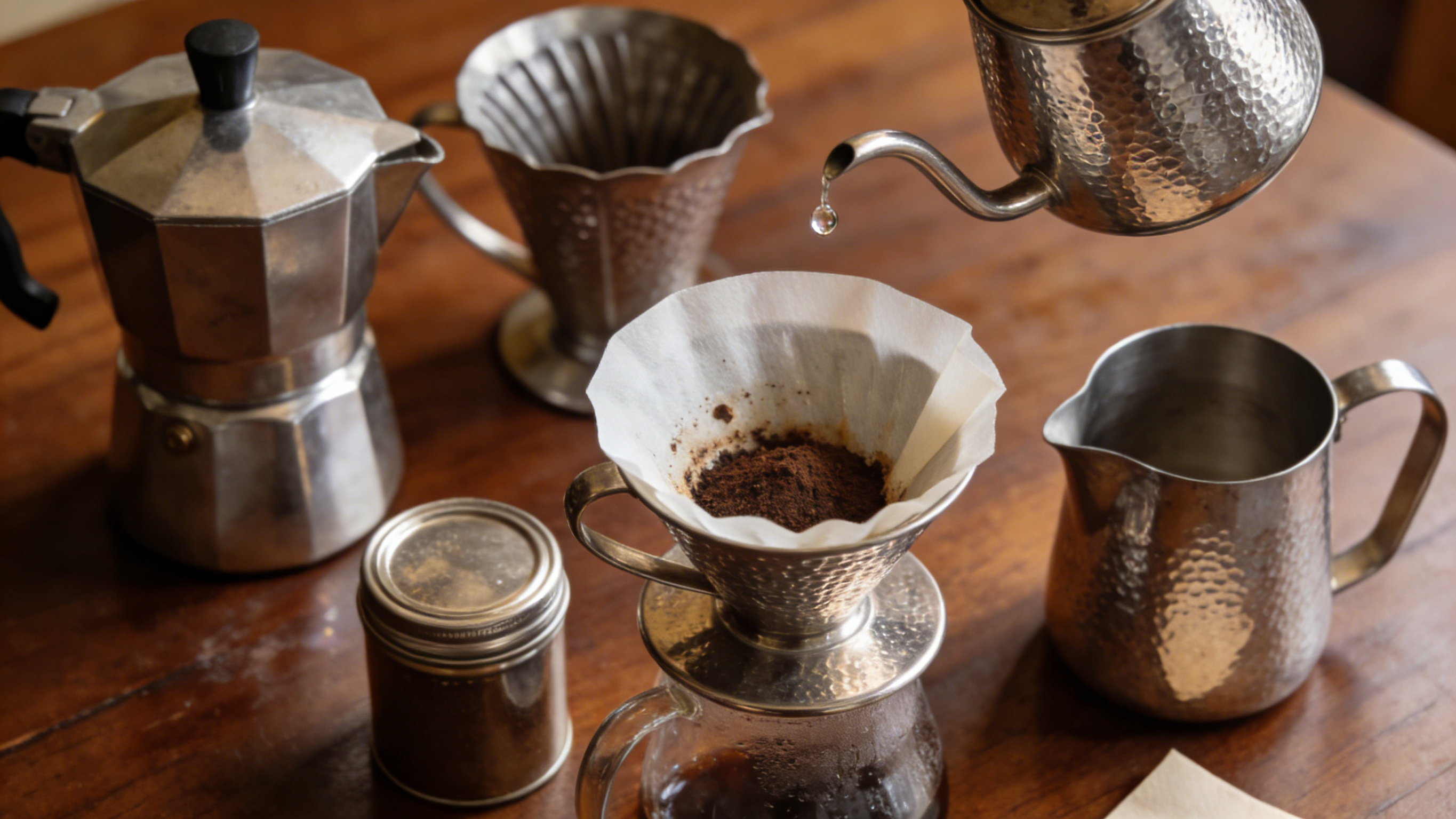
· For a coffee lover: instead of a bag of beans, research a premium pour-over set, a specialized grinder, or a subscription to rare micro-lots.
· For a hiker: look into advanced moisture-wicking clothing, a detailed trail guide for a dream destination, or a National Parks pass.
3. Personalize the Connection
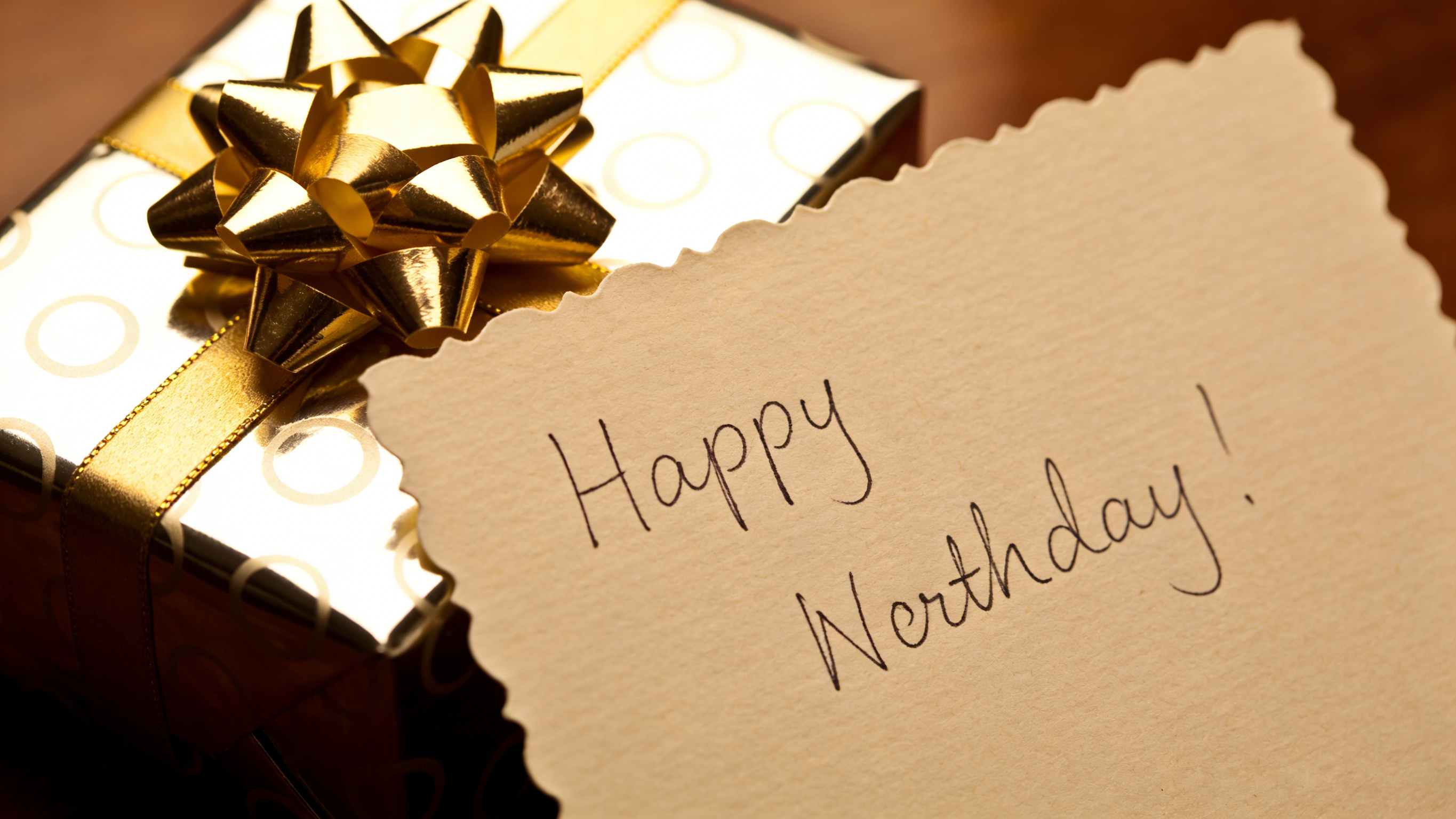
· Add a hand-written note explaining why this gift made you think of them.
· Bundle related items (e.g., a new book by their favorite author with a luxury bookmark and tea).
✅ Advantages:
· Shows deep thought and understanding.
· Can introduce them to a new aspect of a hobby they love.
· Often leads to a highly unique and memorable gift.
❌ Disadvantages:
· Requires more time and research.
· Carries a slight risk if your assumption about their interest level is off.
· Can be more expensive if aiming for premium hobbyist equipment.

❤️ Method Two: The Practical & Sentimental Blend
This strategy masterfully combines the "Known & Requested" with the "Experiential & Emotional," offering the best of both worlds.
How to Execute the Blend:
1. Start with a Practical Need
· Identify an item they need but might not buy for themselves (e.g., a new quality chef's knife, a sturdy laptop bag, warm winter gloves).
2. Infuse it with Sentimental Value
· Engrave the item with initials, a significant date, or a short quote.
· Choose a brand or style that references a shared memory or in-joke.
· Pair the practical item with an experience, like promising a home-cooked meal to use the new knife together.
3. Elevate the Presentation
· Beautiful, reusable wrapping.
· A heartfelt card that connects the gift's utility to your relationship.
✅ Advantages:
· Guarantees the gift will be used and appreciated.
· Transforms an everyday object into a cherished keepsake.
· Demonstrates both care for their daily life and your emotional bond.
❌ Disadvantages:
· Requires finding the right balance; too practical can feel cold, too sentimental might overshadow utility.
· Personalization (like engraving) can make returns or exchanges impossible.
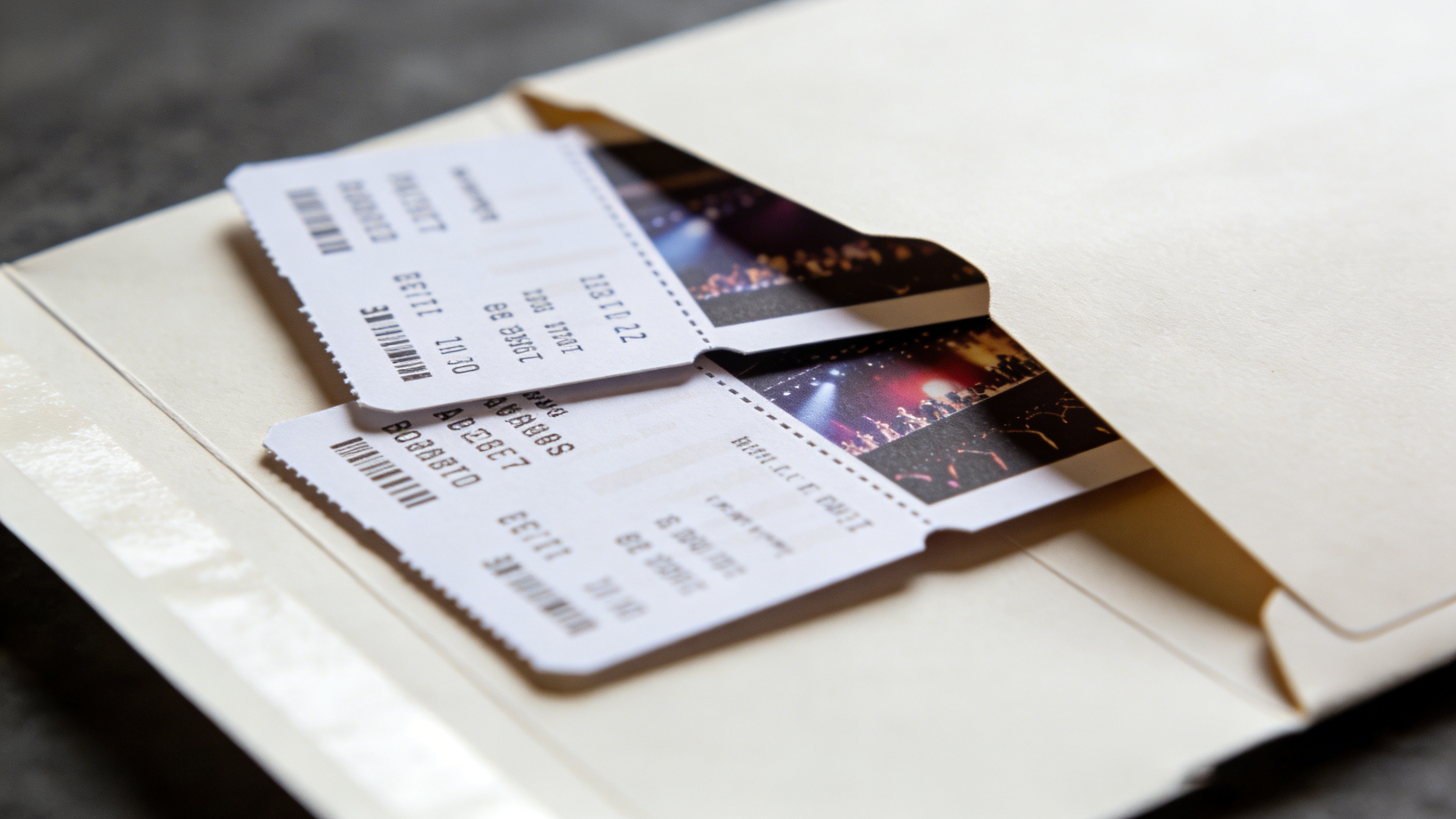
✈️ Method Three: The Gift of Experience
Falling squarely in the "Experiential & Emotional" quadrant, this method prioritizes shared memories and personal growth over physical objects.
Categories of Experience Gifts:
1. Shared Adventure Gifts
· Tickets to a concert, play, or sporting event.
· Booking a weekend getaway, a wine-tasting tour, or a cooking class for two.
· Planning a themed "experience day" locally (e.g., museum hop, food truck tour).
2. Solo Indulgence Gifts
· A spa day or massage voucher for someone stressed.
· A subscription to a meditation or fitness app (e.g., Calm, MasterClass).
· A donation to a charity they are passionate about, made in their name.
3. The "Future Memory" Gift
· A promise coupon book for future acts of service (e.g., "One car detail," "A home-cooked dinner of your choice").
· Pre-paying for an activity to be done together later, building anticipation.
✅ Advantages:
· Creates lasting memories and strengthens relationships.
· Reduces physical clutter.
· Often more unique than material gifts.
❌ Disadvantages:
· Requires careful scheduling and coordination of calendars.
· Lacks a physical token to open on the gift-giving day (solve this with a creative "invitation" or symbolic small item).
· May not be suitable for all recipients who prefer tangible gifts.

⚖️ Implementing the Grid: A Comparative Analysis
To use the Gift-Giving Grid effectively, understand the trade-offs and best use cases for each quadrant.
The Four Quadrants in Action:
1. Known & Practical (The Safe Bet)
· Example: Replacing their specific brand of noise-cancelling headphones they mentioned are breaking.
· Best for: Colleagues, acquaintances, or when you want to be absolutely sure of utility.
· Risk: Low. Thoughtfulness: Medium (shows you listen).
2. Unknown & Practical (The Thoughtful Problem-Solver)
· Example:A high-quality, ergonomic desk chair for someone who now works from home but hasn't complained.
· Best for: Close friends and family where you observe a need.
· Risk: Medium. Thoughtfulness: High.
3. Known & Experiential (The Joyful Fulfillment)
· Example: Tickets to see the band they've always talked about.
· Best for: Almost anyone; it's a requested desire fulfilled in a memorable way.
· Risk: Low. Thoughtfulness: High.
4. Unknown & Experiential (The Bold & Insightful)
· Example: A surprise hot air balloon ride for an adventurous partner.
· Best for: Romantic partners, very close friends, or family.
· Risk: High. Thoughtfulness: Very High.

📝 Your Stress-Free Gift-Giving Action Plan
Follow this annual plan to eliminate last-minute panic.
Phase 1: Ongoing Curation (Year-Round)
1. Maintain a "Gift Ideas" List: Use notes on your phone. When someone mentions a desire or interest, jot it down immediately with their name.
2. Designate a Gift Closet/Area: Stock it with versatile, high-quality generic items (nice candles, blankets, gourmet foods) for emergency occasions.
3. Set a Budget: Determine a yearly or per-person budget to guide your choices without financial stress.
Phase 2: Pre-Event Strategy (1 Month Before)
1. Consult Your Grid & List: For the recipient, review your notes and decide which quadrant you want to target.
2. Do Focused Research: Spend 30-60 minutes online looking specifically within your chosen category (e.g., "best gifts for gardeners," "unique NYC experiences").
3. Select 2-3 Options: Choose a primary gift and one or two backups within your budget.
Phase 3: Execution & Presentation (1 Week Before)
1. Purchase and Personalize: Buy the gift and add any personal touches (card, engraving, wrapping).
2. Prepare Your Explanation: Think about what you'll say when they open it. "I remembered you said you wanted to learn pasta-making, so I got us a class!"
3. Let Go of the Outcome: Your effort is in the thoughtful selection, not in controlling their reaction. Release the pressure.

💡 Conclusion: Giving with Confidence, Not Anxiety
The Gift-Giving Grid is more than a shopping tool; it's a mindset shift. It moves the focus from the overwhelming question of "What do I buy?" to the more manageable and meaningful questions of "Who is this person?" and "What would truly add value to their life?" By providing structure, it empowers you to make deliberate choices, whether you select a deeply personal hobbyist item, a beautifully utilitarian tool, or a memory-in-the-making experience. Embrace the grid, plan ahead, and reclaim the true joy of giving—a heartfelt connection, free from stress.