
In the world of personal finance and mindful spending, rules of thumb abound—from the 50/30/20 budget to the 24-hour rule for impulse buys. A lesser-known but profoundly impactful guideline is the $300 Chair Rule. This principle suggests that for any chair you plan to sit in for more than an hour a day—be it an office desk chair, a dining chair, or a favorite reading nook—you should consider investing at least $300. While this figure may seem arbitrary or steep at first glance, it serves as a tangible threshold separating disposable, often harmful seating from supportive, durable, and health-conscious furniture. This article delves into the compelling reasons behind this rule, arguing that a high-quality chair is not an expense but a critical investment in your health, productivity, and long-term well-being.
💺 The Health Imperative: Your Body Demands It
The most immediate and critical reason to invest in a good chair is physical health. The human body is not designed for prolonged sitting, especially in poorly supported positions. A sub-$100 chair often exacerbates this problem, leading to a cascade of health issues.
Common Health Pitfalls of Cheap Chairs:
1. Chronic Back and Neck Pain: Inadequate lumbar support forces the spine into an unnatural "C" shape, straining muscles, ligaments, and discs. This misalignment is a primary contributor to chronic lower back pain and neck strain.
2. Poor Circulation and Pressure Points: Thin, hard, or non-breathable seat cushions can compress the sciatic nerve and hinder blood flow in the legs, leading to numbness, tingling, and even long-term circulatory issues.
3. The Domino Effect of Bad Posture: Slouching in a flimsy chair doesn't just affect your back. It rounds your shoulders, pushes your head forward (creating "tech neck"), and can even impact digestion and breathing.
How a $300+ Chair Addresses These Issues:
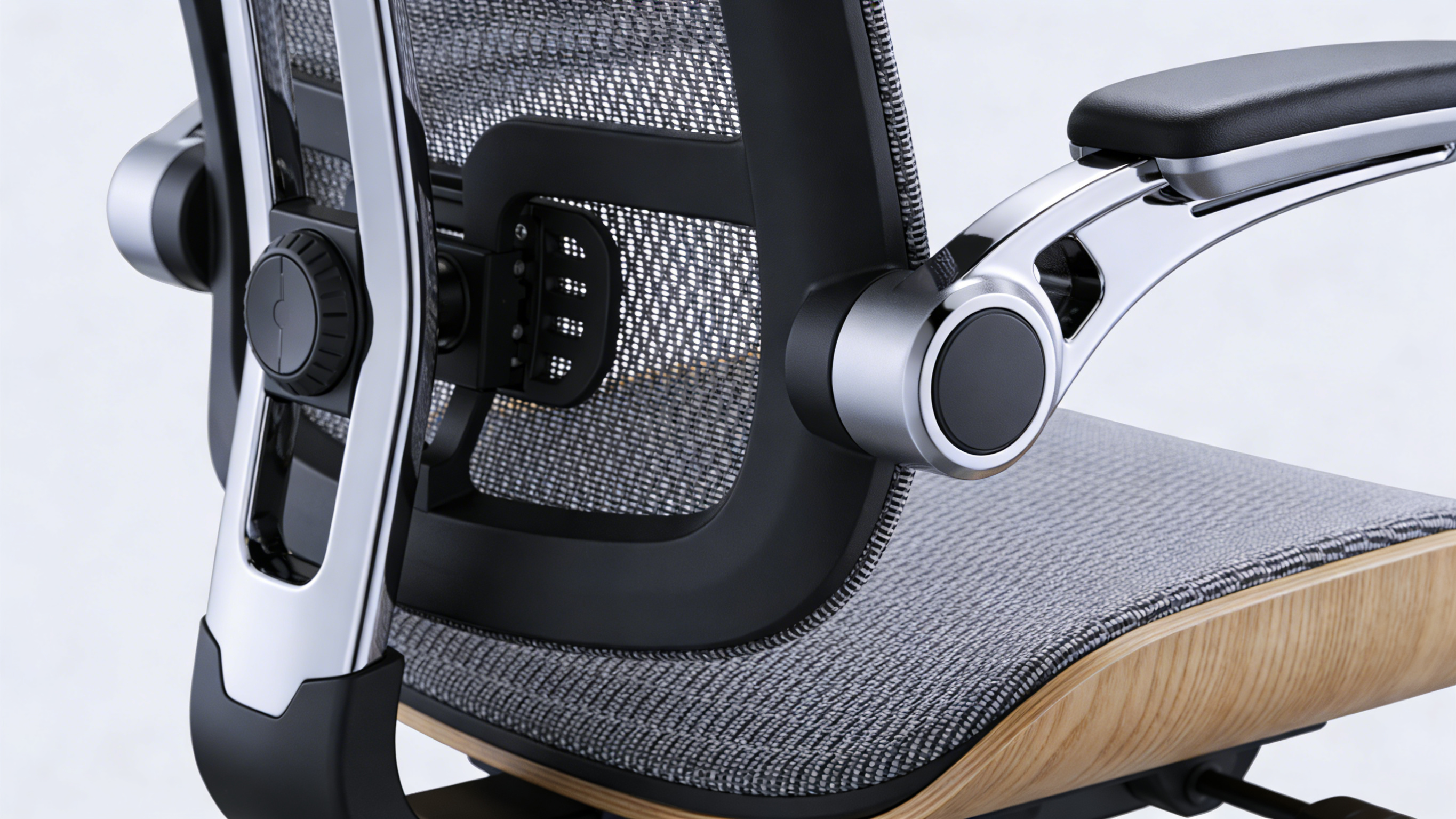
· Ergonomic Design: Chairs in this tier are built with ergonomics as a core principle, featuring adjustable lumbar support, seat depth, armrests, and tilt mechanisms to fit your body.
· Quality Materials: High-density foam cushions distribute weight evenly, while breathable mesh or fabric backs promote air circulation and reduce heat buildup.
· Dynamic Support: Better chairs often feature synchronized or multi-tilt mechanisms that allow your body to move naturally while maintaining support, reducing static muscle fatigue.

⚡ Productivity & Focus: The Unseen ROI
Discomfort is a relentless distraction. The subtle ache in your lower back or the need to constantly shift position steals precious cognitive bandwidth away from your work or leisure activity.
The Cognitive Cost of Discomfort:
1. Frequent Micro-Breaks: Unconscious fidgeting and repositioning break your state of "flow," the deeply focused mental state crucial for complex tasks, creative work, or learning.
2> Mental Energy Drain: Your brain is constantly processing signals of discomfort from your body. A supportive chair minimizes these signals, freeing mental energy for the task at hand.
3. Reduced Endurance: You're more likely to cut a work session or reading time short if you're physically uncomfortable, impacting overall output and consistency.
The Productivity Payoff of a Proper Chair:
· Sustained Deep Work: By eliminating physical distractions, a quality chair enables longer, more productive periods of concentrated effort.
· Improved Mood and Morale: Physical comfort is linked to better mood. Feeling supported and cared for by your environment reduces stress and fosters a more positive attitude toward your tasks.
· Fewer Sick Days: By mitigating the risk of chronic musculoskeletal disorders, you potentially reduce pain-related absences from work or important activities.
💰 The Long-Term Cost-Benefit Analysis
Viewing a chair through the lens of cost-per-use reveals the true value proposition. A $300 chair is not twice as good as a $150 chair; it is often in an entirely different category of durability and support.
The False Economy of Cheap Chairs:
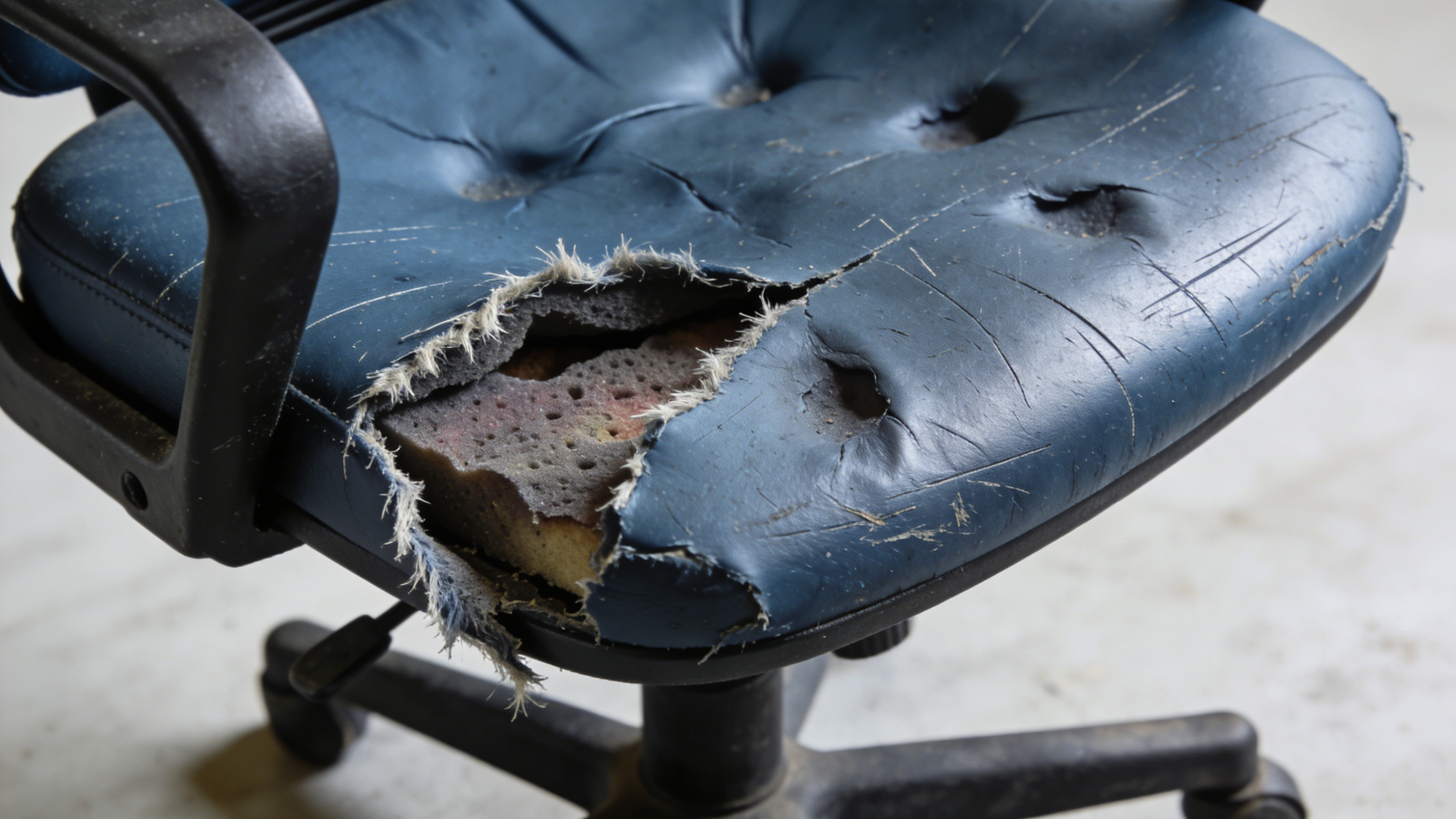
1. Short Lifespan: Cheap mechanisms wear out, cushions flatten permanently, and fabric tears within 1-2 years of regular use, leading to replacement costs.
2. Hidden Health Costs: The long-term medical expenses for treating chronic back pain—physical therapy, chiropractic care, medication—can dwarf the initial savings on a chair.
3. Depreciation & Resale Value: A $100 chair has virtually no resale value. A well-maintained, reputable ergonomic chair often retains a significant portion of its value for years.
The Investment Logic of the $300 Rule:
· Durability: A chair at this price point is typically built with commercial-grade components, designed to withstand 8+ hours of daily use for 5-10 years or more.
· Warranty: Reputable brands offer substantial warranties (often 5-12 years), covering parts, mechanisms, and sometimes even labor, ensuring peace of mind.
· Cost-Per-Day: Over a 7-year period, a $300 chair costs about $0.12 per day (assuming 260 weekdays/year). The daily return in health and productivity is immense.
🛠️ Quality, Materials, and Craftsmanship
The $300 threshold is significant because it often represents the entry point for chairs that use quality materials and robust construction, rather than cost-cutting compromises.
What You're Paying For:
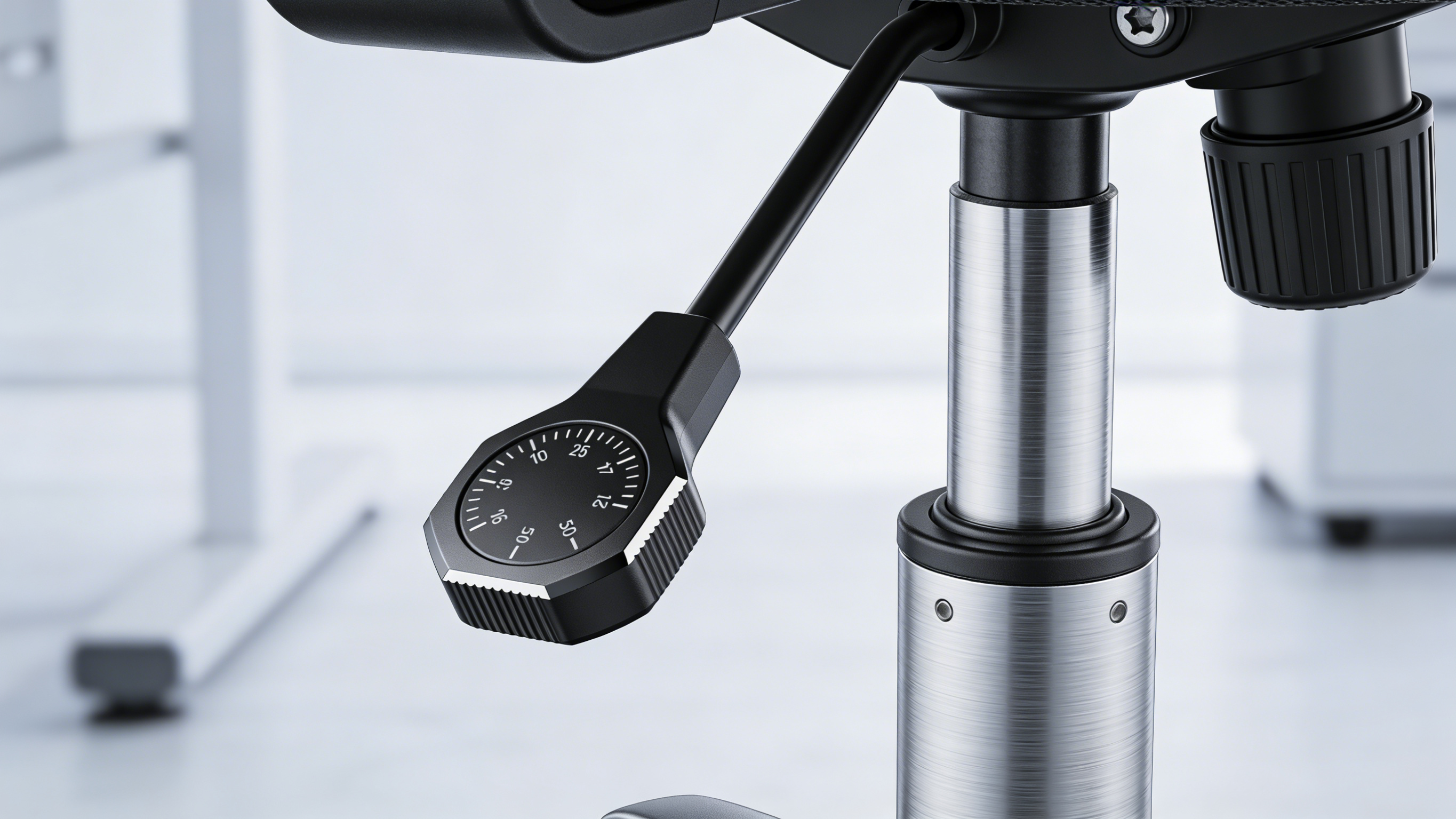
1. The Mechanism: This is the heart of the chair. A $300+ chair will have a heavy-duty, smooth-operating gas lift for height adjustment and a robust tilt mechanism (often with tension control and lockable positions) that won't sag or fail.
2. The Materials:
· Frame: Durable polymer or aluminum instead of brittle plastic.
· Cushioning: High-resilience, mold-inhibiting foam that maintains its shape.
· Fabric: Commercial-grade textiles or breathable mesh that are stain-resistant and durable.
3. Adjustability: Comprehensive adjustability is key to a personalized fit. Look for chairs that offer, at minimum: seat height, seat depth, lumbar support height/tension, armrest height/width, and backrest tilt.

😌 The Psychological and Aesthetic Dividend
Our environment profoundly influences our mindset and behavior. A chair is more than a tool; it's a statement about how you value your time and yourself.
Beyond Function:
1. Signaling Commitment: Investing in a proper chair for your home office or workspace signals a commitment to your craft, your studies, or your well-being. It establishes a professional and intentional boundary.
2. Aesthetic Cohesion: Higher-quality chairs are typically better designed. They can enhance the look of your room, moving from an eyesore to a piece of functional decor that you're proud to show.
3. The Comfort Ritual: The simple act of sitting down in a chair that feels supportive and comfortable can become a positive ritual that helps transition your mind into a state of work or relaxation.

🔍 How to Implement the $300 Chair Rule Wisely
The rule is a guideline, not a dogma. Spending $300 poorly is no better than spending $100. Smart implementation is key.
Your Action Plan:
1. Test Before You Invest: If possible, visit a showroom. Sit in chairs for at least 15-20 minutes. Your body's initial reaction is not always accurate.
2. Prioritize Adjustability: Ensure the chair can be adjusted to fit your specific body dimensions. A "one-size-fits-all" chair rarely fits anyone perfectly.
3. Research and Reviews: Focus on brands with strong reputations in ergonomics (e.g., Steelcase, Herman Miller, Autonomous, Hbada, SIHOO). Read long-term durability reviews.
4. Consider the Secondary Market: The used market for high-end ergonomic chairs is thriving. You can often find a $900 chair in excellent condition for $300-$400, getting premium quality at the rule's price point.
5. Apply the Rule Contextually: The $300 rule is most critical for your primary chair—your all-day office chair. It can be relaxed for a dining chair used for shorter periods, though quality should still be a consideration.

Conclusion: Seating as a Foundational Investment
The $300 Chair Rule is ultimately about shifting our perspective. We readily invest in a quality mattress because we spend a third of our lives sleeping. For many knowledge workers, gamers, and creatives, we spend an equal or greater amount of our waking lives seated. The chair is the foundation of that experience. It is the interface between our bodies and our work, our hobbies, and our homes. Viewing it as a trivial expense is a false economy that risks our most valuable assets: our health and our capacity for focused work. By embracing the principle of investing more in what we sit on, we are not just buying a piece of furniture; we are investing in a pain-free, productive, and more sustainable future for ourselves. The initial outlay may give you pause, but the daily returns in comfort, health, and performance make it one of the most impactful purchases you can make.