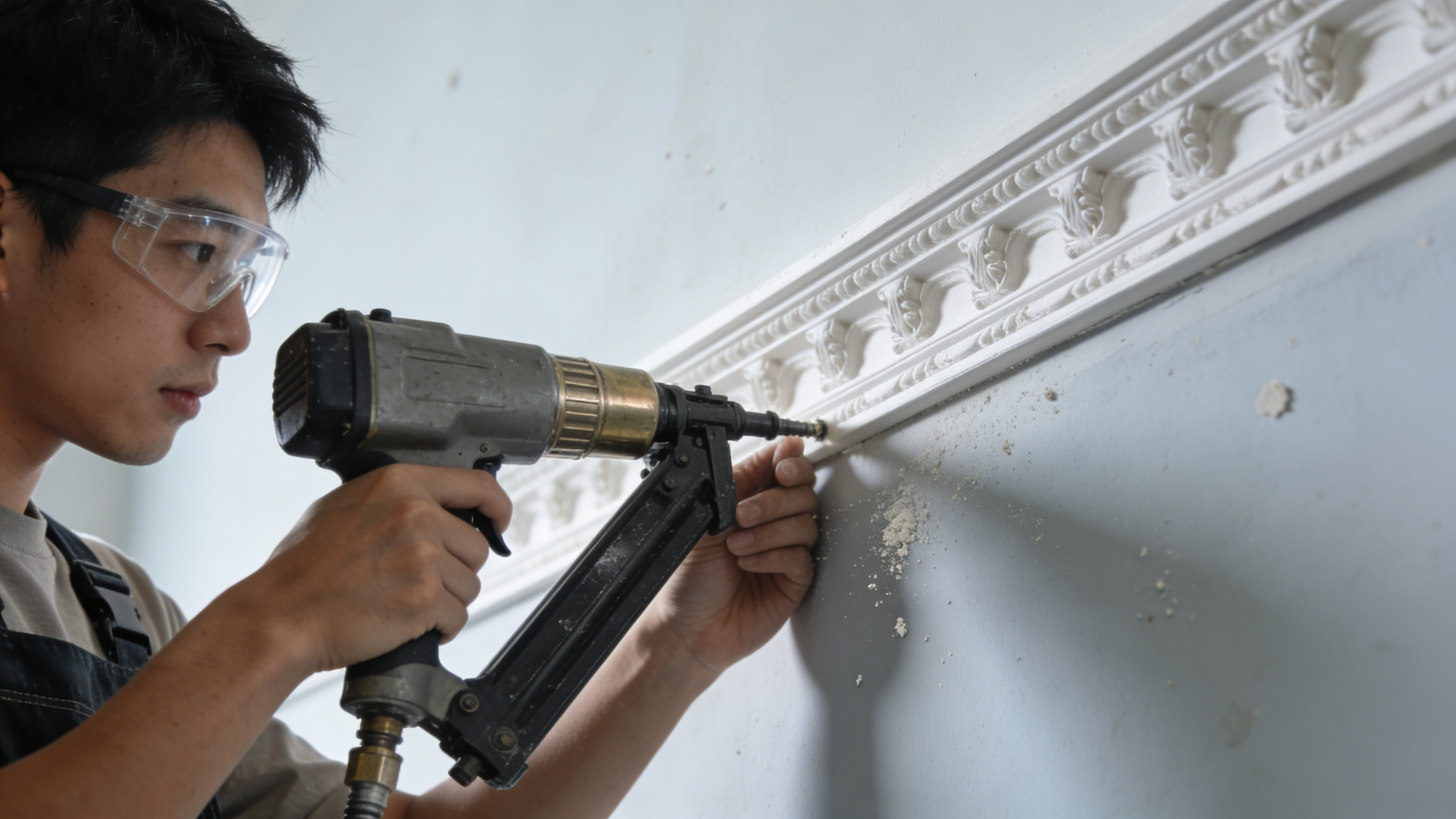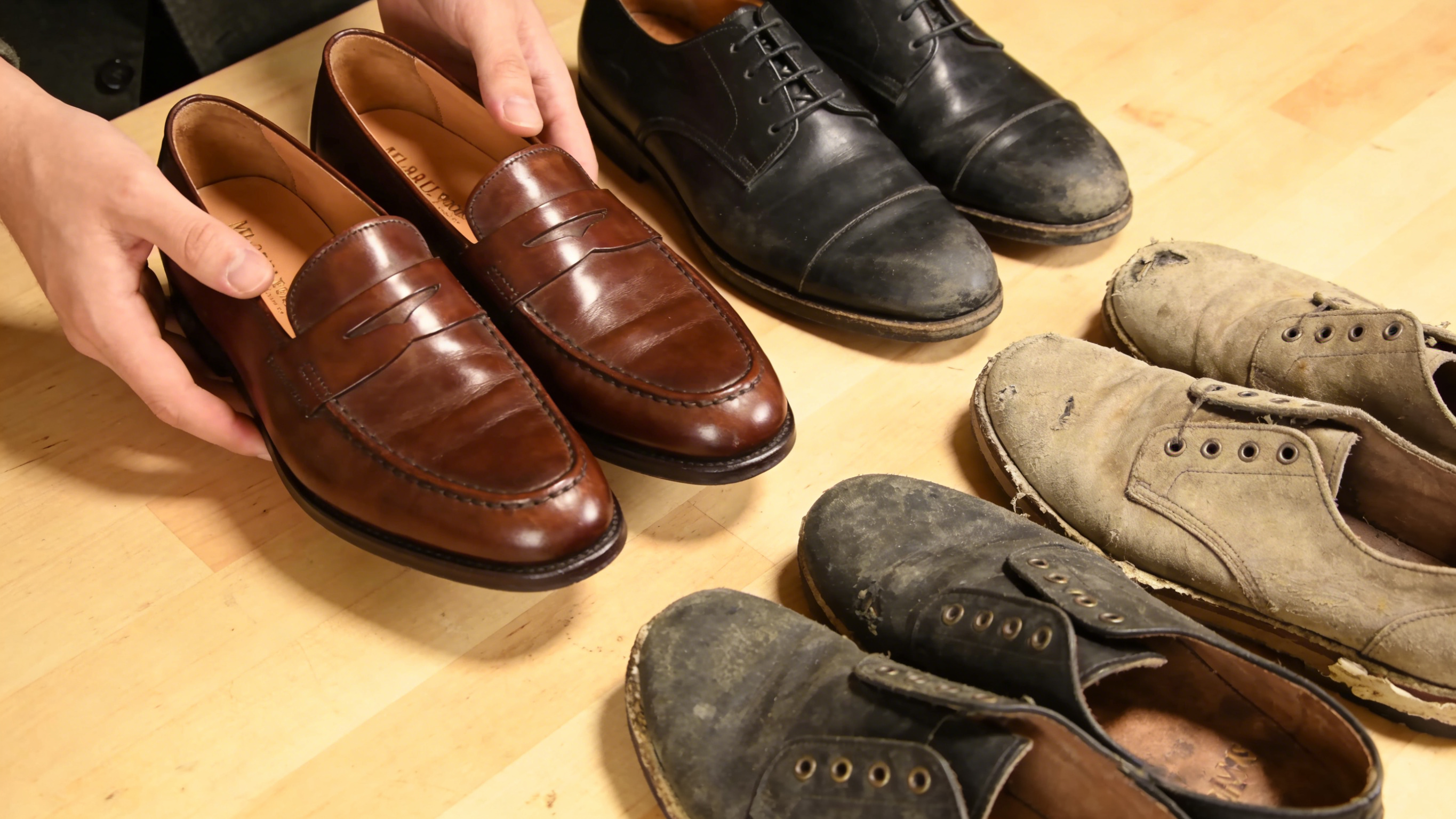
In a world dominated by fast fashion, planned obsolescence, and a constant churn of disposable goods, the "Buy It for Life" (BIFL) philosophy emerges as a compelling counter-movement. It's not merely a shopping strategy; it's a mindset shift towards intentional consumption. At its core, BIFL is about investing in high-quality, durable products that are built to last for decades, often a lifetime, rather than settling for items that need frequent replacement. This approach challenges the throwaway culture by prioritizing longevity, craftsmanship, and value over low initial cost and fleeting trends. It’s a conscious choice to own fewer, but better, things.
Embracing this mentality means looking beyond the price tag to consider the total cost of ownership, the environmental footprint, and the satisfaction derived from a truly reliable possession. It connects us to a time when goods were repaired, not replaced, and where quality was a tangible feature. This article explores the essence of the BIFL mindset, its tangible benefits, practical application across key product categories, and how to navigate its challenges, ultimately arguing that investing in things that last is an investment in a more sustainable, economical, and fulfilling life.
🔍 What is the "Buy It for Life" Mindset?
The BIFL mindset is a deliberate approach to purchasing centered on longevity and value. It involves a fundamental reevaluation of what we buy and why.
Core Principles:
1. Longevity Over Novelty: The primary driver is finding items designed and constructed to withstand the test of time. The goal is to make a purchase once.
2. Total Cost of Ownership: A BIFL purchaser calculates the cost per use over the item's entire lifespan. A $300 pair of boots worn for 20 years is far cheaper than 10 pairs of $60 boots over the same period.
3. Repairability and Serviceability: Products are chosen with an eye on their ability to be fixed. This includes availability of spare parts, modular design, and company-supported repair services.
4. Timeless Design: Aesthetics that avoid fleeting trends ensure the item remains desirable and functional for years to come.
5. Ethical and Sustainable Considerations: Supporting companies with fair labor practices and environmentally responsible manufacturing is often a key component.
Mindset vs. Action:
· Mindset: It starts with a change in perspective: resisting impulse buys, questioning the necessity of an upgrade, and valuing heirloom quality.
· Action: This mindset then informs specific actions: researching brands, reading durability reviews, learning basic maintenance, and being willing to pay a higher upfront cost for proven quality.
✨ The Compelling Advantages of a BIFL Approach
Adopting a "Buy It for Life" philosophy offers a multitude of benefits that extend far beyond the products themselves, impacting personal finance, the environment, and daily well-being.
💰 Financial Savings & Value
1. Lower Long-Term Cost: While the initial investment is higher, the cost-per-use plummets. You stop the cycle of repetitive spending on inferior versions of the same item.
2. Reduced "Decision Fatigue": With core items settled for life, you spend less mental energy and time constantly researching and shopping for replacements.
3. Potential for Resale Value: Well-made, classic items often retain significant value and can be sold or passed down, something rarely possible with disposable goods.
🌱 Environmental & Ethical Impact
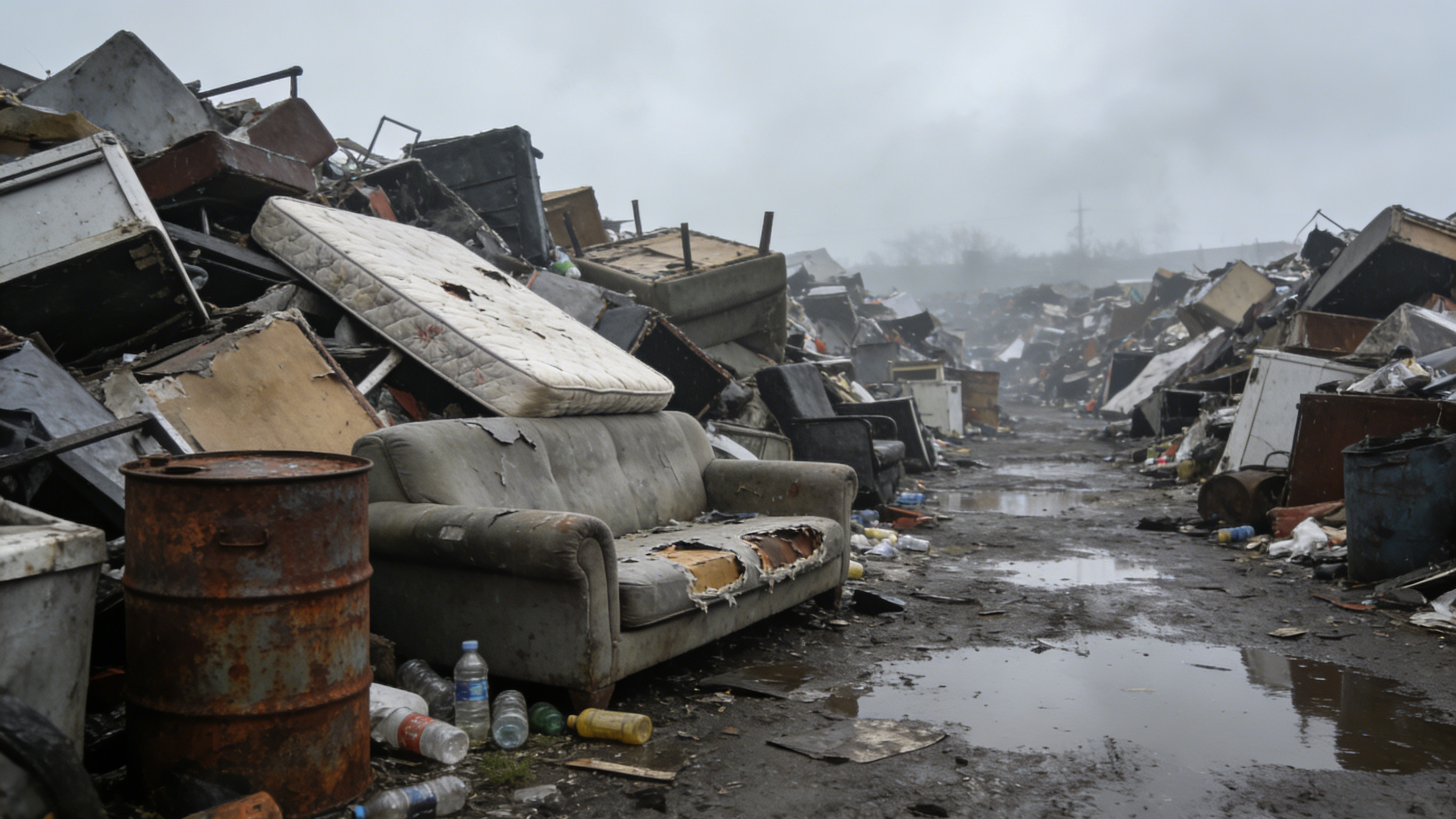
1. Drastic Reduction in Waste: By buying one item instead of many, you directly reduce the volume of waste sent to landfills. 2. Conservation of Resources: Less manufacturing demand means reduced consumption of raw materials, water, and energy. 3. Support for Responsible Brands: Your purchasing power rewards companies committed to ethical labor and sustainable practices, encouraging better industry standards.
😌 Enhanced Quality of Life
1. Superior Performance and Enjoyment: High-quality tools, appliances, and furniture simply work better and provide more pleasure in daily use. 2. Reduced Stress and clutter: Owning reliable possessions eliminates the frustration of breakdowns. A curated collection of lasting items also leads to a less cluttered, more peaceful living space. 3. Emotional Connection and Story: BIFL items often become trusted companions in life's journey, accruing sentimental value and stories, unlike anonymous disposable products.
🛠️ How to Practice BIFL: A Practical Guide
Transitioning to a BIFL lifestyle is a journey, not an overnight change. It requires research, patience, and a shift in habits.
🧐 Step 1: Research & Evaluation Before You Buy
1. Identify True Needs: Distinguish between a want and a need. Will this item be used frequently for years?
2. Investigate Brands and Materials: · Look for companies with longstanding reputations for quality. · Prioritize natural, robust materials (full-grain leather, solid wood, stainless steel, cast iron) over plastics and composites.
3. Utilize BIFL Resources: Consult dedicated forums (like r/BuyItForLife on Reddit), review sites focused on durability, and consumer reports that test product longevity.
4. Check for Repair Options: Before buying, ask: Can it be repaired? Are parts available? Does the company offer a repair service or warranty?
📦 Step 2: Key Product Categories for BIFL Investment
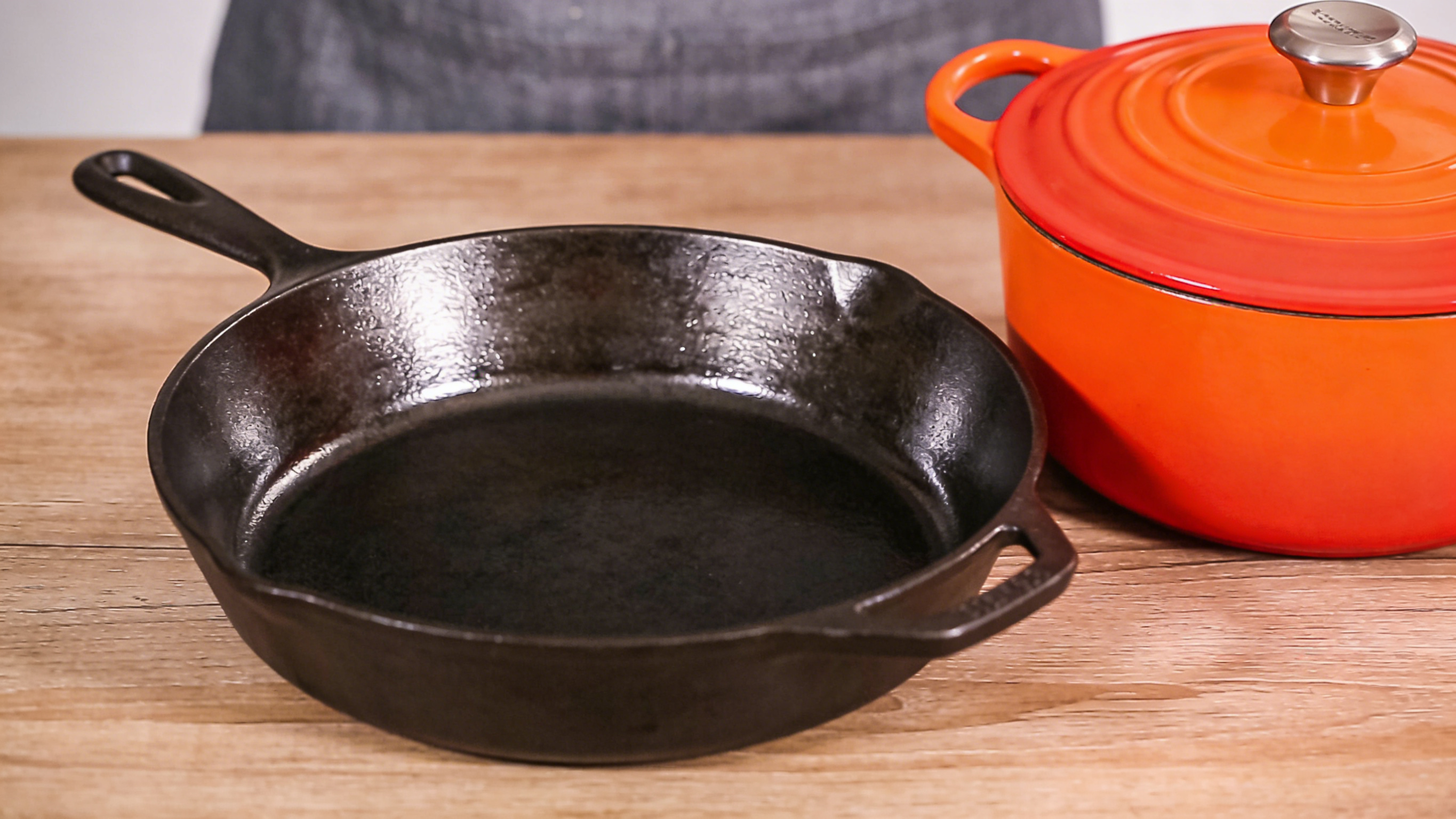
1. Kitchen & Home: · Cookware: Cast iron skillets, enameled Dutch ovens, and clad stainless steel pots. · Tools: A set of high-quality screwdrivers, wrenches, and a reliable hammer. · Furniture: Solid wood tables, chairs, and cabinets with sturdy joinery (dovetail, mortise-and-tenon).
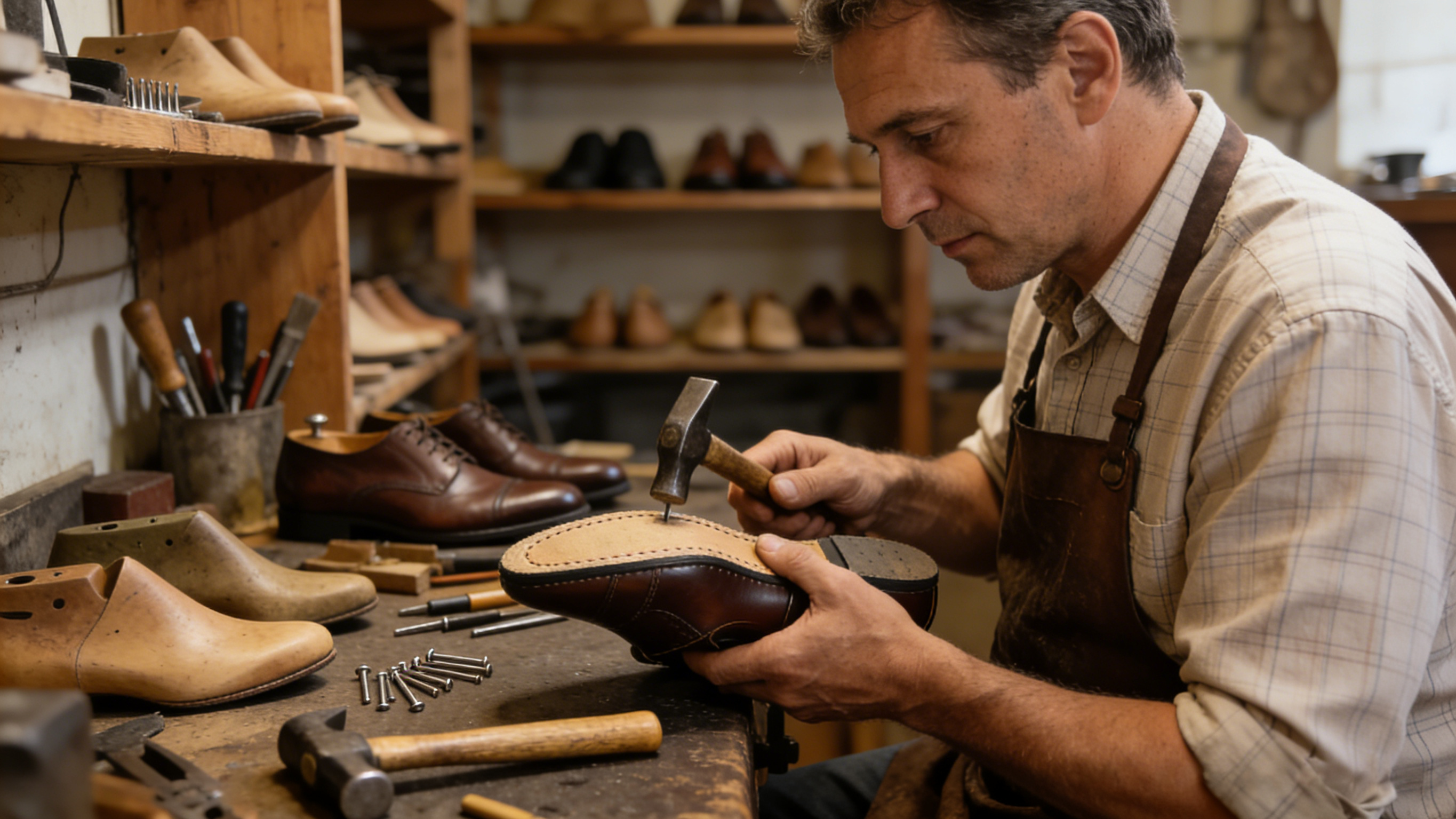
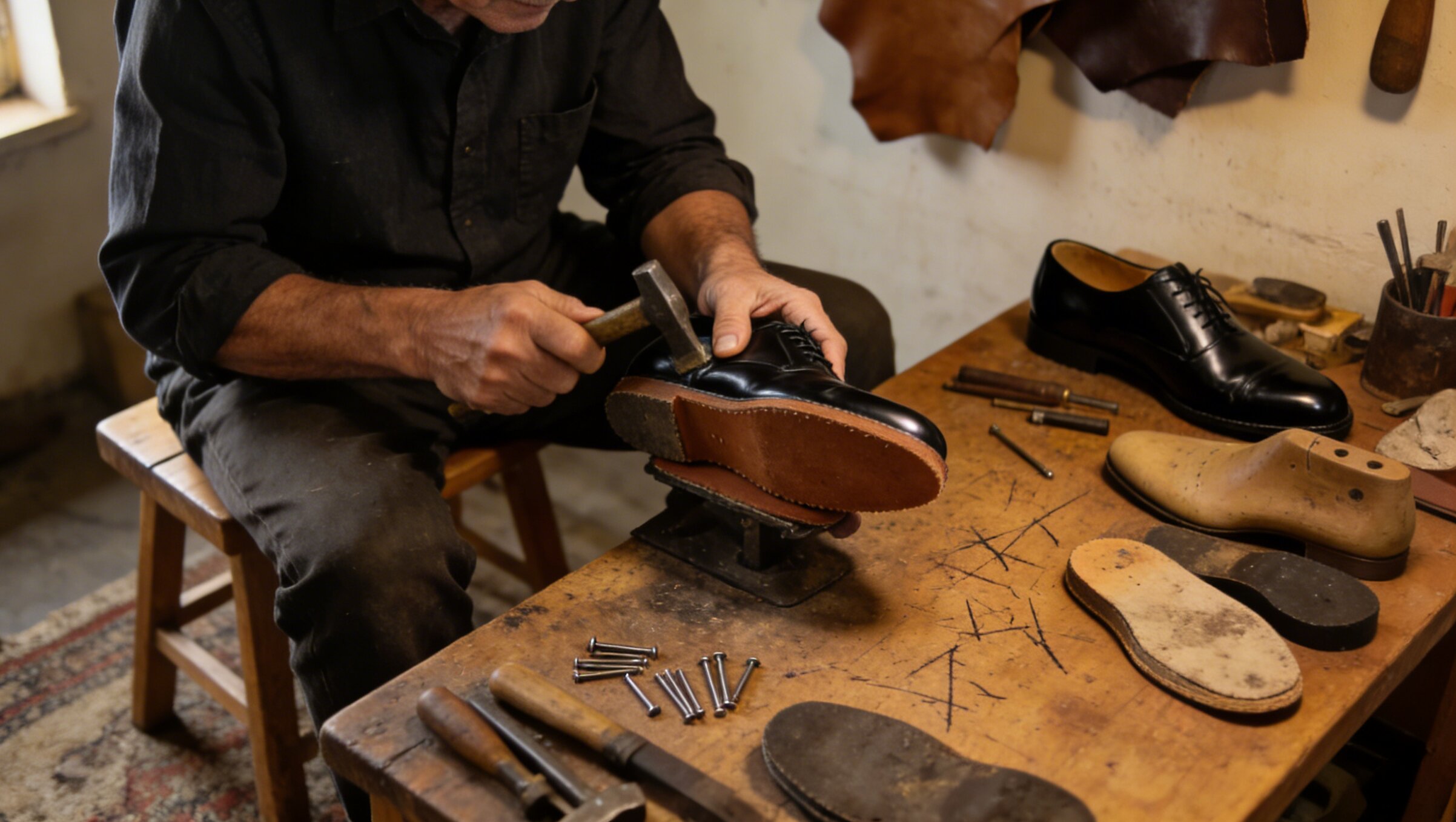
2. Apparel & Accessories: · Footwear: Goodyear-welted boots and shoes that can be resoled. · Outerwear: Wool coats or technical shells from reputable outdoor brands. · Bags: Leather briefcases or backpacks made with robust fabric and hardware.
3. Tools & Everyday Carry: · Pocket Knife: A quality folding knife from a known maker. · Pen: A durable machined pen or a refillable fountain pen. · Flashlight: A metal-bodied LED flashlight.
🔧 Step 3: Maintenance is Key
Owning a BIFL item is a partnership. Its longevity depends on proper care.
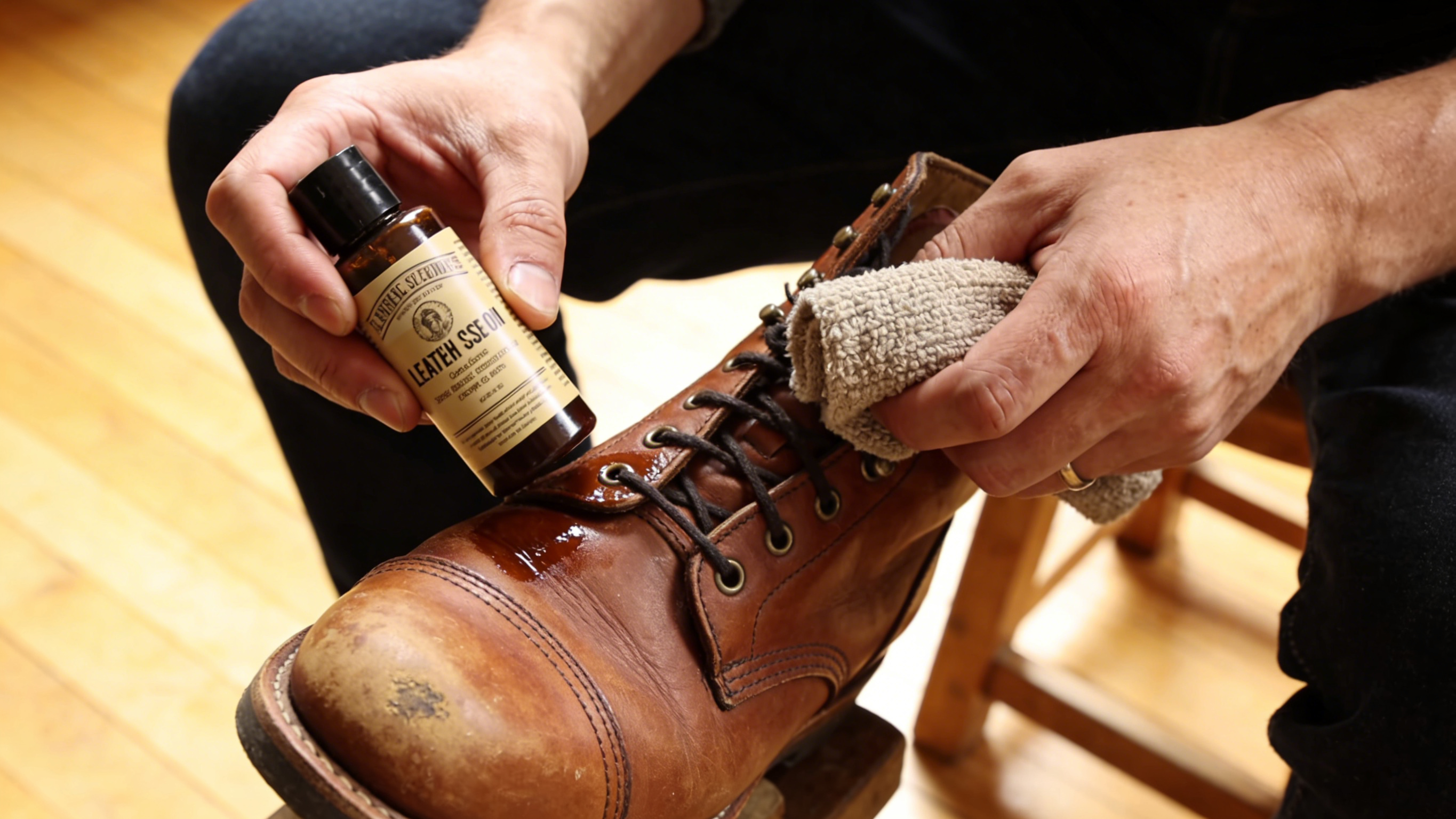
· Learn Basic Care: Season your cast iron, condition leather, oil wood, and clean appliances as instructed.
· Perform Minor Repairs: Learn to sew a button, glue a sole, or tighten a screw. Many repairs are simpler than they seem.
· Find a Good Repair Professional: Build relationships with local cobblers, tailors, and technicians for more complex fixes.
⚠️ Navigating the Challenges & Realities
The BIFL path is not without its hurdles. Acknowledging and planning for these challenges is part of a realistic approach.
⚖️ The Upfront Cost Barrier
1. The "Sticker Shock": The initial price of a BIFL item can be daunting.
Strategy: Budget and save specifically for these purchases. View them as capital investments. Start with one key item at a time.
🔍 The Research Time Investment
1. It's Not Instant Gratification: Finding the right item requires hours of reading reviews and comparing options.
Strategy: Integrate research into downtime. See it as a valuable skill-building exercise that pays off for decades.
🔄 Not Everything Can Be "For Life"
1. Technological Items: Electronics and digital devices evolve rapidly. The BIFL approach here focuses on repairability and brand ethos rather than literal lifetime use.
2. Changing Needs and Tastes: Your needs will evolve. A BIFL item should be versatile, but it's okay if some things are sold or passed on as life changes.
3. The Risk of Over-Investing: Don't buy a hyper-specialized, expensive "forever" tool for a task you'll only do once.
💎 Conclusion: An Investment in a Better Future
The "Buy It for Life" mentality is far more than a consumer trend; it's a thoughtful framework for living with greater intention, responsibility, and satisfaction. It represents a conscious departure from the cycle of waste and dissatisfaction that defines much of modern consumption. By investing in things that last, we invest in our own financial stability, reducing clutter and stress. We cast a vote for a healthier planet by demanding products that don't become tomorrow's landfill. And we rediscover the deep satisfaction that comes from owning and caring for well-made objects that tell the story of our lives.
Embracing this mindset is a gradual process. Start small, with one item you use daily. Do the research, feel the quality, and experience the difference. Over time, this approach will transform not just your possessions, but your relationship with the material world, fostering an appreciation for craftsmanship, sustainability, and true value that lasts a lifetime.