
For freelancers and independent contractors, navigating tax season can feel like navigating a maze. While the freedom of self-employment is rewarding, the responsibility of calculating your own tax liability rests solely on your shoulders. The key to minimizing your tax bill isn't magic—it's meticulous deduction tracking. Many freelancers, especially those new to the game, overlook legitimate business expenses that can significantly reduce their taxable income. This guide will walk you through the most commonly missed deductions, helping you keep more of your hard-earned money while staying compliant with tax authorities.
🏠 The Home Office Deduction: More Than Just a Room
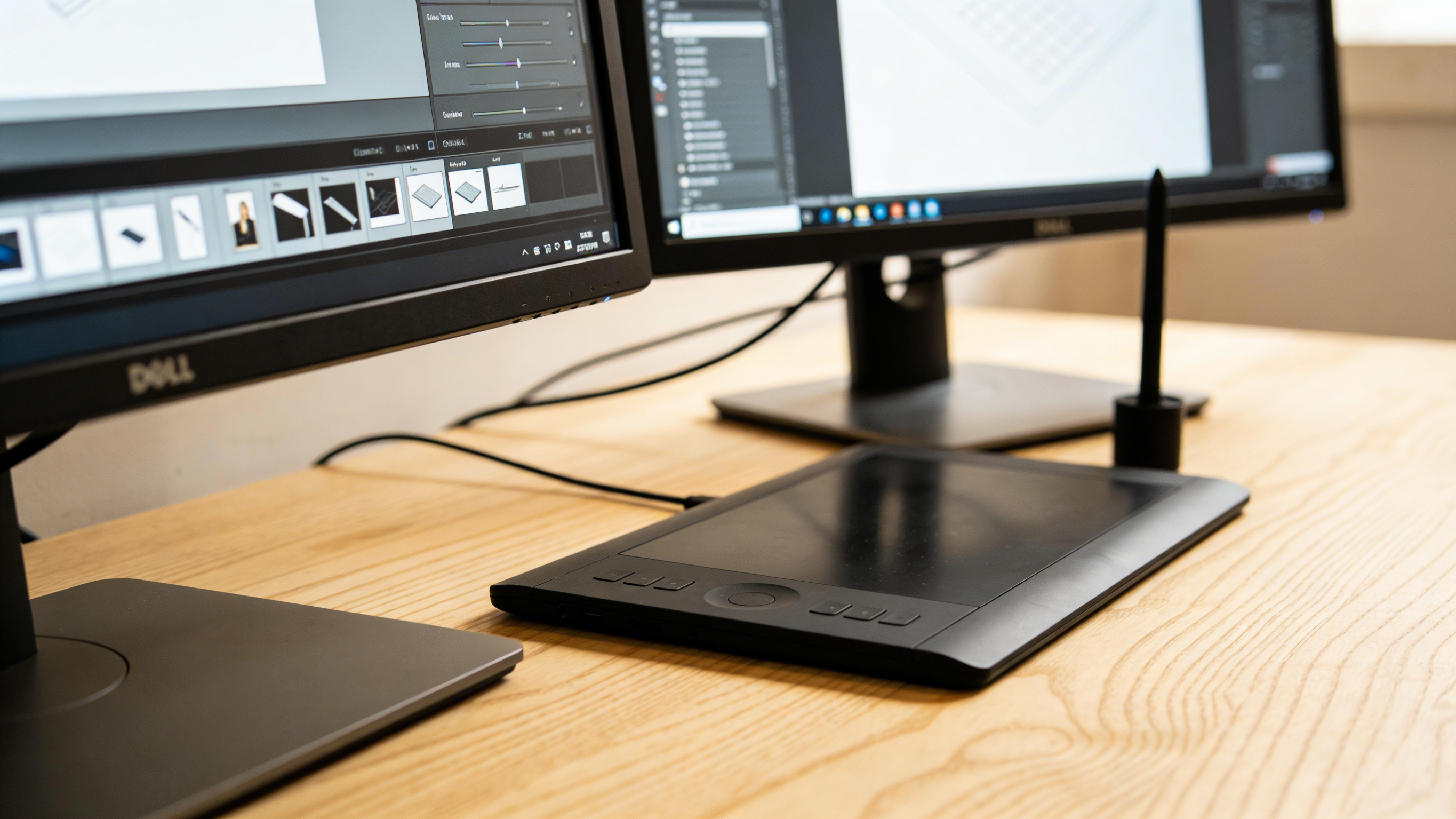
One of the most valuable yet misunderstood deductions is for the home office. If you exclusively and regularly use part of your home for your business, you can likely claim this deduction. Many freelancers skip it, fearing it's an audit red flag, but when calculated correctly, it's a perfectly legitimate expense.
How to Calculate Your Deduction
There are two primary methods sanctioned by tax authorities like the IRS:
- The Simplified Method: This is the easier option. You deduct $5 per square foot of your home office space, up to a maximum of 300 square feet (resulting in a maximum deduction of $1,500).
- The Regular Method: This involves calculating the actual expenses of your home. You’ll need to determine the percentage of your home devoted to business use and apply that percentage to expenses like:
- Mortgage Interest or Rent: The business portion of your monthly payment.
- Utilities: Electricity, gas, water, and internet (the portion used for work).
- Homeowners/Renters Insurance & Property Taxes: A proportional share.
- Repairs & Maintenance: Costs for fixing or maintaining the area used for business.
Pro Tip: The Regular Method often yields a larger deduction but requires detailed record-keeping. Choose the method that benefits you most for the tax year.

💻 Equipment, Software, and Supplies
From laptops to graphic design software, the tools of your trade are deductible. The key is understanding how to deduct them.
Immediate Deductions vs. Depreciation
- Section 179 Deduction: This allows you to deduct the full purchase price of qualifying equipment (like a computer, camera, or office furniture) in the year you buy it, up to a certain limit. It's a powerful way to offset a large expense immediately.
- Bonus Depreciation: Similar to Section 179, this may allow a large percentage of the cost to be deducted in the first year.
- Regular Depreciation: If you don't use the above methods, you spread the cost of the asset over its "useful life" (e.g., 5 years for a computer).
Commonly Overlooked Items:
- Subscriptions & Software: Adobe Creative Cloud, project management tools (Asana, Trello), cloud storage, accounting software, industry-specific memberships.
- Supplies: Notebooks, pens, printer ink, postage, shipping costs for client work.
- Cell Phone & Internet: The percentage used for business. Keep a log for a month to establish a reliable percentage.

📚 Education, Professional Development, and Memberships
Investing in yourself is an investment in your business, and the tax code recognizes that.
- Courses & Workshops: Fees for courses, webinars, or conferences that maintain or improve skills required in your current freelance work are deductible. (Note: Education to qualify for a *new* trade is generally not deductible).
- Books & Publications: The cost of business-related books, industry magazines, and online research materials.
- Professional Membership Dues: Fees for joining professional organizations, guilds, or chambers of commerce related to your field.

🚗 Vehicle and Travel Expenses
If you travel for business, don't leave these deductions on the table.
Business Mileage
You can deduct travel to client meetings, networking events, the office supply store, or other business errands. You have two options:
- Standard Mileage Rate: Multiply your business miles by the standard rate set by the tax authority (e.g., 67 cents per mile for 2024 in the U.S.). This rate covers gas, maintenance, and depreciation.
- Actual Expense Method: Track all actual car expenses (gas, oil, repairs, insurance, registration) and multiply by the percentage of business use. This requires a detailed mileage log.
Out-of-Town Business Travel
For trips requiring an overnight stay, you can deduct:
- Airfare, train, or other transportation to the destination.
- Lodging (hotel, Airbnb).
- 50% of meal costs while traveling.
- Tips, baggage fees, and ground transportation (taxis, ride-shares) at the destination.
🩺 Health Insurance and Retirement Contributions
These are major expenses that offer significant tax advantages for the self-employed.
Health Insurance Premiums
If you are not eligible for coverage through a spouse's plan or another employer, you can generally deduct 100% of your health, dental, and long-term care insurance premiums for yourself, your spouse, and dependents. This is an "above-the-line" deduction, meaning you can take it even if you don't itemize.
Retirement Plan Contributions
Contributing to a retirement plan is one of the best tax moves a freelancer can make.
- SEP IRA: Simple to set up, high contribution limits (up to 25% of net earnings).
- Solo 401(k): Allows for both employee and employer contributions, potentially allowing you to save more than a SEP IRA.
- Traditional IRA: Lower limits, but always an option. Contributions may be deductible depending on your income and retirement plan coverage.
Why it's a big deduction: The money you contribute reduces your taxable income for the year, grows tax-deferred, and you pay taxes only when you withdraw in retirement.

🛡️ Insurance, Legal, and Professional Fees
The cost of protecting and running your business is deductible.
- Business Insurance: Professional liability insurance (E&O), business property insurance, cyber liability insurance.
- Legal & Professional Fees: Fees paid to lawyers for contract review, to accountants for tax preparation (including the cost of preparing your Schedule C!), and to bookkeepers.
- Bank Fees: Fees for your business bank account or credit card.

📊 The Golden Rule: Documentation is Everything
A deduction is only as good as your proof. The single most important habit for a freelancer is impeccable record-keeping.
- Save Every Receipt: Use a scanner app on your phone or a dedicated folder. Digital copies are acceptable.
- Use a Separate Bank Account/Credit Card: This simplifies tracking business vs. personal expenses immensely.
- Maintain a Mileage Log: Use an app or a notebook in your car to record the date, purpose, and odometer readings for every business trip.
- Keep Records for 3-7 Years: Tax authorities can audit returns from several years prior.

🚫 What You Generally CANNOT Deduct
Knowing what not to deduct is just as important. Common non-deductible items include:
- Commuting from your home to a "regular" workplace (but driving from your home office to a client meeting is deductible).
- Personal portions of expenses (e.g., the part of your internet bill your family uses for streaming movies).
- Clothing you could wear outside of work (unless it's a required uniform or protective gear with a company logo).
- Fines and penalties (like traffic tickets).
- Political contributions.

Conclusion: Turning Overlooked Expenses into Savings
Filing taxes as a freelancer doesn't have to be a story of what you owe. By understanding and proactively tracking the full spectrum of legitimate business deductions—from your home office square footage to your health insurance premiums and professional development courses—you transform your tax return from a liability into a strategic financial tool. The difference between a freelancer who pays more than necessary and one who maximizes their savings often boils down to knowledge, organization, and the courage to claim what the tax code legally allows. Start implementing a robust tracking system today, consider consulting with a tax professional who understands self-employment, and approach your next tax filing with confidence, knowing you're not leaving money on the table.