Congratulations on deciding to start your strength training journey! The first week in the weight room can feel intimidating, but it's the most important step. This guide is designed to take you from complete beginner to feeling confident and capable after your first seven days. We'll cover everything from mindset and preparation to your first workout plan and recovery, ensuring you build a solid, safe foundation for long-term success.
🏋️♂️ Before You Lift: Mindset & Preparation
Success in the weight room starts long before you touch a barbell. Your mindset and preparation are crucial for a safe and effective first week.
Setting the Right Goals for Week One
Your goal for the first week is NOT to lift heavy or get sore. It's to learn and establish habits.
- Goal 1: Learn Proper Form. Focus on technique over weight. Use very light weights or just the bar.
- Goal 2: Navigate the Gym. Learn where equipment is, how to adjust machines, and gym etiquette.
- Goal 3: Build Consistency. Complete your planned 2-3 sessions. This builds the routine.
- Goal 4: Listen to Your Body. Understand the difference between good muscle fatigue and sharp pain.
Essential Gear & Gym Etiquette 🎒
Come prepared to feel comfortable and respect fellow gym-goers.
- What to Wear: Comfortable, breathable clothing and closed-toe, stable shoes (like trainers, not running shoes).
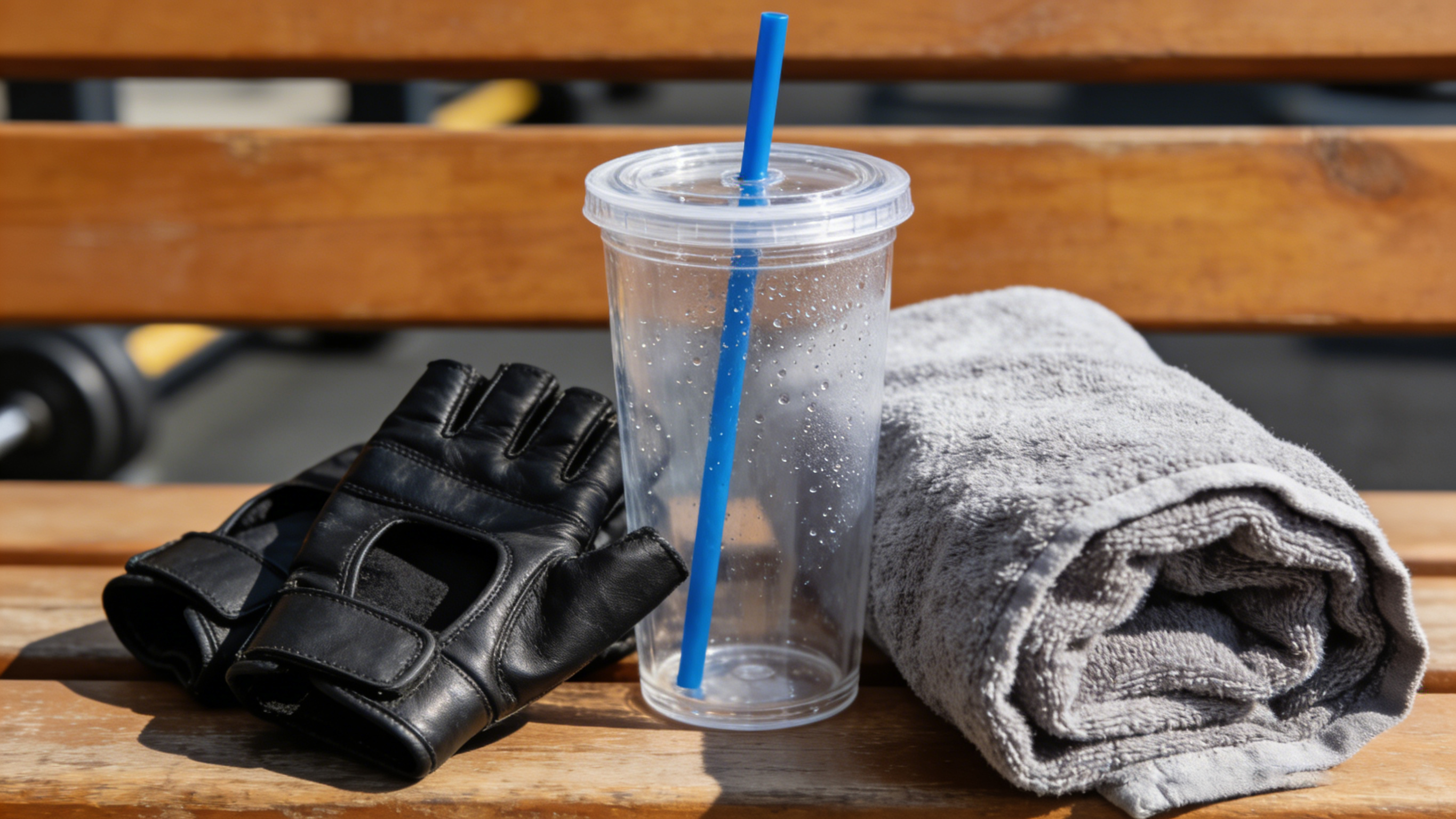
- What to Bring: A water bottle, a small towel, and workout gloves if desired (not necessary).
- Key Etiquette Rules:
- Wipe down equipment after use.
- Re-rack your weights and return dumbbells to their racks.
- Don't hog multiple pieces of equipment during peak hours.
- Offer to work in (share) with someone if they are waiting for a station.
📚 The Fundamentals: Key Movements & Form
Strength training is built on foundational movement patterns. Mastering these with light weight is your week-one priority.
1. The Squat Pattern 🪑
The squat is a fundamental movement for lower body strength.
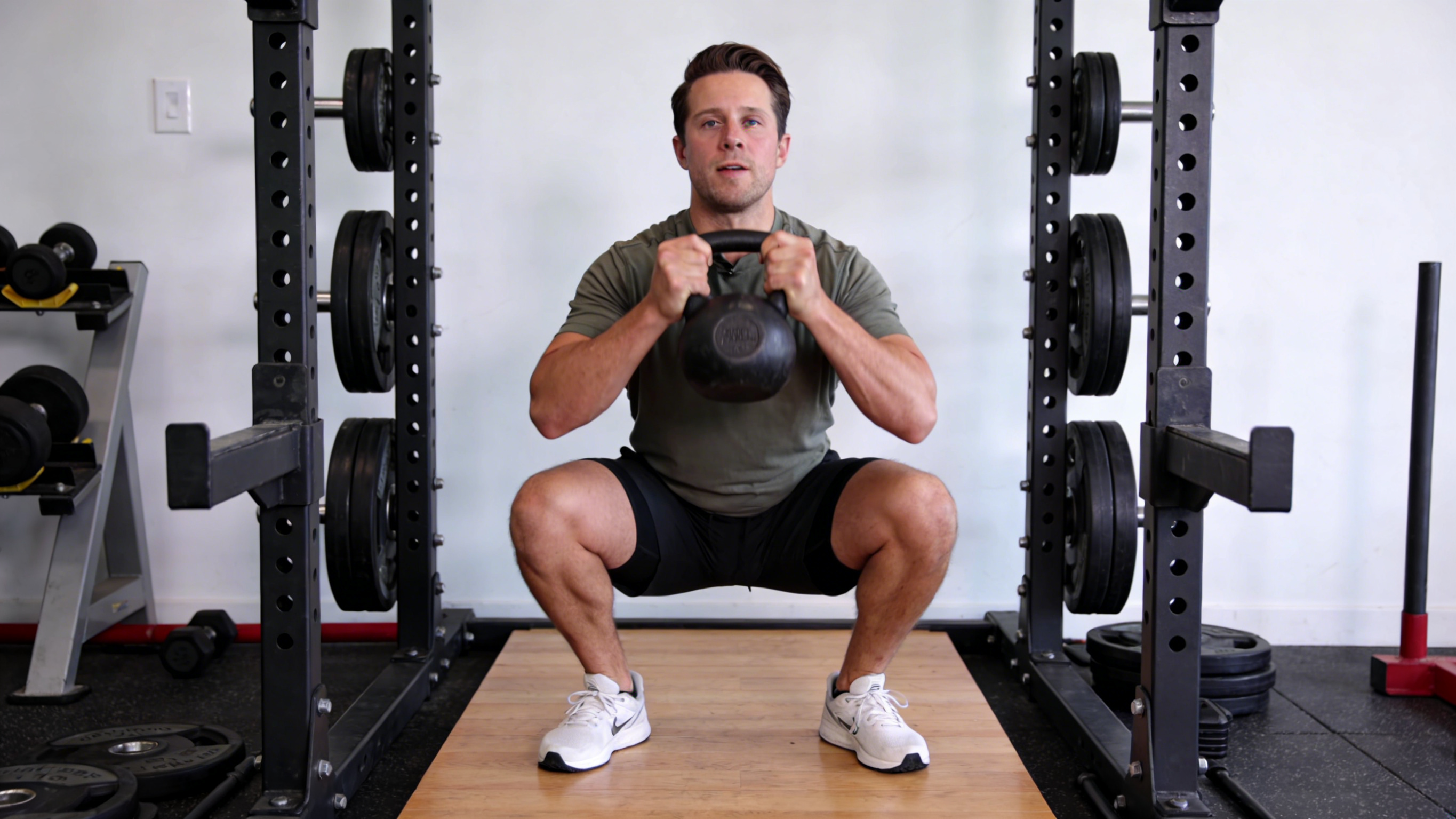
- How to Perform a Bodyweight/Goblet Squat:
- Stand with feet shoulder-width apart, toes slightly pointed out.
- Hold a light kettlebell or dumbbell at your chest (or just use bodyweight).
- Initiate the movement by pushing your hips back and down, as if sitting in a chair.
- Keep your chest up, back straight, and knees tracking over your toes.
- Lower until your thighs are at least parallel to the floor, then drive through your heels to stand back up.
- Common Mistakes: Letting knees cave in, rounding the lower back, not going deep enough.
2. The Hinge Pattern (Deadlift) ↗️
This pattern builds posterior chain strength (glutes, hamstrings, back).
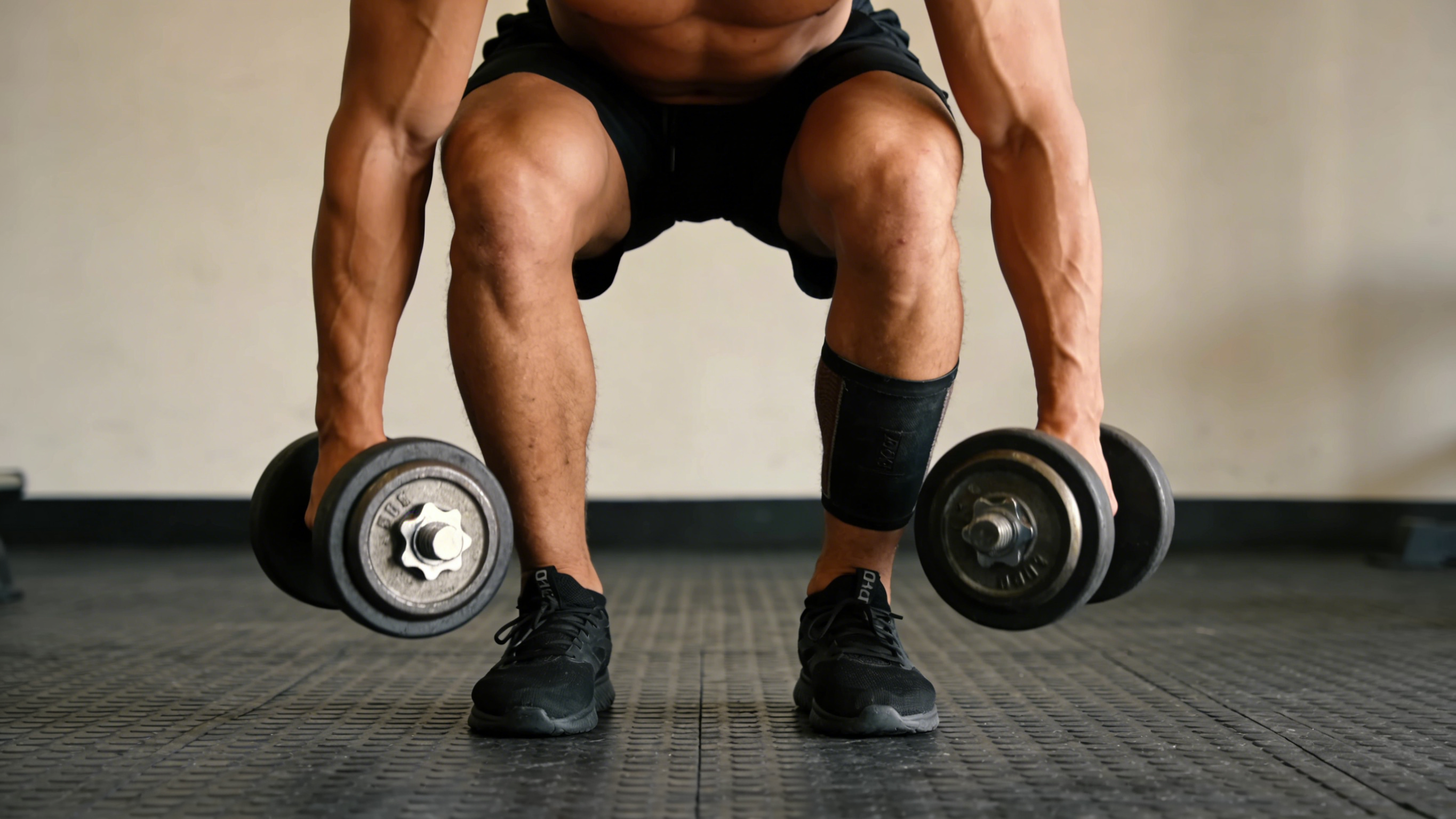
- How to Perform a Romanian Deadlift (RDL) with Dumbbells:
- Hold two light dumbbells in front of your thighs, feet hip-width apart.
- With a slight bend in your knees, push your hips straight back. Keep your back perfectly straight (neutral spine).
- Lower the weights along your shins until you feel a stretch in your hamstrings.
- Squeeze your glutes to push your hips forward and return to the starting position.
- Common Mistakes: Rounding the back, bending the knees too much (turning it into a squat), looking up.
3. The Push Pattern (Chest & Shoulders) ➡️
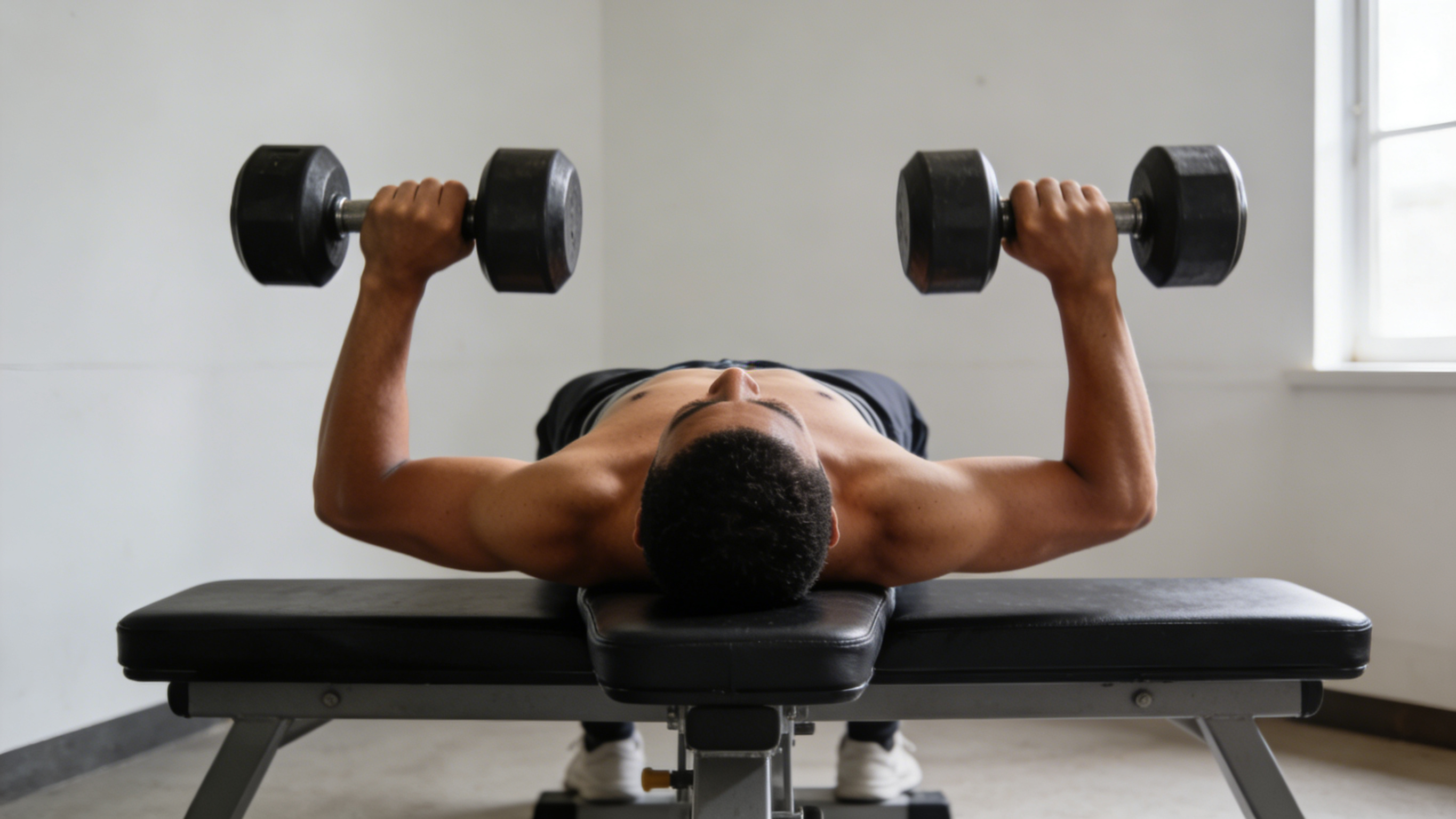
- Dumbbell Bench Press:
- Lie on a flat bench, feet planted on the floor.
- Hold dumbbells at your chest, palms facing forward.
- Press the weights up until your arms are extended (don't lock elbows).
- Lower them with control back to your chest.
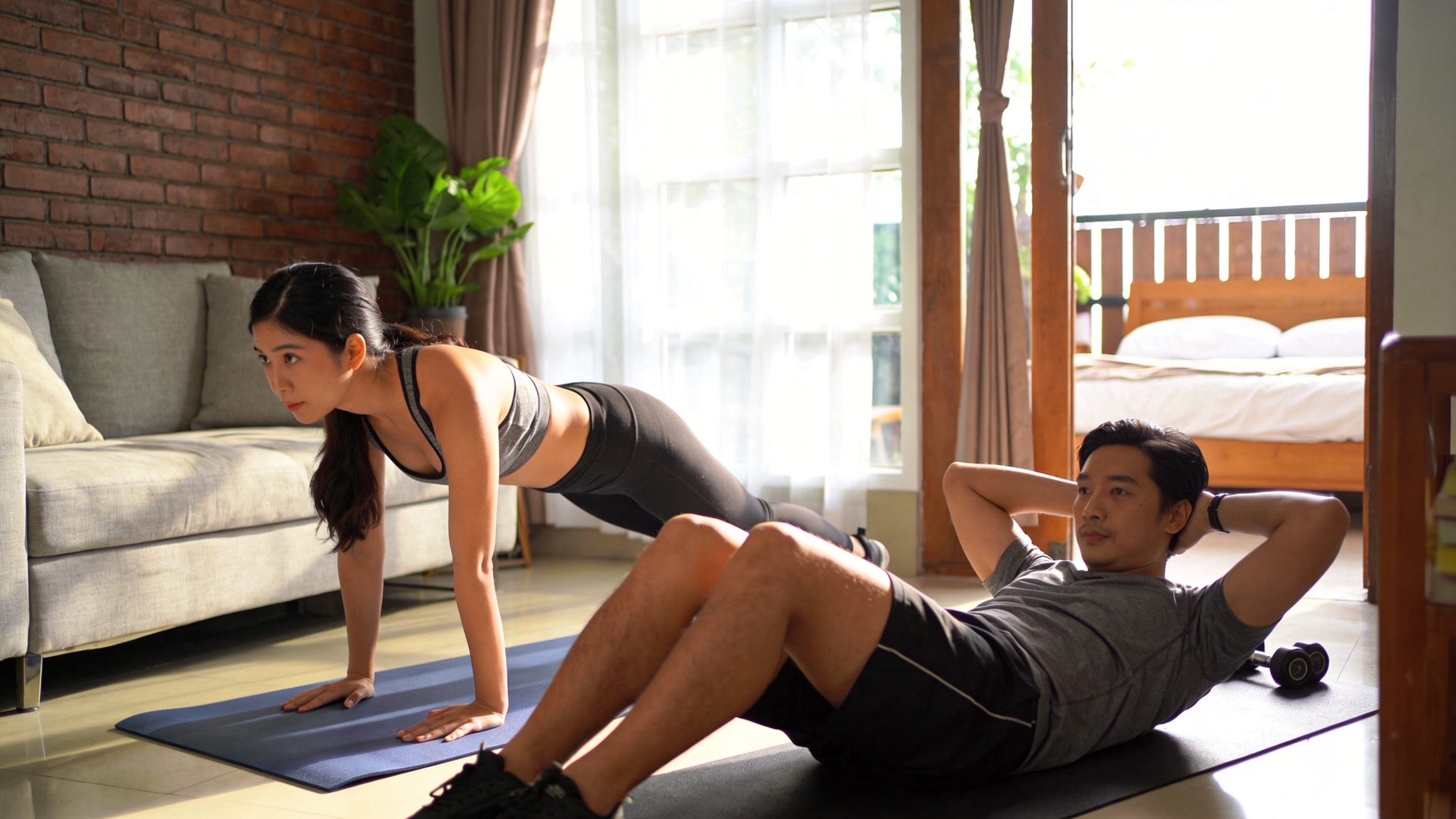
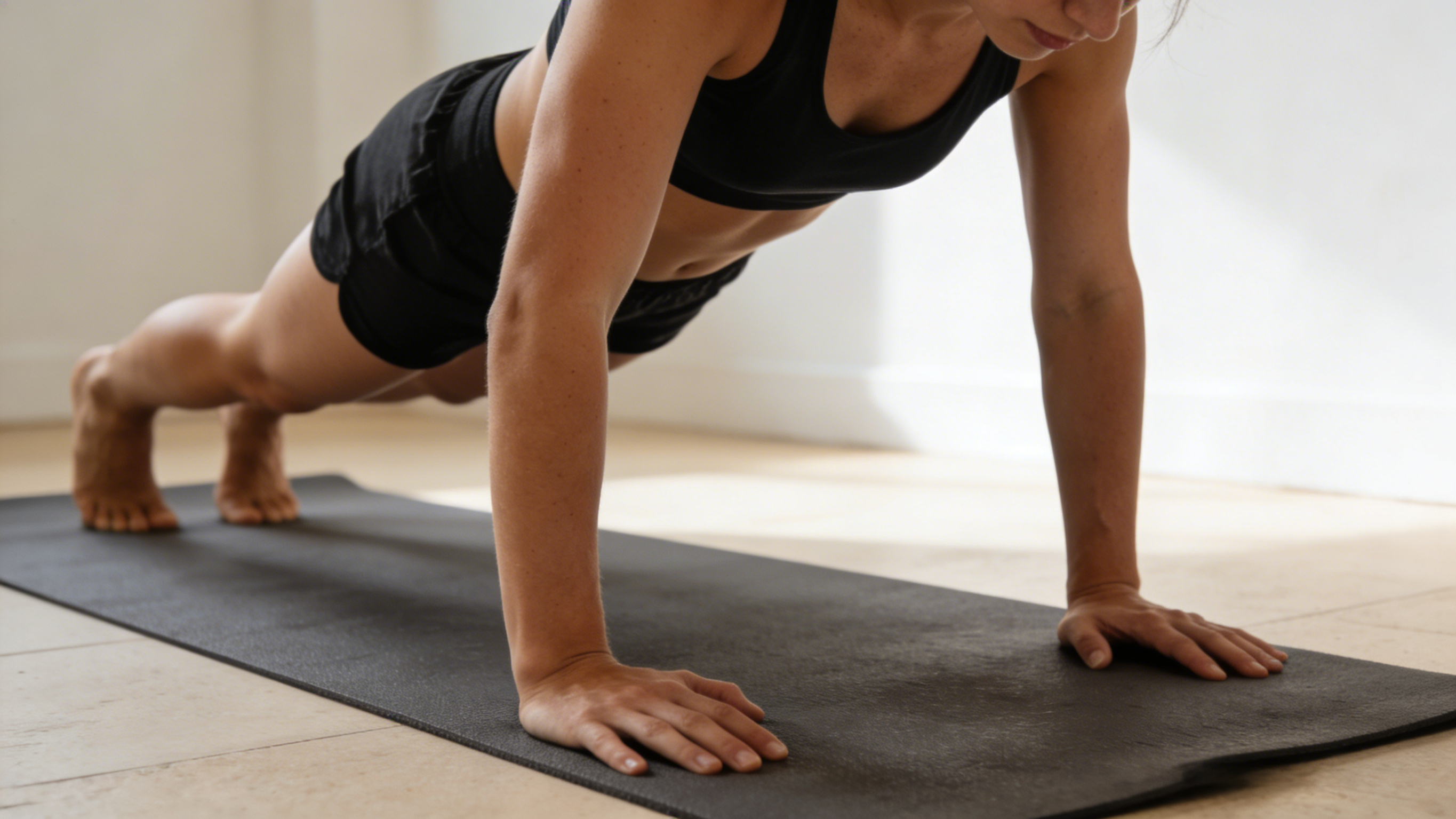
- Push-Ups (Knee or Wall): A great bodyweight alternative. Focus on a straight body line.
4. The Pull Pattern (Back) ⬅️
- Lat Pulldown (Machine): Excellent for beginners to learn back engagement.
- Sit at the machine, adjust knee pads, and grip the bar wider than shoulders.
- Lean back slightly, pull the bar down to your upper chest, squeezing your shoulder blades together.
- Control the weight back to the starting position.
- Dumbbell Rows: Place one knee and hand on a bench, back parallel to floor. Pull dumbbell to your hip.
📅 Your First Week Workout Plan
This is a full-body split performed 3 times this week (e.g., Monday, Wednesday, Friday). Always start with a warm-up and end with a cool-down.
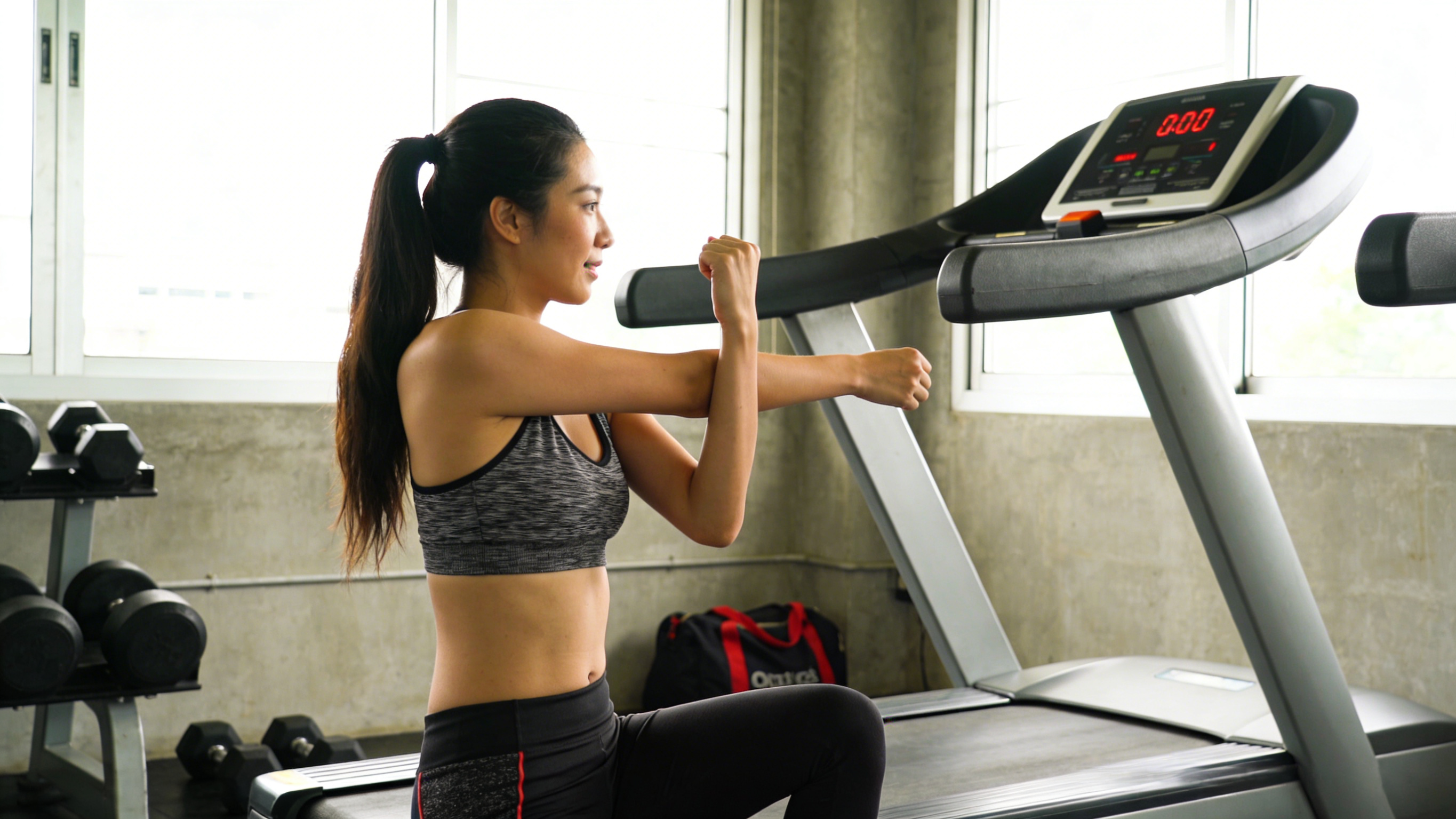
🔥 Warm-Up (5-10 Minutes Before Every Session)
- 5 minutes of light cardio (treadmill walk, bike).
- Dynamic Stretches: 10-15 reps each of leg swings, arm circles, torso twists, bodyweight squats.
Workout A & B (Alternate between these two)
Workout A
- Goblet Squats: 3 sets of 10-12 reps
- Dumbbell Bench Press: 3 sets of 10-12 reps
- Lat Pulldown: 3 sets of 10-12 reps
- Dumbbell RDL: 3 sets of 10-12 reps
- Plank: 3 holds for 20-30 seconds
Workout B
- Bodyweight/Leg Press Machine: 3 sets of 10-12 reps
- Seated Dumbbell Shoulder Press: 3 sets of 10-12 reps
- Cable Seated Row or Machine Row: 3 sets of 10-12 reps
- Dumbbell Lunges: 2 sets of 10 reps per leg
- Glute Bridges: 3 sets of 15 reps
❄️ Cool-Down (5 Minutes After Every Session)
- Light walking to bring heart rate down.
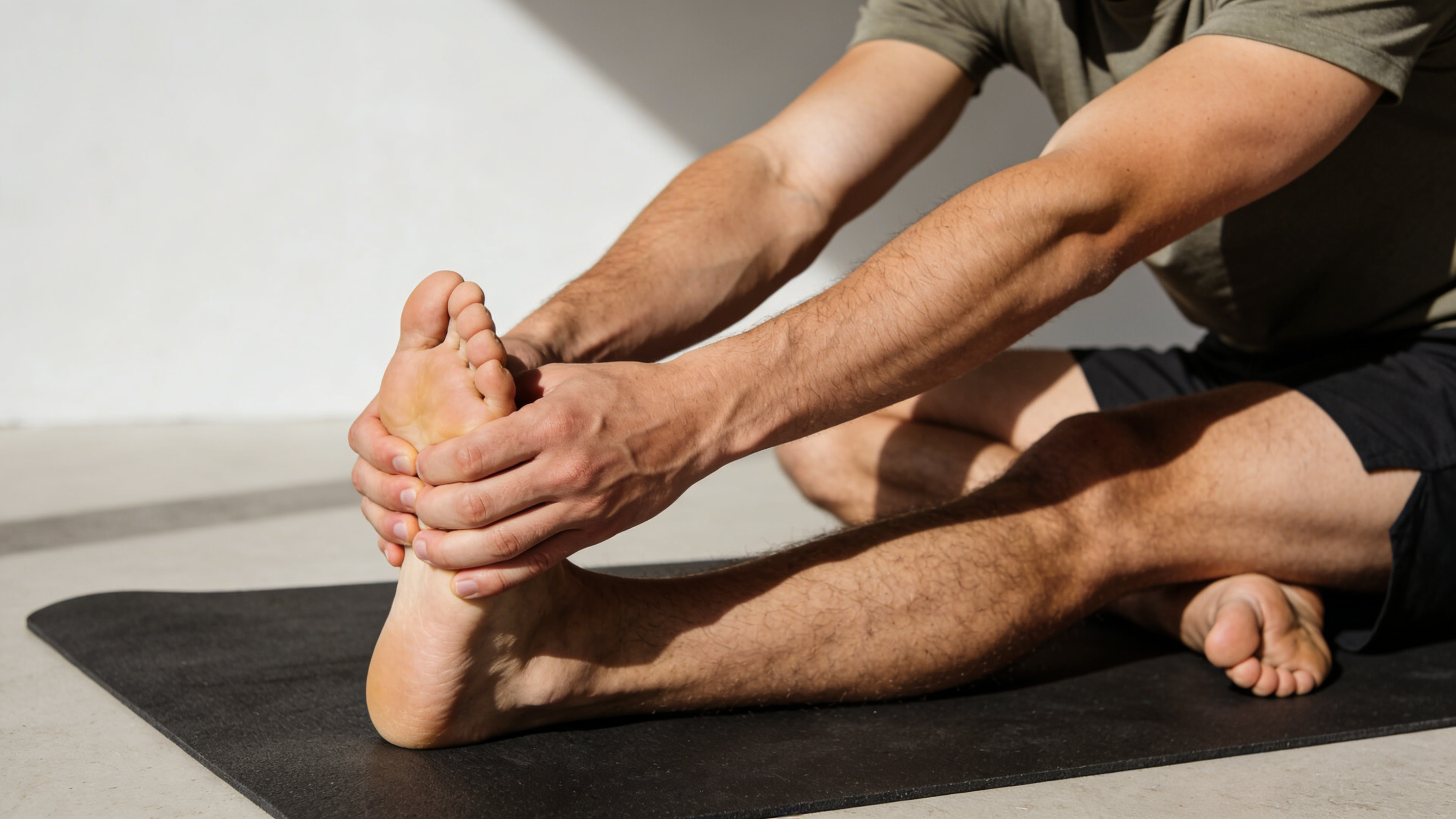
- Static Stretching: Hold each for 20-30 seconds: quad stretch, hamstring stretch, chest stretch, cat-cow.
⏰ Rest & Weight Selection
- Rest: Take 60-90 seconds of rest between sets.
- Weight: Choose a weight where the last 2 reps of each set are challenging but your form remains perfect. If form breaks, the weight is too heavy.
💪 What to Expect: Soreness, Progress, & Mindset
Delayed Onset Muscle Soreness (DOMS) 😫
It's normal to feel muscle soreness 24-48 hours after your first workouts.
- Why it happens: It's a natural response to novel stimulus (micro-tears in muscle fibers).
- How to manage it: Light activity (walking), proper hydration, foam rolling, and good sleep help reduce soreness.
- Warning: Sharp, joint, or radiating pain is NOT normal soreness. Stop the exercise if you feel this.
Tracking Your Progress 📈
Progress isn't just about adding weight.
- Form Improvements: Movements feel smoother and more controlled.
- Mind-Muscle Connection: You start to "feel" the target muscle working.
- Workout Capacity: You need less rest, or you can complete all reps with better form.
- Simple Log: Use a notebook or app to track exercises, sets, reps, and weights used.
🍎 Nutrition & Recovery: Fueling Your Start
You can't out-train a bad diet, especially for recovery.
Nutrition Basics for Day 1 🥗
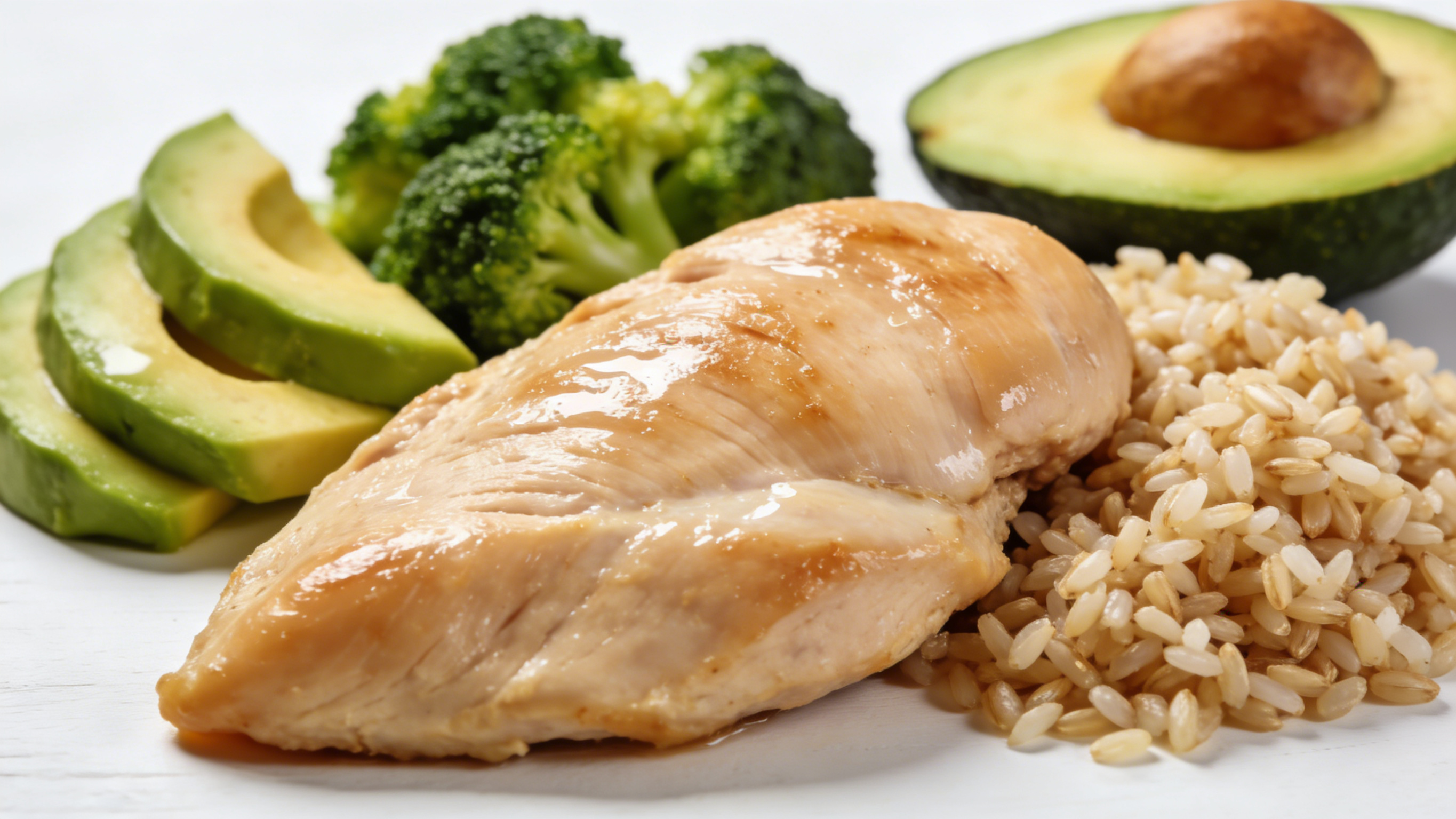
- Protein: Essential for muscle repair. Include a source (chicken, fish, eggs, tofu, protein shake) in each meal.
- Carbohydrates: Your body's main fuel source. Eat whole grains, fruits, and veggies, especially around your workout.
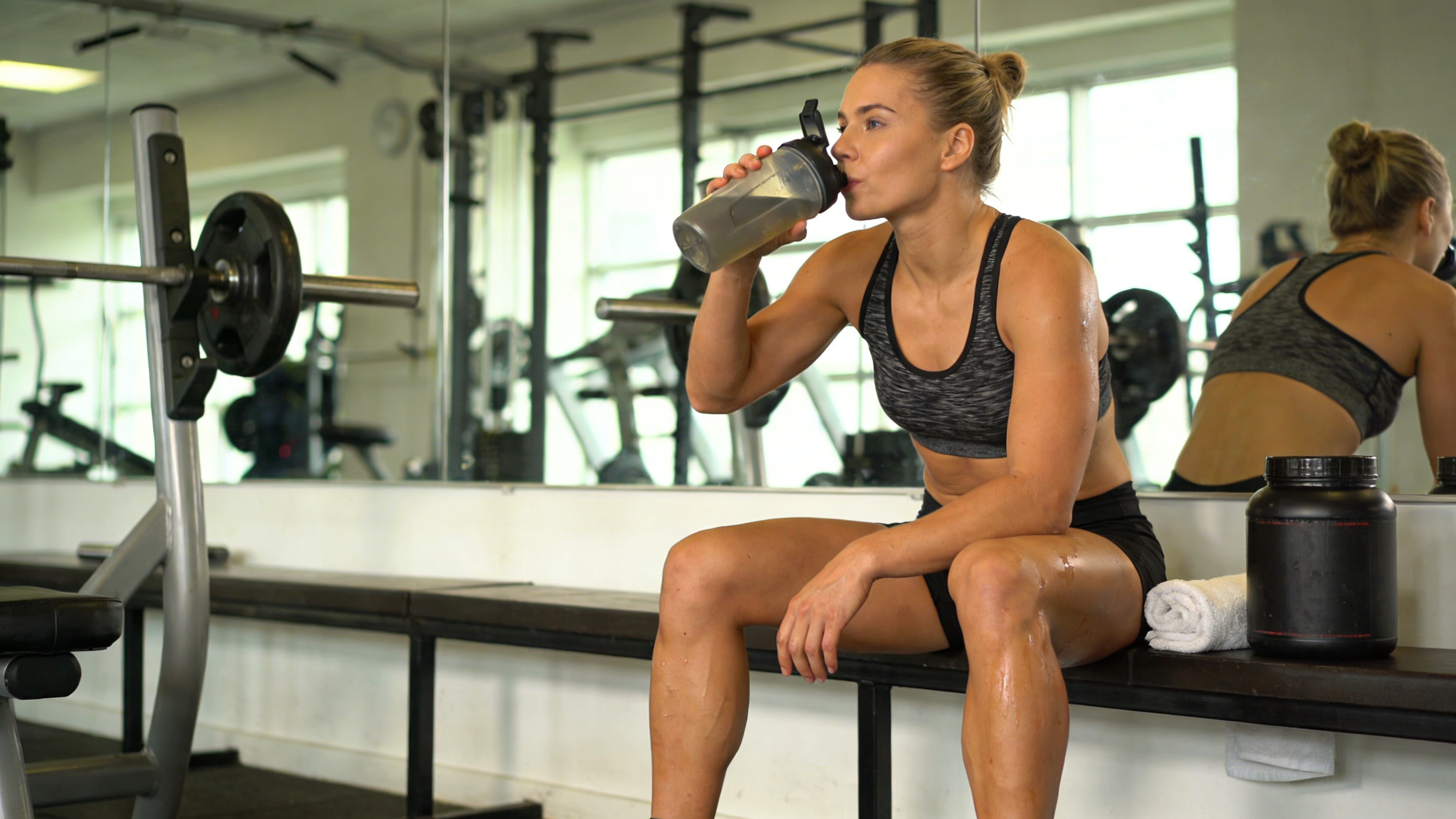
- Hydration: Drink water consistently throughout the day. Dehydration hurts performance and recovery.
- First Week Focus: Don't overcomplicate. Just aim for balanced meals and stay hydrated.
The Role of Sleep 🛌
Muscles repair and grow during sleep, not in the gym.
- Goal: Aim for 7-9 hours of quality sleep per night.
- Impact of Poor Sleep: Increases soreness, hurts motivation, and impairs recovery and performance.
🚫 Common First-Week Mistakes to Avoid
- Using Too Much Weight: This is the #1 mistake. It leads to bad form and injury. Ego has no place here.
- Skipping the Warm-Up/Cool-Down: They prevent injury and improve performance. Don't skip them.
- Comparing Yourself to Others: Everyone started somewhere. Focus on your own journey.
- Not Asking for Help: If you're unsure how to use a machine, ask a staff member. It's their job to help.
- Neglecting Non-Lifting Days: Active recovery (walking, stretching) on off-days is beneficial.
🎯 Conclusion: Your Journey Begins Now
Your first week of strength training is about exploration, education, and establishing a positive relationship with the gym. You've taken the hardest step—walking through the door. Remember, every expert was once a beginner. Focus on consistent action, perfect practice of the fundamentals, and listening to your body. Be patient, trust the process, and celebrate the small victories, like completing your first full workout or mastering a new movement pattern. You are building more than muscle this week; you are building discipline, resilience, and the foundation for a healthier, stronger you. Keep showing up, and the results will follow.