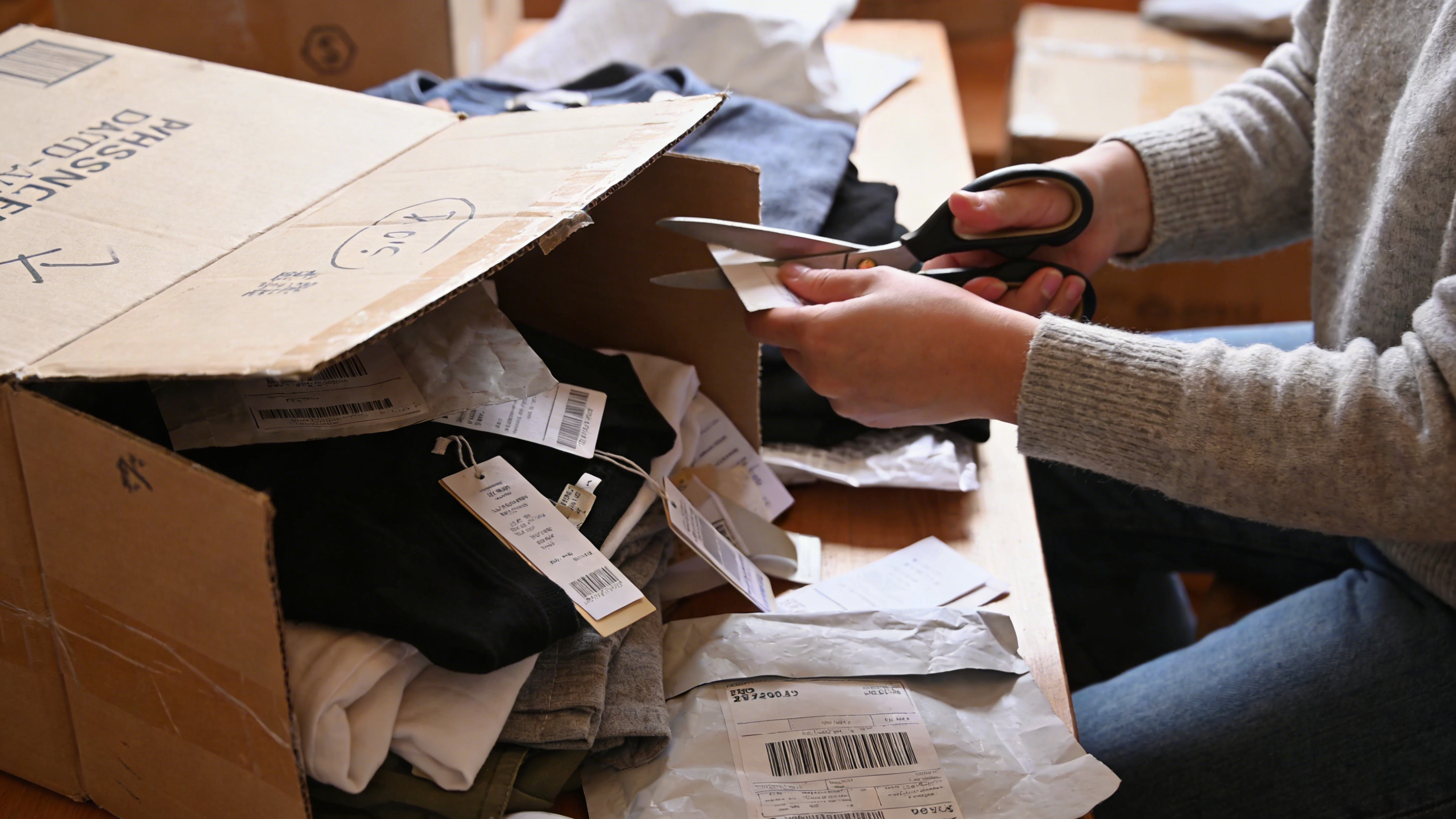
In today's digital age, our relationship with clothing is more polarized than ever. On one side, platforms like TikTok glorify the "Shein haul" – massive, budget-friendly packages of trendy items arriving at our doors weekly. On the other, the slow fashion movement advocates for mindful consumption, quality, and ethics. This clash represents more than just a style choice; it's a fundamental debate about the environmental, social, and personal cost of our clothing addiction. This article delves into the core of both worlds, examining their true impact beyond the price tag.
🌪️ The Allure of the Fast Fashion Haul: Speed, Price, and Volume
The business model of ultra-fast fashion giants like Shein is built on three pillars: unprecedented speed, rock-bottom prices, and vast volume. It caters directly to the instant gratification culture fueled by social media.
The Mechanism of a "Haul"
How does this system work so effectively?
· Micro-Trends & Data-Driven Design: Instead of traditional seasonal collections, companies use real-time data from search trends and social media to identify "micro-trends." Designs are produced in tiny batches (sometimes as few as 50-100 pieces) to test the market, with successful items being re-ordered rapidly.
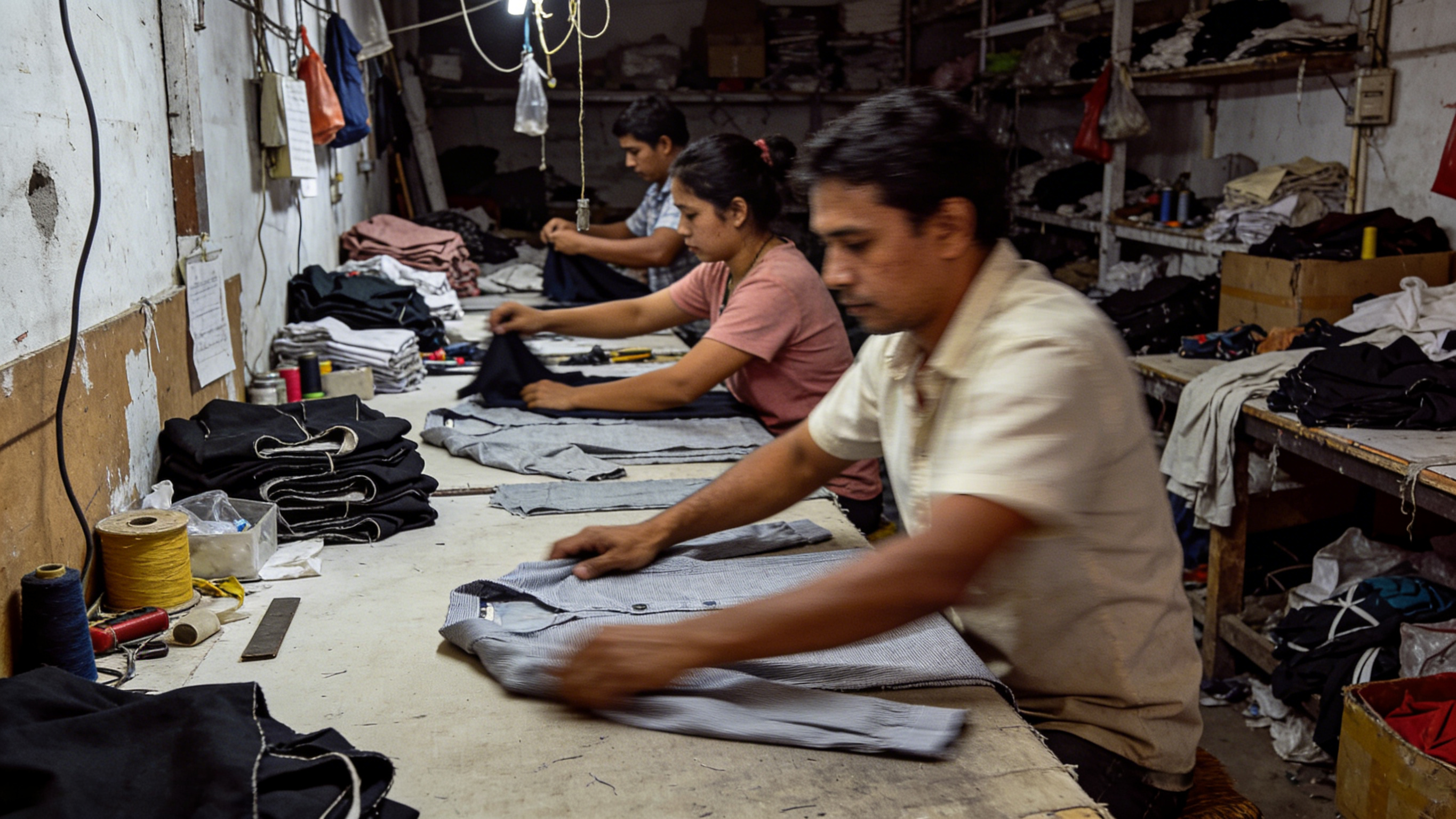
· The "Test and Repeat" Supply Chain: They operate on a hyper-efficient, on-demand model. Using a vast network of often small, subcontractor factories, they can go from design to product on the app in under two weeks. This minimizes inventory risk and capital investment.
· Psychological Pricing & Gamification: Items are priced so low ($5 for a top, $10 for a dress) that the perceived risk of purchase disappears. The app experience, with its endless scroll, live streams, and points systems, is designed to be addictive, encouraging multiple small purchases that add up to a large "haul."
Advantages of the Haul Culture
Why are consumers drawn to it?
1. Accessibility & Inclusivity: It allows people, especially younger consumers on tight budgets, to participate in fashion trends they would otherwise be priced out of. The wide range of sizes and styles offers a sense of inclusion.
2. Constant Novelty: It feeds the desire for newness. With thousands of new items uploaded daily, there is always something fresh to discover, aligning perfectly with the pace of social media content creation.
3. Democratic Style Experimentation: The low cost allows for experimentation with bold styles, colors, and silhouettes without a significant financial commitment.
Disadvantages & The Hidden Cost
The low price point masks a much higher cost paid elsewhere.
1. Environmental Toll:
· Resource Depletion: Reliance on virgin polyester (derived from fossil fuels) and conventional cotton (water-intensive) is immense.
· Pollution: Dyeing and treatment processes often release toxic chemicals into waterways in manufacturing countries.
· Waste: The low quality leads to garments being discarded after just a few wears. Combined with the sheer volume produced, this creates a massive landfill and incineration problem. Less than 1% of material used to produce clothing is recycled into new garments.
2. Human Cost:
· Labor Exploitation: The relentless pressure for low costs and fast turnaround is often borne by garment workers, who may face poor working conditions, unsafe environments, and wages below the living wage.
· Uncertainty: The on-demand model can lead to unstable, unpredictable work for factory employees.
3. Personal Cost:
· Diminished Quality & Value Perception: Clothing becomes disposable, reducing the emotional and practical value we assign to it.
· Clutter & Decision Fatigue: An overload of cheap, low-quality items can clutter our spaces and minds.
· Financial Drain: Small, frequent purchases add up, often without the buyer realizing how much is spent over time.
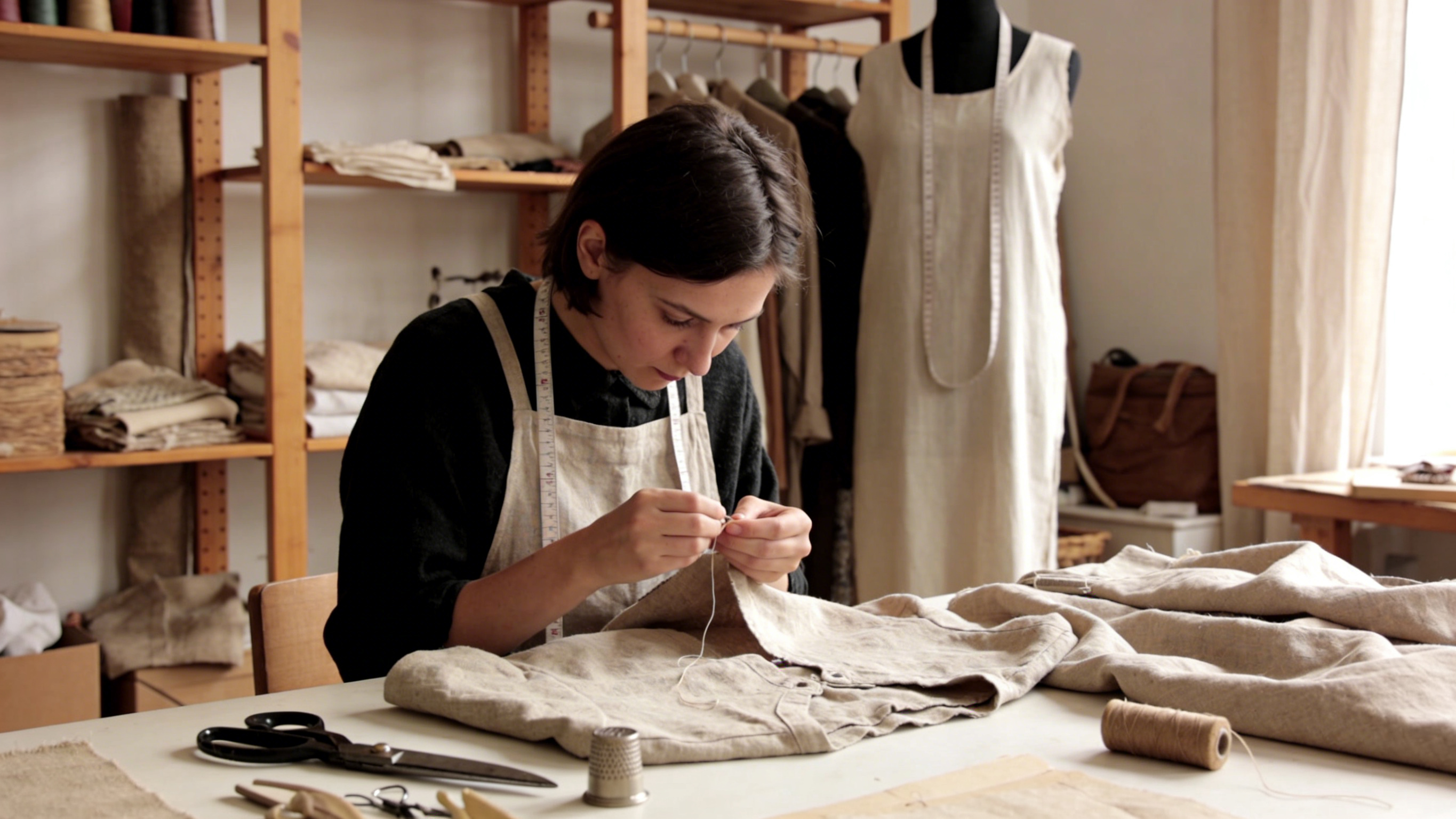
🐢 The Philosophy of Slow Fashion: Mindful, Ethical, Sustainable
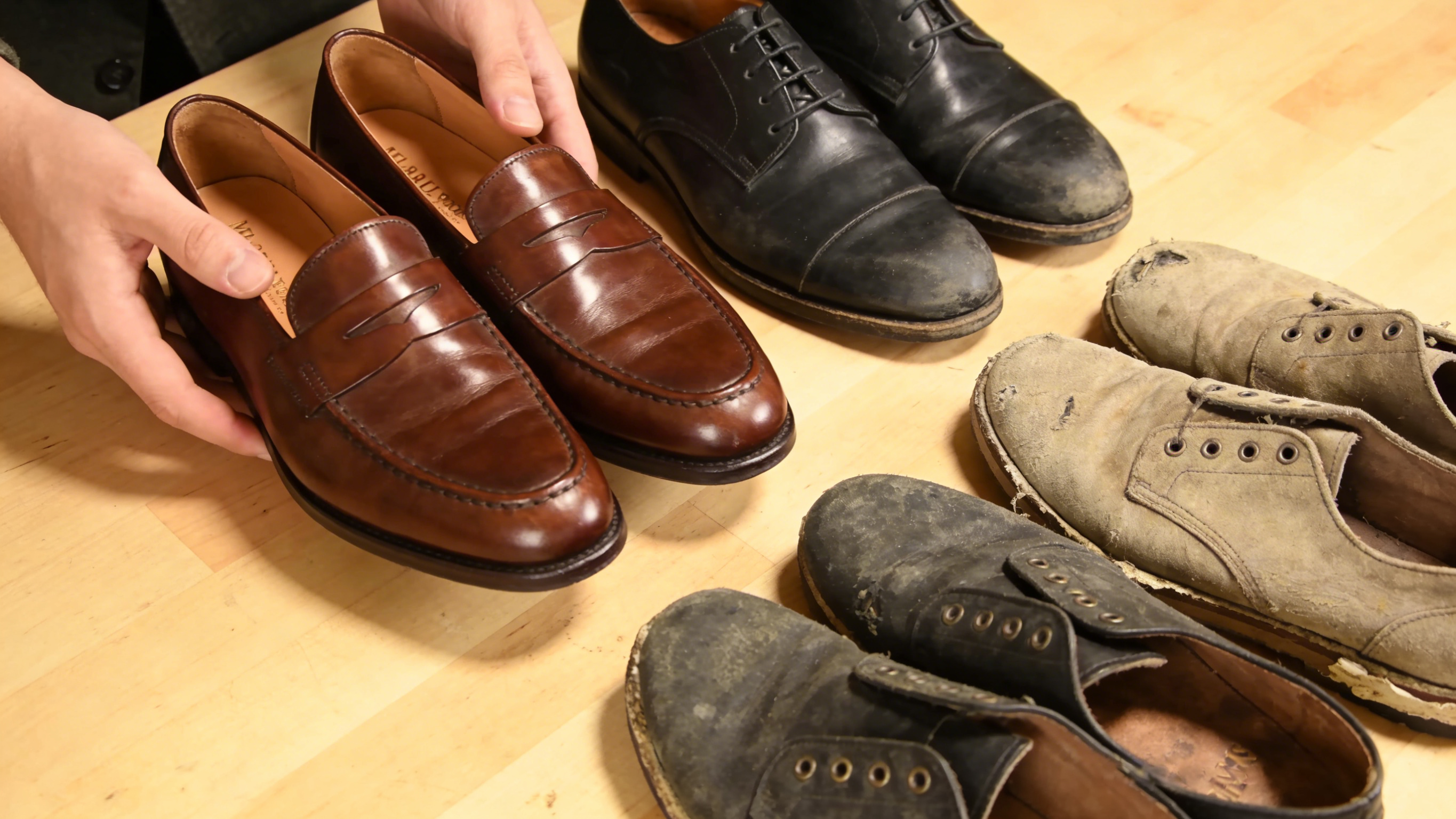
Slow fashion is a conscious reaction to the fast fashion model. It views clothing as an investment, not a disposable commodity, emphasizing quality, ethics, and longevity.
The Core Principles
What defines the slow fashion approach?
· Transparency & Traceability: Brands openly share where their clothes are made, by whom, and with what materials. They often build direct relationships with artisans and small factories.
· Quality Over Quantity: Focus is on durable materials (organic cotton, linen, Tencel, recycled fabrics) and timeless design that transcends fleeting trends.
· Ethical Production: A commitment to fair wages, safe working conditions, and respect for workers' rights throughout the supply chain.
· Reduced Environmental Impact: Utilizing sustainable materials, lower-impact dyes, water-saving techniques, and circular business models (like repair, resale, or recycling programs).
Advantages of Slow Fashion
The benefits extend beyond the individual wardrobe.
1. Environmental Stewardship: Significantly lower carbon, water, and chemical footprint per garment over its lifetime. Support for regenerative agriculture and closed-loop systems.
2. Social Responsibility: Contributes to sustainable livelihoods and community development in producing regions. Upholds human dignity in the workplace.
3. Personal & Economic Value:
· Cost-Per-Wear: A higher initial investment pays off as the garment lasts for years or even decades.
· Personal Style Development: Encourages a curated wardrobe of pieces you truly love and wear regularly.
· Reduced Clutter & Stress: A smaller, intentional wardrobe simplifies daily decisions and space management.
Disadvantages & Challenges
Why isn't everyone adopting slow fashion?
1. Higher Price Point: The most significant barrier. Ethical materials and fair labor cost more, placing slow fashion out of immediate reach for many consumers.
2. Accessibility & Size Inclusivity: Many small, sustainable brands have limited size ranges and are not as widely available as fast-fashion giants.
3. Perceived "Lack of Trendiness": While evolving, slow fashion is often associated with a minimalist, neutral, or "basics" aesthetic, which may not satisfy the desire for bold, trend-driven pieces.
4. Greenwashing Risk: Some larger brands use sustainable "collections" as marketing tools without making systemic change, making it hard for consumers to discern truly ethical companies.
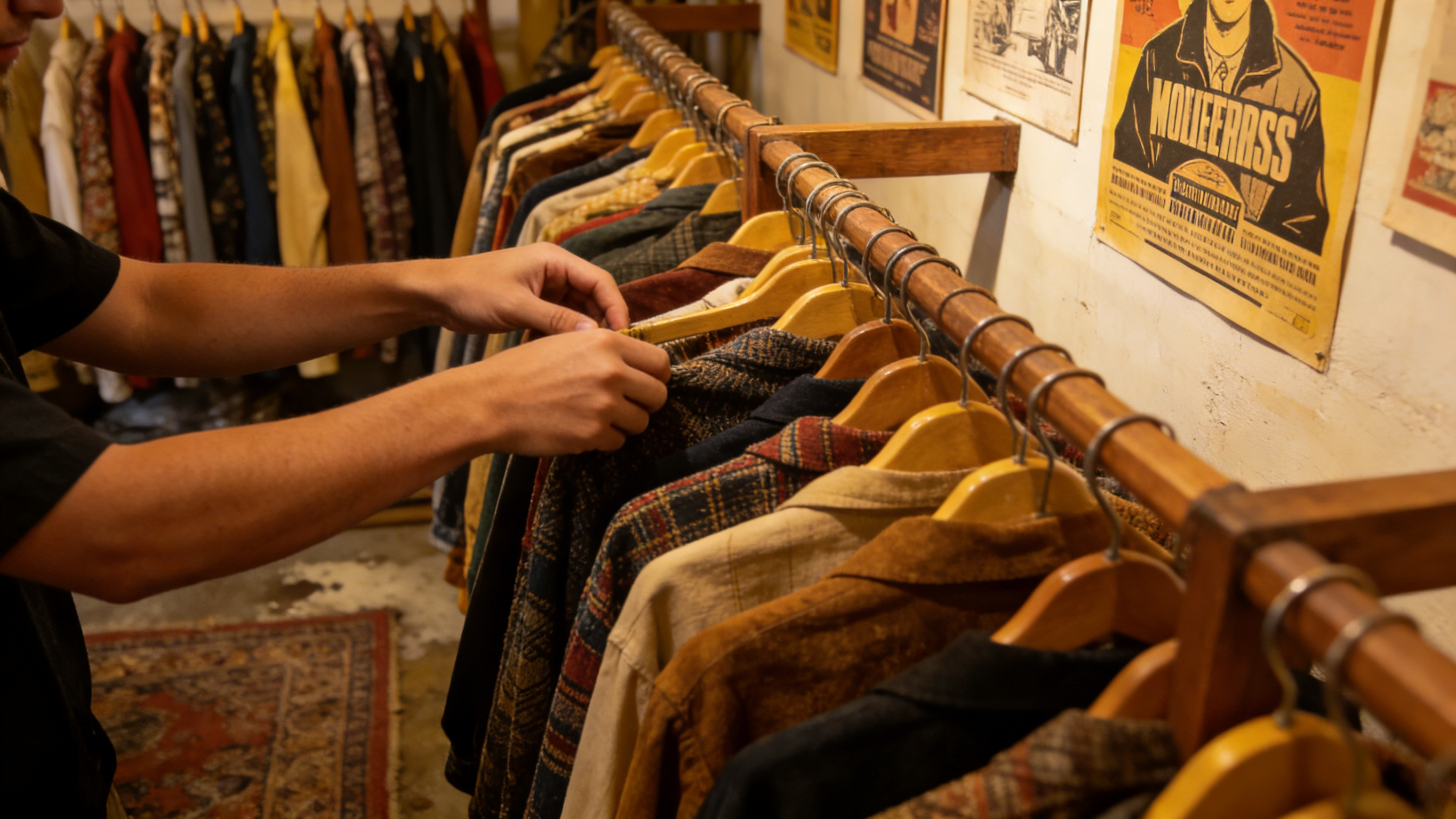
⚖️ The True Cost: A Comparative Analysis
Let's break down the real cost of a typical Shein haul versus a slow fashion purchase, looking beyond the receipt.
For a $50 Shein Haul (e.g., 5 dresses)
What You Get: Immediate variety, trend participation, social media content.
Environmental Cost: High. Likely several kilograms of CO2 emissions, thousands of liters of virtual water, chemical pollution, and future textile waste with low recyclability.
Social Cost: Unknown. Opaque supply chain likely obscuring pressure on workers to meet low-cost, fast deadlines.
Long-Term Personal Cost: Garments may lose shape, color, or seams quickly. The psychological cycle of "buy, wear briefly, discard, buy again" is reinforced.
For a $50 Slow Fashion Item (e.g., one ethically made t-shirt)
What You Get: One high-quality, durable garment made with intention.
Environmental Cost: Low to Moderate. Lower impact per wear, especially if made from organic or recycled materials. Designed for a long life.
Social Cost: Positive. Contribution to a fair wage and safe conditions for the people who made it.
Long-Term Personal Value: High. The item becomes a wardrobe staple. Over 50+ wears, its cost-per-wear drops below $1, offering superior value and reducing the overall need to shop.
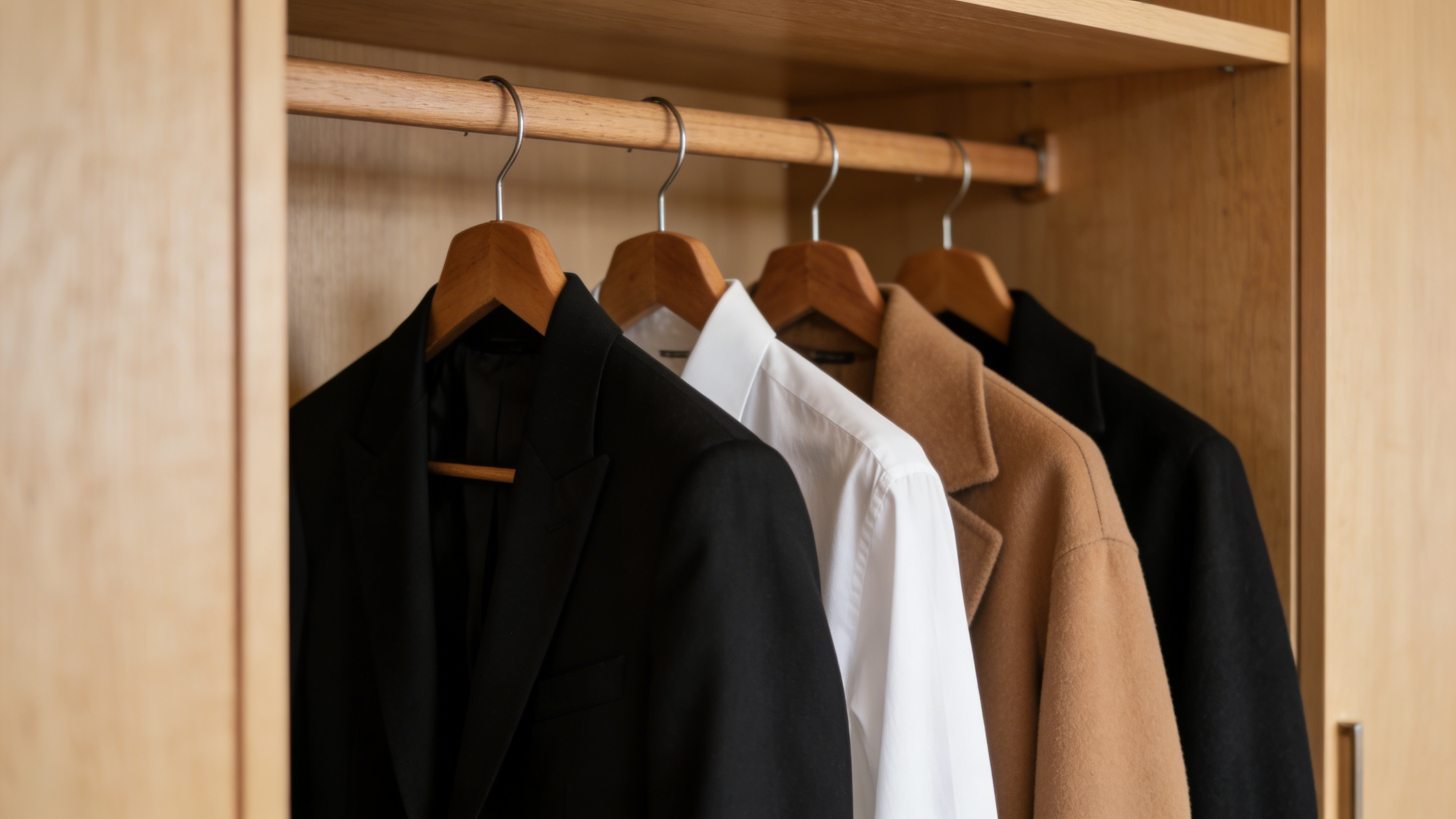
🛤️ Navigating the Path Forward: From Addiction to Intention
Completely abstaining from fast fashion is not a realistic solution for everyone. The path forward is about mindful progress, not perfection. Here are actionable steps to redefine your relationship with clothing.
Step 1: Audit & Mindset Shift
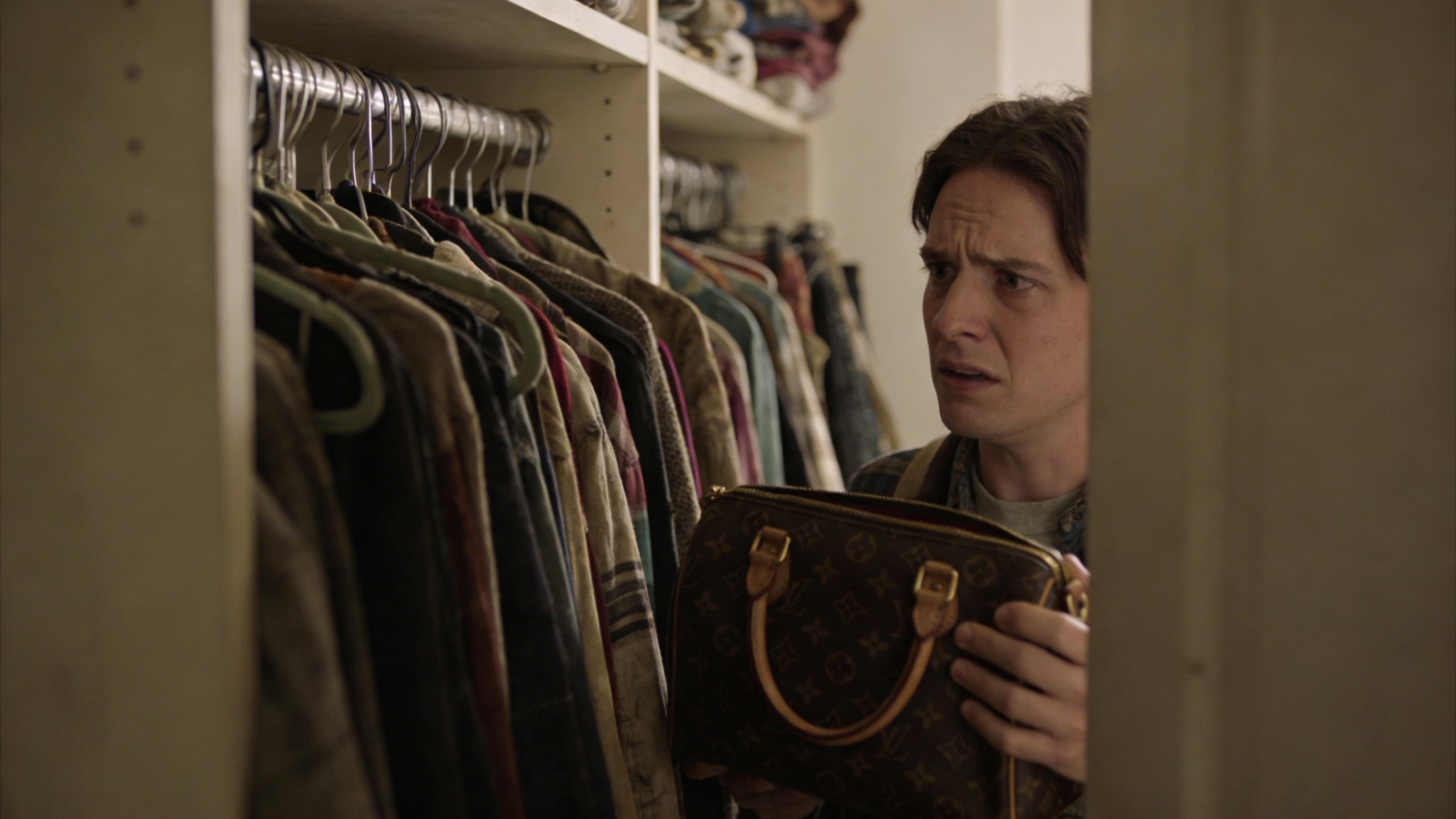
1. Conduct a Wardrobe Audit: Assess what you already own. Identify what you love, what you wear, and what you've forgotten.
2. Embrace the "Cost Per Wear" Mindset: Before buying, ask: "How many times will I wear this?" A $100 coat worn 100 times is a better value than a $20 coat worn twice.
3. Unsubscribe & Curate Feeds: Mute haul content. Follow slow fashion advocates, stylists, and sustainable brands to reshape your consumption desires.
Step 2: Change Buying Habits
1. The 30-Wear Test: Pledge to only buy an item if you can commit to wearing it at least 30 times.
2. Embrace Second-Hand First: Thrifting, depop, and vintage stores are the ultimate form of recycling fashion. It's affordable, unique, and circular.
3. Invest in "Slow Fashion" Staples: Allocate budget for key items (jeans, boots, a good coat) from ethical brands. Fill in trendier pieces second-hand or through rental services.
4. Practice the "One-In, One-Out" Rule: For every new item brought in, donate or sell one you no longer wear.
Step 3: Care, Repair, and Reimagine
1. Learn Basic Mending: Sewing on a button or darning a sock extends a garment's life dramatically.
2. Care for Clothes Properly: Wash less frequently, use cold water, air dry. This conserves energy and preserves fabrics.
3. Reimagine Your Wardrobe: Host clothing swaps with friends. Get creative with styling what you already own instead of buying new.
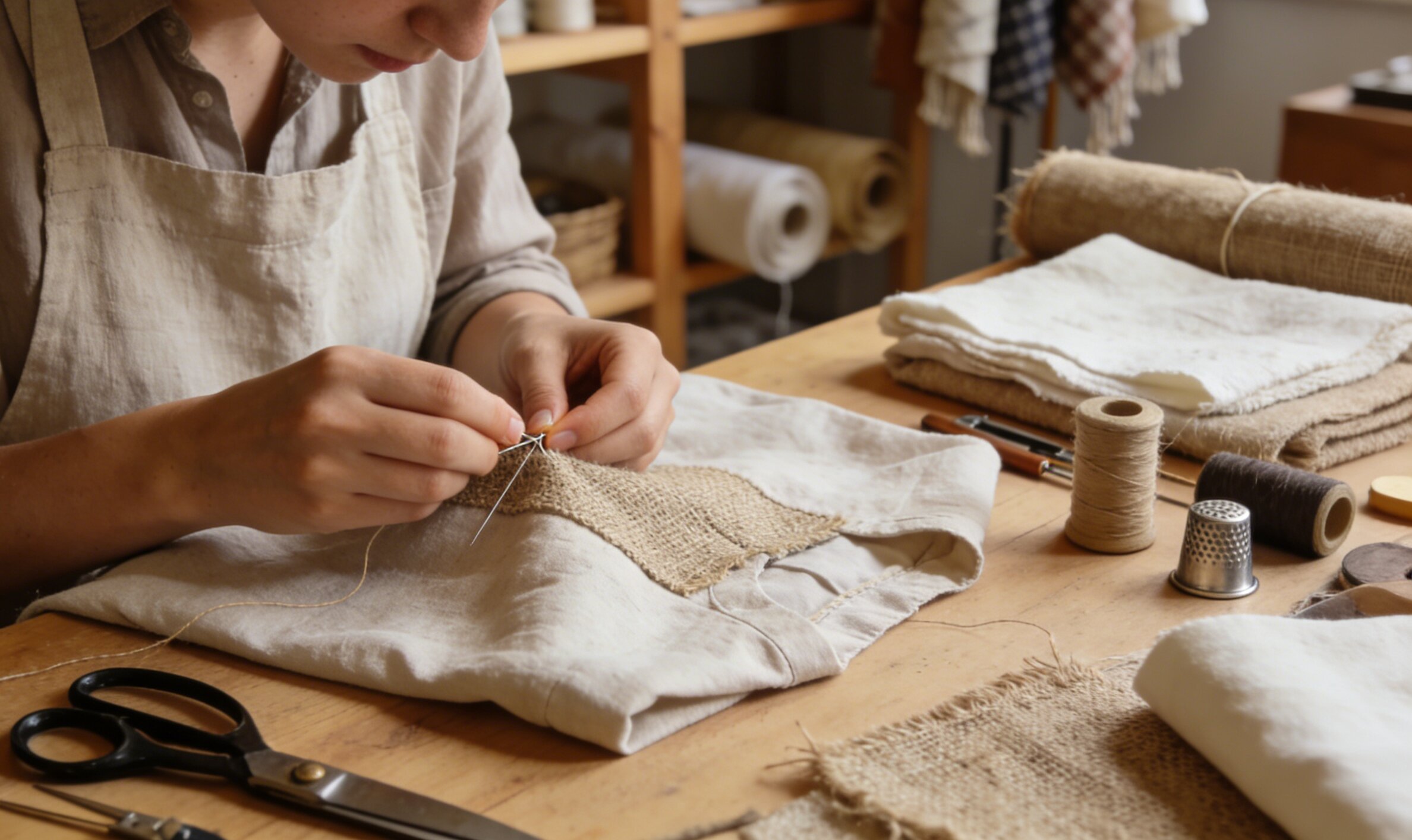
💎 Conclusion: The True Cost is a Choice
The dichotomy between Shein hauls and slow fashion is ultimately a choice about what we value. The fast fashion haul offers the immediate thrill of newness at a low financial price but externalizes enormous environmental and social costs. Slow fashion asks for a higher initial investment of money and mindfulness but pays dividends in quality, ethics, and long-term sustainability—for both the planet and our personal style.
Our clothing addiction is not just about filling closets; it's about the systems we support with every purchase. By shifting from volume-driven consumption to value-driven curation—by buying less, choosing well, and making it last—we can begin to pay the true cost of our fashion ourselves, rather than passing a devastating bill to the environment and vulnerable communities. The most sustainable garment, after all, is the one already in your wardrobe.