Watching your beloved pet grow older is a journey filled with deep affection and new responsibilities. Our senior companions, having given us years of joy and loyalty, deserve our utmost care and understanding as they enter their golden years. Caring for an aging pet isn't just about managing health issues; it's about adapting their lifestyle to ensure their comfort, happiness, and dignity. This guide provides a comprehensive, step-by-step approach to navigating the unique needs of your senior dog or cat, transforming challenges into opportunities for continued bonding and quality life.
👩⚕️ Priority One: Enhanced Veterinary Care & Monitoring
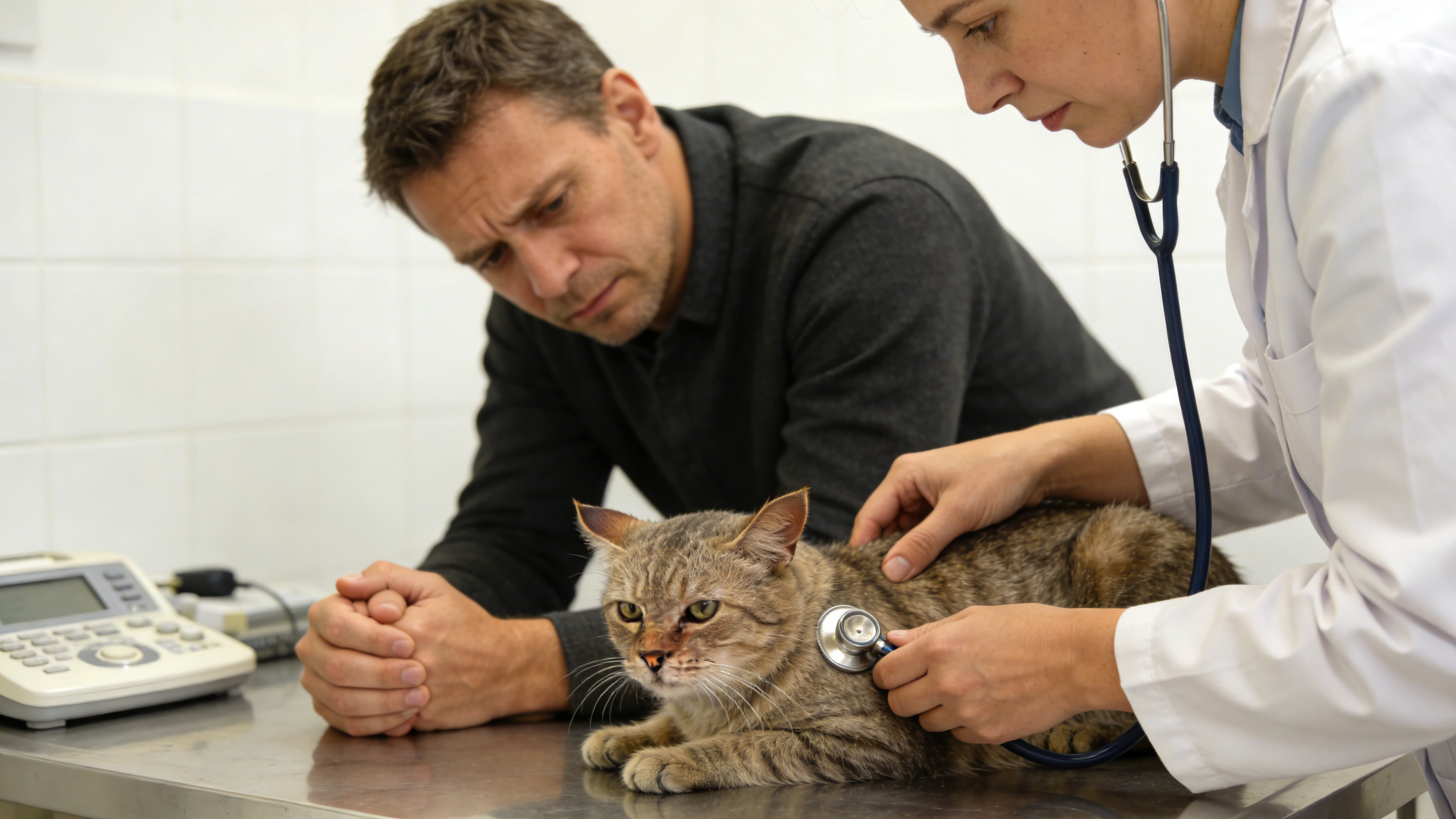
As pets age, their bodies undergo significant changes. Proactive and regular veterinary care becomes the cornerstone of preventing small issues from becoming major crises. Think of your vet as your essential partner in your pet's aging journey.
Commit to Regular Senior Wellness Exams
Biannual check-ups (every 6 months) are crucial because one year for a pet is equivalent to 5-7 human years. Conditions can develop rapidly.
· What to Expect: These exams are more thorough than annual adult check-ups.
1. Detailed Physical: Checking weight, body condition, eyes, ears, teeth, and palpating the abdomen and joints.
2. Diagnostic Tests: Essential for uncovering hidden problems.
3. In-Depth Discussion: Your observations at home are vital data for your vet.
Understand Common Age-Related Health Signs
Early detection is key. Be a vigilant observer and report these signs to your vet promptly.
· Cognitive Changes: Similar to dementia in humans.
1. Disorientation: Getting lost in familiar places, staring at walls.
2. Altered Sleep-Wake Cycles: Restless at night, sleeping more during the day.
3. Housetraining Accidents: Forgetting previously learned habits.
4. Changed Interactions: Increased irritability, anxiety, or decreased interest in family.
· Pain & Mobility Issues (Often Arthritis):
1. Reluctance to Move: Hesitating to jump, use stairs, or get in/out of the car.
2. Stiffness: Especially after resting ("first-step" stiffness).
3. Limping or Gait Changes.
4. Excessive Licking at a specific joint.
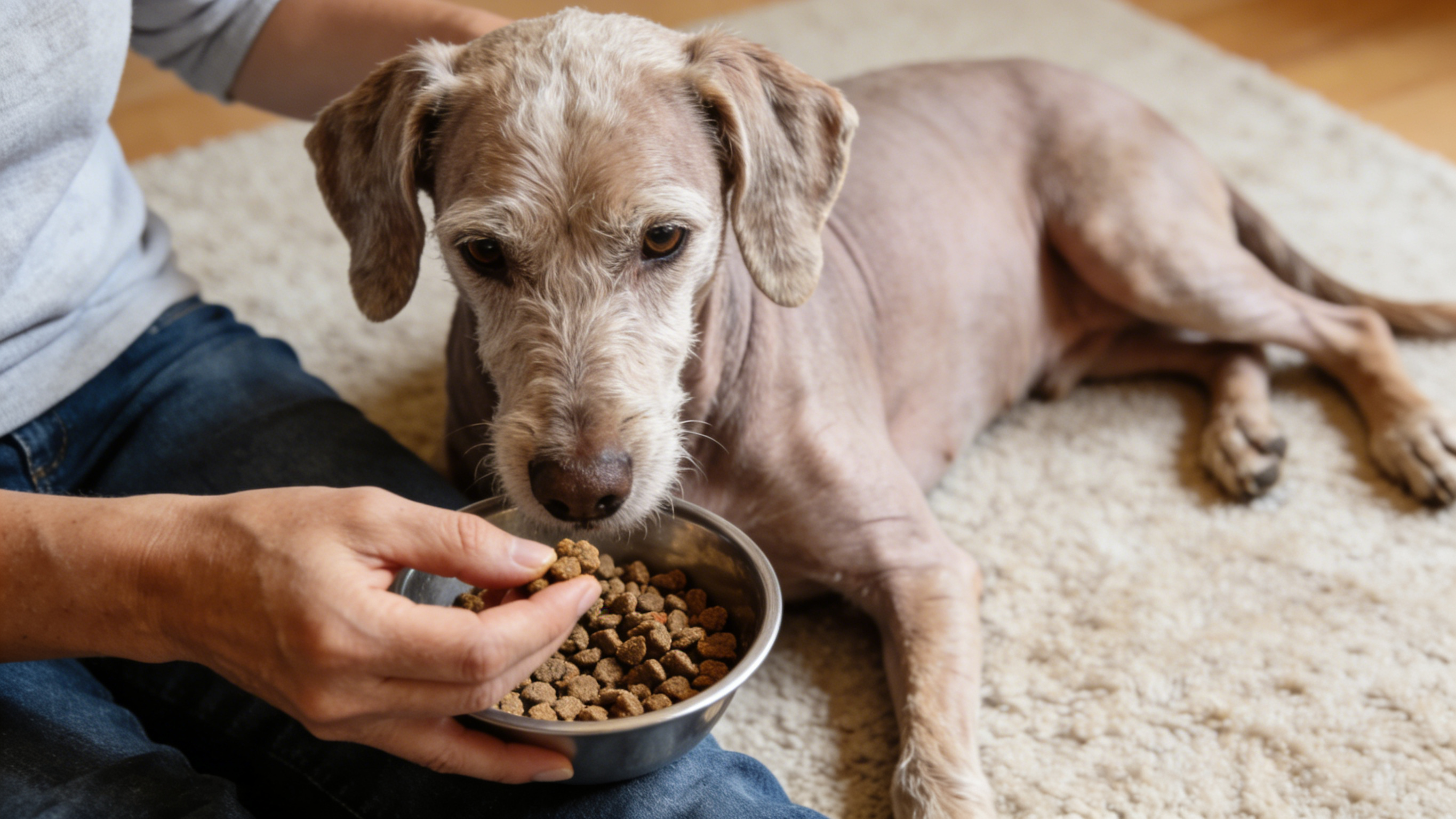
🍽️ Nutritional Reboot: Diet for the Golden Years
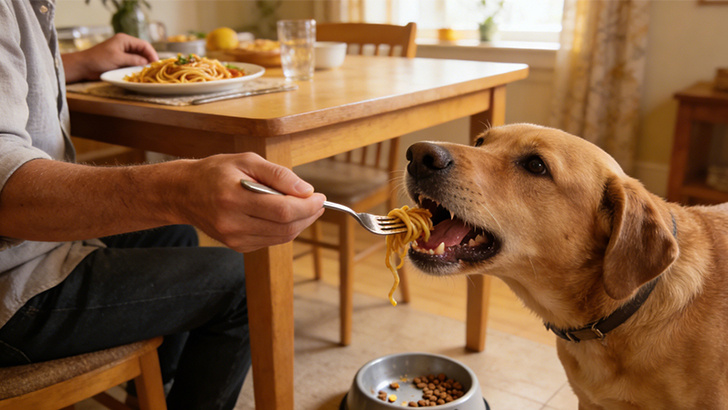
A senior pet's dietary needs are vastly different from those of an adult. The right nutrition can manage weight, support organ function, and improve overall vitality.
Key Dietary Adjustments for Seniors
· Calorie Control: Metabolism slows down. Fewer calories are needed to prevent obesity, which stresses joints and organs.
· High-Quality, Easily Digestible Protein: Maintains muscle mass without overworking the kidneys. Look for named meat sources (e.g., chicken, salmon).
· Joint Support Nutrients: Glucosamine, chondroitin, Omega-3 fatty acids (EPA/DHA) help combat inflammation and support cartilage.
· Fiber for Digestive Health: Aids in digestion and helps manage weight.
· Reduced Phosphorus & Sodium: Supports kidney and heart health.
Feeding Strategies & Hydration
· Consult Your Vet: Always choose a diet formulated for "senior" or specific conditions (renal, mobility) under veterinary guidance.
· Consider Smaller, More Frequent Meals: Easier to digest and can help maintain energy levels.
· Encourage Water Intake: Dehydration is a major risk. Provide multiple fresh water bowls, consider a pet water fountain, or add water/wet food to kibble.
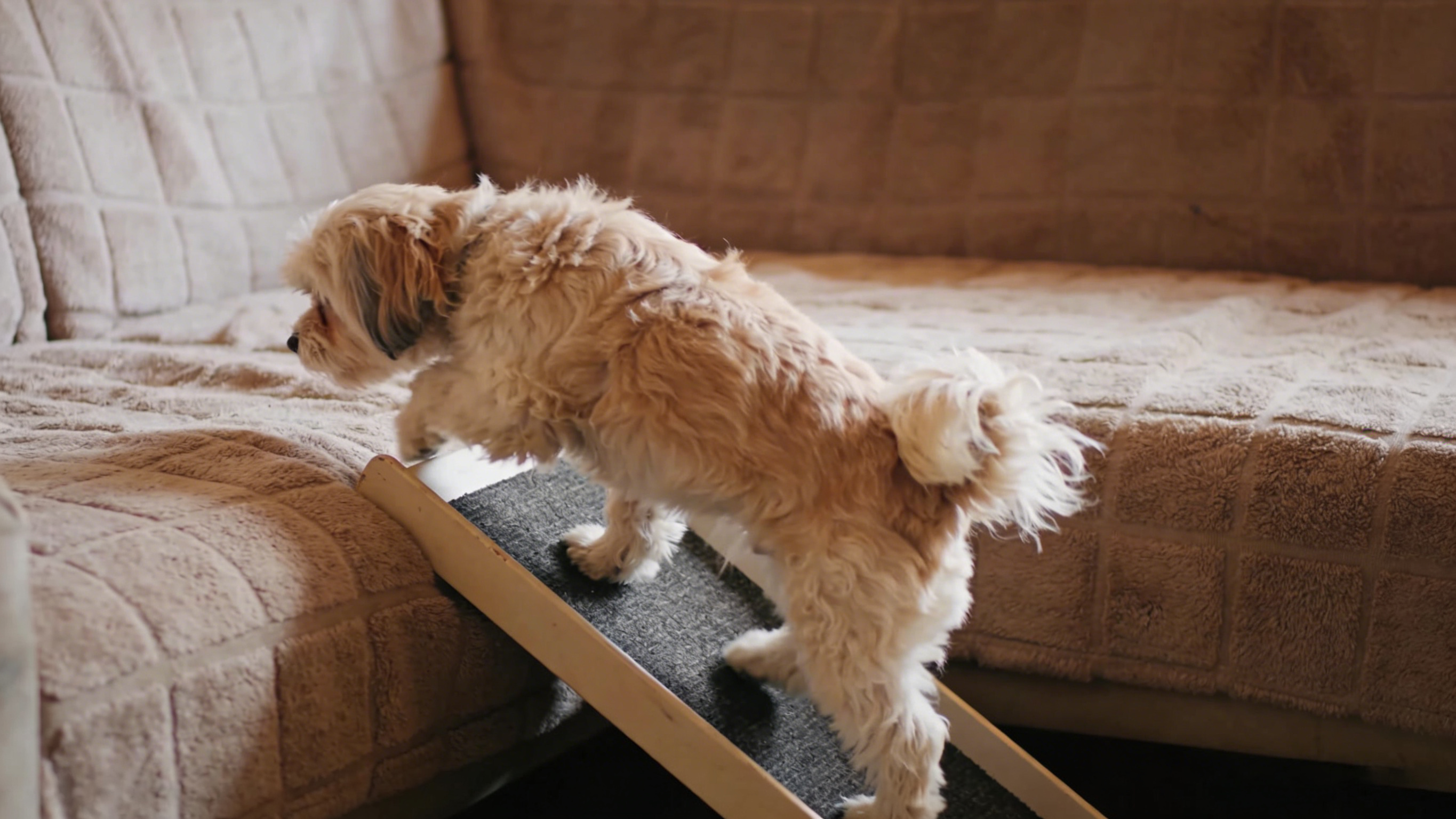
♿ Adapting the Home & Daily Routine
Your home environment and daily habits may need adjustments to keep your senior pet comfortable, safe, and engaged.
Creating a Senior-Friendly Environment
· Improve Accessibility:
1. Ramps & Steps: For sofas, beds, and cars to avoid painful jumping.
2. Non-Slip Flooring: Use rugs, runners, or yoga mats on slippery hardwood or tile floors.
3. Raised Food & Water Bowls: Ease neck and joint strain.
· Optimize Comfort:
1. Orthopedic Bed: Provides crucial support for achy joints. Place in warm, draft-free areas.
2. Easy Access to "Relief Areas": For pets with incontinence or urgency, ensure quick and easy access to the outdoors or puppy pads.
Modifying Exercise & Mental Stimulation
· Exercise: The goal is to maintain muscle tone and mobility without causing pain.
1. Shorter, More Frequent Walks: Replace one long walk with two or three shorter, slower ones.
2. Low-Impact Activities: Gentle play, swimming (if possible), or indoor sniffing games.
3. Observe for Fatigue: Let your pet set the pace and end the session before they tire.
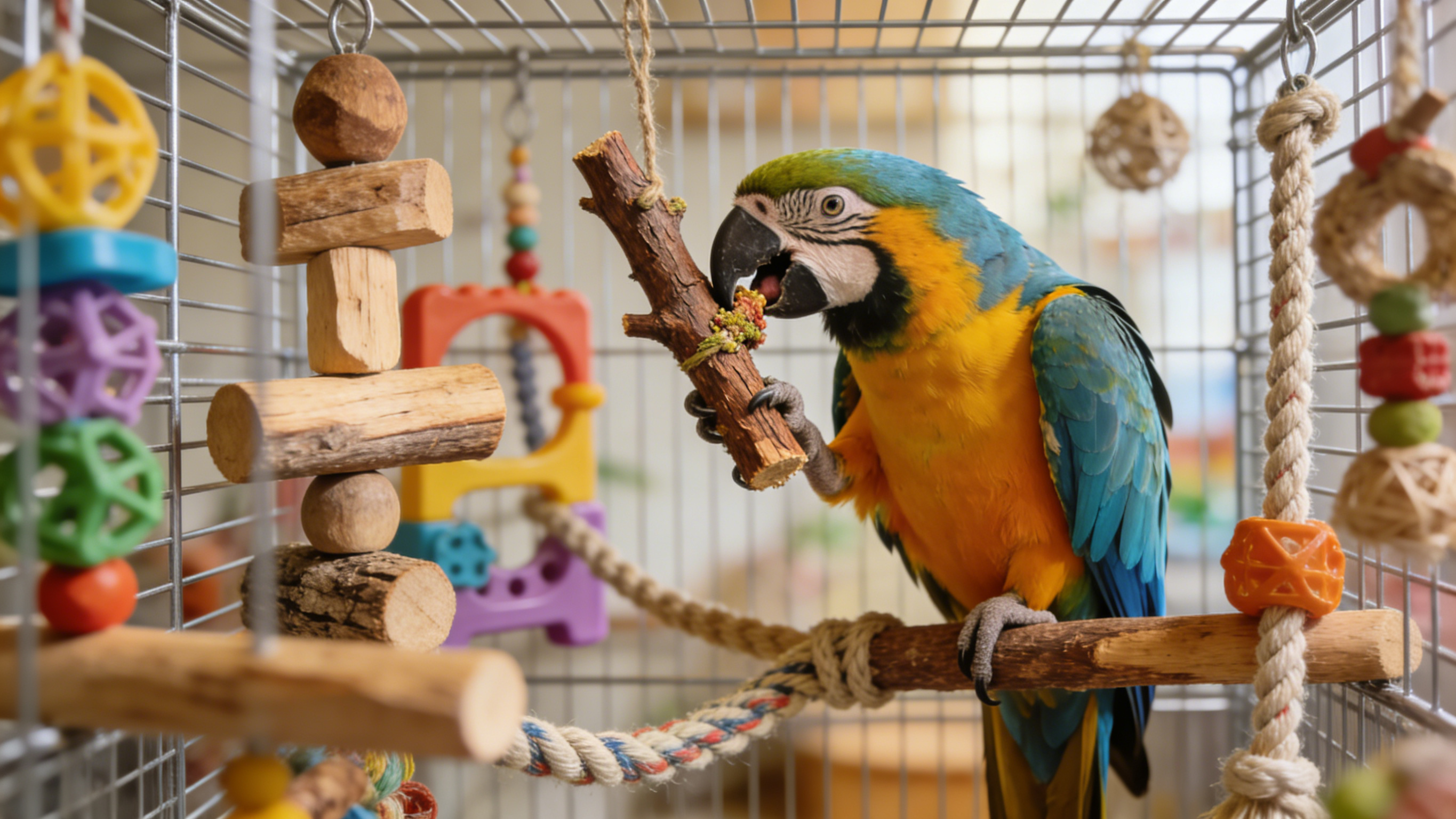
· Mental Engagement: Keeps their mind sharp.
1. Food Puzzles & Slow Feeders: Stimulate the brain at mealtime.
2. Short, Positive Training Sessions: Reinforce known commands or teach simple new tricks.
3. Novel Sniffs & Gentle Exploration: New (safe) smells in the garden or a calm new environment.
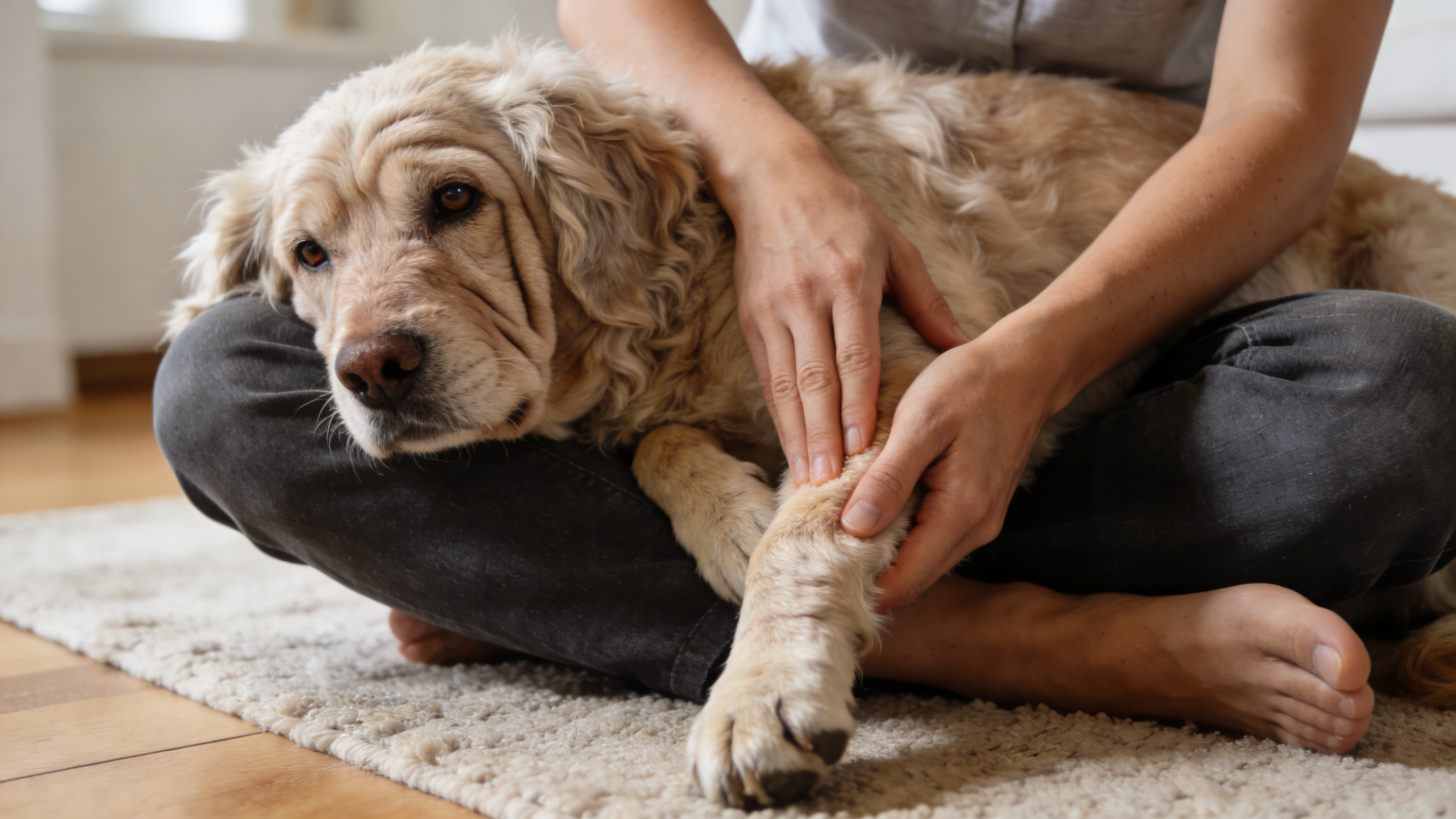
❤️ Addressing Pain & Discomfort
Senior pets are masters at hiding pain. It's our responsibility to recognize subtle signs and seek professional management.
Comprehensive Pain Management
A multi-modal approach is often most effective and is overseen by your veterinarian.
· Veterinary-Prescribed Medications: NSAIDs, gabapentin, or other drugs for chronic conditions like arthritis.
· Physical Therapies:
1. Professional Animal Physiotherapy/Massage: Improves circulation, flexibility, and reduces pain.
2. At-Home Gentle Massage: Learn techniques from a professional to soothe your pet.
· Supplemental Support: As recommended by your vet (e.g., joint supplements, omega-3s).
· Alternative Therapies: Acupuncture or laser therapy can provide significant relief for some pets.
Specialized Care for Sensory Decline
· For Hearing Loss: Use hand signals for commands, approach from the front so they can see you, and avoid startling them.
· For Vision Loss: Keep furniture arrangement consistent, use scent markers (a safe drop of vanilla on furniture legs), block off dangerous areas like stairs, and talk to them as you approach.
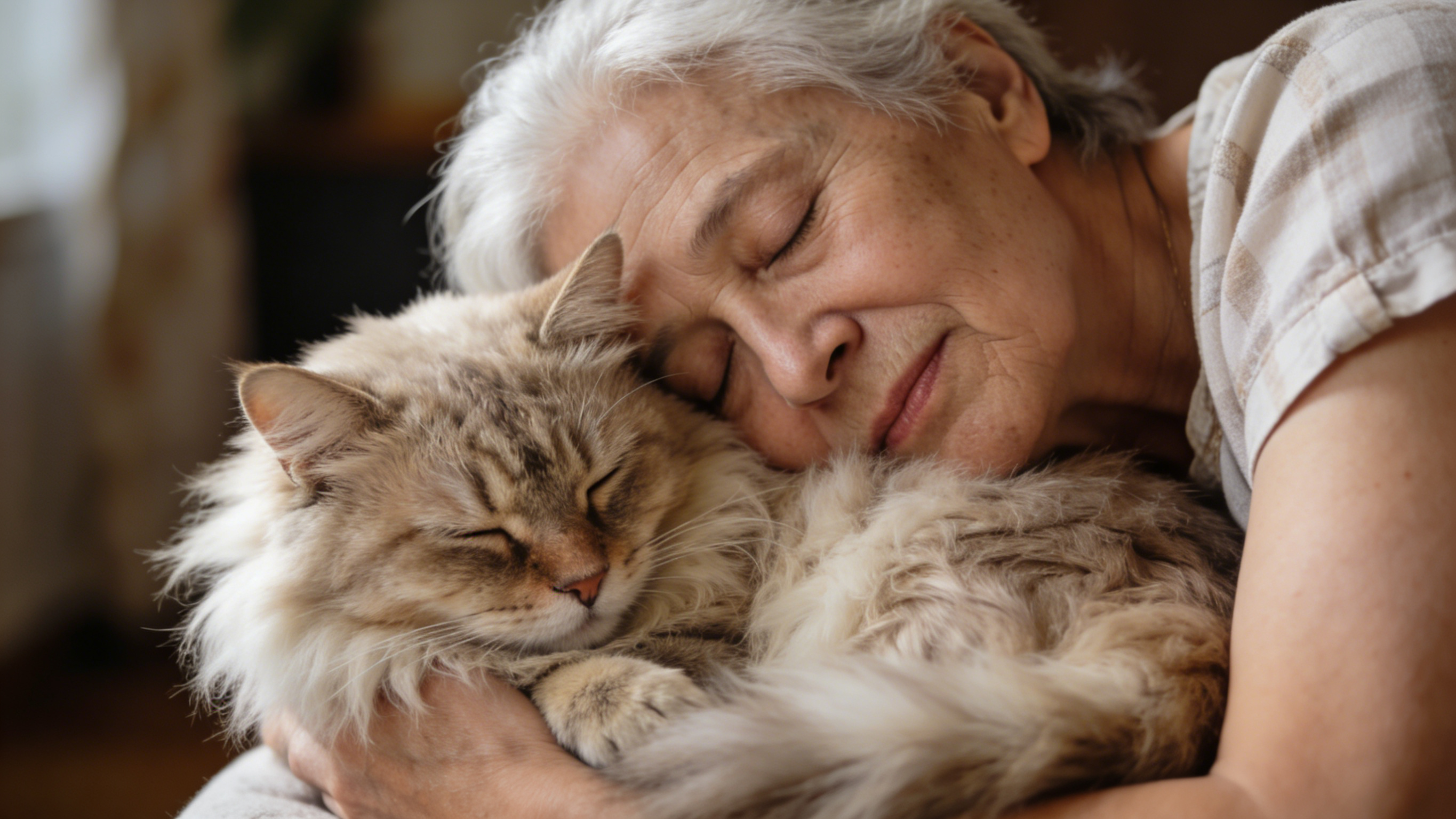
💖 The Emotional Bond & Quality of Life
Beyond physical care, the emotional well-being of your senior pet is paramount. Your companionship is their greatest comfort.
Maintaining Connection & Routine
· Consistent Routine: Feeding, walks, and bedtime at regular times provide security and reduce anxiety.
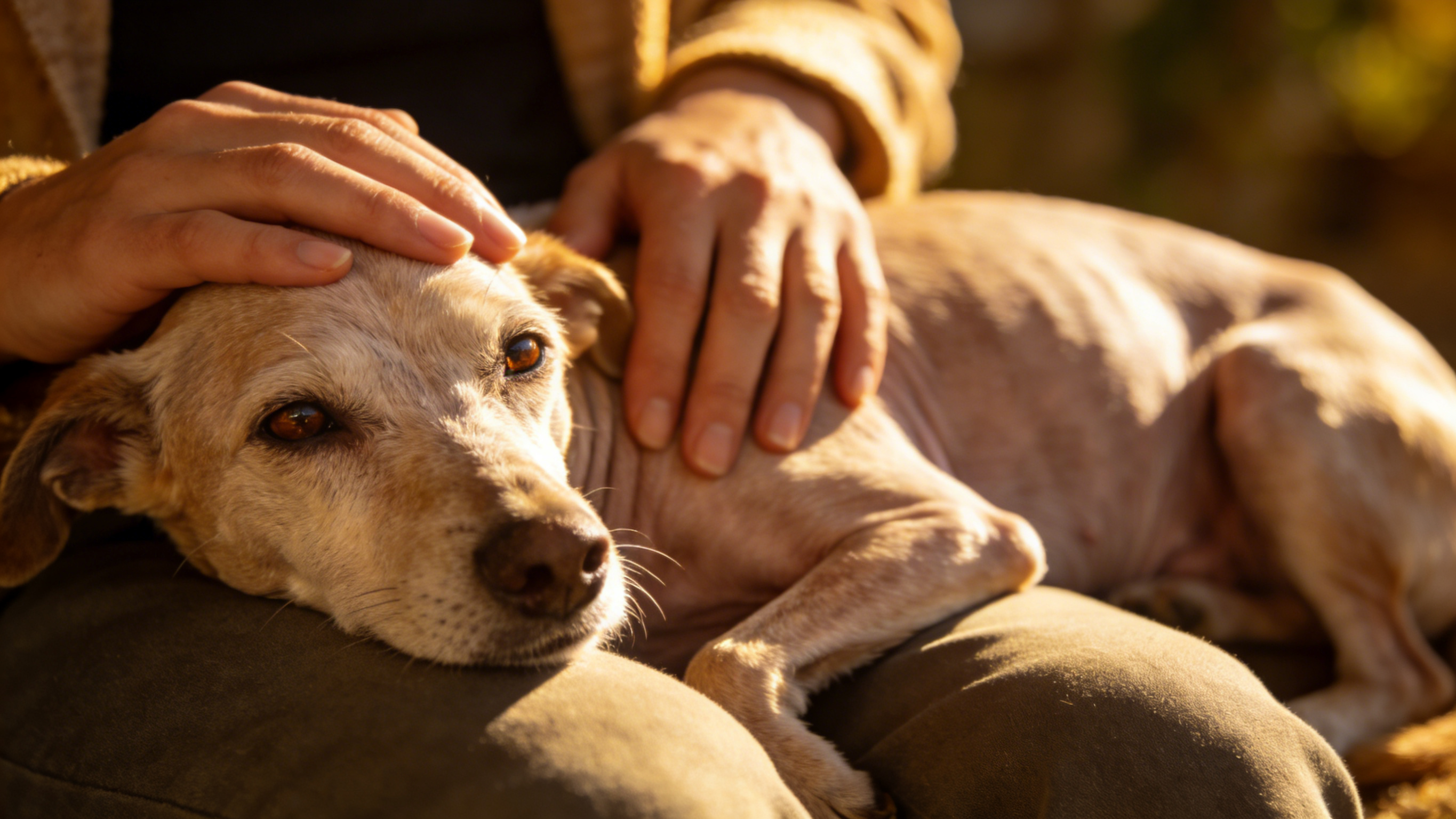
· Gentle Affection: More quiet cuddle time, gentle petting, and soft spoken words. Respect their space if they seem sore or want to be alone.
· Patience is Key: Respond to accidents, confusion, or slower responses with compassion, not frustration.
Making the Hardest Decision: Quality of Life Assessment
As caregivers, we must advocate for our pets' dignity. Use a quality-of-life scale (like the "HHHHHMM" scale: Hurt, Hunger, Hydration, Hygiene, Happiness, Mobility, More good days than bad) to have objective conversations with your vet.
· Indicators of Declining Quality: Chronic pain unresponsive to medication, inability to eat/drink, frequent distress or confusion, loss of interest in all interaction, incontinence causing distress.
· Hospice & Palliative Care: For pets with terminal conditions, this focuses on comfort, pain management, and cherished final moments at home.
· Peaceful Farewell: In-home euthanasia services can provide a calm, loving goodbye in their familiar environment, surrounded by family.

Embracing the Golden Years with Grace
Caring for a senior pet is a profound act of love and reciprocity. It requires attentiveness, adaptability, and a partnership with your veterinary team. By implementing proactive healthcare, tailoring their nutrition and environment, managing discomfort, and most importantly, showering them with patient, understanding love, you can ensure your aging companion's later years are filled with comfort and contentment. The journey may have its challenges, but the deepened bond and the gratitude in their eyes make every effort worthwhile. Treasure this special chapter, for it is a testament to a lifetime of shared devotion.