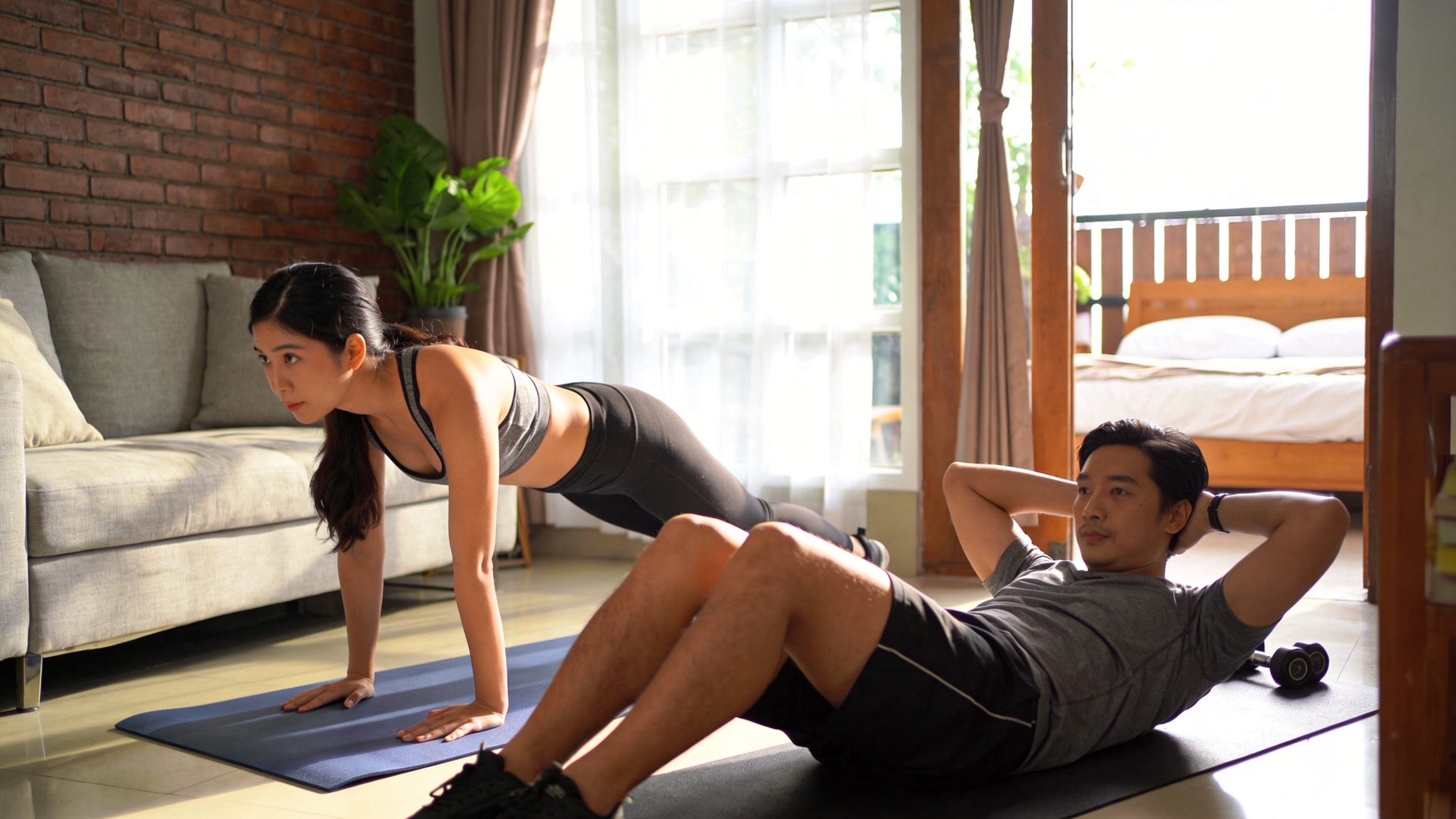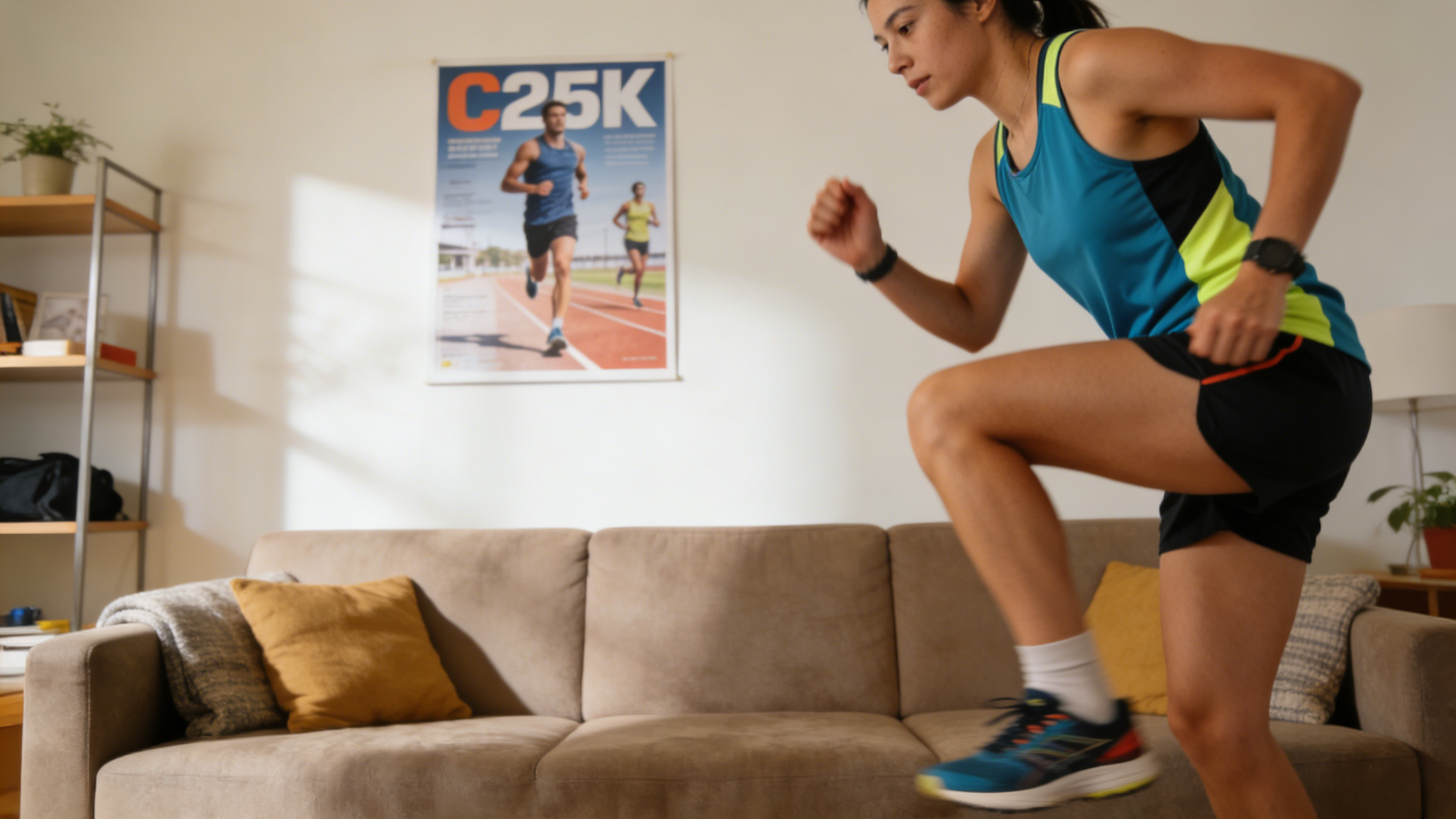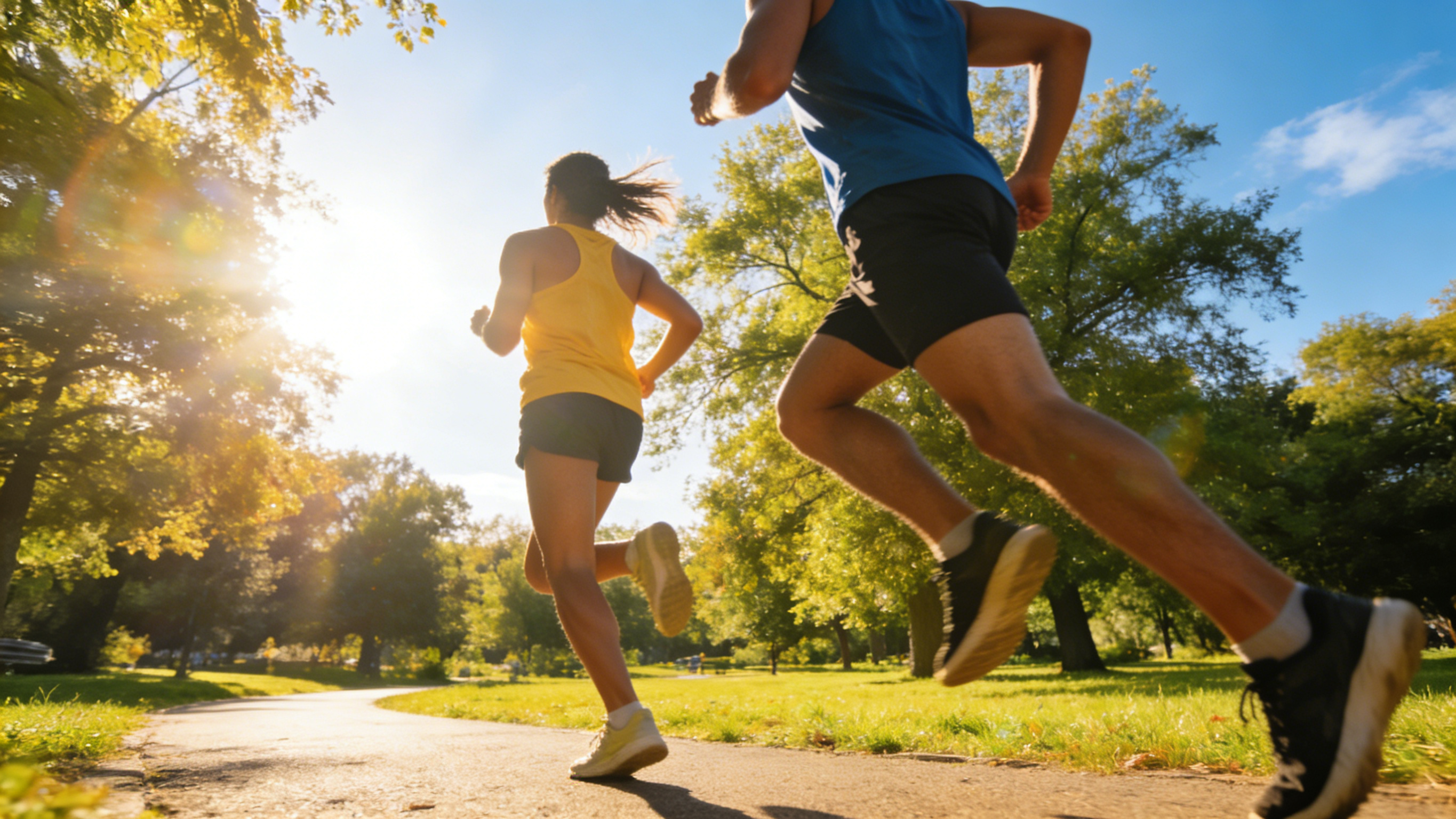
For many runners, the journey is often interrupted by the frustrating setback of injury. Issues like runner's knee, shin splints, IT band syndrome, and Achilles tendinopathy are all too common. While rest and recovery are crucial, a proactive approach called prehabilitation, or "prehab," is gaining traction as the smart runner's secret weapon. Prehab involves performing targeted exercises before an injury occurs to address muscle imbalances, improve stability, and enhance the body's resilience to the repetitive impact of running. By dedicating just 10-15 minutes, 2-3 times a week to these foundational movements, you can build a stronger, more durable body and keep yourself logging miles pain-free. This article outlines five essential prehab exercises designed to fortify your body against the most common running ailments.
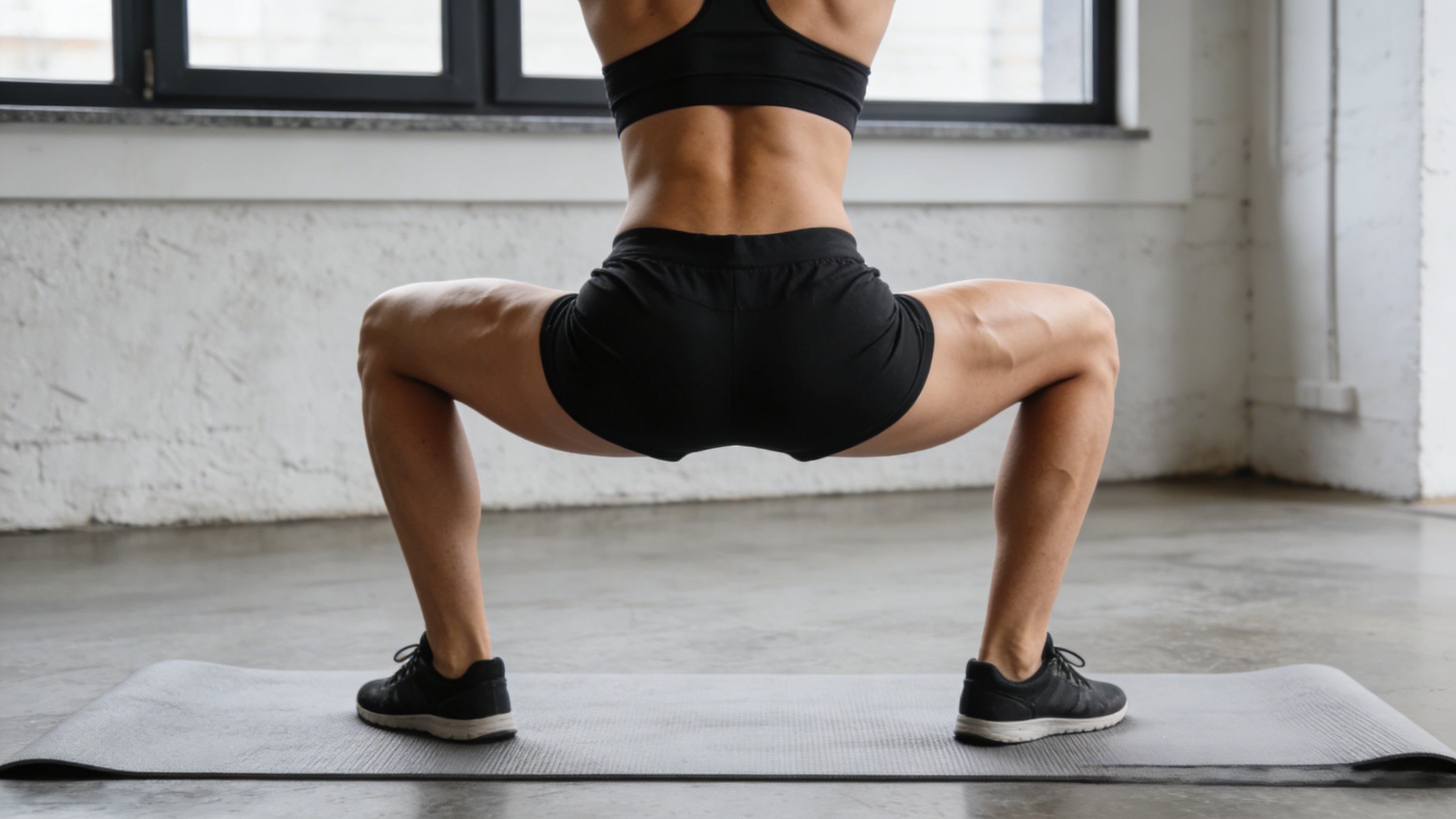
💪 1. The Deep Squat: Building Foundational Strength & Mobility
The deep squat is a fundamental human movement pattern that directly translates to running mechanics. It strengthens the entire posterior chain (glutes, hamstrings, lower back), quads, and core, while also demanding and improving ankle, knee, and hip mobility. Poor squat mechanics often reveal weaknesses that contribute to injuries.
How to Perform a Bodyweight Deep Squat:
- Stance: Stand with feet slightly wider than shoulder-width apart, toes pointed slightly outward.
- Descent: Initiate the movement by pushing your hips back and down, as if sitting into a chair. Keep your chest up and back straight.
- Depth: Lower yourself until your hips drop below your knees (thighs parallel to the ground or lower). Ensure your knees track in line with your toes.
- Ascent: Drive through your heels, engaging your glutes to return to the starting position.
Advantages & Why It's Essential:
- Injury Prevention Target: Strengthens muscles supporting the knee joint, helping to prevent patellofemoral pain (runner's knee).
- Improves Running Economy: A stronger lower body generates more power with each stride.
- Enhances Mobility: Promotes full-range motion in ankles, knees, and hips, crucial for proper running form.
Disadvantages & Common Mistakes:
- Form is Critical: Incorrect form (knees caving in, heels lifting, rounding the back) can do more harm than good.
- Requires Mobility: Those with very tight ankles or hips may struggle to achieve depth without compensation. Start with elevated heels or assisted squats.
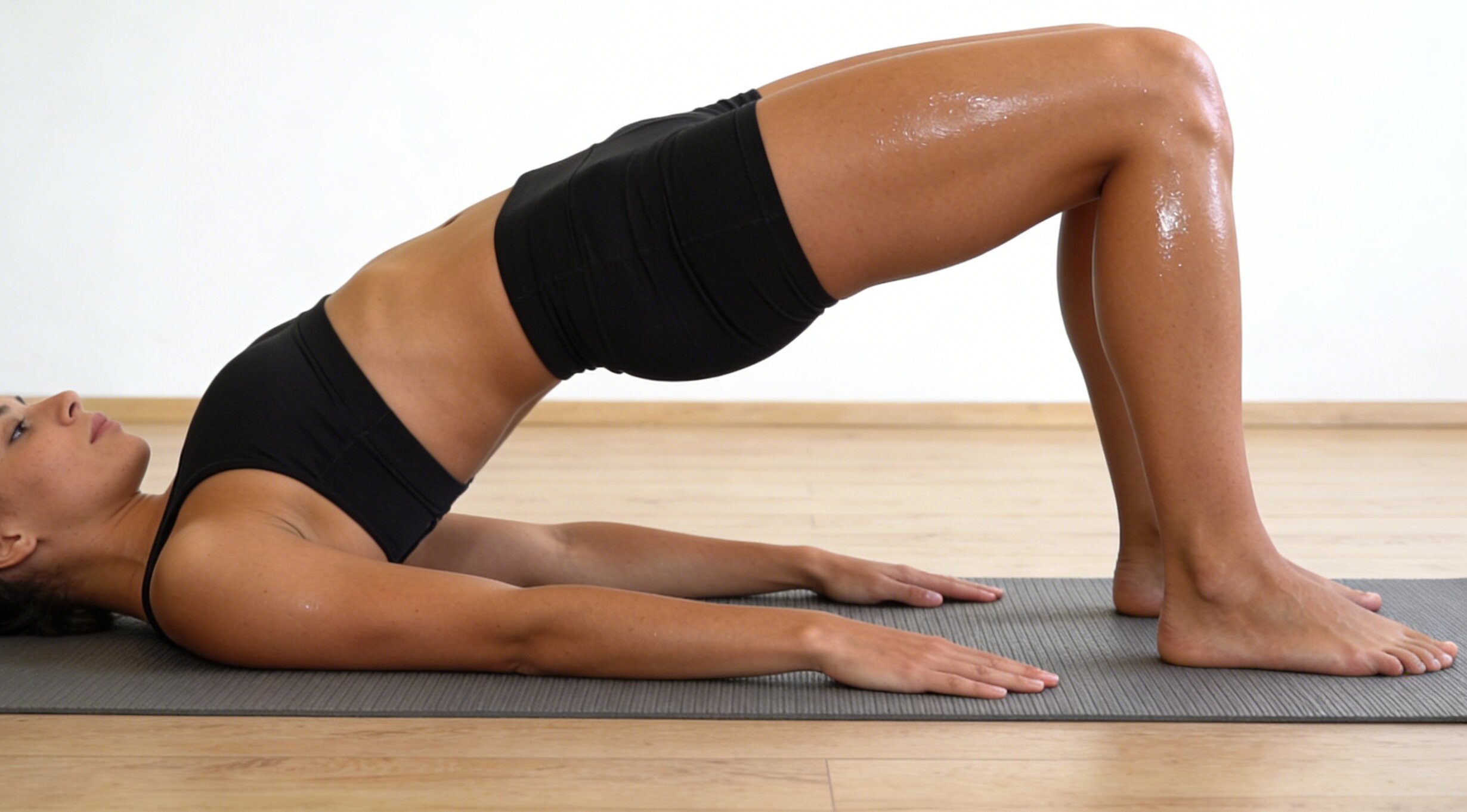
🍑 2. The Glute Bridge: Activating the Powerhouse
Weak or inactive glutes are a primary culprit in many running injuries. When the glutes don't fire properly, other muscles (like the hamstrings and lower back) overcompensate, and the pelvis becomes unstable. The glute bridge isolates and strengthens the gluteus maximus, medius, and minimus, promoting pelvic stability and proper leg alignment.
How to Perform a Glute Bridge:
- Starting Position: Lie on your back with knees bent, feet flat on the floor hip-width apart, and arms by your sides.
- The Lift: Engage your core and squeeze your glutes to lift your hips toward the ceiling until your body forms a straight line from shoulders to knees.
- Peak Contraction: Hold the top position for 1-2 seconds, focusing on a maximal glute squeeze. Avoid overarching your lower back.
- Lowering: Slowly lower your hips back to the starting position with control.
Advantages & Why It's Essential:
- Injury Prevention Target: Crucial for preventing IT band syndrome and patellofemoral pain by controlling internal rotation of the femur (thigh bone).
- Promotes Pelvic Stability: A stable pelvis prevents excessive side-to-side movement, reducing strain on the lower back and hips.
- Corrects Muscle Imbalance: Directly targets often-underused glutes, taking load off overworked hamstrings.
Disadvantages & Common Mistakes:
- Hamstring Dominance: Many people feel this more in their hamstrings. Focus mentally on initiating the movement with the glutes.
- Range of Motion: Lifting too high can cause lower back arching. The goal is a straight line, not the highest possible lift.
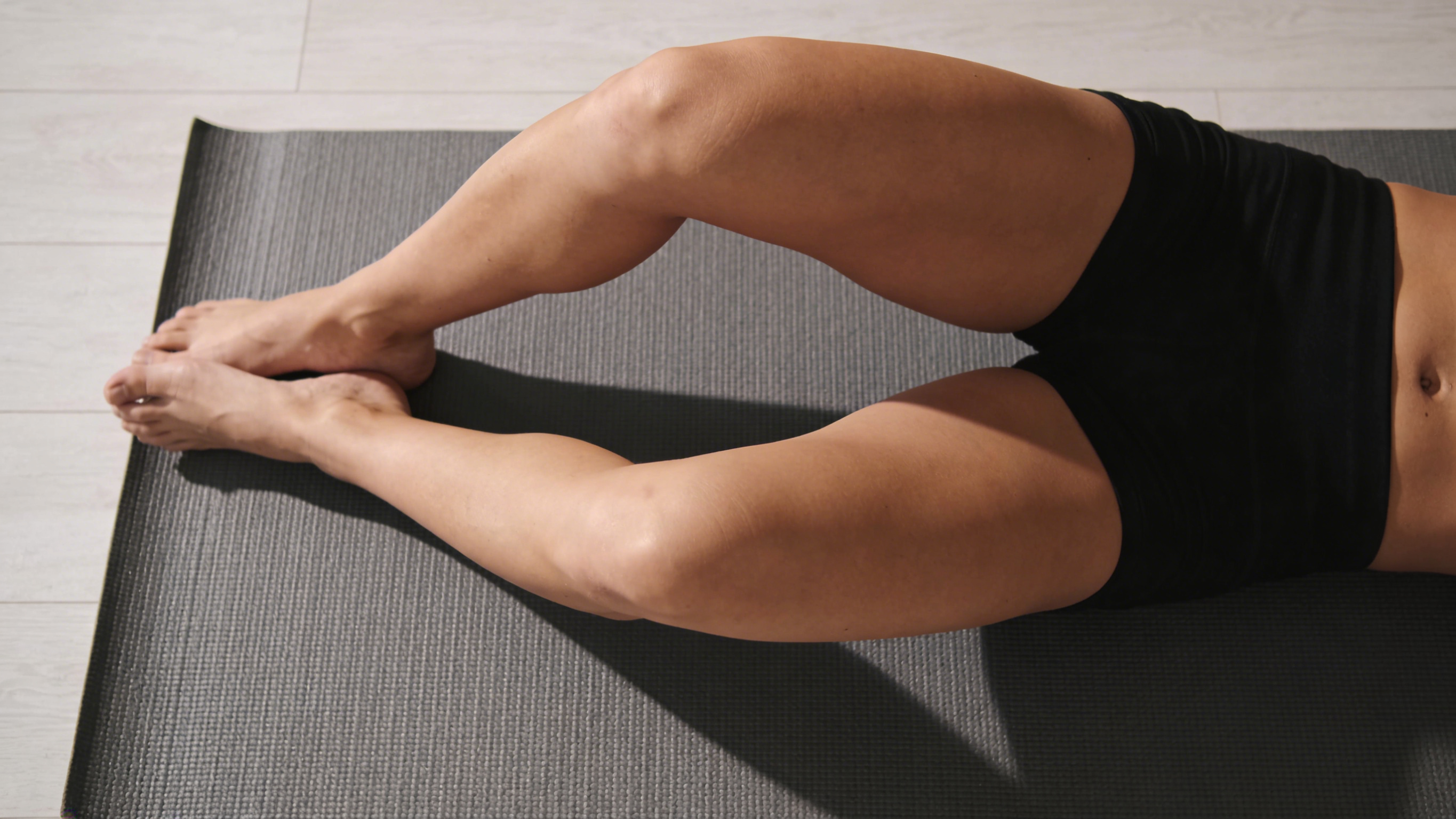
🦵 3. The Clamshell: Targeting Hip Stability
The clamshell is a deceptively simple exercise that zeroes in on the gluteus medius. This muscle is vital for keeping your pelvis level when you run, especially during single-leg stance. A weak glute medius leads to the opposing hip dropping—a major factor in IT band syndrome and knee pain.
How to Perform a Clamshell:
- Starting Position: Lie on your side with legs stacked and knees bent at a 90-degree angle (heels in line with your glutes). Rest your head on your lower arm and place your top hand on your hip for feedback.
- The Movement: Keeping your feet touching, raise your top knee as high as possible without rotating your pelvis or rocking backward. The movement should be isolated to the hip.
- Peak & Lower: Hold at the top for a second, feeling the burn in the side of your glute, then slowly lower with control.
Advantages & Why It's Essential:
- Injury Prevention Target: The #1 exercise for preventing IT band syndrome by strengthening the primary muscle that stabilizes the leg during running.
- Improves Single-Leg Stability: Directly translates to the single-leg balance required with every running stride.
- Low Impact & Accessible: Can be done anywhere, no equipment needed, and is very joint-friendly.
Disadvantages & Common Mistakes:
- Pelvic Rotation: The entire torso should remain still. If your shoulders or pelvis rock, you're using momentum, not muscle.
- Can Be Too Easy: For stronger runners, adding a resistance band just above the knees is necessary to create an effective training stimulus.
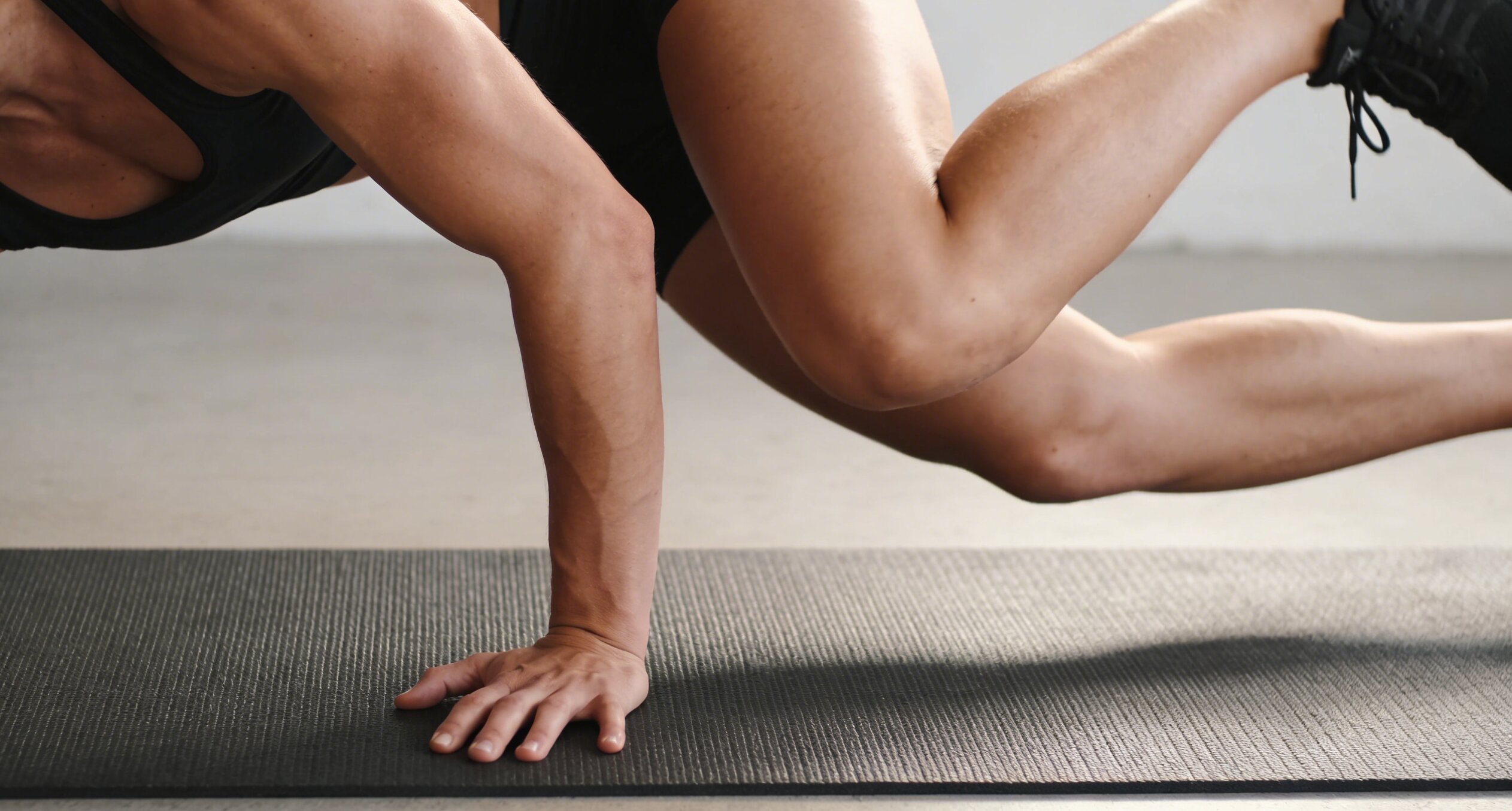
⚡ 4. The Plank with Leg Lift: Integrating Core & Hip Strength
Running is not just a leg exercise; it's a full-body endeavor requiring a solid, stable core. A strong core transfers force efficiently from your lower to upper body and prevents energy leaks. The plank with leg lift combines anti-rotation core stability with glute activation, mimicking the demands of running more closely than a standard plank.
How to Perform a Plank with Leg Lift:
- Starting Position: Begin in a forearm plank position, elbows under shoulders, body forming a straight line from head to heels. Engage your core and glutes.
- The Lift: While keeping your pelvis level and avoiding any rotation or sagging in the low back, slowly lift one leg a few inches off the ground. Focus on using your glute, not your lower back.
- Hold & Lower: Hold the lifted position for 2-3 seconds, then slowly lower. Repeat on the other side.
Advantages & Why It's Essential:
- Injury Prevention Target: Helps prevent lower back pain and compensations that can lead to hip and knee issues by building rock-solid core stability.
- Functional Strength: Trains the core and glutes to work together under load, just as they must during running.
- Improves Running Form: A stable core allows for a more upright, efficient posture, reducing fatigue.
Disadvantages & Common Mistakes:
- Form Deterioration: As you fatigue, the hip of the lifted leg will want to hike up, and the lower back may sag. Stop the set when you can no longer maintain perfect form.
- Requires Baseline Strength: Beginners should master a solid 60-second standard plank before adding leg lifts.
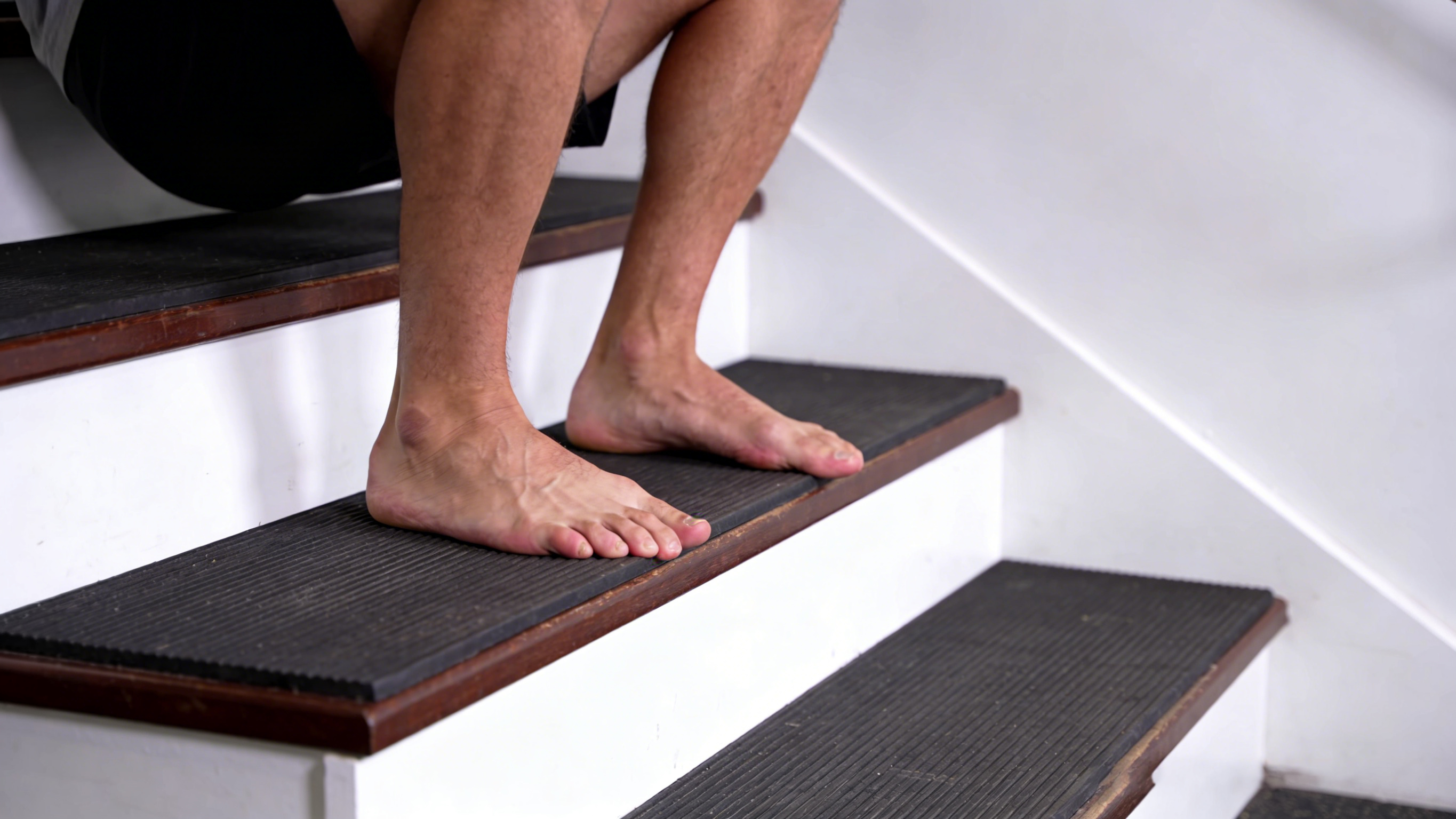
🏃 5. The Eccentric Heel Drop: Protecting the Achilles & Calves
The Achilles tendon and calf complex absorb tremendous force with every foot strike. Eccentric training—focusing on the lengthening phase of a muscle contraction—is clinically proven to strengthen tendons and is a first-line defense against Achilles tendinopathy and calf strains.
How to Perform Eccentric Heel Drops:
- Starting Position: Stand on the edge of a step or curb with the balls of both feet on the step and heels hanging off. Use a railing for balance.
- The Lift (Concentric): Rise up onto your toes using both legs.
- The Slow Lower (Eccentric): Shift your weight entirely to one leg. Very slowly (taking 3-5 seconds) lower that heel down below the level of the step, feeling a deep stretch in your calf and Achilles.
- The Return: Use both legs to rise back to the starting position. This completes one rep for the working leg.
Advantages & Why It's Essential:
- Injury Prevention Target: The gold-standard exercise for preventing and rehabilitating Achilles tendinopathy.
- Tendon Strengthening: Eccentric loading remodels and strengthens tendon tissue, making it more resilient to repetitive stress.
- Improves Calf Capacity: Builds endurance in the calf muscles, delaying fatigue on long runs.
Disadvantages & Common Mistakes:
- Initial Soreness: It is normal to feel significant muscle soreness in the calves for the first 1-2 weeks. Start with a low volume (e.g., 3 sets of 10 per leg, every other day).
- Speed is Key: The benefit is in the slow lowering phase. Dropping quickly negates the eccentric effect.
Conclusion: Your Blueprint for Resilient Running
Incorporating these five essential prehab exercises into your regular routine is an investment in your long-term running health. Remember, the goal is not to train to exhaustion, but to train for resilience and balance. Start with 2-3 sets of 10-15 repetitions for each exercise, 2-3 times per week on non-consecutive days. Focus relentlessly on quality of movement over quantity. Pair this prehab routine with smart training practices—gradual mileage increases, proper recovery, and good nutrition—and you will have built a comprehensive defense system against the common injuries that sideline runners. By spending a little time now on prevention, you save yourself from the frustration of lost time later. Your future, injury-free running self will thank you.