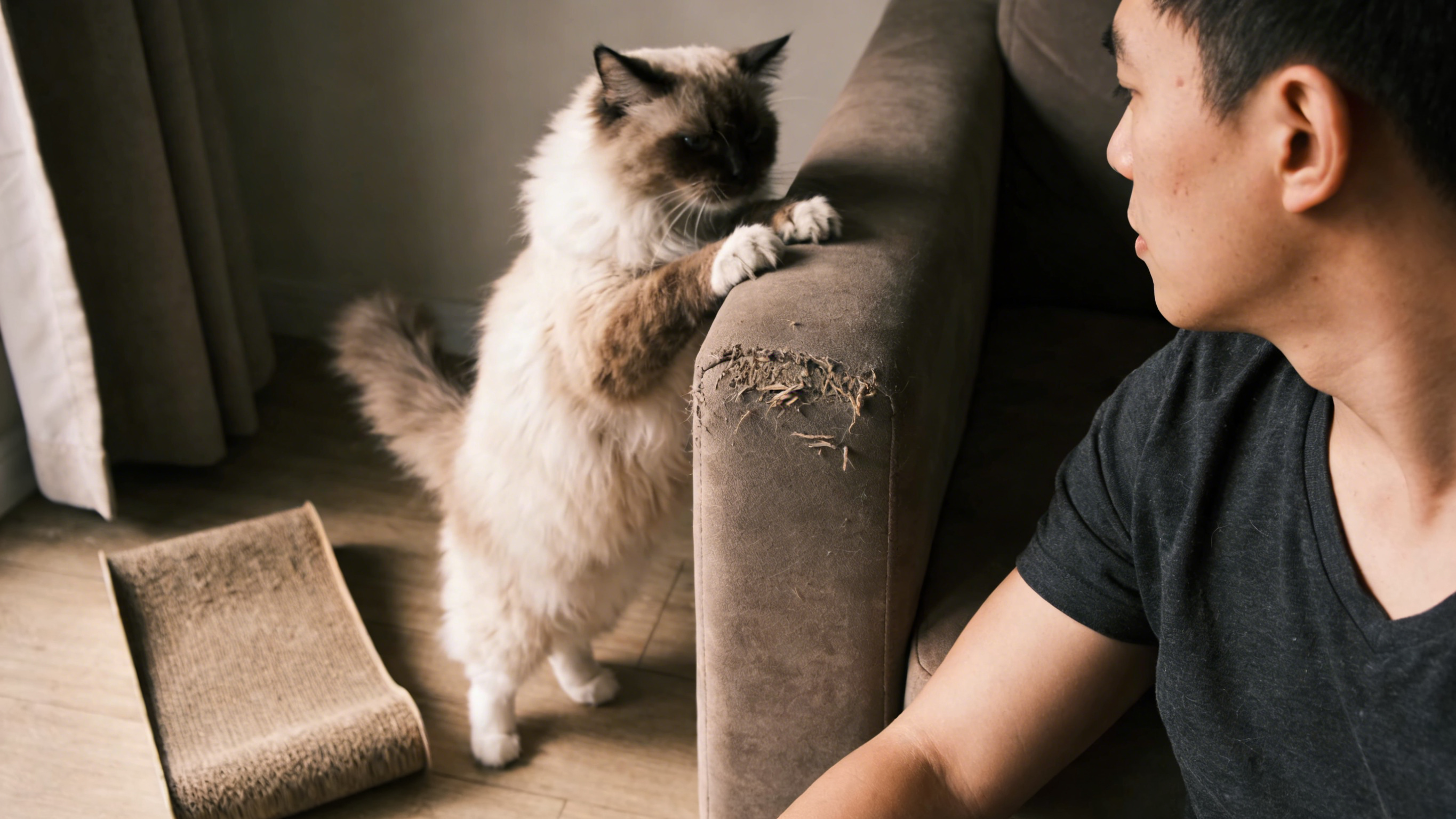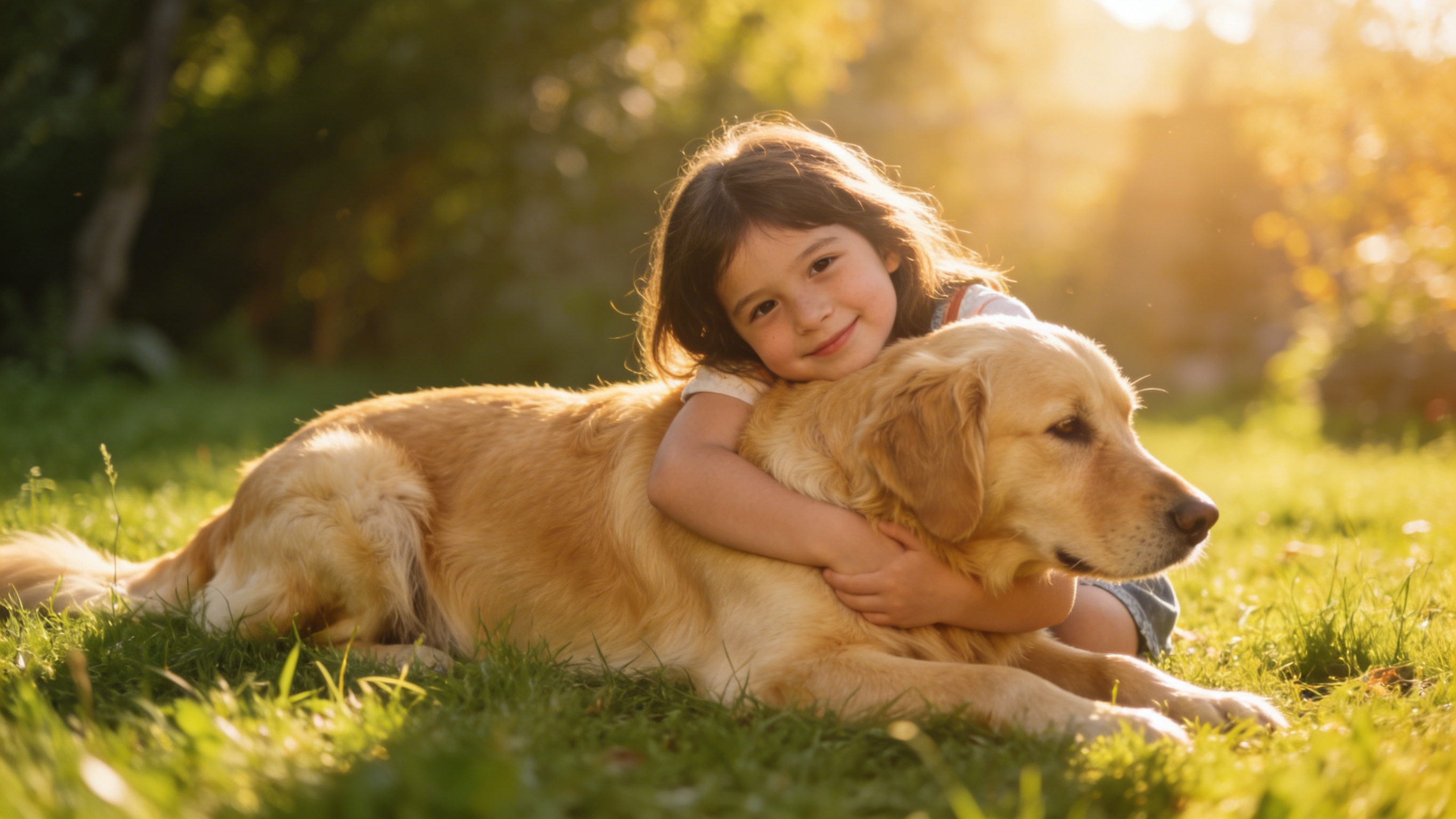
The relationship between a child and a family pet can be one of the most profound and rewarding bonds of childhood. More than just a playmate, a pet can become a confidant, a teacher of responsibility, and a source of unconditional love. This bond, when nurtured correctly, lays the foundation for empathy, compassion, and respect for all living things. However, building this lifelong connection doesn't happen by accident. It requires careful planning, guided interaction, and a commitment from the entire family. This guide explores practical strategies to foster this special relationship, ensuring it is safe, positive, and enduring for both the child and the pet.
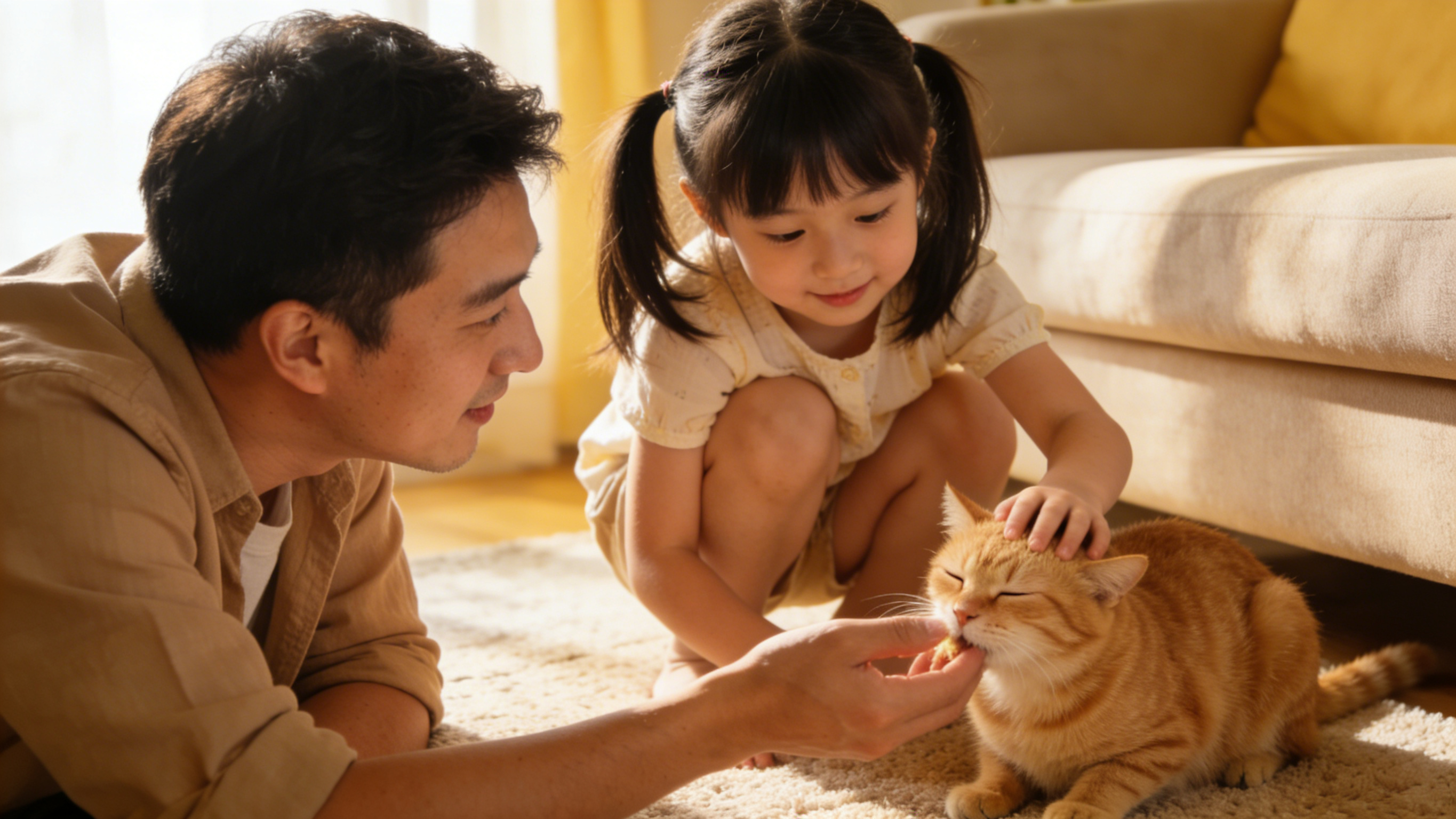
🐾 Method 1: Choosing the Right Family Pet
The foundation of a strong bond begins with selecting a pet whose temperament, energy level, and care needs align with your family's lifestyle and your child's age.
Advantages
- Tailored Compatibility: A well-matched pet is more likely to be patient and tolerant, creating a safer and more positive environment for interaction from the start.
- Setting Up for Success: It manages expectations for both the child and the pet, reducing frustration and increasing the chances of a harmonious relationship.
- Long-Term Commitment: Understanding the pet's full lifespan and needs helps the family make a responsible, lasting commitment.
Disadvantages
- Research Intensive: Requires significant time to research breeds, species, and individual animal histories.
- Potential for Disappointment: Children may have their hearts set on a specific type of pet that isn't suitable for your home.
- Adoption Process: Finding the perfect match may take longer than expected, requiring patience.
Steps to Success:
- Assess Your Family Dynamic
- Consider the age of your children. Younger children often do better with calm, sturdy pets, while older kids can handle more active or fragile animals.
- Evaluate your living space, activity level, and the time you can dedicate to daily care like walking, grooming, and play.
- Be honest about any allergies or fears within the family.
- Research Breeds and Species
- Look beyond dogs and cats. Consider guinea pigs, rabbits, or fish as excellent "starter pets" for teaching basic care.
- For dogs, research family-friendly breeds known for their gentleness and patience, but remember individual personality matters most.
- Consider adopting an adult animal from a shelter, as their personality is already established, and staff can often recommend child-friendly pets.
- Involve Your Child in the Process
- Discuss the responsibilities involved with pet ownership appropriate to their age.
- Visit shelters or breeders together to observe interactions.
- Let them help prepare the home for the new arrival (setting up a bed, picking out bowls).
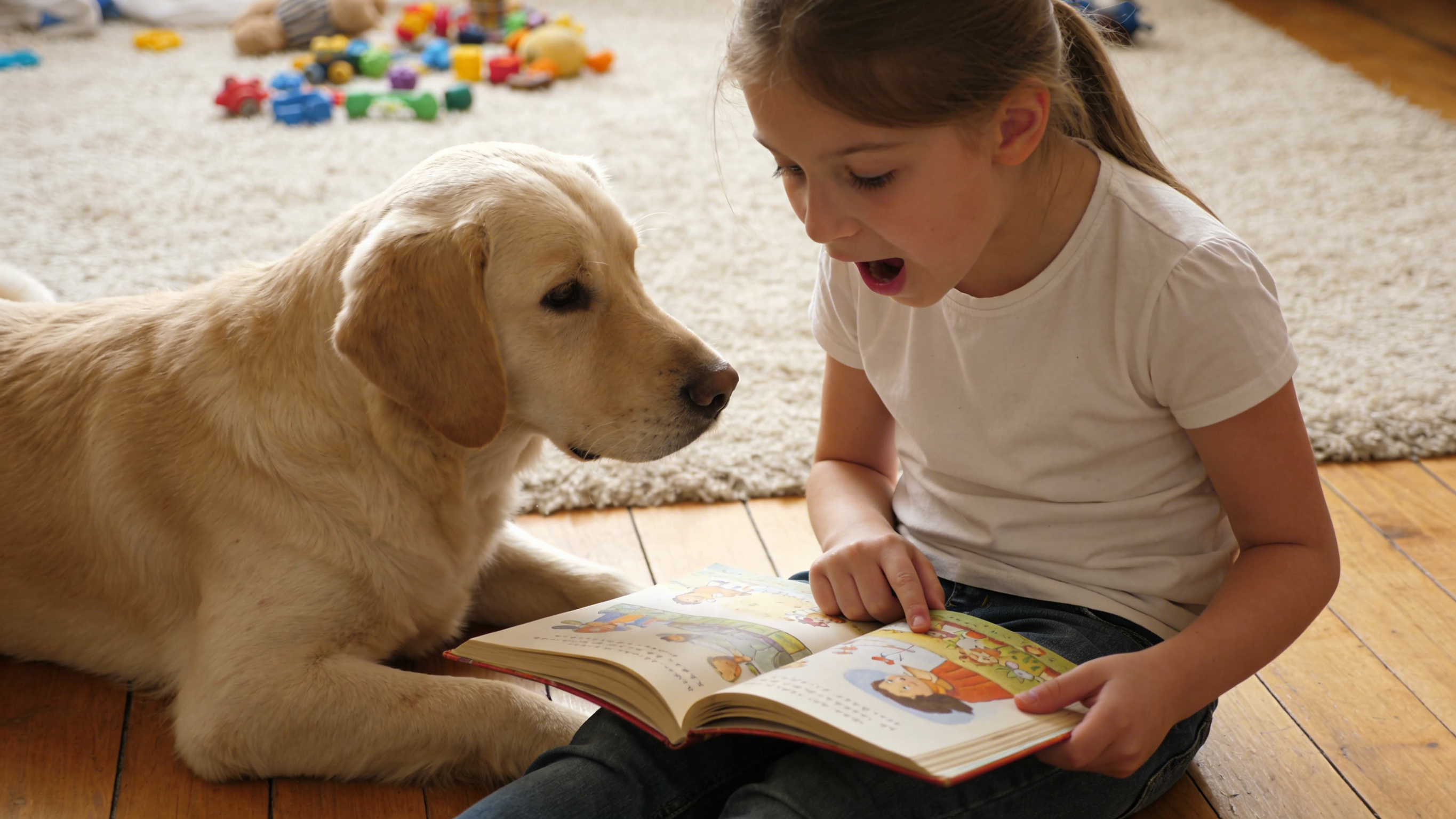
🤝 Method 2: Facilitating Positive and Safe Interactions
Supervised, gentle interactions are crucial for building trust and preventing fear or injury for either party.
Advantages
- Builds Mutual Trust: Gentle handling teaches the pet that the child is safe, and teaches the child to read the pet's body language.
- Prevents Accidents: Active supervision prevents tail-pulling, ear-grabbing, or surprising a sleeping pet, which can lead to scratches or bites.
- Teaches Consent: Children learn that pets have boundaries and are not toys, fostering respect.
Disadvantages
- Requires Constant Vigilance: Particularly with very young children and new pets, interactions cannot be left unsupervised.
- Can Be Slow: Building this trust and understanding takes consistent effort and patience over weeks or months.
Key Guidelines for Interaction:
- Supervision is Non-Negotiable
- An adult must always be present and attentive when a young child and pet are together.
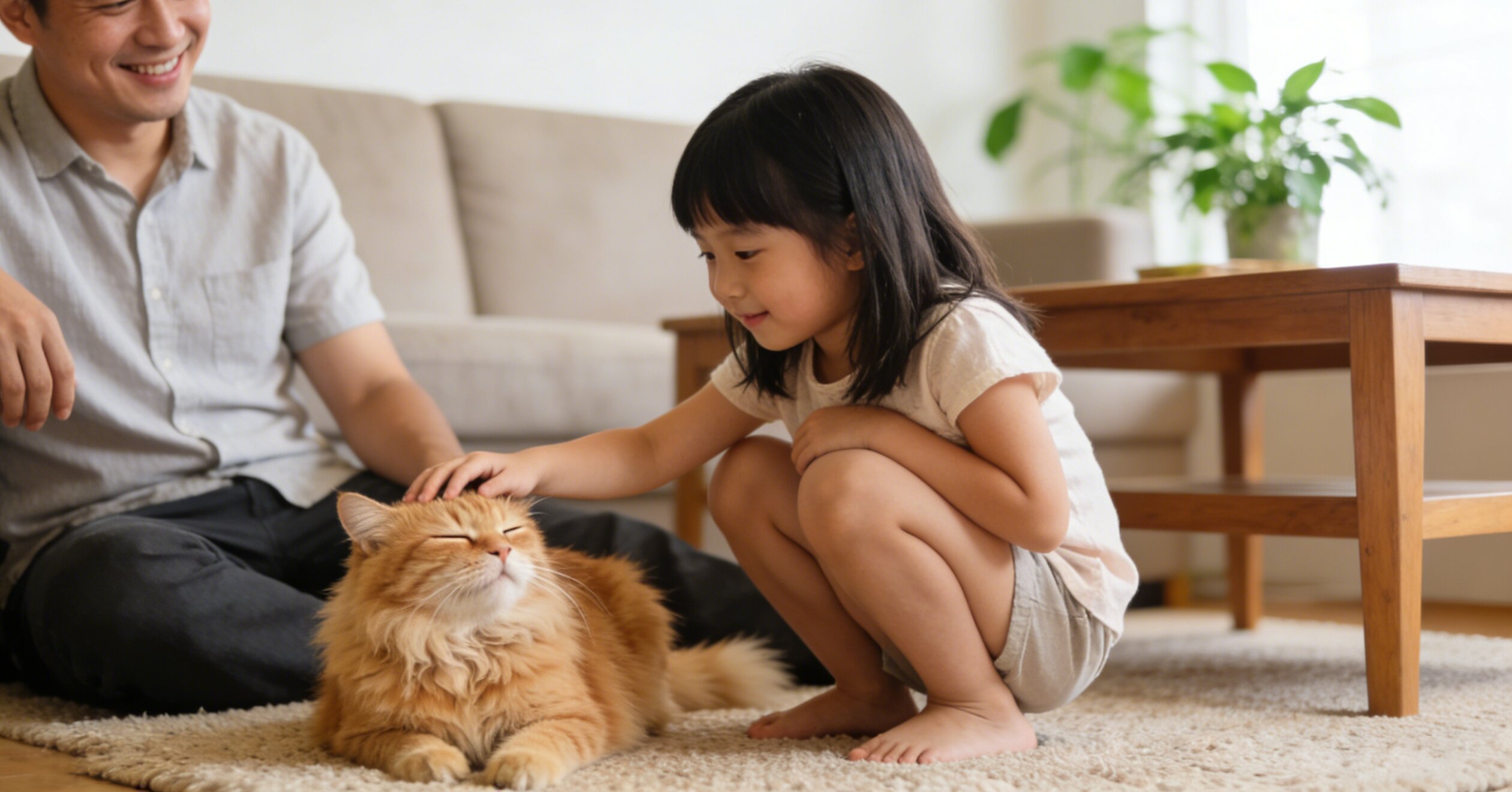
- Model gentle behavior by petting the animal softly and showing the child how.
- Teach Body Language Basics
- Teach children what a happy pet looks like (relaxed body, wagging tail in dogs, purring in cats).
- Teach clear warning signs: growling, hissing, flattened ears, stiff body, or a tucked tail mean "give me space."
- Create Safe Zones
- Ensure your pet has a quiet, child-free retreat (a crate, a separate room, a high perch for cats).
- Teach children that when the pet is in its safe zone, it is not to be disturbed.
🎓 Method 3: Involving Children in Pet Care (Age-Appropriately)
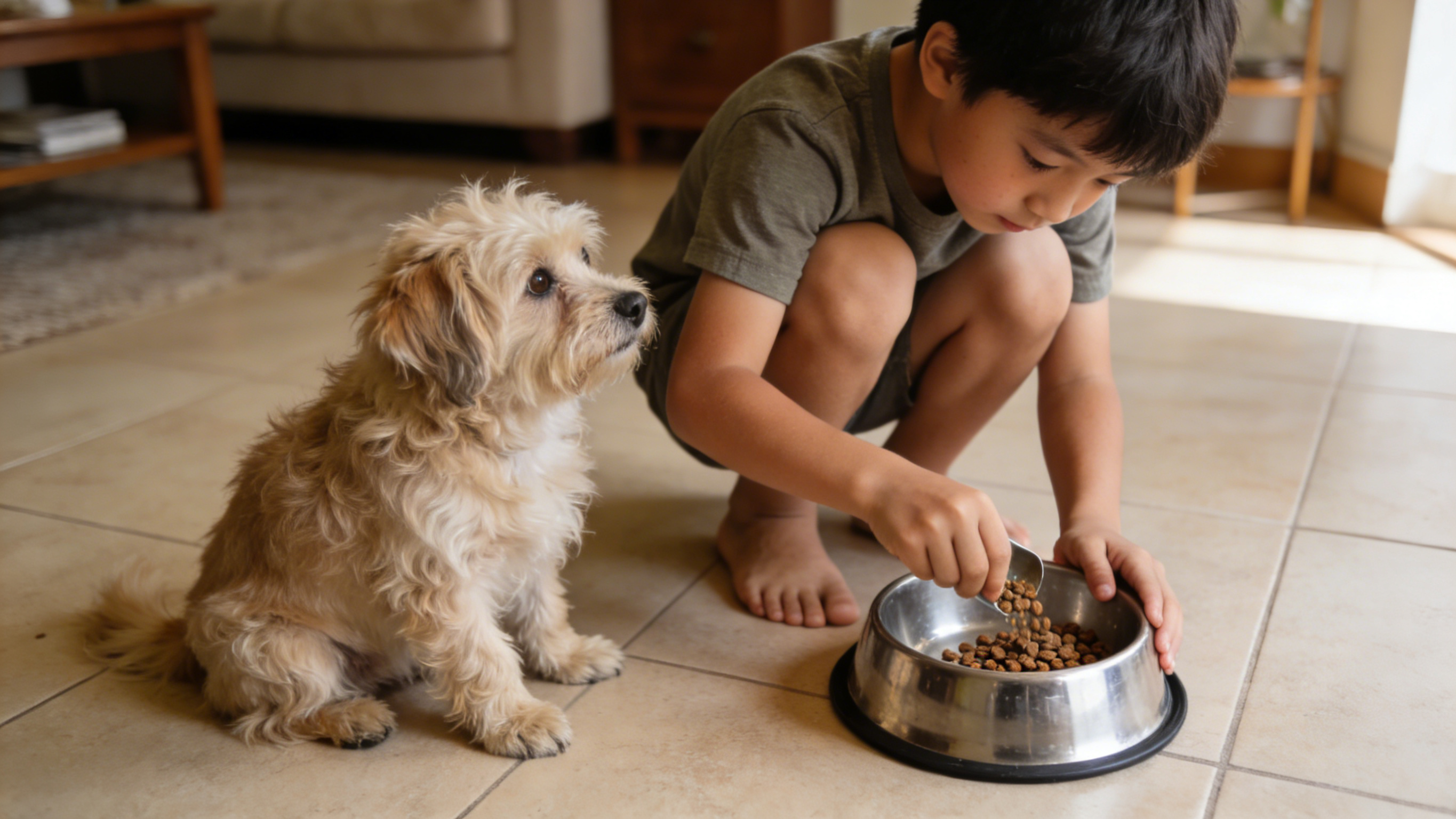
Shared responsibility transforms the pet from an external novelty into a true member of the family and builds the child's sense of competence.
Advantages
- Fosters Responsibility: Completing pet care tasks builds accountability and follow-through.
- Strengthens the Bond: The act of caring for another being deepens emotional attachment and empathy.
- Teaches Life Skills: Children learn about scheduling, hygiene, nutrition, and health monitoring.
Disadvantages
- Tasks May Not Be Done Perfectly: Parents must be prepared to oversee and often re-do tasks without criticism.
- Requires Consistent Follow-Up: Children may lose interest; parents must gently enforce the commitment without making it a punitive chore.
Age-Appropriate Tasks:
- Toddlers (2-4 years old)
- Help pour food from a measuring cup into a bowl (with adult handling the bag).
- Fetch a toy for the pet during playtime.
- Accompany an adult on walks, holding a leash loop under supervision.
- Young Children (5-8 years old)
- Fill water bowls daily.
- Brush a pet with gentle guidance (e.g., brushing a tolerant cat or dog).
- Help with feeding on a set schedule.
- Older Children (9+ years old)
- Take primary responsibility for walking a dog (in safe areas).
- Clean cages (for small pets like rabbits or guinea pigs).
- Assist with grooming, like bathing (with oversight).
- Note any changes in the pet's eating habits or energy and report to a parent.
❤️ The Lifelong Benefits of the Child-Pet Bond
The effort invested in building this relationship yields incredible dividends that extend far beyond childhood.
Emotional and Social Development
- Unconditional Love and Security: Pets offer non-judgmental companionship, which can be a huge comfort during times of stress, anxiety, or social difficulty at school.
- Empathy and Compassion: Caring for a dependent animal teaches children to recognize and respond to the needs of others.
- Reduced Anxiety: Studies show that interaction with pets can lower cortisol levels (the stress hormone) and increase feelings of calm.
Physical and Cognitive Benefits
- Increased Physical Activity: Dogs, in particular, encourage regular outdoor play and walks.
- Boosts Immunity: Exposure to pets early in life has been linked to a lower risk of allergies and asthma.
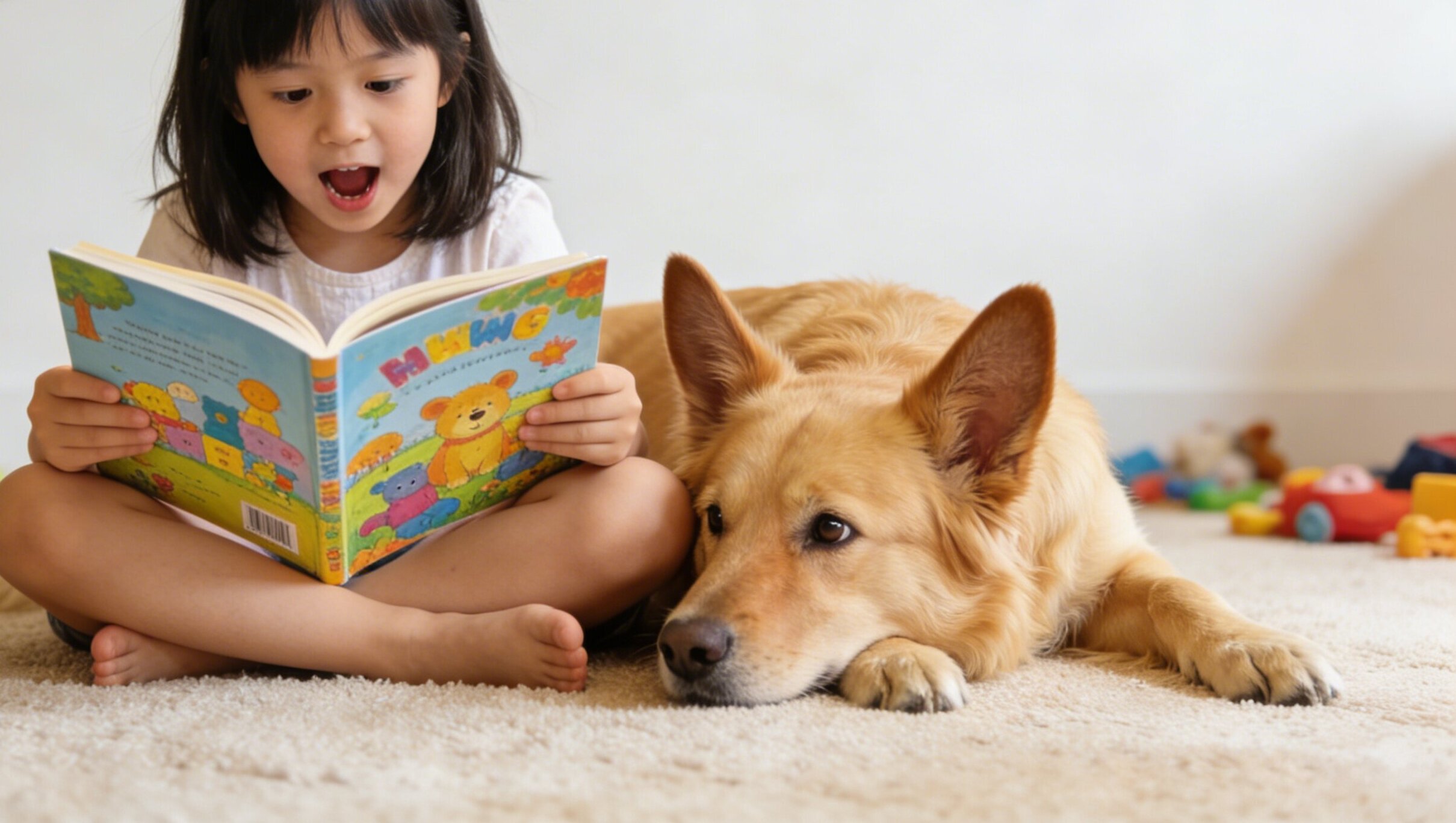
- Improves Reading Skills: Reading aloud to a non-critical pet is a powerful, low-pressure way for children to practice reading fluency.
Teaching About Life’s Cycles
- Pets provide gentle, natural opportunities to discuss important topics like birth, illness, and death in an age-appropriate way.
- They teach children about grief and loss, supported by the family unit.
🌟 Conclusion: A Foundation for a Compassionate Life
The bond between a child and a pet is a unique and powerful thread in the fabric of family life. It is not merely about having an animal in the house, but about intentionally cultivating a relationship built on mutual respect, gentle care, and shared joy. By carefully choosing the right pet, facilitating safe and positive interactions, and integrating age-appropriate responsibilities, parents can guide this bond to flourish. The resulting relationship does more than create happy childhood memories; it actively shapes a child's character. It instills empathy, nurtures responsibility, and provides a steady source of comfort. This lifelong bond, forged in the simple acts of filling a water bowl, sharing a quiet snuggle, or going for a walk, ultimately plants the seeds for a more compassionate and connected human being. The lessons learned and the love shared with a childhood pet truly last a lifetime.