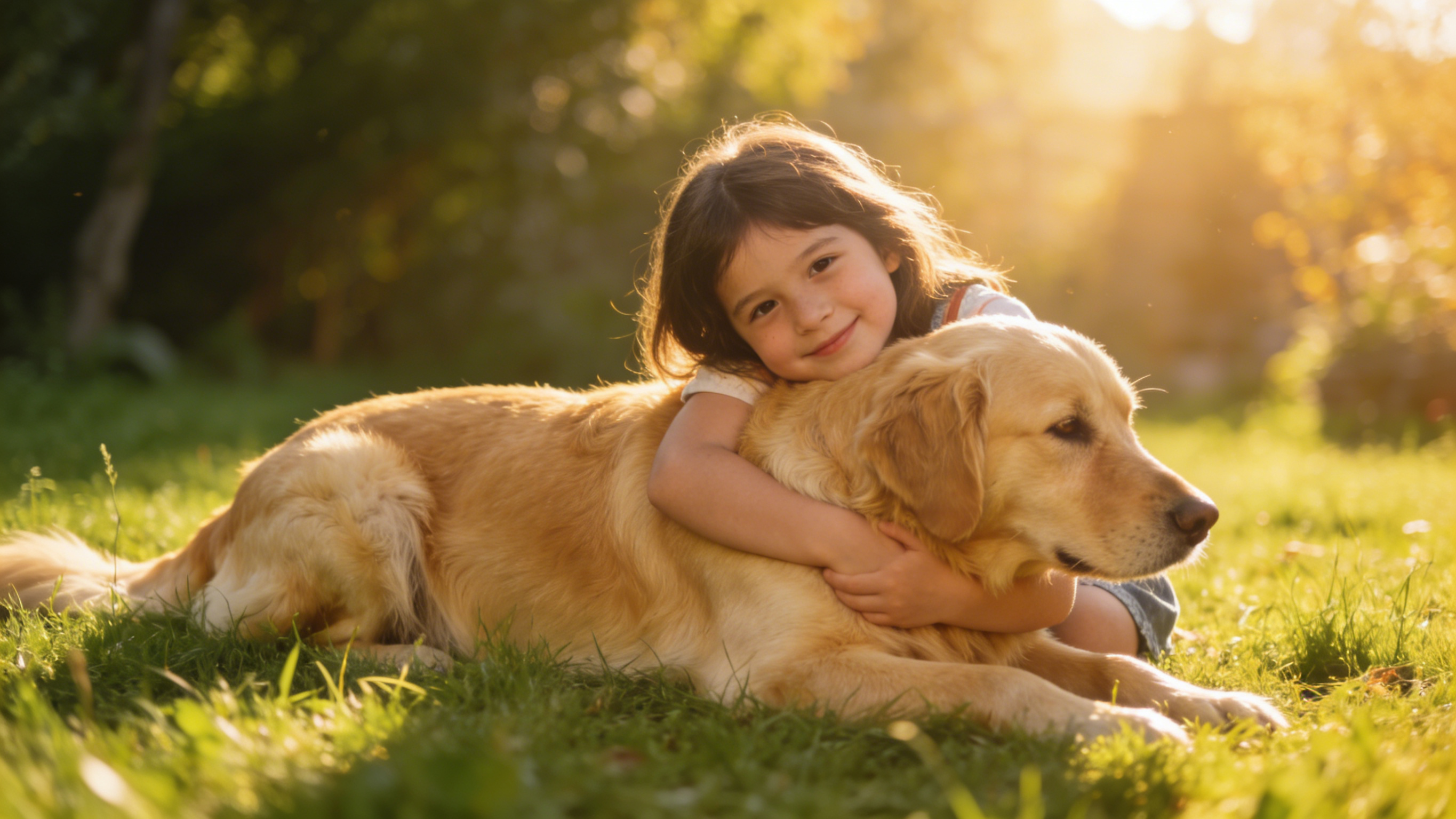
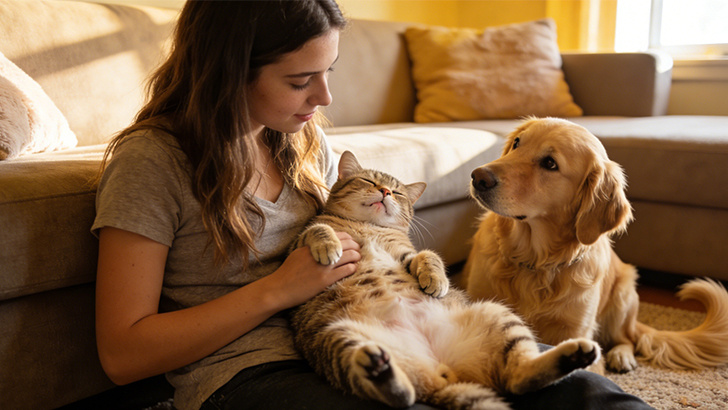
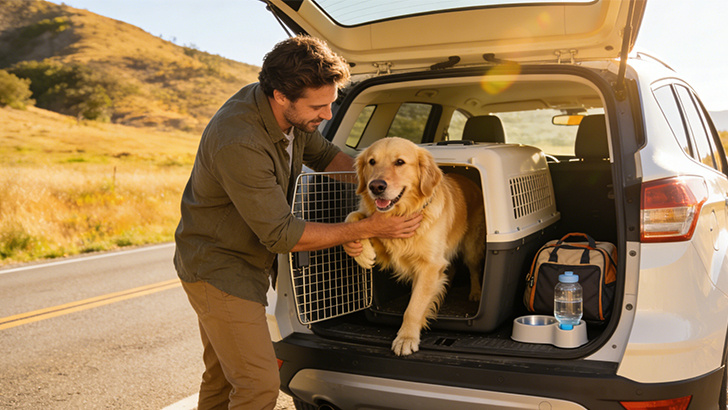
 Traveling with a furry companion can transform a good trip into an unforgettable adventure, strengthening your bond and creating shared memories. However, it also introduces a layer of complexity and responsibility beyond human-only travel. Ensuring your pet's safety, comfort, and well-being throughout the journey requires meticulous planning and proactive measures. From navigating airline regulations to finding pet-friendly accommodations and preparing for emergencies, a successful trip hinges on preparation. This comprehensive guide will walk you through the essential steps and considerations for a safe and enjoyable journey with your pet, covering everything from pre-trip vet visits to on-the-road routines.
1. ✈️ Pre-Trip Preparation: The Foundation of Safety
Thorough planning is the single most important factor in safe pet travel. Starting your preparations weeks, or even months, in advance is crucial for a stress-free experience for both you and your animal companion.
Veterinary Consultation & Documentation
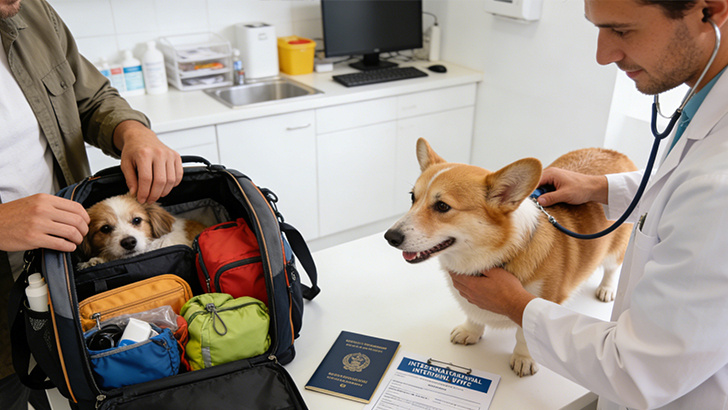
A visit to your veterinarian is non-negotiable. This appointment serves multiple critical functions.
- Health Check & Fitness to Travel: Your vet will conduct a full examination to ensure your pet is healthy enough for the stresses of travel. This is especially important for senior pets, brachycephalic (short-nosed) breeds (for air travel), or animals with chronic conditions.
- Vaccinations & Preventatives:
- Ensure all core vaccinations (Rabies, DHPP for dogs, FVRCP for cats) are up-to-date.
- Discuss and obtain any non-core vaccines recommended for your destination (e.g., Leptospirosis, Lyme disease).
- Update flea, tick, and heartworm prevention, which may be more prevalent in different regions.
- Required Travel Documents:
- Health Certificate: Most airlines and many interstate/international borders require a USDA-endorsed (or equivalent) health certificate issued within 10 days of travel. Your vet will provide this.
- Rabies Vaccination Certificate: A separate, official proof of rabies vaccination is often needed, especially for international travel.
- International Regulations: For travel abroad, research the specific import requirements of your destination country months in advance. Requirements can include blood titer tests (like the EU Rabies Titer Test), parasite treatments, and microchipping with an ISO 11784/11785 compliant chip.
- Sedation Discussion: Never sedate your pet for travel without explicit veterinary guidance. Sedatives can affect balance and breathing, particularly at high altitudes. Your vet may recommend mild anti-anxiety supplements or medications if your pet has severe travel anxiety.
Acclimating Your Pet to Travel Gear
Your pet's carrier or crate is their safe space during travel. Making it a positive place is key.
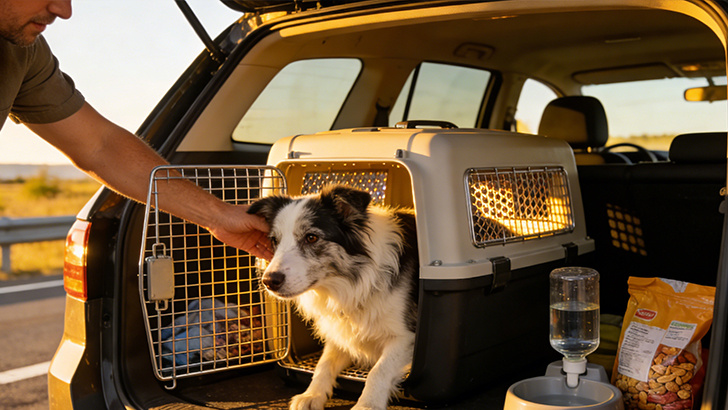
- Choosing the Right Crate/Carrier: For air travel, it must be IATA-compliant. For cars, a secure crate or a certified harness seatbelt is safest. Ensure it is well-ventilated, secure, and large enough for your pet to stand, turn around, and lie down comfortably.
- The Acclimation Process:
- Leave the carrier open in your home with a soft bed and favorite toys inside.
- Feed your pet meals near or inside the carrier to create positive associations.
- Practice short car rides in the carrier, gradually increasing duration.
- For crate training, use the same gradual, positive-reinforcement methods.
Packing a Pet Travel Kit
Pack a dedicated bag for your pet. Essentials include:
- Food & Water: A supply of their regular food to avoid GI upset, portable bowls, and a bottle of water from home for the first day to prevent stomach issues from new water sources.
- Comfort Items: Familiar blanket, bed, and toys.
- Medications & First-Aid: All regular medications, a copy of prescriptions, and a basic pet first-aid kit (gauze, adhesive tape, antiseptic wipes, tweezers).
- Leash, Harness, Collar with ID: Use a secure harness. Ensure the collar has a tag with your mobile number and a temporary tag with your destination address.
- Waste Management: Poop bags, disposable litter boxes for cats, cleaning supplies (paper towels, enzyme cleaner).
- Recent Photo: In case your pet gets lost.
2. 🚗 Choosing Your Mode of Transport
The safety considerations vary dramatically depending on whether you travel by air, road, or rail.
Air Travel
Air travel with pets is highly regulated and requires significant advance planning.
- Advantages: Essential for long-distance or international travel; fastest method.
- Disadvantages: Can be highly stressful; strict regulations; temperature embargoes; not suitable for all pets.
- Key Safety Steps:
- Research Airline Policies Early: Every airline has different rules, fees, and restrictions (breed, size, number of pets). Some prohibit pets in cargo during extreme temperatures.
- In-Cabin vs. Cargo Hold:
- In-Cabin: Only for small pets in an airline-approved soft-sided carrier under the seat. This is generally safer and less stressful.
- Cargo Hold: For larger pets. Use only airlines with dedicated, temperature-controlled, pressurized "live animal" compartments (often called "manifest cargo"). Book a direct flight whenever possible.
- Prepare the Crate: Line it with absorbent padding. Attach a secure, empty food and water dish. Clearly label the crate with "LIVE ANIMAL" arrows, your contact info, and a photo of your pet.
- The Travel Day: Do not feed your pet 4-6 hours before the flight (small amounts of water are okay). Provide a long, vigorous walk/play session before check-in.
Road Trips
Road trips offer the most control and flexibility for pet owners.
- Advantages: Full control over stops, schedule, and environment; can bring more gear; less stressful for many pets.
- Disadvantages: Can be long; risk of motion sickness; requires frequent stops.
- Key Safety Steps:
- Restraint is Mandatory: An unsecured pet is a projectile in a crash and a distraction to the driver. Use a crash-tested crate or a seatbelt harness attached to the car's latch system.
- Never Leave Pets Alone in a Parked Car: Temperatures can become lethal in minutes, even with windows cracked.
- Plan Frequent Breaks: Stop every 2-3 hours for bathroom breaks, water, and short leashed walks.
- Prevent Motion Sickness: Consult your vet if your pet gets car sick. Keep the car cool and well-ventilated, and limit food before departure.
- Create a Safe Space: Use window shades and bring their crate/bed into the hotel room to provide a familiar den.
Trains, Buses, & Ferries
Policies for other forms of public transport vary widely.
- Always check the specific carrier's pet policy well in advance. Many have strict size/weight limits, require advance booking for pets, or only allow service animals.
- Pet areas are often limited, and pets may need to remain in a carrier for the entire journey.
3. 🏨 Accommodation & Destination Activities
Finding the right place to stay and planning pet-appropriate activities are crucial for an enjoyable trip.
Finding & Vetting Pet-Friendly Lodging
"Pet-friendly" can mean anything from a tolerant motel to a luxury resort with pet amenities.
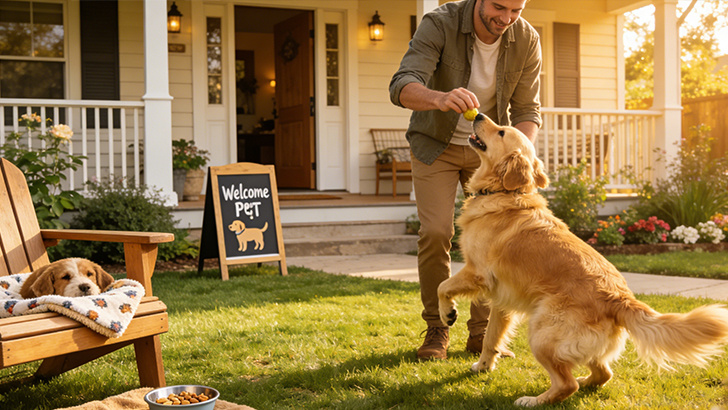
- Use Specialized Search Filters: On sites like Booking.com or Airbnb, use the "pets allowed" filter. Also check dedicated sites like BringFido.com.
- Read the Fine Print: Look for details on:
- Fees (per night or per stay).
- Weight/breed/species restrictions.
- Rules about leaving pets unattended in the room.
- Designated pet relief areas.
- Call to Confirm: Always call the property directly to confirm their policy and declare your pet. Ask about any nearby green spaces.
- Be a Respectful Guest:
- Keep your pet on a leash in all common areas.
- Clean up immediately and thoroughly.
- Use your own bedding to protect furniture from pet hair and accidents.
- Do not let your pet bark excessively or disturb other guests.
Planning Pet-Suitable Activities
Research what you can actually do together at your destination.
- Research Local Regulations: Check leash laws, beach access rules (time of day, specific dog beaches), and which parks or hiking trails allow pets.
- Identify Pet Services: Locate the nearest 24-hour emergency vet clinic, a trusted daytime vet, and pet supply stores at your destination before you go.
- Balance Activities: Schedule activities that are fun for you and manageable for your pet. Include plenty of downtime for them to rest and adjust to the new environment.
- Have a "Pet-Napping" Plan: For activities where pets aren't allowed (e.g., fine dining, museums), research reputable local pet sitters or doggy daycare services in advance.
4. ⚠️ On-the-Road Health & Safety Protocols
Vigilance during the journey itself is key to preventing emergencies.
Managing Stress & Anxiety
Signs of stress include panting, whining, trembling, excessive drooling, or withdrawal.
- Maintain Routine: Stick to regular feeding and walk schedules as closely as possible.
- Provide Familiarity: Their own bed, toys, and blanket provide immense comfort.
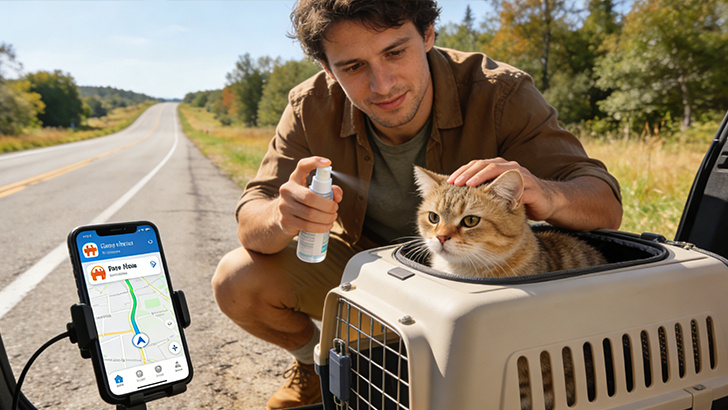
- Use Calming Aids: Consider vet-recommended products like Adaptil (dog appeasing pheromone) sprays/diffusers, Thundershirts, or calming treats.
- Stay Calm Yourself: Pets are highly perceptive to their owner's anxiety. Your calm demeanor can help soothe them.
Preventing Loss & Ensuring Identification
This is your most critical line of defense if your pet gets separated from you.
- Multi-Layer ID:
- Collar Tag: A durable tag with your current mobile number and destination address.
- Microchip: Ensure your pet is microchipped and, crucially, that the registry information is up-to-date with your current phone number and emergency contact.
- Temporary ID: Write your contact info directly on the carrier with a permanent marker.
- Leash Discipline: Use a secure leash and harness at all times in unfamiliar environments, even if your pet has excellent recall. New sights and sounds can cause them to bolt.
Recognizing & Responding to Emergencies
Know the signs of distress and have a plan.
- Signs of Medical Emergency: Difficulty breathing, prolonged vomiting/diarrhea, collapse, seizures, signs of pain (crying, hiding), bloated abdomen.
- Your Action Plan:
- Remain as calm as possible.
- Locate the nearest emergency veterinary clinic (you should have this saved on your phone).
- Call the clinic or a pet poison helpline (e.g., ASPCA Animal Poison Control) for immediate guidance while en route.
- Have your pet's medical records accessible.
5. 🏡 The Return Home & Post-Trip Care
The care you provide after the journey completes the safe travel cycle.
- Post-Travel Veterinary Check: If your pet traveled to an area with different parasites or shows any signs of illness after returning home, schedule a vet check.
- Gradual Re-entry: Allow your pet time to readjust to home life. They may be tired or seem disoriented for a day or two.
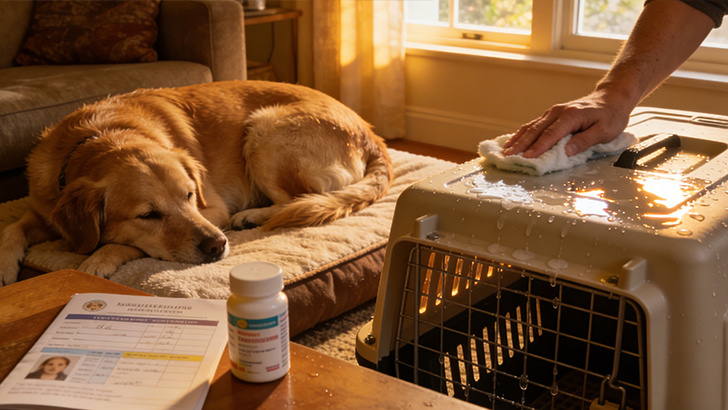
- Gear Maintenance: Clean and disinfect crates, carriers, bowls, and bedding to prepare for the next adventure.

Final Thoughts: A Journey of Shared Joy
Traveling safely with your pet is an exercise in thoughtful preparation, constant awareness, and adaptable care. It may require more effort than traveling alone, but the rewards—the shared sunsets, the new trails explored together, the cozy evenings in a rental cabin—are immeasurable. By investing time in pre-trip planning, choosing the right transportation and accommodation, prioritizing your pet's comfort and identification, and knowing how to handle potential emergencies, you lay the groundwork for a smooth and joyful experience. Remember, the goal is to create positive, stress-free memories for both of you. With this comprehensive guide as your roadmap, you are well-equipped to embark on a safe and wonderful adventure, strengthening the unique bond you share with your four-legged travel companion one mile at a time.