🏠 Introduction: The Rise of the Home Gym
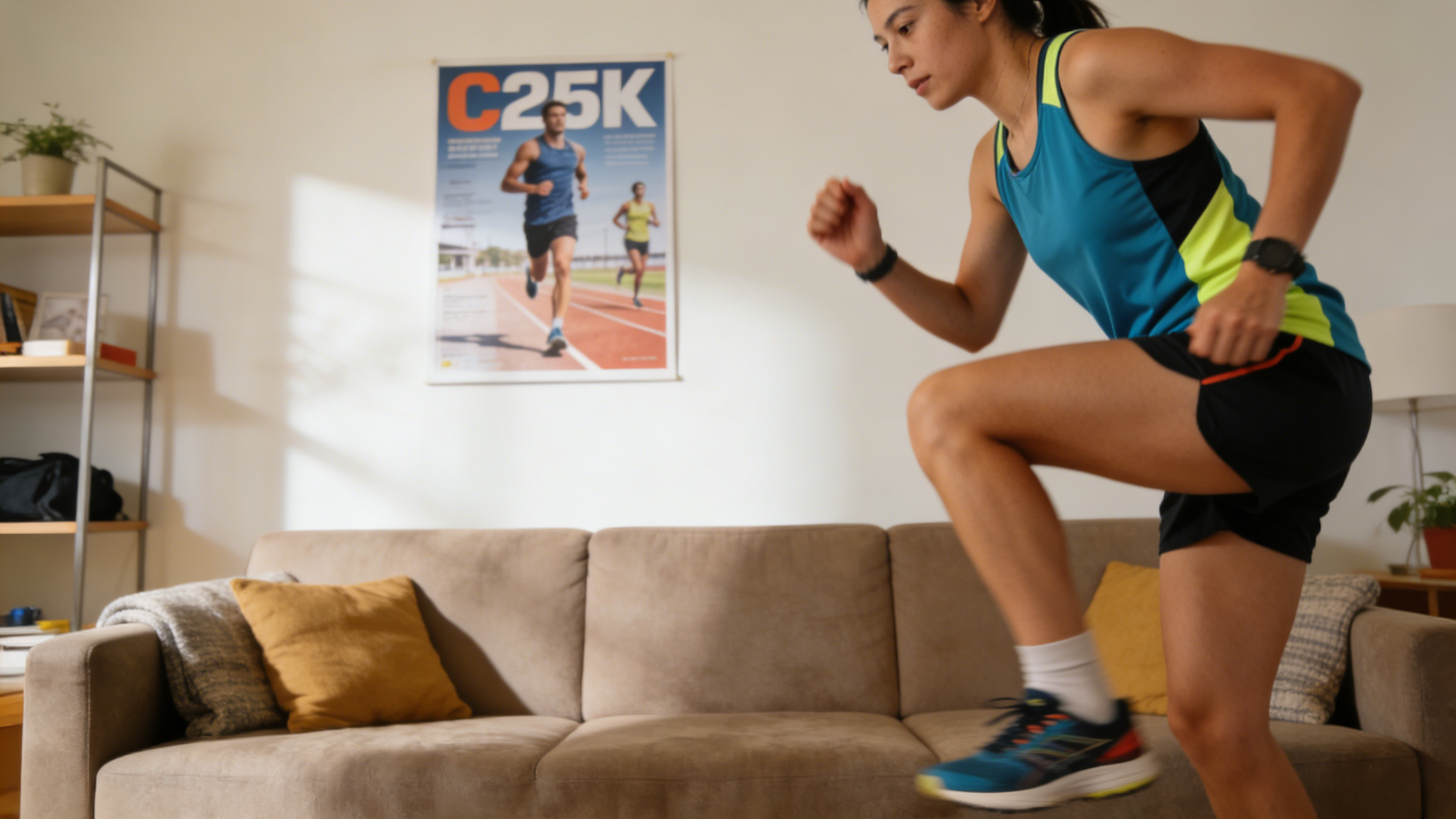
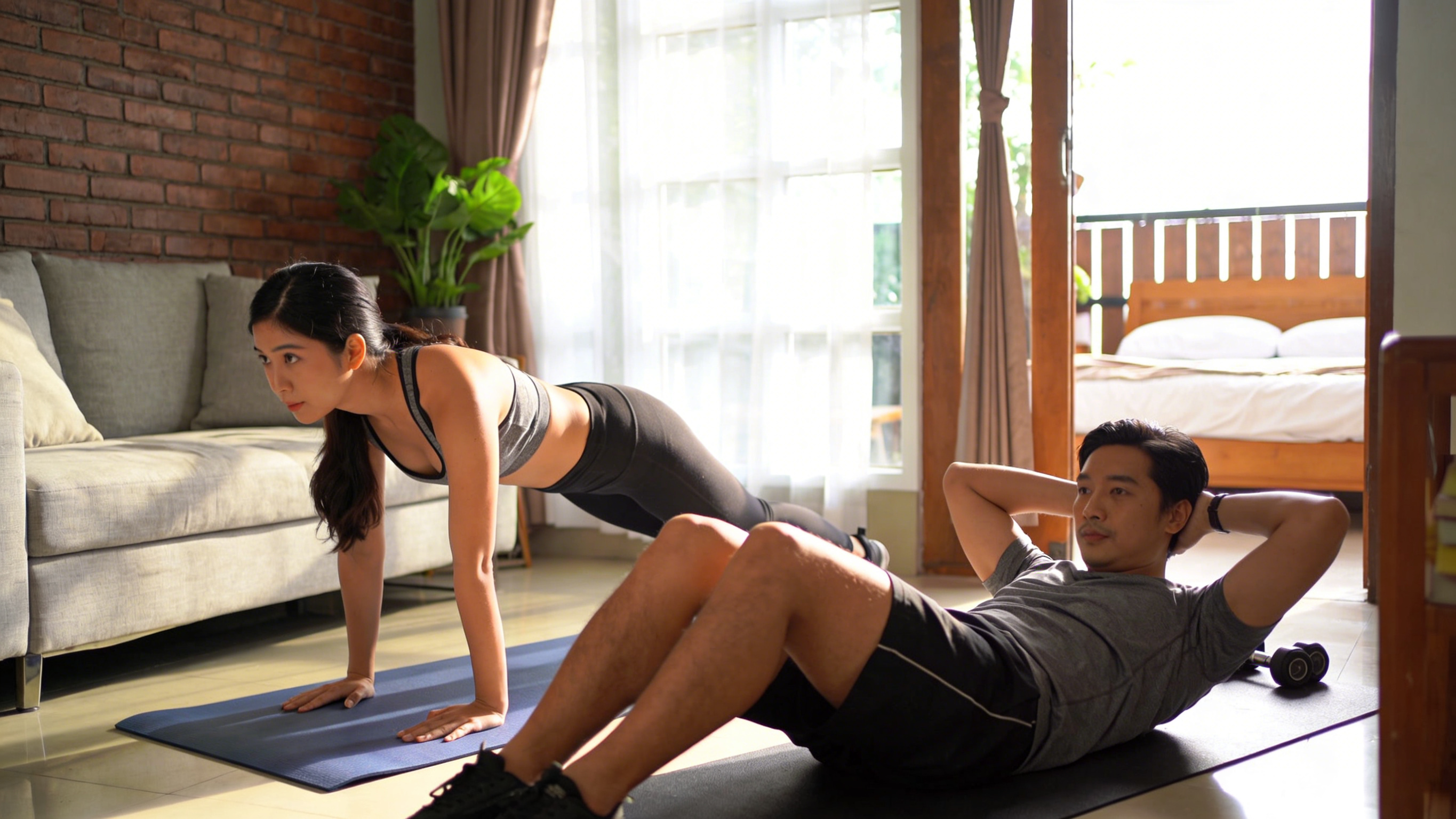
The fitness landscape has undergone a seismic shift. Gone are the days when an effective workout was synonymous with crowded gyms, expensive memberships, and rows of complex machinery. The revolution is here, and it's happening in our living rooms, bedrooms, and backyard spaces. This movement champions one powerful principle: your body is the most versatile piece of equipment you own. Building a strong, resilient, and healthy physique requires no fancy gear—just knowledge, consistency, and the will to move. This guide is your blueprint for joining this revolution, detailing how to construct a comprehensive, progressive, and highly effective workout routine using nothing but your bodyweight and everyday household items.
💪 The Cornerstones of an Effective Zero-Equipment Routine
Before diving into specific exercises, understanding the foundational principles is crucial for long-term success. A random collection of exercises will yield random results. A structured plan based on these pillars will deliver transformation.
Principle 1: Consistency Over Intensity
Regular, manageable workouts trump sporadic, brutal sessions every time.
- 1. Schedule It: Treat your workout like an unbreakable appointment. Three to four 30-45 minute sessions per week is a sustainable and effective starting point.
- 2. The "Minimum Viable Dose": On days you lack motivation, commit to just 10 minutes. Often, starting is the hardest part, and you'll likely finish a full session.
- 3. Habit Stacking: Attach your workout to an existing habit (e.g., "After I brew my morning coffee, I will do my routine").
Principle 2: The Full-Body Balance
A balanced routine prevents injury, promotes symmetrical development, and improves overall functional fitness.
- 1. The Movement Patterns: Every workout should, over a week, address these fundamental human movements: Push (e.g., push-ups), Pull (e.g., inverted rows), Squat (e.g., air squats), Hinge (e.g., glute bridges), Lunge (e.g., walking lunges), and Core (e.g., planks).
- 2. Antagonistic Pairs: Pair pushing muscles with pulling muscles in a session for balance (e.g., Push-ups followed by a pull alternative like table rows).
Principle 3: Progressive Overload (Without Weights)
This is the non-negotiable key to getting stronger and building muscle. You must gradually make exercises harder.
- 1. Increase Repetitions: The simplest method. Aim to add 1-2 reps per set each week.
- 2. Increase Sets: Add an extra set to your exercise.
- 3. Reduce Rest Time: Shorten your rest intervals between sets or circuits.
- 4. Advance the Exercise: Move to a more challenging variation (e.g., from knee push-ups to full push-ups to decline push-ups).
- 5. Increase Time Under Tension: Slow down the movement—take 3 seconds down, pause, 1 second up.
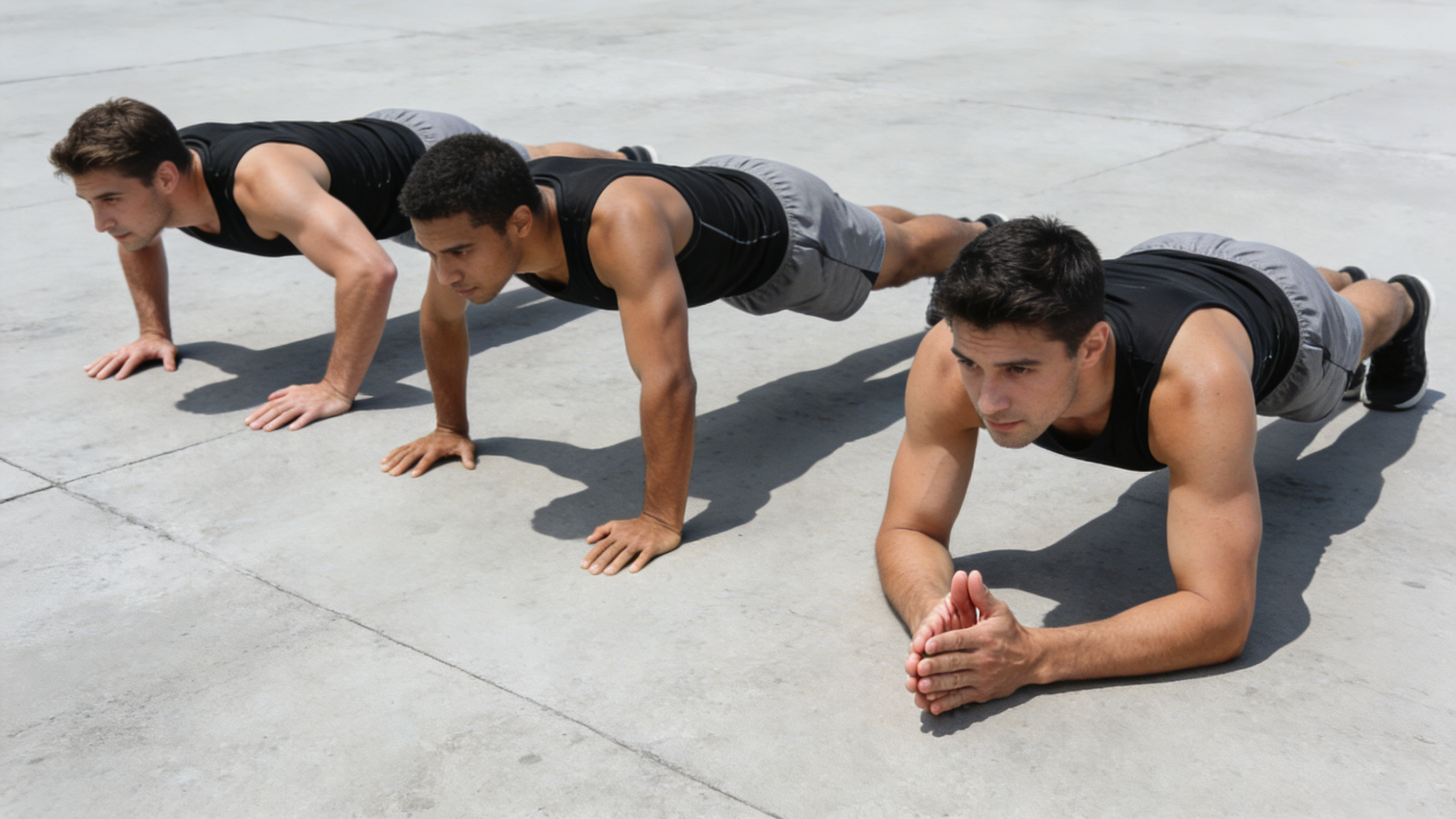
📝 Building Your Blueprint: Sample Weekly Structure
Here is a practical, balanced weekly template that incorporates the principles above. It follows a split that allows for adequate recovery while training the entire body effectively.
Day 1: Upper Body & Core Focus 🔥
Format: Circuit (perform each exercise back-to-back, rest 60-90 sec after completing the circuit, repeat 3-4 times).
- Push-Ups: 8-15 reps. (Variations: Incline, Standard, Decline).
- Pike Push-Ups: 6-12 reps. (Builds shoulder strength for handstands).
- Table or Doorframe Rows: 10-15 reps. (Crucial for back health and posture).
- Triceps Dips (on a chair): 10-15 reps.
- Plank: Hold for 30-60 seconds.
- Leg Raises: 12-20 reps.
Day 2: Lower Body & Cardio Blast ⚡
Format: EMOM (Every Minute On the Minute) for 20 minutes. At the start of each minute, perform the prescribed work, rest for the remainder of the minute.
- Minute 1: 15-20 Air Squats
- Minute 2: 10-12 Reverse Lunges (per leg)
- Minute 3: 30-60 seconds of High Knees or Jumping Jacks
- Minute 4: 10-15 Glute Bridges
- Minute 5: Rest. Repeat sequence 4 times total.
Day 3: Active Recovery or Skill Work 🧘
- 30-minute walk, light yoga, or stretching session.
- Practice a skill like handstand progression against a wall, L-sits, or mobility drills.
Day 4: Full Body Circuit 💥
Format: As many rounds as possible (AMRAP) in 20 minutes.
- 10 Burpees
- 15 Bodyweight Squats
- 10 Inverted Rows (or Superman holds if no pull option)
- 15 Mountain Climbers (total)
- 30-second Side Plank (each side)
Day 5: Rest or Repeat
Take a full rest day or repeat an Upper or Lower Body day based on how you feel. Listen to your body.
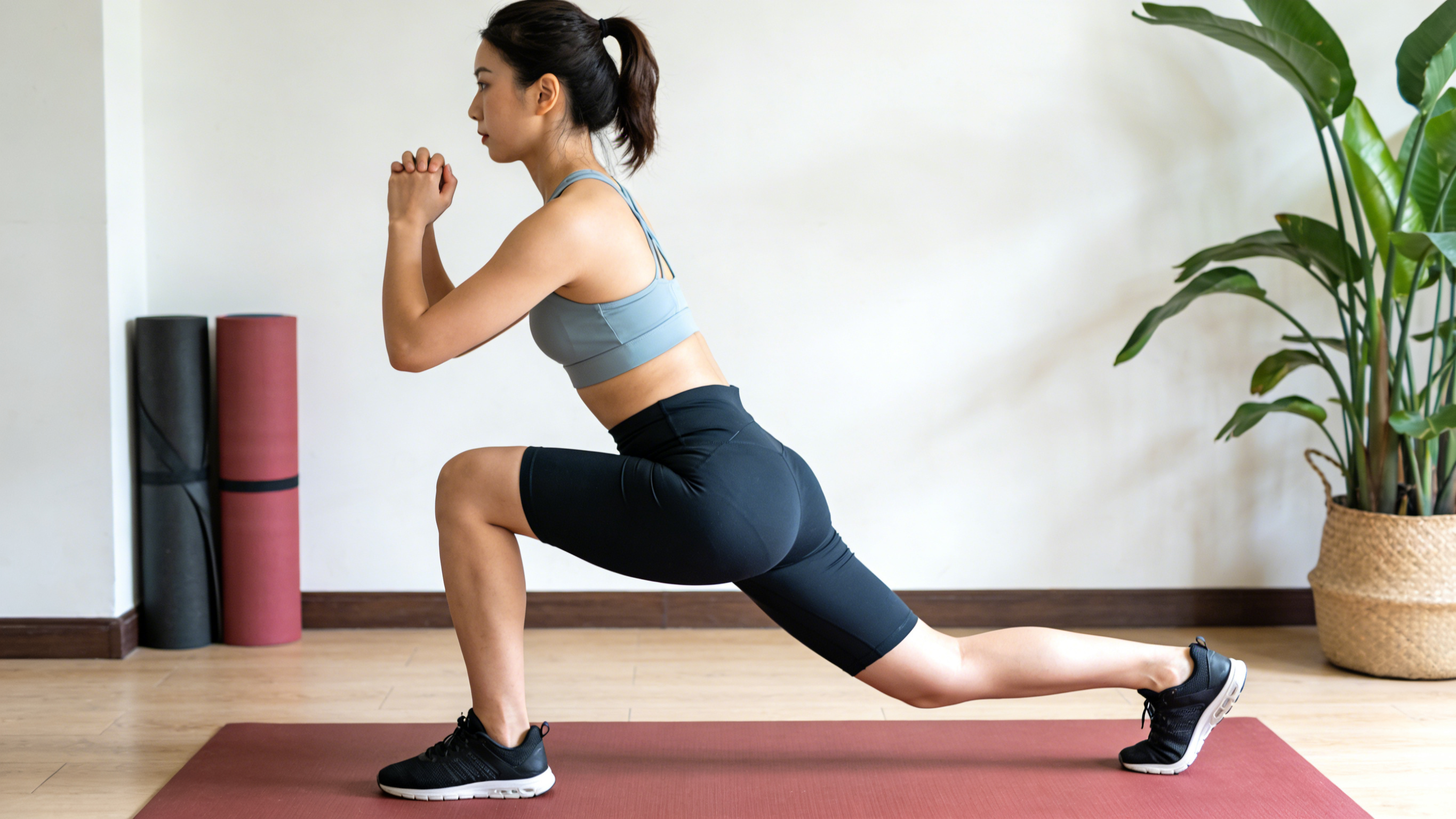
🚀 Leveling Up: Progression Pathways for Every Exercise
Stagnation is the enemy. Use this chart to continuously challenge yourself as you master each movement tier.
Push Progression (Chest/Shoulders/Triceps)
- Wall Push-Up → Incline Push-Up → Knee Push-Up
- Standard Push-Up → Diamond Push-Up (triceps focus)
- Archer Push-Up → One-Arm Push-Up (advanced)
- Pike Push-Up → Handstand Push-Up against wall
Pull Progression (Back/Biceps)
- Vertical Pulls: Doorframe pulls, towel pulls.
- Horizontal Pulls: Table Rows, under-table rows.
- Advanced: Australian pull-ups with feet elevated, towel rows with one arm.
- Goal: Invest in a portable pull-up bar for the ultimate home pull exercise.
Leg Progression (Quads/Glutes/Hamstrings)
- Bodyweight Squat → Pistol Squat (assisted) → Full Pistol Squat
- Forward Lunge → Walking Lunge → Jumping Lunges
- Glute Bridge → Single-Leg Glute Bridge → Nordic Curls (partner needed)
Core Progression
- Plank → Side Plank → Plank with Shoulder Taps
- Crunches → Leg Raises → Flutter Kicks
- Dead Bug → Hollow Body Hold → Dragon Flags (advanced)
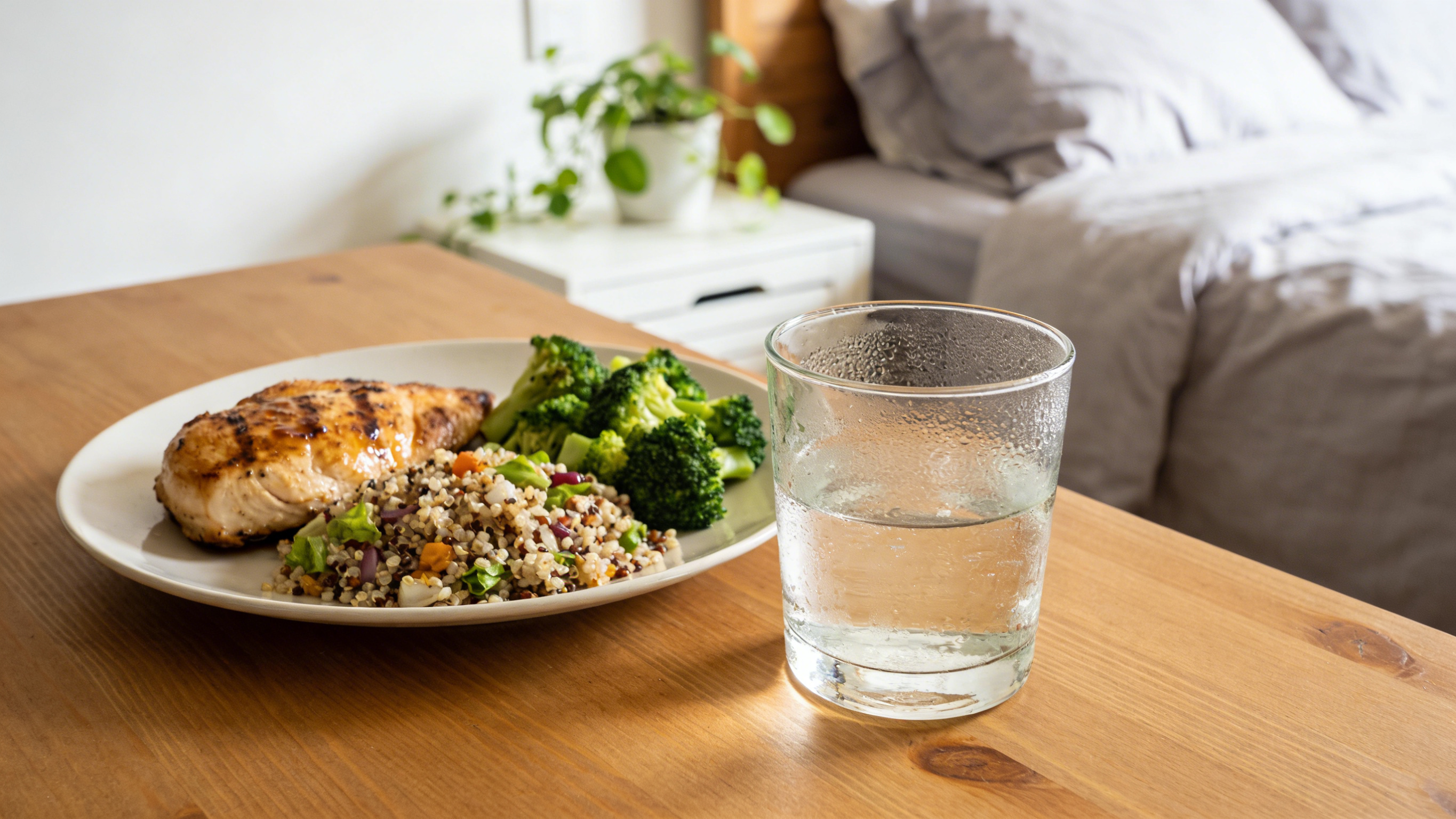
🥗 Fuel & Recovery: The Unsung Heroes
Your work outside the "workout window" determines 80% of your results.
Nutrition for Performance
- 1. Protein is Priority: Essential for muscle repair. Include a source (eggs, Greek yogurt, legumes, lean meats) in every meal.
- 2. Don't Fear Carbs: They fuel your high-intensity bodyweight sessions. Opt for complex carbs (oats, sweet potato, quinoa).
- 3. Hydrate: Sip water throughout the day. Performance drops with even mild dehydration.
The Art of Recovery
- 1. Sleep is Non-Negotiable: Aim for 7-9 hours. This is when muscle repair and hormone regulation peak.
- 2. Strategic Stretching/Mobility: 10 minutes post-workout or on rest days improves flexibility and reduces soreness.
- 3. Listen to Pain: Differentiate between good muscle soreness (DOMS) and sharp, joint, or persistent pain. The latter requires rest or professional consultation.
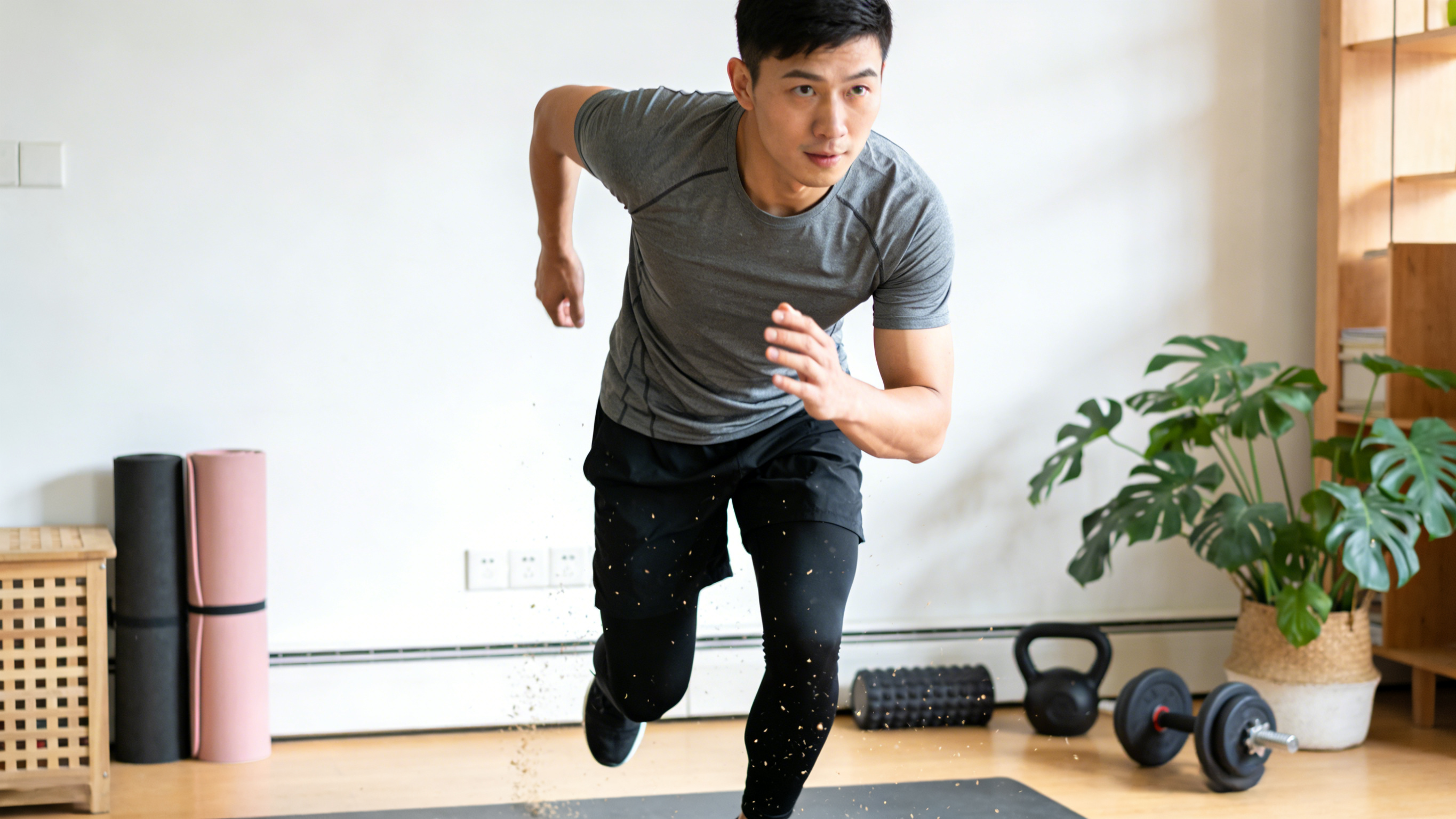
⚠️ Common Pitfalls and How to Avoid Them
Pitfall 1: Neglecting the Pull
Most bodyweight routines are push-heavy. Ignoring pulling movements leads to hunched shoulders and poor posture.
Solution: Get creative. Use a sturdy table, a door (with a towel), or invest in gymnastic rings or a pull-up bar.
Pitfall 2: Rushing Reps
Using momentum steals tension from the target muscles and increases injury risk.
Solution: Emphasize control. A 2-second lowering (eccentric) phase is incredibly effective for strength and muscle growth.
Pitfall 3: Not Tracking Progress
"Flying blind" leads to plateaus and lost motivation.
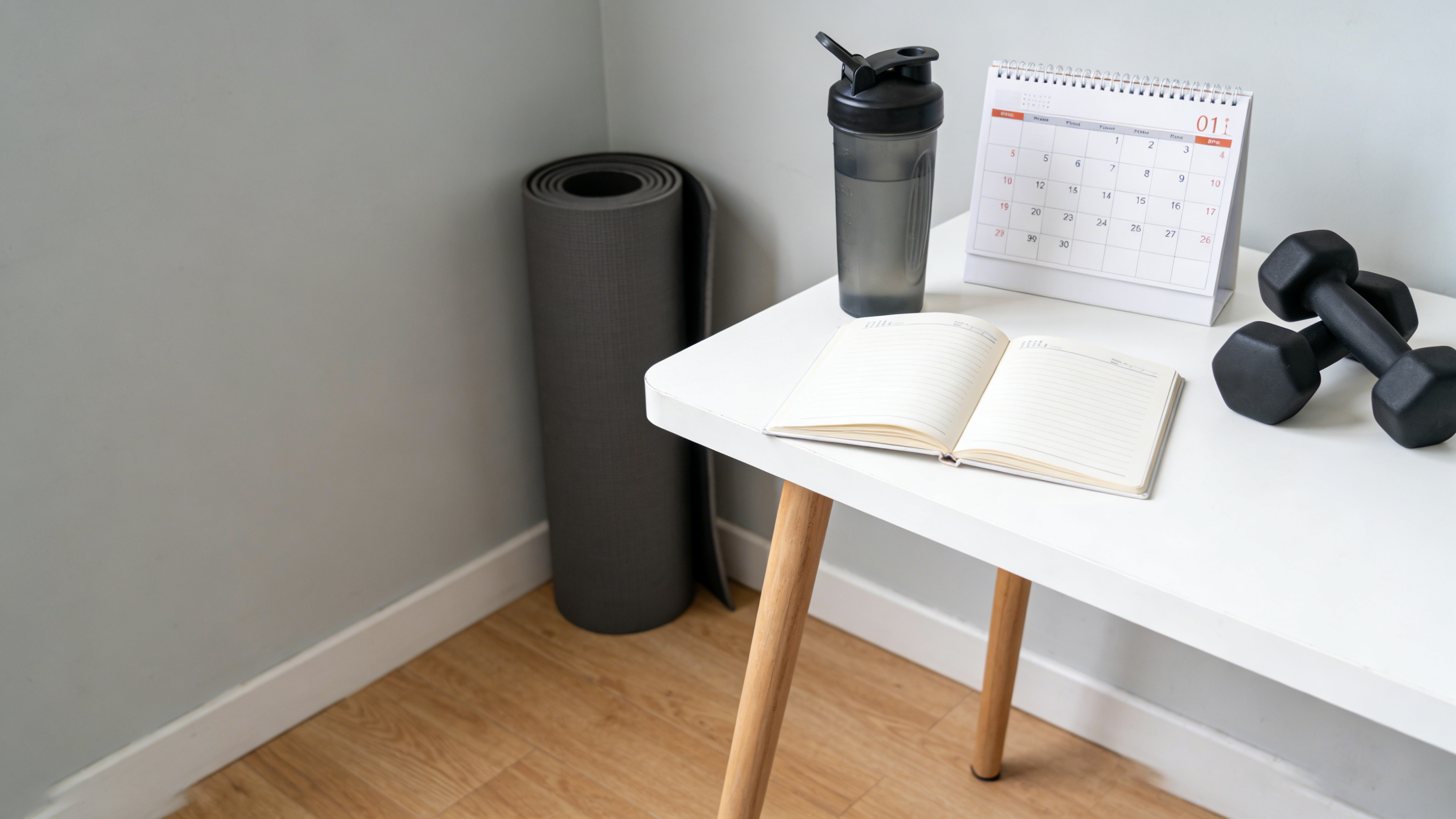
Solution: Keep a simple workout log (notebook or app). Record exercises, reps, sets, and how it felt. This data is gold for planning progressive overload.
Pitfall 4: Comparing Your Start to Someone Else's Finish
Social media is filled with advanced calisthenics athletes. Comparison is demotivating.
Solution: Focus on your own journey. Celebrate your personal progress—your first full push-up, a longer plank, an extra rep. These are the true victories.

🎯 Conclusion: Your Journey Starts Now
The Home Workout Revolution democratizes fitness, placing the power to transform your health squarely in your hands—and your living space. An effective zero-equipment routine is not a compromise; it's a intelligent, accessible, and highly potent approach to building strength, endurance, and resilience. It requires no financial barrier to entry, only your commitment to the principles of consistency, balance, and progression. By following the blueprint outlined here—embracing the fundamentals, structuring your week wisely, progressively challenging your body, and supporting your efforts with proper fuel and recovery—you are equipped to build not just a routine, but a sustainable and empowering fitness lifestyle. The revolution doesn't wait for the perfect gym or the right equipment. It begins with your next push-up, your next squat, your decision to start. Your body is ready. The time is now.