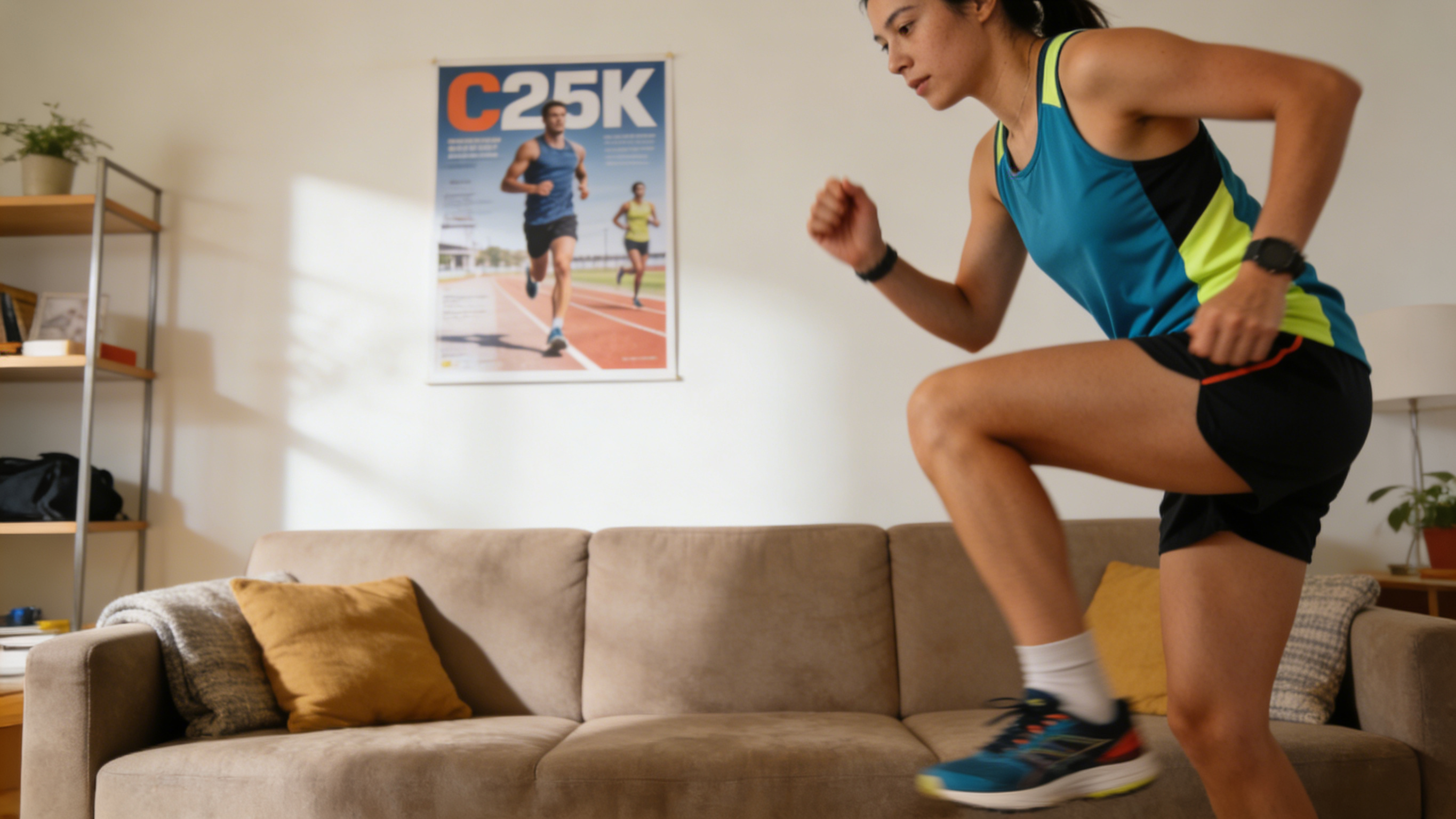
Embarking on a running journey can feel daunting, especially if your current fitness level is best described as "couch potato." The Couch to 5K (C25K) program is a brilliantly simple, proven plan designed to take absolute beginners from walking to running a full 5 kilometers (3.1 miles) in just eight weeks. By alternating between walking and running intervals, it builds endurance, strength, and confidence gradually, minimizing the risk of injury and burnout. This guide provides the complete framework, expert tips, and motivational strategies to help you cross that 5K finish line.

Why the Couch to 5K Program Works So Well ✨
The C25K program's effectiveness lies in its structured progression and psychological design. It recognizes that the body and mind need time to adapt to new stresses.
Key Principles of the Program:
- Gradual Progression: It slowly increases running time while decreasing walking time, allowing your musculoskeletal system to strengthen without overload.
- Interval Training: The walk/run intervals make the workout manageable, keeping heart rate in a beneficial zone and making the time pass quickly.
- Consistency Over Intensity: The program prioritizes completing three workouts per week, building a sustainable habit rather than demanding heroic, unsustainable efforts.
- Built-In Recovery: Rest days between runs are mandatory, providing crucial time for muscles to repair and adapt, which is when fitness actually improves.

The Complete 8-Week Walk/Run Training Plan 📅
Perform the following workout three times per week, with at least one rest day between sessions. Always start with a 5-minute brisk walk to warm up and end with a 5-minute slow walk to cool down.
Week 1: Building the Foundation
- Workout: Brisk 5-minute warm-up walk. Then alternate 60 seconds of jogging and 90 seconds of walking for a total of 20 minutes.
- Focus: Learning the interval rhythm. Don't worry about speed; a "jog" is just faster than a walk.
Week 2: Gaining Momentum
- Workout: Brisk 5-minute warm-up walk. Then alternate 90 seconds of jogging and 2 minutes of walking for a total of 20 minutes.
- Focus: Mentally adjusting to slightly longer running intervals. Focus on steady breathing.
Week 3: Introducing Variety
- Workout: Brisk 5-minute warm-up walk. Then do two repetitions of the following: 90 seconds jog, 90 seconds walk, 3 minutes jog, 3 minutes walk.
- Focus: Conquering the first 3-minute run. Pace yourself from the start of the longer interval.
Week 4: Stepping Up the Challenge
- Workout: Brisk 5-minute warm-up walk. Then: 3 minutes jog, 90 seconds walk, 5 minutes jog, 2.5 minutes walk, 3 minutes jog, 90 seconds walk, 5 minutes jog.
- Focus: This is a significant jump. Trust the process—you've built the fitness for this over the last three weeks.
Week 5: The Breakthrough Week
This week varies each day, leading to a major milestone.
- Workout 1: 5-minute warm-up. Jog 5 minutes, walk 3 minutes, jog 5 minutes, walk 3 minutes, jog 5 minutes.
- Workout 2: 5-minute warm-up. Jog 8 minutes, walk 5 minutes, jog 8 minutes.
- Workout 3: 5-minute warm-up. Jog for 20 minutes with no walking.
- Focus: Mental toughness. The 20-minute run proves you are a runner. Go slow and steady.
Week 6: Consolidating Endurance
- Workout 1: 5-minute warm-up. Jog 5 minutes, walk 3 minutes, jog 8 minutes, walk 3 minutes, jog 5 minutes.
- Workout 2: 5-minute warm-up. Jog 10 minutes, walk 3 minutes, jog 10 minutes.
- Workout 3: 5-minute warm-up. Jog for 25 minutes with no walking.
Week 7: Building Distance
- Workout: Brisk 5-minute warm-up walk. Then jog for 25 minutes (all three weekly sessions).
- Focus: Consistency. You are now running for most of the 5K distance. Focus on maintaining a comfortable pace for the full time.
Week 8: The Final Push to 5K!
- Workout: Brisk 5-minute warm-up walk. Then jog for 28-30 minutes (all three weekly sessions). By now, 30 minutes of jogging should cover approximately 5K for most beginners.
- Focus: Celebration! The final week is about completing your first continuous 5K run. Plan a reward for your final run.

Essential Gear and Preparation for Success 🎽
The right preparation and equipment are crucial for comfort and injury prevention.
1. Footwear: Your Most Important Investment
- Get Fitted: Visit a specialty running store. Staff will analyze your gait and foot type to recommend the right shoe (e.g., neutral, stability, motion control).
- Comfort is Key: Shoes should feel good immediately, not require a "break-in." Ensure a thumbnail's space between your longest toe and the shoe's end.
- Replace Regularly: Running shoes lose cushioning after 300-500 miles. Worn-out shoes are a leading cause of injury.
2. Clothing: Technical Fabrics Matter
- Avoid Cotton: Cotton traps sweat, leading to chafing, blisters, and discomfort.
- Choose Moisture-Wicking: Wear synthetic fabrics (polyester, nylon) or merino wool that pull sweat away from your skin.
- Dress for "20 Degrees Warmer": You will heat up quickly. Dress as if it's 20°F (11°C) warmer than the actual temperature outside.
3. Technology & Tools
- C25K Apps: Apps like "Zenli," "C25K by Active Network," or "NHS Couch to 5K" provide audio cues for intervals, track progress, and offer motivation.
- GPS Watch or Phone: Useful for tracking distance, pace, and route, but not essential in the early weeks. Focus on time, not speed.
- Hydration & Nutrition: Drink water throughout the day. A small snack (banana, toast) 60-90 minutes before a run can help fuel you.

Overcoming Common Challenges and Staying Motivated 💪
Hitting mental and physical roadblocks is normal. Here's how to push through.
Method 1: Managing Physical Discomfort
- Side Stitches:
- Causes: Often due to shallow breathing or eating too close to your run.
- Solution: Slow down, take deep, deliberate belly breaths, and exhale forcefully. Press your fingers into the stitch area.
- Muscle Soreness:
- Normal Soreness (DOMS): Peaks 24-48 hours after a new or intense workout.
- Solution: Active recovery (gentle walking, stretching), proper hydration, and adequate sleep. It should ease before your next run.
- Shin Splints:
- Warning Sign: Pain along the front of the lower leg. Often caused by increasing mileage too quickly or poor shoes.
- Solution: Rest, ice, and evaluate your shoes. If pain persists, consult a professional. Don't "run through" sharp pain.
Method 2: Winning the Mental Game
- Advantages of a Structured Plan:
- Decision Fatigue Eliminated: You don't have to wonder "how much should I run today?" The plan tells you, reducing mental barriers.
- Small, Achievable Wins: Each completed workout is a victory, building a powerful sense of accomplishment and self-efficacy.
- Focus on the Interval: Instead of dreading 20 minutes of running, you just need to complete the current 3-minute jog. This makes the task psychologically manageable.
- Disadvantages & Countermeasures:
- Rigidity Can Cause Stress: Life happens. If you miss a workout, don't quit.
- Solution: Repeat the last completed workout or the previous week. The goal is long-term progress, not perfect adherence.
- Comparison is the Thief of Joy: Seeing others run faster or farther can be demoralizing.
- Solution: Remember your journey is unique. Your only competition is the person you were yesterday. Celebrate *your* progress.
- Rigidity Can Cause Stress: Life happens. If you miss a workout, don't quit.
Method 3: Building Accountability
- 1. Find a Buddy or Group: Schedule runs with a friend or join a local beginner running group. Social commitment is a powerful motivator.
- 2. Public Commitment: Tell friends and family about your goal, or post your progress on social media. The positive encouragement will fuel you.
- 3. Sign Up for a Race: Register for a 5K event in Week 9 or 10. Having a tangible goal on the calendar makes your training purposeful.
- 4. Reward Yourself: Set up non-food rewards for milestones (e.g., new running gear after Week 4, a massage after Week 8).

What to Do After You Finish Your 5K 🏁
Completing the program is a massive achievement, but it's just the beginning of your running journey.
1. Celebrate Your Achievement!
Take pride in your accomplishment. Share your success, get your race medal framed, or treat yourself. You've earned it.
2. Choose Your Next Goal
- Option A: Consolidate 5K. Focus on running 5K comfortably 3 times a week for a month to solidify the habit.
- Option B: Increase Distance. Progress to a "Bridge to 10K" program, which uses similar walk/run principles to build up to 10K.
- Option C: Improve 5K Time. Work on speed with interval training (e.g., shorter, faster repeats) once you have a solid mileage base.
3. Keep the Habit Alive
- Schedule your runs like any other important appointment.
- Try new routes to keep scenery interesting.
- Listen to podcasts, audiobooks, or new music playlists while you run.
- Remember why you started and how far you've come.

Conclusion: Your Journey Starts Now 🚀
The Couch to 5K program is more than just a training plan; it's a gateway to a healthier, more confident you. It breaks down a seemingly impossible goal into bite-sized, achievable pieces. By faithfully following the 8-week schedule, investing in proper gear, and employing strategies to stay motivated, you will transform from a walker to a runner. The hardest step is always the first one out the door. Lace up your shoes, start with Week 1, and trust the process. Your 5K finish line awaits.