
If you've ever ventured into the world of fitness, nutrition, or healthy eating, you've likely encountered the term "macros." Short for macronutrients, these are the nutrients your body needs in large amounts to function, grow, and energize your daily life. Unlike micronutrients (vitamins and minerals), which are needed in smaller quantities, macros provide the bulk of your dietary energy, measured in calories. Understanding them is the cornerstone of taking control of your diet, whether your goal is weight loss, muscle gain, improved athletic performance, or simply better overall health. This guide will break down the three primary macros—protein, carbohydrates, and fats—explaining what they are, why you need them, where to find them, and how to build a balanced plate.

🧬 Protein: The Building Block of Life
Protein is often called the body's building block, and for good reason. It is made up of amino acids, which are crucial for the structure, function, and regulation of your body's tissues and organs.
What It Is & Why You Need It
Proteins are complex molecules made from chains of amino acids. Of the 20 amino acids, nine are "essential," meaning your body cannot produce them and you must get them from food.
· Muscle Growth & Repair: Essential for repairing muscle tissue broken down during exercise and for building new muscle.
· Enzymes & Hormones: Acts as catalysts for countless chemical reactions and forms vital hormones like insulin.
· Immune Function: Antibodies are proteins that help fight infection.
· Transportation: Carries molecules like oxygen (hemoglobin) throughout the body.
🏆 Excellent Sources of Protein
1. Animal Sources (Complete Proteins): Contain all nine essential amino acids.
· Chicken, turkey, lean beef, pork
· Fish and seafood (salmon, tuna, shrimp)
· Eggs and dairy products (Greek yogurt, cottage cheese, milk)
2. Plant Sources (Often Incomplete): Need to be combined to get all essential amino acids.
· Legumes (lentils, chickpeas, black beans)
· Tofu, tempeh, and edamame
· Quinoa (a rare complete plant protein)
· Nuts and seeds (almonds, chia seeds, pumpkin seeds)
⚖️ How Much Protein Do You Need?
General recommendations vary based on activity level and goals:
· Sedentary Adults: 0.8 grams per kilogram of body weight.
· Recreational Exercisers: 1.0 - 1.2 g/kg.
· Endurance Athletes: 1.2 - 1.4 g/kg.
· Strength Athletes / Muscle Building: 1.6 - 2.2 g/kg.
⚡ Carbohydrates: Your Body's Primary Fuel
Carbs are your body's main and most efficient source of energy. They break down into glucose, which fuels your brain, nervous system, and muscles during high-intensity activity.
Simple vs. Complex Carbohydrates
Not all carbs are created equal. The key difference lies in their chemical structure and how quickly they are digested.
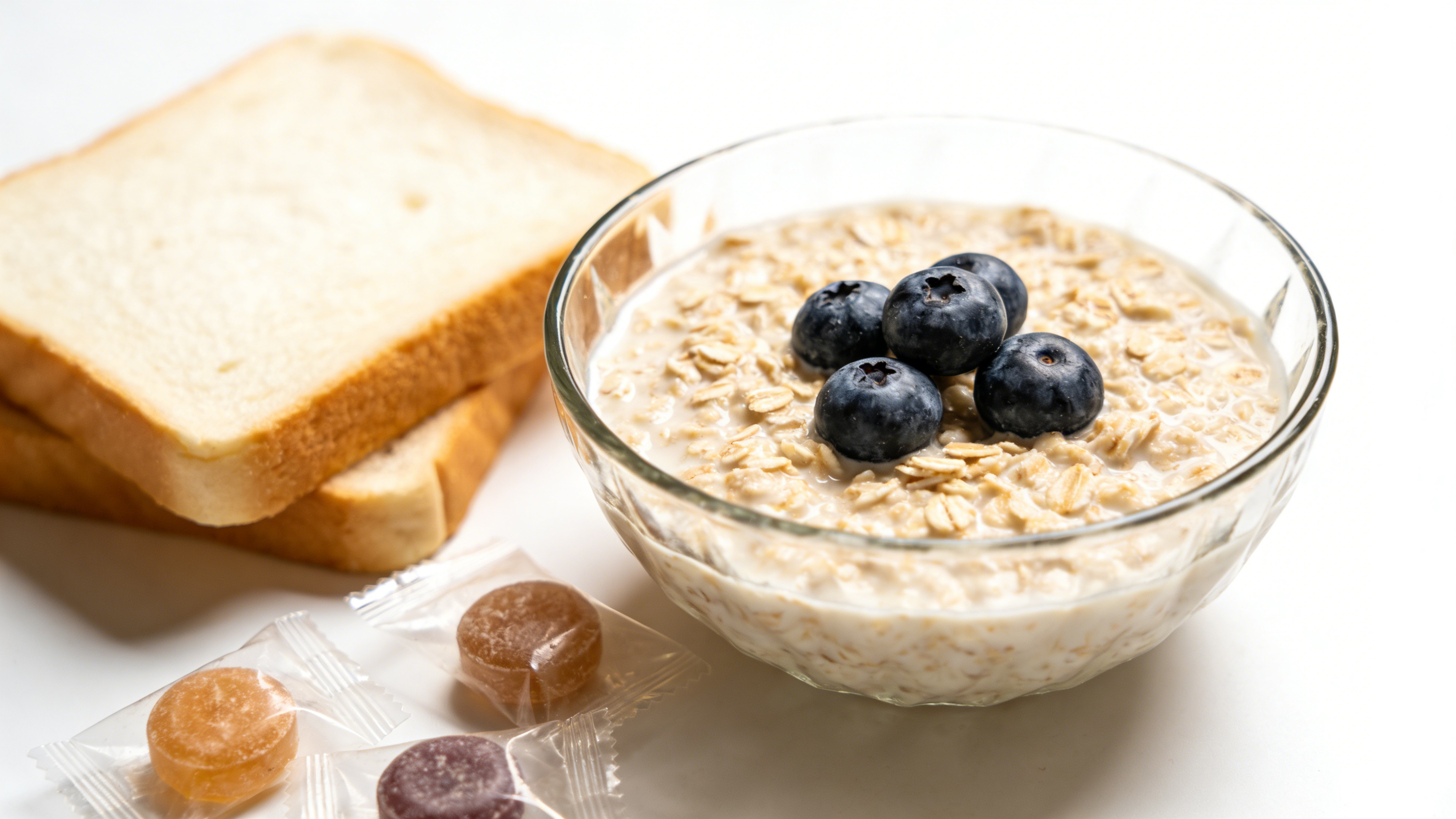
1. Simple Carbohydrates: Quick-digesting sugars.
· Sources: Table sugar, sugary drinks, candy, pastries, fruit, milk.
· Effect: Provide fast energy but can lead to blood sugar spikes and crashes.
2. Complex Carbohydrates: Longer chains of sugars, digested slowly.
· Sources: Whole grains (oats, brown rice, quinoa), starchy vegetables (sweet potatoes, peas), legumes, whole-wheat bread.
· Effect: Provide sustained energy, fiber, and keep you feeling full longer.
🌾 The Crucial Role of Fiber
Fiber is a type of complex carbohydrate that the body cannot digest. It is vital for digestive health and has numerous benefits:
· Digestive Health: Promotes regular bowel movements and prevents constipation.
· Blood Sugar Control: Slows the absorption of sugar.
· Heart Health: Can help lower LDL ("bad") cholesterol levels.
· Weight Management: Increases satiety, helping you feel full.
💡 Carbohydrate Recommendations
The ideal intake depends heavily on your activity level and metabolic health.
· General Guidelines: 45-65% of your total daily calories.
· Active Individuals: Higher intake, especially around workouts, to fuel performance and recovery.
· Low-Carb Diets: Some plans (like keto) reduce carbs to 5-10% of calories to shift the body into burning fat for fuel. This is a specific strategy and not necessary for everyone.
· Key Takeaway: Focus on getting the majority of your carbs from fiber-rich, complex sources like vegetables, fruits, and whole grains.

Fats: The Misunderstood Macro
For decades, fats were unfairly demonized. We now know dietary fats are essential for hormone production, nutrient absorption, brain health, and providing long-lasting energy.
The Different Types of Dietary Fat
Understanding the different types is key to making healthy choices.
1. Unsaturated Fats (The "Healthy" Fats): Liquid at room temperature.
· Monounsaturated: Avocados, olive oil, nuts (almonds, cashews).
· Polyunsaturated: Includes Omega-3 and Omega-6 fatty acids. Found in fatty fish (salmon, mackerel), flaxseeds, walnuts, and sunflower oil.
2. Saturated Fats: Solid at room temperature. Found in animal products (red meat, butter, cheese) and some tropical oils (coconut oil, palm oil). While not inherently evil, current guidelines recommend consuming in moderation.
3. Trans Fats (The "Bad" Fats): Artificially created through hydrogenation. Found in some fried foods, margarine, and processed snacks. These should be avoided as they raise bad cholesterol and lower good cholesterol.
🌟 Vital Functions of Fat
· Hormone Production: Necessary for making sex hormones like estrogen and testosterone.
· Vitamin Absorption: Fat-soluble vitamins (A, D, E, K) require fat to be absorbed and used by the body.
· Brain Health: Over 60% of your brain is composed of fat. Omega-3s are crucial for cognitive function.
· Cell Structure & Insulation: Forms the protective lining of your cells and helps insulate your body.
🔢 How Much Fat Should You Eat?
· General Guidelines: 20-35% of your total daily calories.
· Prioritize: Aim for the majority of your fat intake to come from unsaturated sources (nuts, seeds, avocados, olive oil, fatty fish).
· Moderate: Enjoy saturated fats from whole food sources like quality meat and dairy in moderation.
· Avoid: Artificial trans fats completely.

🧮 Putting It All Together: Tracking & Balancing Your Macros
Now that you understand each macronutrient, how do you apply this knowledge? Tracking can be a powerful educational tool, though it's not necessary forever.
Method 1: Calculate Your Macros
1. Determine Your Calorie Needs: Use an online TDEE (Total Daily Energy Expenditure) calculator to estimate calories needed to maintain, lose, or gain weight.
2. Apply Macro Percentages: Start with a standard ratio. A balanced starting point is:
· Protein: 30% of calories
· Carbohydrates: 40% of calories
· Fat: 30% of calories
3. Convert to Grams:
· Protein: 1 gram = 4 calories
· Carbs: 1 gram = 4 calories
· Fat: 1 gram = 9 calories
Example: For a 2000-calorie diet at 30% protein: (2000 * 0.30) / 4 = 150 grams of protein.
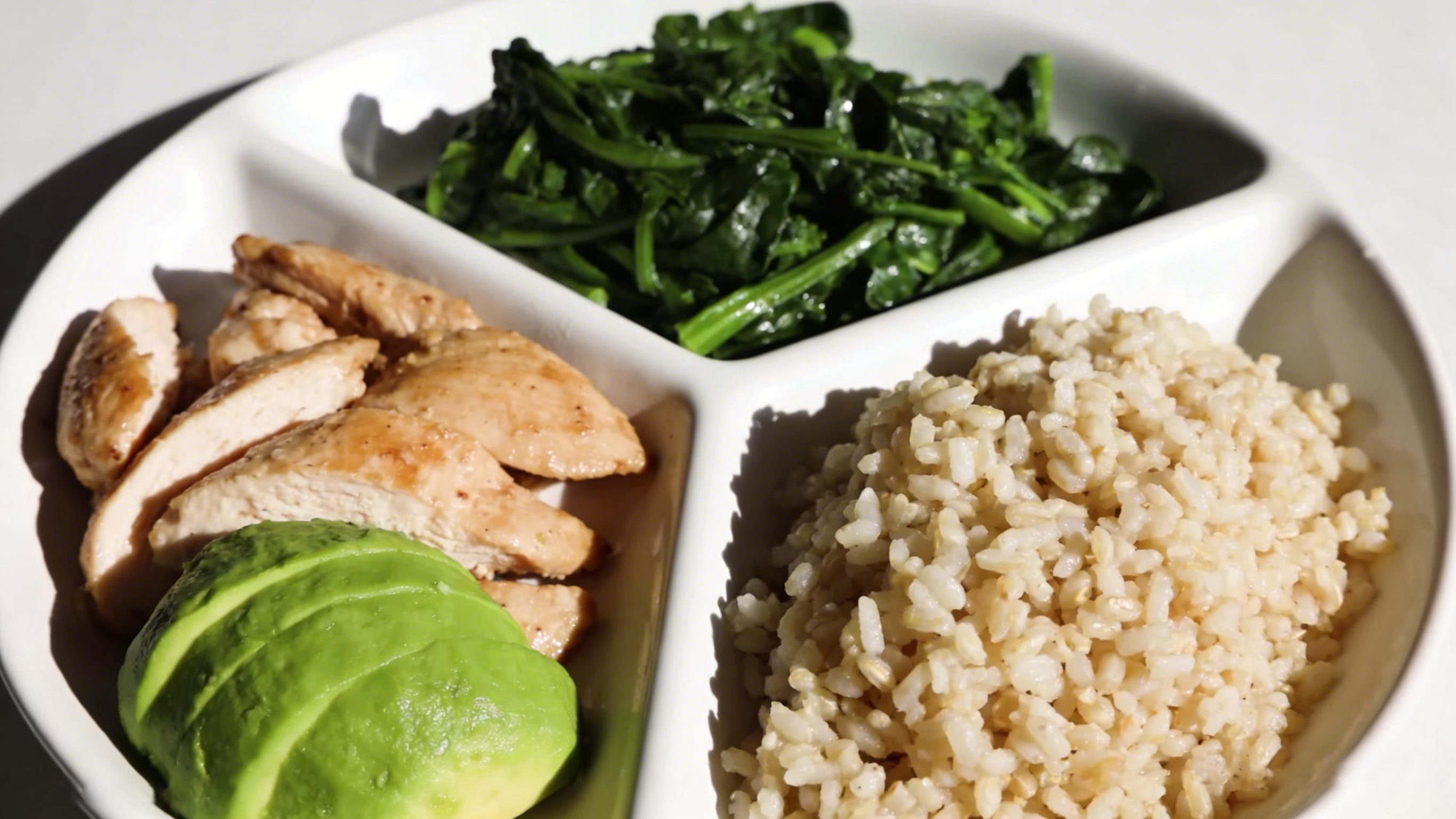
Method 2: The Plate Method (Simpler Visual Guide)
For those who don't want to count, structure your plate:
· 1/2 Plate: Non-starchy vegetables (spinach, broccoli, peppers, salad).
· 1/4 Plate: Lean protein (chicken, fish, tofu).
· 1/4 Plate: Complex carbohydrates (quinoa, brown rice, sweet potato).
· Add a Thumb-sized Portion: of healthy fats (avocado, olive oil, nuts).
✅ Pros and Cons of Macro Tracking
Advantages:
1. Educational: Creates awareness of what's in your food.
2. Flexibility: No foods are "off-limits," promoting a sustainable relationship with food.
3. Precision: Excellent for hitting specific body composition or athletic performance goals.
Disadvantages:
1. Time-Consuming: Requires weighing food and using an app, which can be tedious.
2. Potential for Obsession: Can trigger or exacerbate disordered eating patterns in some individuals.
3. Misses Micronutrients: Focusing only on macros can lead to neglecting vitamin and mineral intake from whole foods.
🎯 Final Thoughts: Mastering Your Nutrition
Demystifying macros is the first step toward intentional eating. Remember, protein builds and repairs, carbs fuel your movement and brain, and fats support critical bodily functions. While tracking can be insightful, the ultimate goal is to develop an intuitive understanding of how to build a balanced, nutritious plate that supports your individual lifestyle, goals, and preferences. Start by making small swaps—choose whole grains over refined, add a serving of vegetables to each meal, and incorporate healthy fats. By viewing food as the source of the essential building blocks your body needs, you empower yourself to make choices that enhance your energy, health, and well-being for the long term.