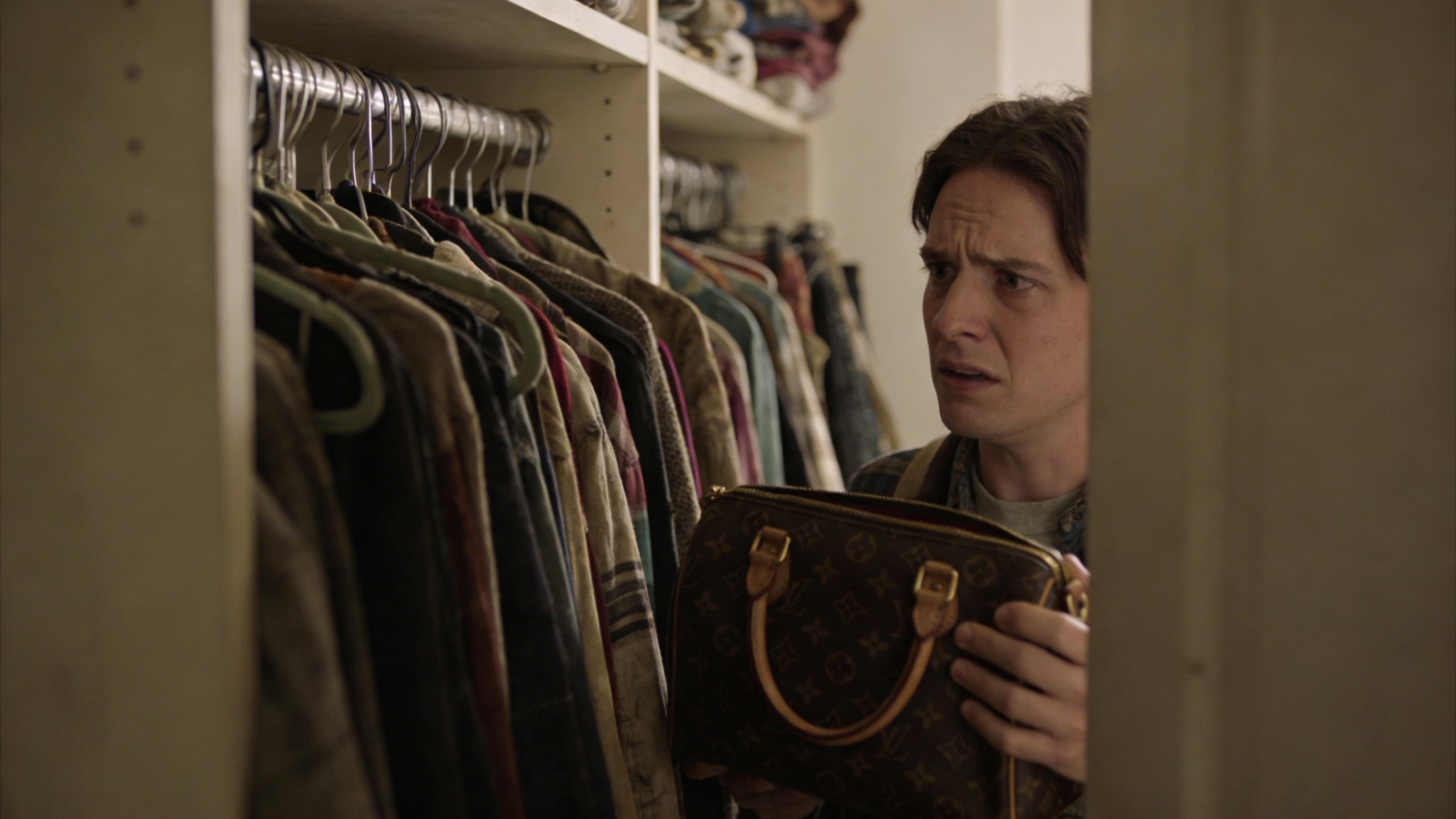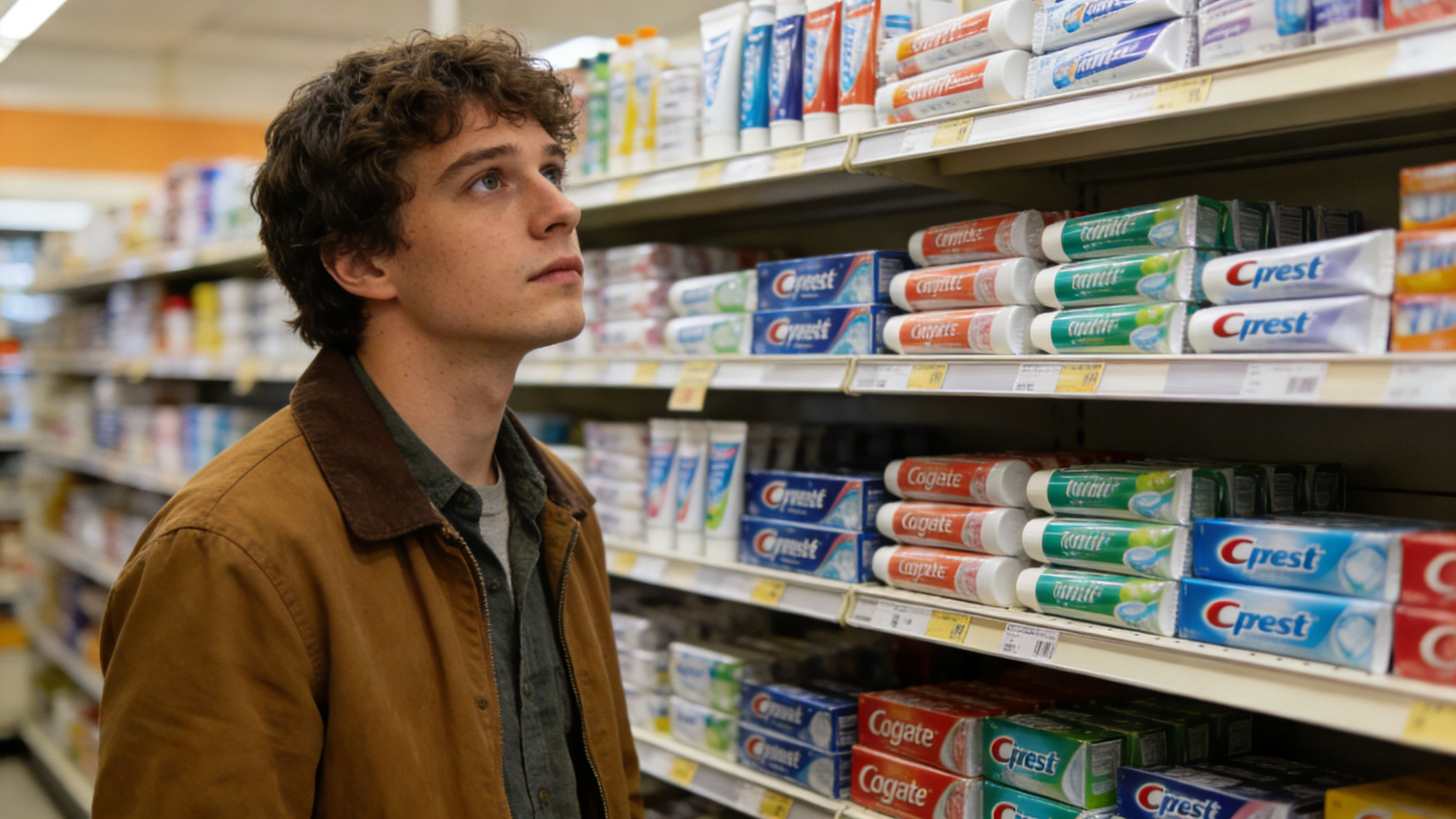
Have you ever walked into a supermarket for a simple item like toothpaste or olive oil, only to find yourself staring blankly at a wall of options? What starts as a quick errand can morph into a mentally draining ordeal. This phenomenon, particularly acute in retail environments, is known as decision fatigue. It refers to the deteriorating quality of decisions made by an individual after a long session of decision-making. In the context of shopping, every choice—from brand and price point to flavor, size, and ethical credentials—depletes a finite reservoir of mental energy. This article delves into the psychological mechanisms behind why choosing is so exhausting, its impact on our shopping behavior, and practical strategies to combat it, transforming a tiresome chore into a more efficient and satisfying experience.

🧠 The Psychology Behind the Aisle Exhaustion
Decision fatigue isn't just about being tired; it's a specific cognitive load with real consequences. Our brains, while remarkable, have limited processing power for executive functions like willpower, impulse control, and active decision-making.
The Cognitive Load Theory
Every decision we make consumes cognitive resources. In the aisle, this load is multiplied.
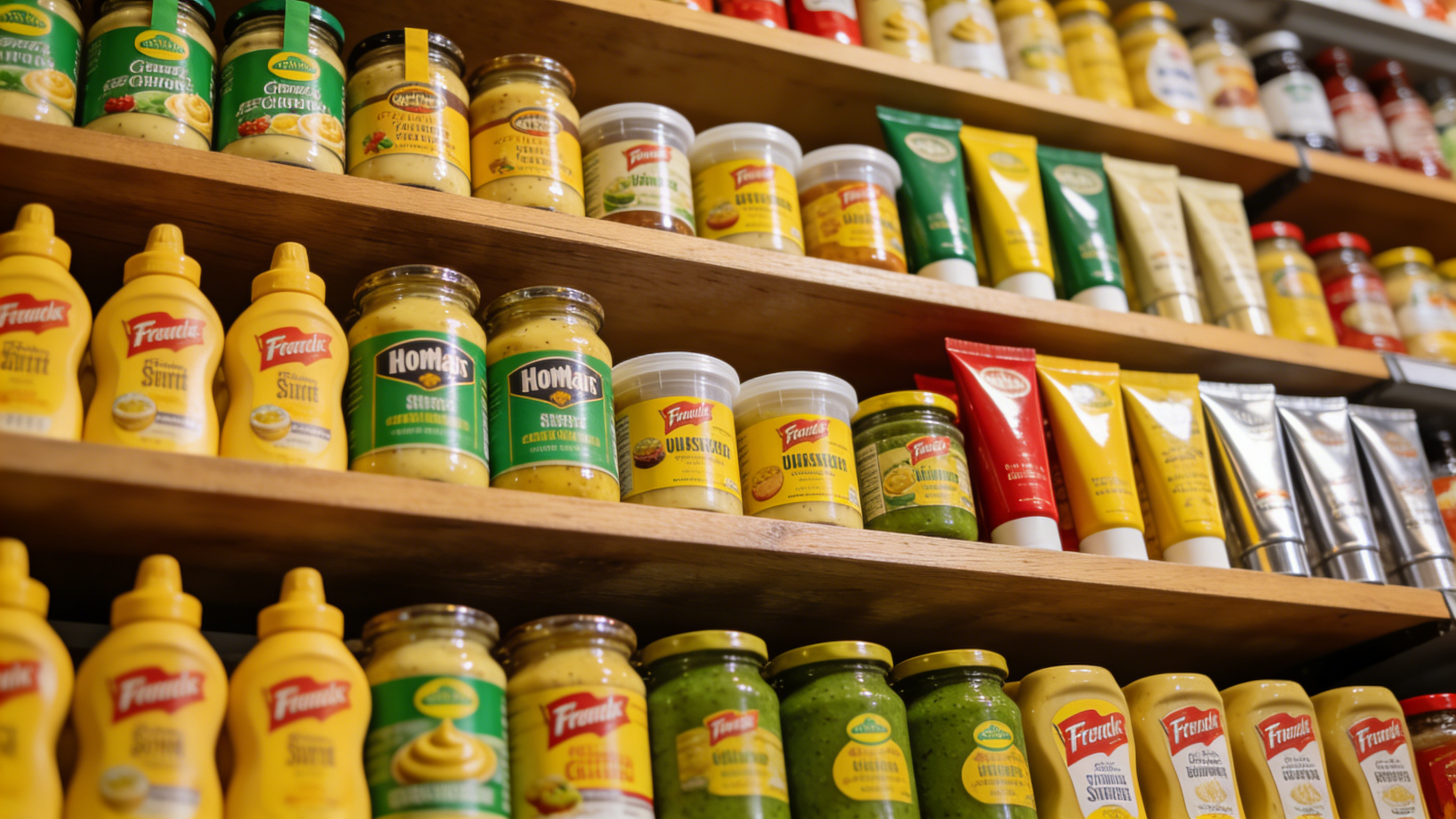
- 1. Information Overload: Modern supermarkets stock tens of thousands of items. Evaluating even a fraction of these requires comparing features, prices, nutritional info, and reviews.
- 2. Parallel Processing: While choosing a product, we're often simultaneously managing a mental shopping list, budgeting, and navigating the store layout, which further divides attention.
- 3. Willpower Depletion: Resisting temptations (like candy at the checkout) uses the same mental muscle as making deliberate choices, leading to quicker exhaustion.
The Paradox of Choice
Psychologist Barry Schwartz's famous concept suggests that while some choice is good, an overabundance leads to anxiety, paralysis, and dissatisfaction.
- 1. Analysis Paralysis: Too many options make it difficult to choose at all, leading to wasted time and mental energy.
- 2. Escalation of Expectations: With 50 types of mustard, we believe one must be "perfect." The pressure to find it increases stress.
- 3. Post-Purchase Regret: After a difficult choice, we're more likely to second-guess ourselves, wondering if a different option would have been better.
🛒 How Decision Fatigue Manifests in Your Shopping Cart
The effects of decision fatigue are not just felt internally; they directly influence purchasing behavior and outcomes.
➡️ The Impulse Buy Surge
As mental energy wanes, the brain seeks shortcuts, making us more susceptible to marketing tactics.
- 1. Defaulting to Familiarity: Overwhelmed, shoppers often grab the most recognizable brand or the item at eye level, regardless of price or quality.
- 2. Succumbing to Promotions: "Buy One Get One Free" or brightly colored "New!" labels require less thought, acting as cognitive relief but potentially leading to unnecessary purchases.
- 3. Checkout Lane Temptations: By the end of a shop, willpower is depleted, making small, high-margin items like magazines and chocolate bars incredibly hard to resist.
➡️ Decision Avoidance and Simplification
To cope, shoppers adopt strategies that reduce cognitive load, sometimes at the expense of optimal choices.
- 1. Satisficing: Coined by Herbert Simon, this is the act of choosing an option that is "good enough" rather than holding out for the best possible one. A tired shopper will pick the first acceptable pasta sauce.
- 2. Choice Delegation: Relying on recommendations from friends, "Amazon's Choice" badges, or store-brand labels to outsource the decision.
- 3. Abandoning the Decision Altogether: In extreme cases, fatigue leads to walking away without purchasing anything—the ultimate form of decision avoidance.
⚙️ Strategies to Conquer Decision Fatigue in Stores
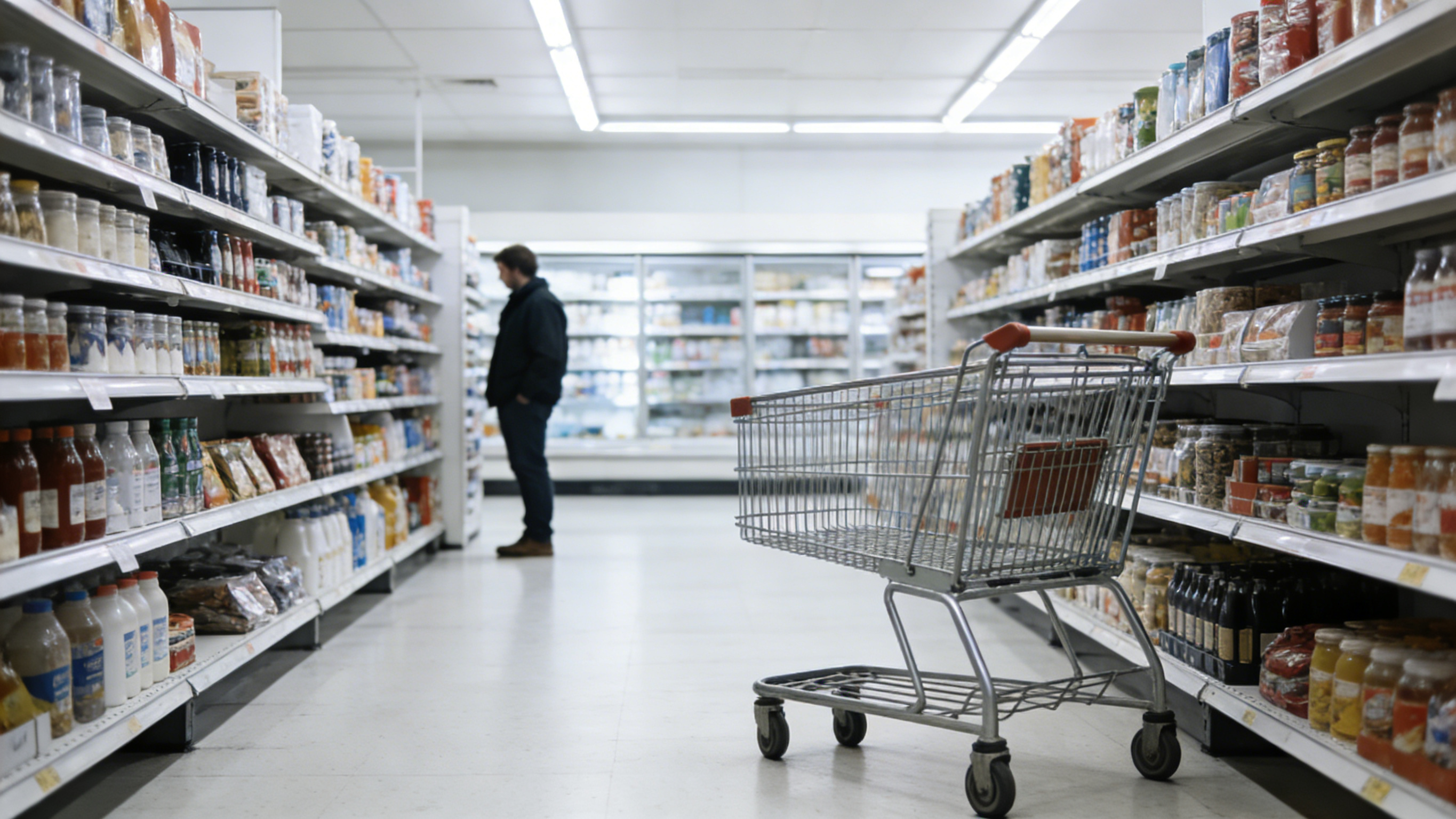
Recognizing the problem is the first step. The next is implementing practical tactics to preserve mental energy and make shopping less exhausting.
🛡️ Method 1: Pre-Commitment and Planning
Reduce in-the-moment decisions by making choices ahead of time.
- Advantages: Drastically cuts aisle time, minimizes impulse buys, ensures you get what you need.
- Disadvantages: Requires initial time investment; can feel rigid if you discover a new product you'd like to try.
- Implementation Steps:
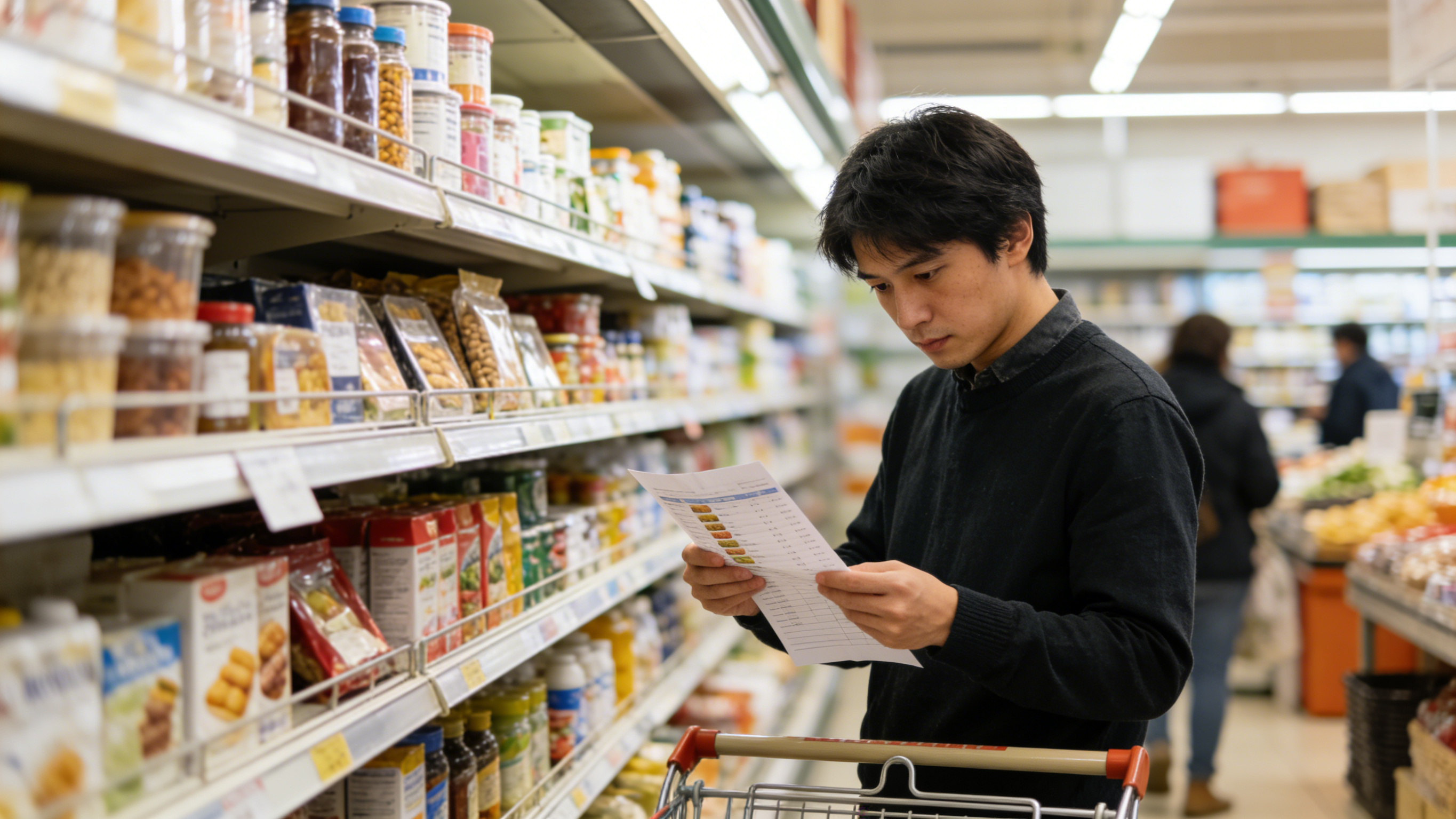
- Create a Detailed List: Organize it by store section (produce, dairy, dry goods). Specify brand and size if preferences are strong.
- Set a Budget: Decide on a spending limit beforehand to reduce financial deliberation at the register.
- Use Grocery Apps or Curbside Pickup: Making selections online in a calm environment separates the "choosing" task from the "physically navigating" task, splitting the cognitive load.
🛡️ Method 2: Limiting Options with Personal Rules
Create simple heuristics or rules to automate categories of decisions.
- Advantages: Frees up mental bandwidth for more important decisions; creates consistency.
- Disadvantages: May lead to missing out on better products; rules need occasional review.
- Implementation Steps:
- Brand Loyalty for Staples: For items like milk, eggs, or toilet paper, always buy the same trusted brand. No deliberation needed.
- The "One-Category Comparison" Rule: Only allow yourself to deeply compare options in one product category per trip (e.g., "Today, I'll find the best canned beans"). For everything else, use your rule or list.
- Ethical/Health Filters: Set non-negotiable criteria (e.g., "always organic for the Dirty Dozen," "always fair-trade coffee"). This narrows the field instantly.
🛡️ Method 3: Optimizing Your Shopping Routine
Leverage timing, environment, and mindfulness to conserve energy.
- Advantages: Works with your body's natural rhythms; turns shopping into a more mindful, less stressful activity.
- Disadvantages: May not align with everyone's schedule; requires self-awareness.
- Implementation Steps:
- Shop at Off-Peak Times: Go when the store is quiet (early morning, weekday nights). Crowds add sensory and decision overload.
- Never Shop Hungry or Tired: Low blood sugar and general fatigue severely impair decision-making capacity and willpower.
- Practice "Single-Tasking": Focus only on shopping. Don't try to make important life decisions or have stressful phone calls simultaneously.
- Set a Time Limit: Give yourself 30 minutes. The mild pressure can prevent overthinking and dithering.
🏪 The Retailer's Role: Designing for Decisiveness
While shoppers can adapt, store design plays a huge role. Some retailers are consciously designing to reduce customer decision fatigue.
✅ Curated Assortments
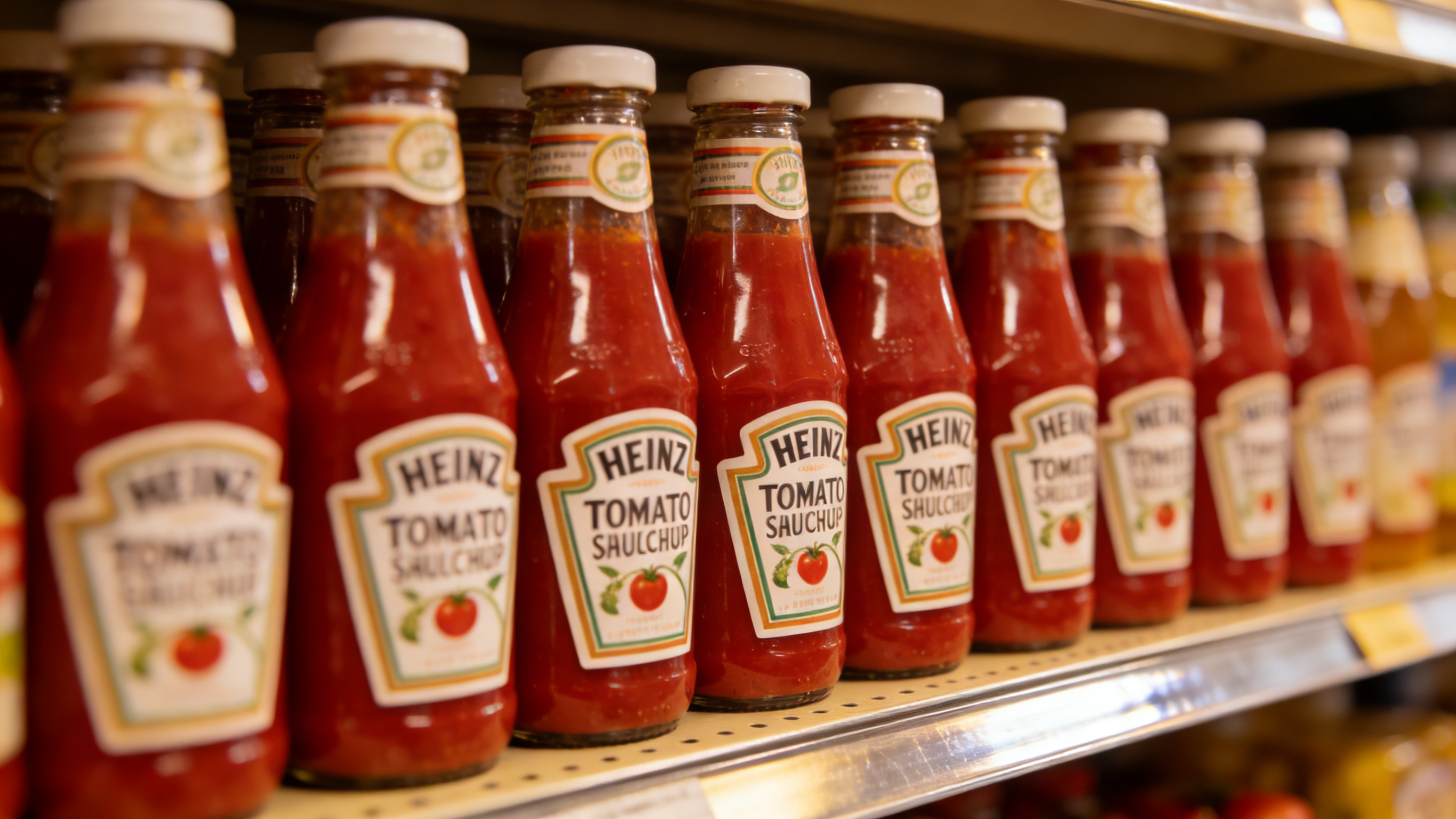
Stores like Trader Joe's and Aldi famously carry a limited selection—one or two brands of ketchup instead of twenty. This reduces paralysis and can enhance trust, as the store has done the vetting work for you.
✅ Clear Signage and Navigation
Logical store layouts, well-labeled sections, and "healthy choice" icons help customers find what they need quickly, reducing the cognitive tax of searching.
❌ Exploitative Design
Conversely, some layouts are designed to induce fatigue and impulse buys (e.g., placing staples at the back, creating maze-like paths). Being aware of these tactics helps you resist them.
💎 Conclusion: Reclaiming Your Mental Energy
Decision fatigue in the shopping aisle is a real and pervasive drain on our daily mental resources. It stems from the overwhelming number of choices we face, compounded by the cognitive load of navigation, budgeting, and resisting impulses. The consequences range from poor purchasing decisions and buyer's remorse to genuine mental exhaustion that spills over into other parts of our day.
The key to overcoming it lies in strategic foresight and simplification. By planning meticulously, establishing personal decision-rules, and shopping mindfully at optimal times, we can transform the supermarket from a battleground of willpower into a streamlined errand. Recognizing that our decision-making energy is finite and precious allows us to spend it wisely—on choices that truly matter, rather than exhausting it on the 47th variety of yogurt. Ultimately, conquering decision fatigue isn't just about better shopping; it's about preserving your cognitive capital for a more focused and less stressful life beyond the store's sliding doors.