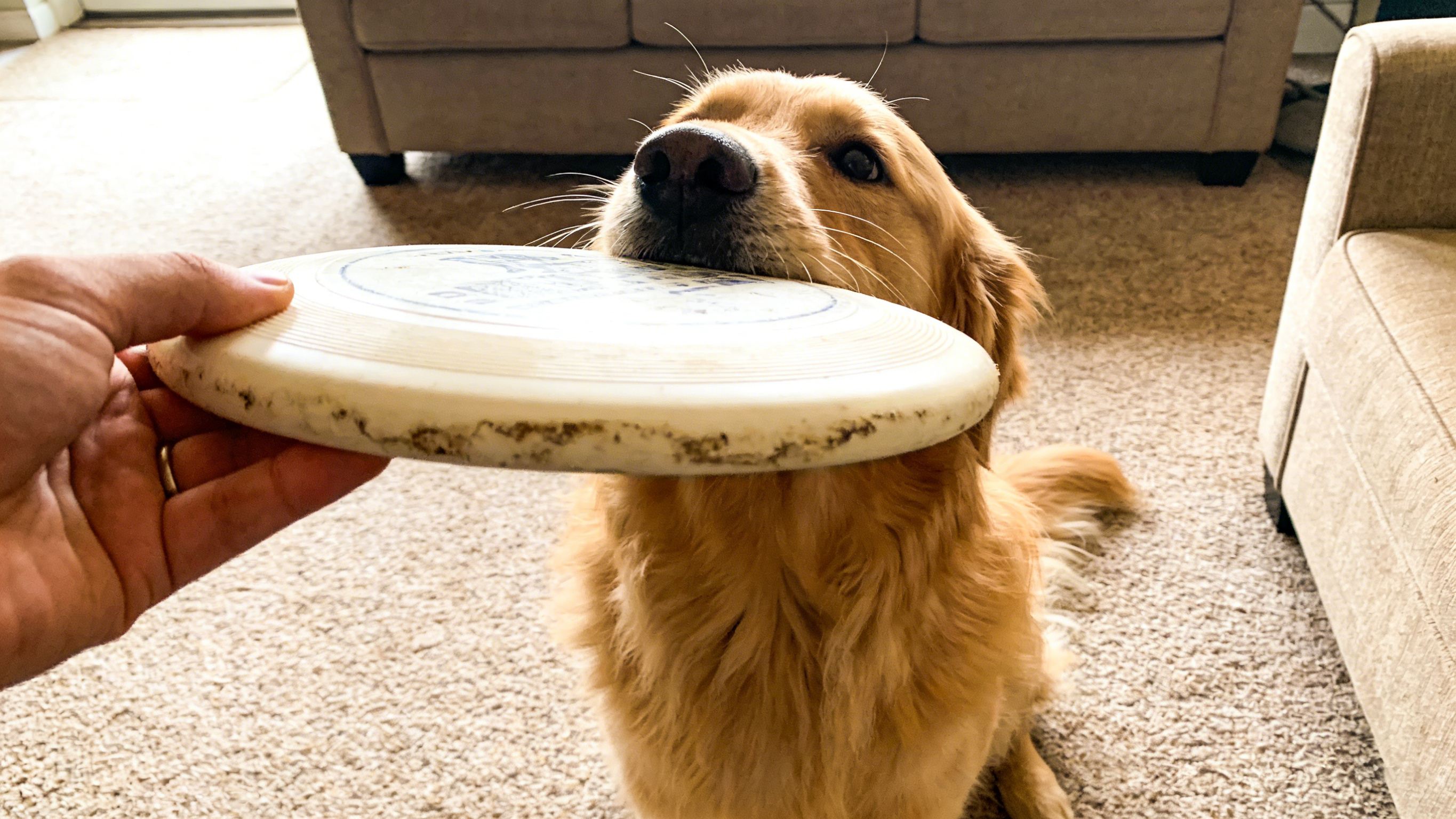
As pet owners, we love our furry companions deeply. Yet, navigating their behaviors can sometimes feel like interpreting a foreign language. In our quest to understand them, we often rely on well-meaning but inaccurate pieces of conventional wisdom. These myths about pet behavior can lead to frustration, strained relationships, and even unintentional harm. It's time to separate fact from fiction. By debunking these common myths with insights from modern veterinary science and animal behaviorists, we can learn to understand our pets better, strengthen our bond, and ensure their emotional and physical well-being.

Myth 1: You Can't Teach an Old Dog New Tricks 🐶
The Myth
This pervasive saying suggests that adult or senior dogs are incapable of learning new behaviors, commands, or adapting to new routines. It implies that their capacity for learning is fixed and diminishes sharply with age.
The Reality
Dogs are capable of lifelong learning. While puppies may learn slightly faster due to their developmental stage, adult and senior dogs have significant advantages: longer attention spans, better impulse control, and a wealth of life experience to draw upon. The key isn't age; it's the methodology, patience, and motivation.
Why This Myth is Harmful
Believing this myth can lead to missed opportunities for mental stimulation and bonding with an older dog. It can cause owners to give up too easily or not engage their senior pet in activities that could greatly enhance their quality of life.
How to Successfully Train an Older Dog
1. Adjust for Physical Limitations: Be mindful of arthritis, hearing loss, or vision impairment. Use clearer hand signals if hearing is poor, and avoid strenuous physical maneuvers.
2. Use High-Value Rewards: An older dog might be less food-motivated or more picky. Find what they truly love—a special treat, extra affection, or a favorite toy.
3. Keep Sessions Short and Positive: Aim for multiple 5-10 minute sessions per day rather than one long, frustrating one. Always end on a positive note.
4. Leverage Their Experience: They already know how to learn. Use known commands as a foundation for new ones (e.g., "down" can lead to teaching "roll over").
Myth 2: Cats Are Solitary and Prefer to Be Left Alone 🐱
The Myth
Cats are often labeled as aloof, independent, and perfectly content—even happier—when left to their own devices for long periods. This myth paints them as low-maintenance pets that don't require or desire social interaction.
The Reality
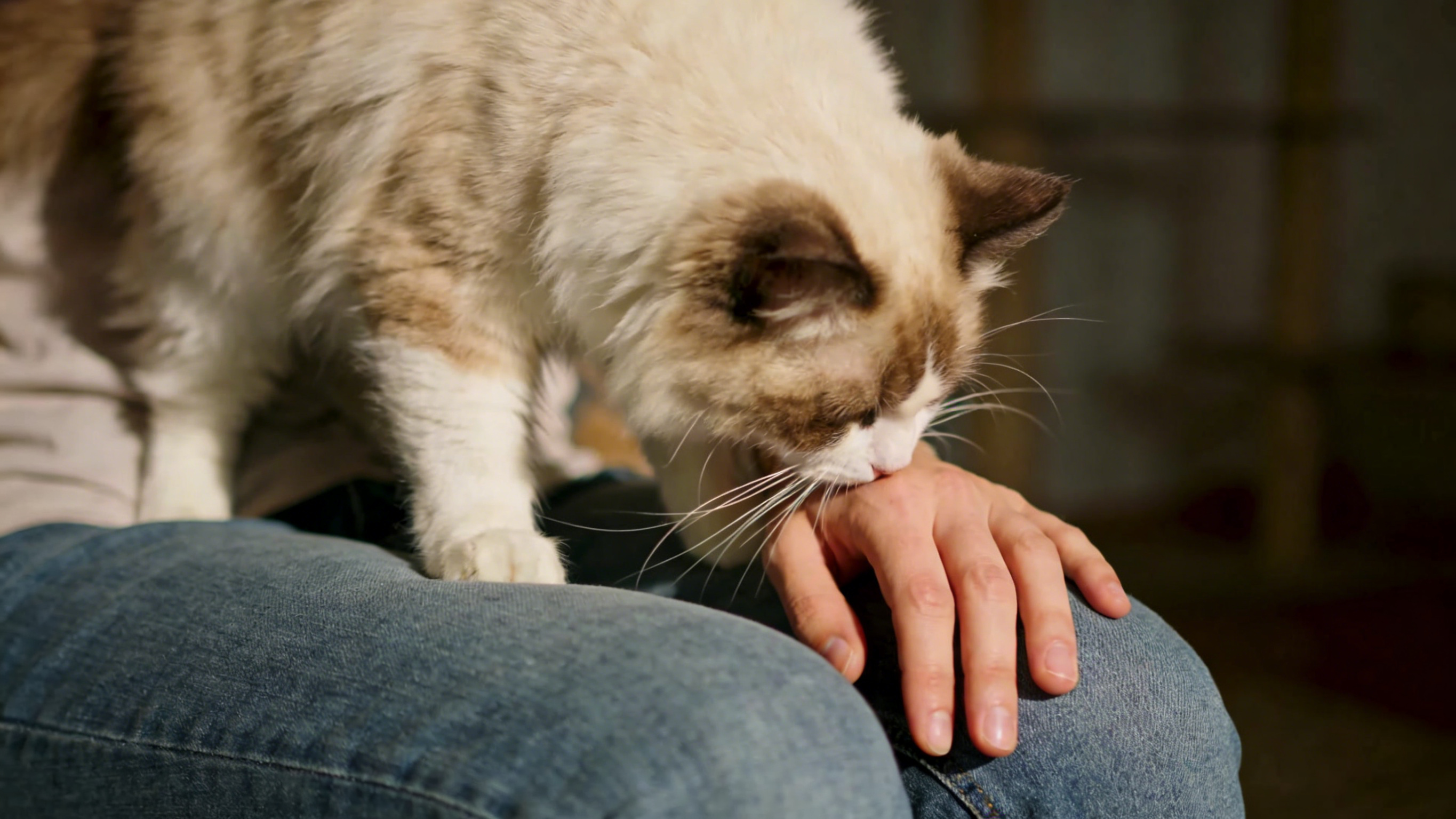
Cats are socially flexible creatures. While they are not pack animals like dogs, they form complex social structures and can develop deep bonds with their human families and other pets. They are communicative and seek interaction, but often on their own terms and in subtler ways than dogs.
Signs Your Cat Is Social and Seeks Connection
- Greeting You: Meowing, chirping, or coming to the door when you arrive home.
- Following You: Moving from room to room to be near you, even if not directly interacting.
- Slow Blinking: A "cat kiss" that signals trust and affection.
- Head-Butting & Rubbing: Marking you with their scent glands to mingle their scent with yours, a sign of ownership and comfort.
- Social Play: Bringing you toys or initiating play with you.
The Dangers of Assuming Solitude
Leaving a cat alone for excessively long periods (e.g., 24+ hours regularly) can lead to:
- Boredom and Depression: Manifesting as lethargy or excessive sleep.
- Anxiety and Stress: Which can cause over-grooming, hiding, or vocalization.
- Behavioral Issues: Such as inappropriate scratching or urination, often a cry for attention or due to stress.

Myth 3: Pets Misbehave Out of Spite or Revenge 😠
The Myth
After coming home to a chewed shoe, a puddle on the rug, or trash scattered across the kitchen, many owners exclaim, "He did this to get back at me for leaving him alone!" This myth assigns complex, premeditated human emotions like spite and revenge to animal behavior.
The Reality
Pets do not possess the cognitive complexity for spite or revenge. These behaviors are almost always a result of:
- An Unmet Need: (Boredom, lack of exercise, hunger).
- An Underlying Medical Issue: (Urinary tract infection causing accidents).
- Anxiety or Stress: (Separation anxiety leading to destruction).
- Instinctual Behavior: (A dog digging, a cat scratching).
- Incomplete Housetraining or Communication:
The Problem with the "Spite" Narrative
This mindset is damaging because it directs the owner's response toward punishment, which is often delayed and therefore completely ineffective. The pet cannot connect the punishment with the act. Instead, it creates fear and erodes trust without addressing the root cause.
What to Do Instead: The Detective Work
1. Rule Out Medical Issues First: Sudden behavioral changes warrant a vet visit.
2. Analyze the "Crime Scene": When and where did it happen? What was going on? (Left alone? After a loud noise?).
3. Identify the Trigger: Is it separation anxiety, boredom, territorial marking, or a litter box issue?
4. Address the Root Cause, Not the Symptom: Provide more enrichment, treat the anxiety, adjust the feeding schedule, or revisit training basics.

Myth 4: A Wagging Tail Always Means a Happy Dog 🐕
The Myth
The universal sign of a happy, friendly dog is a wagging tail. This oversimplification can be dangerously misleading.
The Reality
A wagging tail signifies arousal or excitement, which can be due to a range of emotions: joy, curiosity, insecurity, tension, or even aggression. The tail is just one part of the communication puzzle.
How to "Read" the Whole Dog
You must observe the tail position, speed, and the rest of the body language.
- Happy & Relaxed: A mid-level, broad, "helicopter" wag with a relaxed, wiggly body, soft eyes, and an open mouth. This is the classic "happy wag."
- Alert & Curious: Tail held high or level, wagging stiffly or slowly. Body is still and focused.
- Anxious or Insecure: Tail held low or tucked, with a tentative, slow wag. Body may be crouched, with ears back.
- Agitated or Threatening: Tail held very high and stiff, often vibrating rapidly. This is a high-state arousal signal. Combined with a stiff body, hard stare, raised hackles, and pinned ears, it indicates a high probability of aggression. This is not a friendly invitation.
Why Getting This Wrong is Dangerous
Misinterpreting a high, stiff wag as friendliness can lead to bites, especially with children. Always teach children to ask the owner for permission and to look at the dog's entire body, not just the tail.

Myth 5: Physical Punishment is an Effective Way to Correct Behavior ✋
The Myth
Using physical force like hitting, alpha rolls, jerking a leash, or yelling is a necessary and effective way to show a pet who's boss and stop unwanted behavior.
The Reality
Modern animal behavior science overwhelmingly shows that positive reinforcement (rewarding desired behavior) is vastly more effective and humane than positive punishment (adding an unpleasant consequence to decrease behavior). Physical punishment is fraught with negative side effects.
The Consequences of Physical Punishment
- Fear and Anxiety: The pet learns to fear you or the context in which punishment occurs.
- Aggression: A scared or pained animal may defensively bite or snap.
- Suppressed Warning Signs: A dog punished for growling (a vital warning) may learn to skip the growl and go straight to a bite.
- Eroded Trust: It damages the human-animal bond, making the pet less likely to look to you for guidance.
- It Doesn't Teach What TO Do: It only suppresses one behavior momentarily without offering an acceptable alternative.
The Power of Positive Reinforcement & Redirection
1. Manage the Environment: Prevent rehearsal of bad behavior (use baby gates, keep shoes in closets).
2. Reward the Behavior You Want: Lavishly praise and treat your dog for sitting calmly, chewing their own toy, or using the potty outside.
3. Redirect Inappropriate Behavior: If your cat scratches the couch, calmly interrupt, place them at a sturdy scratching post, and reward them for using it.
4. Use Consistent, Clear Cues: Ensure everyone in the household uses the same commands and reward system.

Conclusion: Building a Better Relationship Through Understanding
Debunking these common myths is more than an intellectual exercise—it's a fundamental shift toward empathy and science-based care. Our pets are not furry humans with our motives, nor are they simple creatures driven by dominance or spite. They are sentient beings communicating in their own language, guided by instinct, learning history, and emotional states. By letting go of the myth of the "spiteful" pet, the "un-trainable" senior, or the "always-happy" wag, we open ourselves up to truly observing and understanding them. This understanding allows us to meet their needs proactively, address behavioral issues at their source with compassion, and ultimately build a relationship based on mutual trust and clear communication. The result is a happier, healthier, and more harmonious life for both you and your beloved companion.