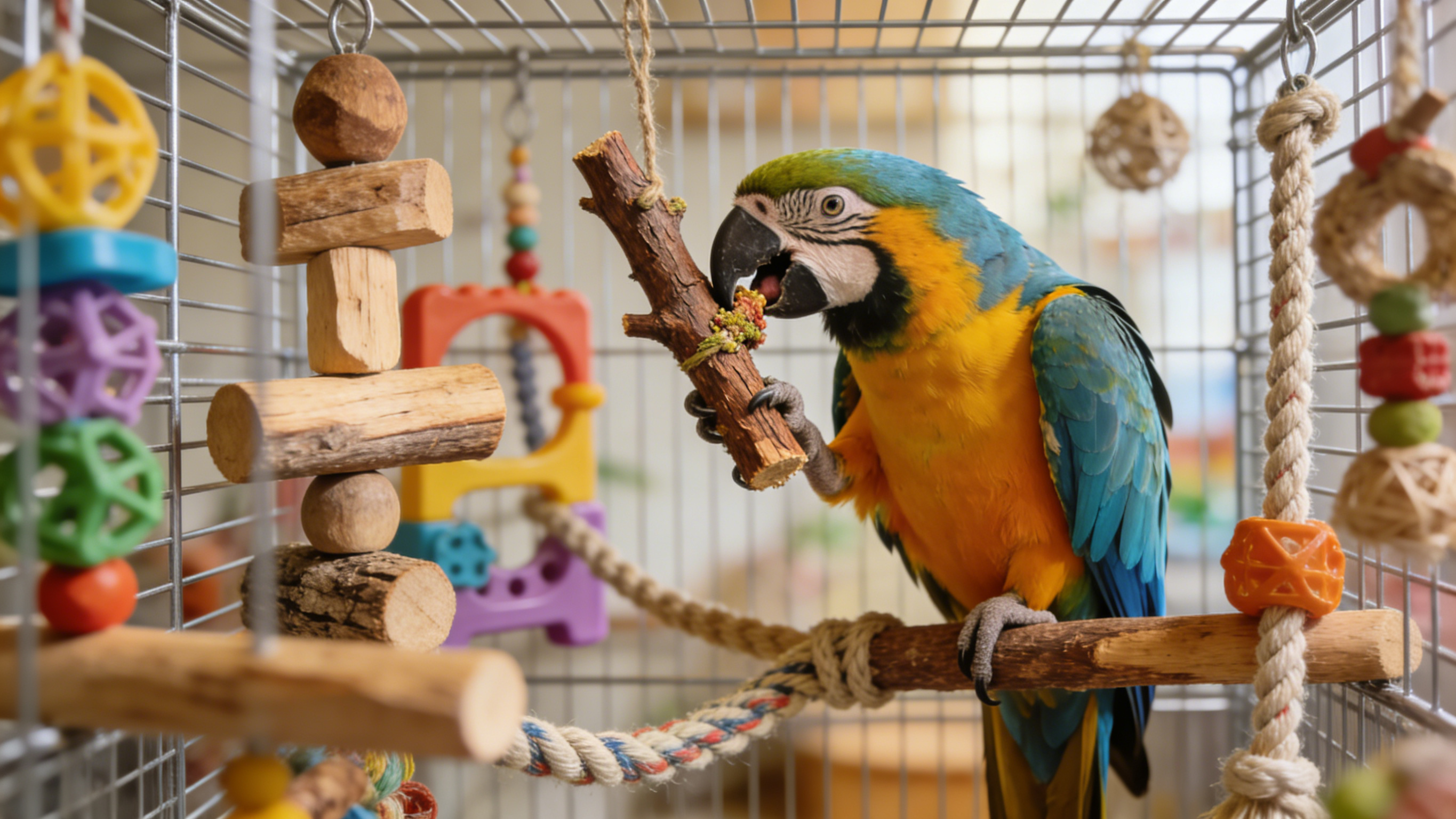
Bringing a pet into your life is a joyful and rewarding decision, but it's also a significant long-term commitment. For first-time owners, the excitement can sometimes lead to choices that don't align with their lifestyle, resulting in stress for both the human and the animal. This guide is designed to help you navigate that important first decision. We'll move beyond simple impulse and focus on a thoughtful, step-by-step process to ensure you and your future furry, scaly, or feathery friend are set up for a happy life together. The key is honest self-assessment followed by thorough research.

🐾 Step 1: The Crucial Self-Assessment
Before you even look at a single pet photo, look inward. Your lifestyle, resources, and home environment are the most critical factors in choosing a compatible pet.
Key Factors to Consider:
1. Lifestyle & Time Commitment: Be brutally honest about your daily routine.
- Active vs. Sedentary: Do you enjoy long walks, hikes, and active play, or do you prefer quiet evenings at home? A high-energy dog will be miserable with a couch potato owner, and vice versa.
- Daily Time Available: Pets need daily interaction, feeding, and care. Dogs require multiple walks, playtime, and training. Cats are more independent but still need play and companionship. Small mammals and reptiles have specific daily care needs too.
- Travel & Schedule: How often are you away from home? Do you work long hours? Who will care for the pet if you travel?
2. Living Space & Environment:
- Home Type: Do you rent or own? Many rentals have strict pet policies, breed/size restrictions, or require additional deposits.
- Space: A large dog typically needs a yard or ample indoor space. Some small dog breeds or cats can thrive in apartments. Caged pets (rabbits, birds, reptiles) need space for adequately sized habitats.
- Household Members: Do you live alone, with a partner, or with children? Are there other pets? Allergies must be considered.
3. Financial Responsibility: The purchase or adoption fee is just the beginning.
- Initial Costs: Adoption/purchase fee, spay/neuter, initial vaccinations, microchip, collar/leash, carrier, crate, habitat setup, toys, bedding.
- Recurring Costs: High-quality food, routine veterinary care (check-ups, vaccines), preventative medications (flea/tick/heartworm), grooming, pet insurance, and boarding/pet-sitting.
- Emergency Fund: Unexpected illnesses or injuries can cost hundreds or thousands of dollars. It's essential to have savings or insurance.
4. Long-Term Commitment:
- Lifespan: Are you ready for a 10-15+ year commitment with a dog or cat? A parrot can live 50+ years. Smaller pets like hamsters have much shorter lifespans (2-3 years), which is also an emotional consideration.
- Life Changes: Consider future plans—moving, career changes, having children. Your pet should be part of those plans.
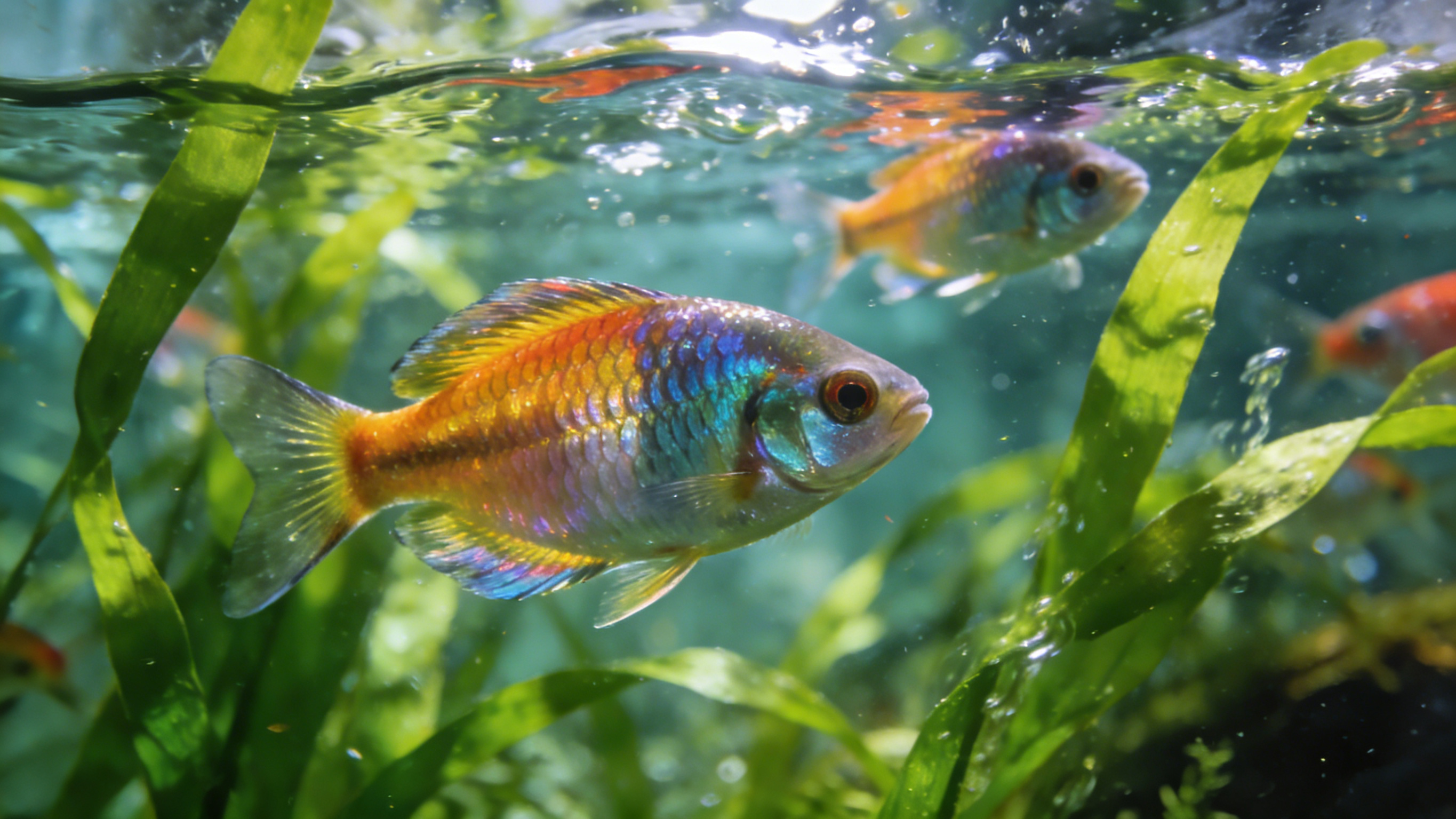
🤔 Step 2: Exploring Pet Types & Their Realities
With your self-assessment in mind, let's explore common beginner-friendly pets. Remember, "beginner-friendly" doesn't mean "no work required."
🐶 Dogs: The Loyal Companions
Pros: Unmatched loyalty and affection, encourages an active lifestyle, highly trainable, excellent for security and companionship.
Cons: Highest time and energy demand (training, walking, play), often the highest financial cost, requires significant space, cannot be left alone for long periods.
Beginner-Friendly Breeds to Research:
- Cavalier King Charles Spaniel: Affectionate, gentle, and adaptable to various living situations.
- Poodle (Miniature or Standard): Intelligent, hypoallergenic coat, eager to please and train.
- Bichon Frise: Cheerful, small, and hypoallergenic, good for apartments.
- Golden Retriever: Famously friendly, patient, and great with families (but need space and exercise).
Key Advice: Research breeds extensively, but remember personality varies by individual. Consider adult dogs from shelters—their personality is already evident, and they often require less intensive training than puppies.
🐱 Cats: The Independent Charmers
Pros: More independent than dogs, lower daily time demand (but still need interaction), litter-trained, ideal for smaller living spaces.
Cons: Can be aloof or destructive if bored, may have litter box issues, some people are highly allergic, nocturnal activity can be disruptive.
Beginner-Friendly Considerations:
- Adult vs. Kitten: An adult cat's personality is settled, and they are usually calmer and less destructive than a playful, teething kitten.
- Indoor vs. Outdoor: For safety and longevity, keeping cats indoors is highly recommended. This requires providing enrichment (scratching posts, toys, window perches).
Key Advice: Adopt in pairs if possible, especially for kittens. They keep each other company and burn energy through play, reducing behavioral problems.
🐠 Fish: The Serene Observers
Pros: Very low time demand for daily interaction, calming to watch, can be beautiful living art, suitable for very small spaces.
Cons: High initial setup learning curve, maintenance is crucial (water testing, filter cleaning), not a "hands-on" pet, risk of disease outbreaks.
Beginner-Friendly Path:
- Start Freshwater, Not Saltwater: Saltwater aquariums are vastly more complex and expensive.
- Cycle Your Tank First: The most critical beginner mistake is adding fish to a new tank immediately. You must establish beneficial bacteria first (a process taking 4-6 weeks).
- Beginner Fish: Betta fish (in a proper 5+ gallon tank, not a bowl), guppies, tetras, danios, and Corydoras catfish.
🐹 Small Mammals: Rabbits, Guinea Pigs, Hamsters
Pros: Often lower cost than cats/dogs, can be very social and affectionate (especially rabbits & guinea pigs), manageable size.
Cons: Often misunderstood—they require more space and care than typically advertised. Nocturnal animals (hamsters) can be noisy at night. Veterinary care for "exotics" can be specialized and expensive.
Beginner Breakdown:
- Guinea Pigs: Social, vocal, must be kept in pairs, need a large pen (not a small cage), require daily vitamin C.
- Rabbits: Can be litter-trained, live 8-12 years, need large exercise areas, require a specific high-fiber diet (hay!), and can be destructive chewers.
- Hamsters: Solitary, nocturnal, need deep bedding for burrowing, require an appropriately large tank or cage with a solid floor.
🦜 Birds: The Feathered Friends
Note: Birds are complex and often not ideal "beginner" pets, but smaller species can be considered.
Pros: Intelligent, can be very interactive and affectionate, long-lived (smaller species like budgies 5-10 years), beautiful and entertaining.
Cons: Extremely social and can develop severe behavioral issues (screaming, plucking) if lonely or bored, messy (seed hulls, feathers, droppings), require specialized diets and large cages, sensitive to air quality (no non-stick cookware).
Beginner-Friendly Species: Budgerigars (Budgies/Parakeets) and Cockatiels. Always seek hand-raised birds for tameness and consider adopting a pair if you cannot provide several hours of daily out-of-cage interaction.
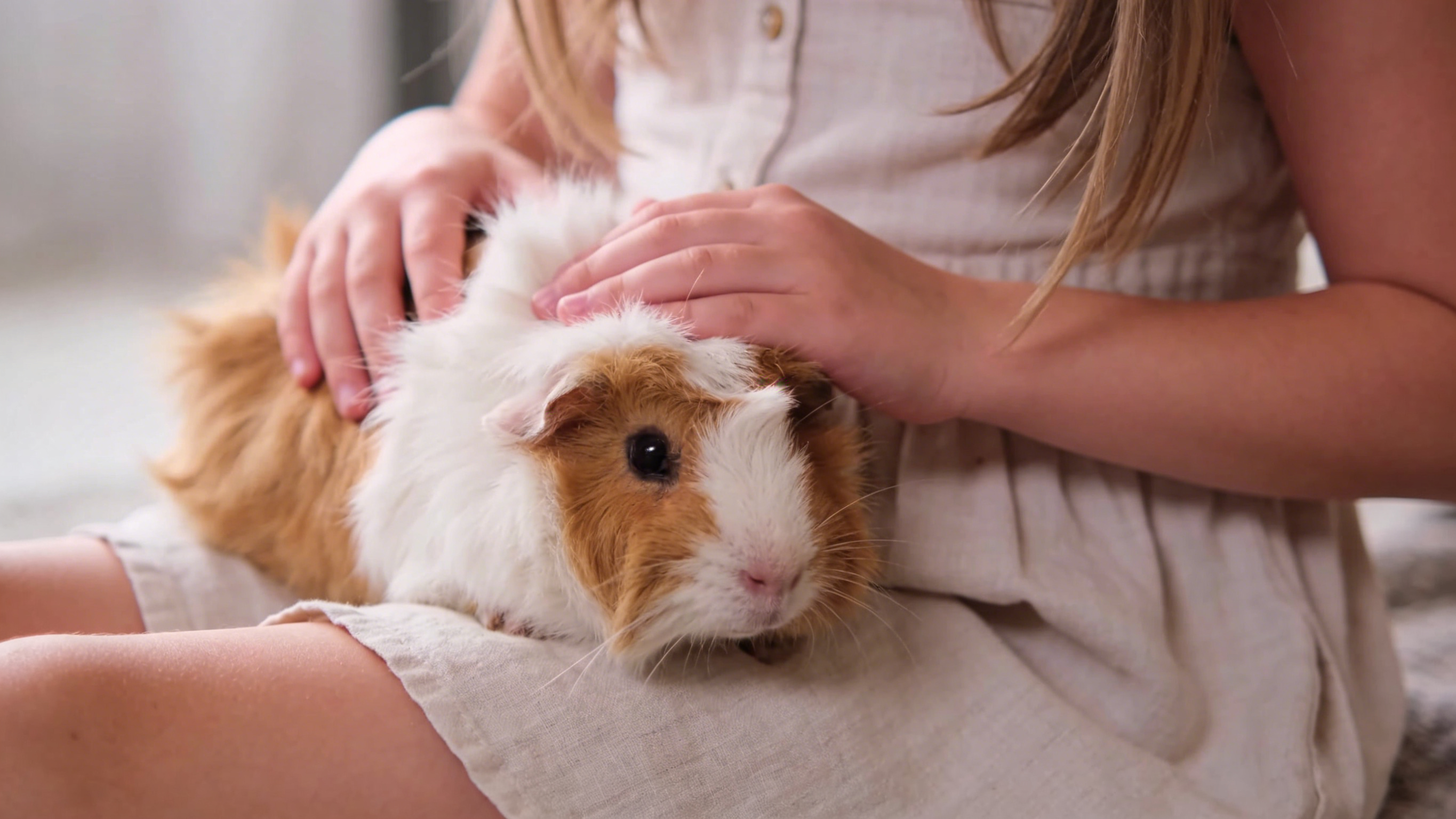
📋 Step 3: The Action Plan – From Research to "Welcome Home"
You've done your homework and chosen a pet type. Now, let's execute the plan.
1. Source Your Pet Ethically & Wisely
- Animal Shelters & Rescue Groups: The #1 recommended source. You save a life, support a good cause, and often get a pet that is already vaccinated, spayed/neutered, and sometimes even behaviorally assessed. Be patient and visit multiple times.
- Responsible Breeders: If you need a specific breed, do deep research. A good breeder will:
- Welcome you to their home/facility.
- Focus on health and temperament, not just looks.
- Show you health clearances for the parents (OFA, genetic tests).
- Ask you as many questions as you ask them.
- Have a contract guaranteeing they will take the dog back at any point in its life if you cannot keep it.
2. Pet-Proof Your Home & Gather Supplies
Before your pet arrives, have everything ready.
- Essential Shopping List (Dog Example): Crate, food/water bowls, high-quality age-appropriate food, collar/harness & ID tag, leash, poop bags, chew toys, bed, puppy pads (if applicable), enzymatic cleaner for accidents.
- Essential Shopping List (Cat Example): Litter box & litter, scooper, food/water bowls, high-quality food, scratching post(s), cat tree/perches, interactive toys, carrier, nail clippers, brush.
- Pet-Proofing: Secure electrical cords, remove toxic plants, ensure trash cans are inaccessible, block off unsafe areas (e.g., behind appliances), check fencing for gaps.
3. The First Vet Visit & Ongoing Care
- Schedule a Vet Appointment within the first week. This establishes a baseline, addresses any immediate health concerns, and starts your vaccination/preventative care schedule.
- Discuss: Vaccination schedule, spay/neuter, microchipping, flea/tick/heartworm prevention, and a proper diet.
- Find a Local Resource: Identify a 24-hour emergency veterinary clinic in your area before you ever need it.

💡 Pro-Tips for First-Time Success
- Patience is Everything: The first days, weeks, and even months can be challenging as your pet adjusts. There will be accidents, chewed shoes, and sleepless nights. Consistent, positive reinforcement is key.
- Invest in Training: Even for cats and small pets! Basic obedience (for dogs) and positive reinforcement (for all pets) builds trust, prevents problems, and strengthens your bond. Consider a puppy kindergarten or basic obedience class.
- Prioritize Socialization (Especially for Dogs): Properly and positively exposing your young pet to a variety of people, animals, environments, and sounds is crucial for their long-term confidence and behavior.
- Enrichment is Not Optional: Bored pets are destructive and unhappy. Provide puzzle toys, training sessions, new smells, safe outdoor time (on leash or in enclosures), and rotate toys to keep them engaged.
🚫 Common First-Time Owner Mistakes to Avoid
- Choosing with Your Heart, Not Your Head: Falling for the cute puppy in the window without considering the adult dog's needs (energy, size, grooming).
Getting a Pet on Impulse:
- A pet is not a gift or a spur-of-the-moment decision. It requires planning.
- Underestimating Costs: Being unprepared for a $500 vet bill or the recurring cost of quality food and preventatives.
- Inadequate Research on the Specific Species/Breed: Not understanding a husky's need to run or a parrot's need for social interaction.
- Neglecting Socialization & Training: Assuming a pet will "just know" how to behave.
- Using Punishment-Based Methods: Yelling, hitting, or rubbing a pet's nose in accidents destroys trust and is ineffective. Positive reinforcement is the gold standard.

✅ Conclusion: Your Journey Begins with Thoughtfulness
Choosing your first pet is one of the most exciting decisions you'll make. By methodically working through self-assessment, thorough research, and careful preparation, you move from being an impulsive adopter to a responsible, ready pet guardian. Remember, there is no single "perfect" pet, but there is a perfect pet *for you* and your unique life. This thoughtful approach ensures that when you finally say "welcome home," you are welcoming a new family member into a safe, loving, and prepared environment, setting the stage for years of mutual happiness and companionship. Your patience and diligence now will reward you with the incredible bond that only a pet can provide.