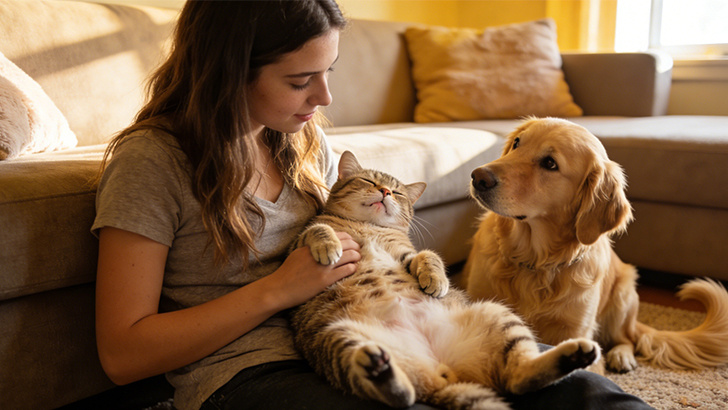
Catification is the art and science of designing your living environment to meet the natural, instinctual needs of your cat, while seamlessly integrating these elements into your own aesthetic. It's about moving beyond a simple scratching post and food bowl to create a home that is truly shared and enriching for both human and feline inhabitants. By understanding that cats are territorial, curious climbers who crave security and vantage points, we can design spaces that reduce stress, prevent unwanted behaviors, and dramatically improve their quality of life. This guide will walk you through the core principles and practical methods of Catification.
🏠 The Core Principles of Catification
Before diving into specific projects, it's crucial to understand the foundational feline needs that drive all good Catification design. A successful design addresses these instincts.
Feline Instincts to Accommodate
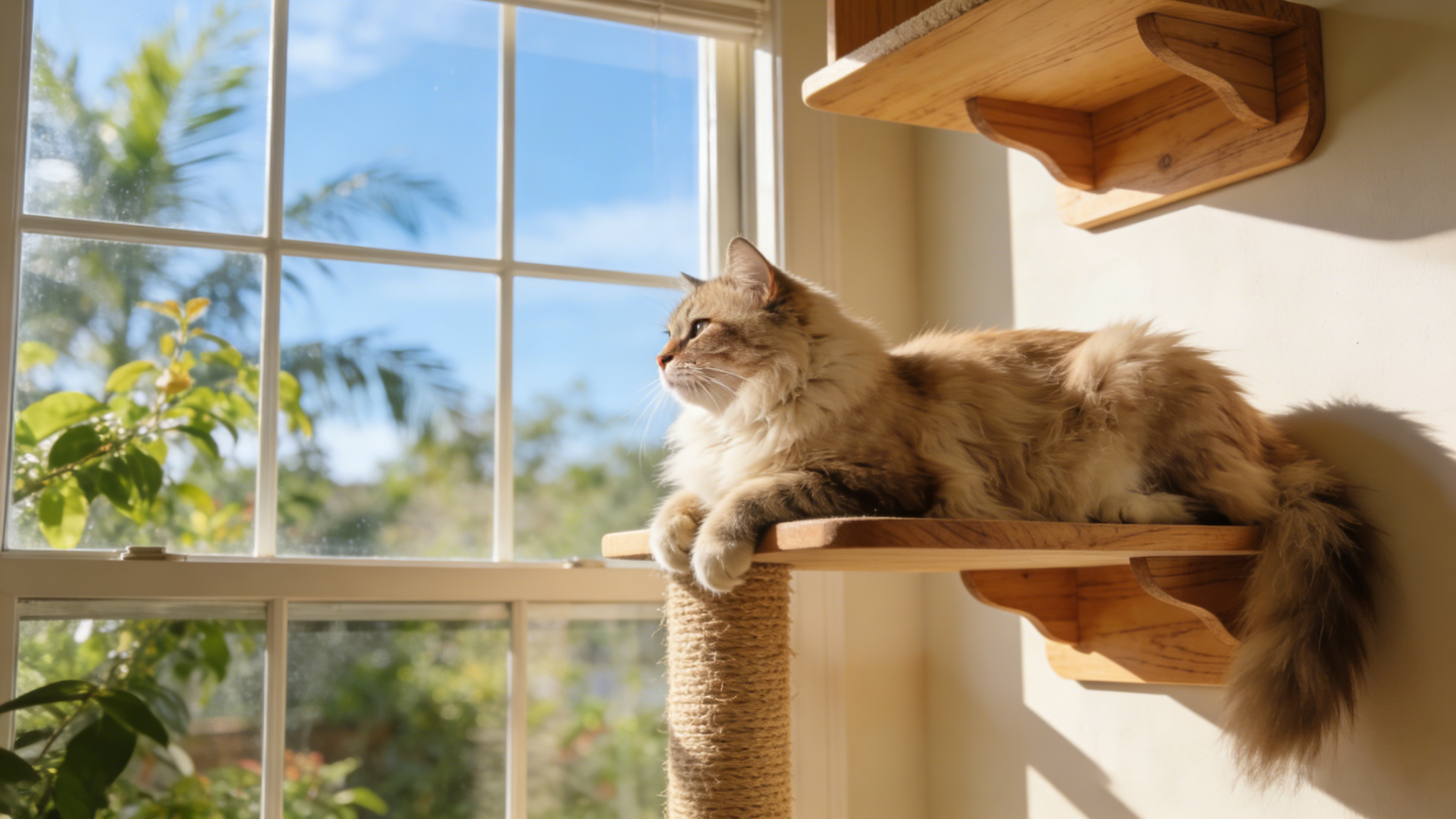
1. The Need for Vertical Territory: In the wild, height equals safety and a better hunting vantage point. Domestic cats retain this strong desire to climb and perch up high.
2. The Need for Secure Hideaways: Cats are both predators and prey. They require enclosed, cozy spaces where they can retreat, nap, and observe without being seen.
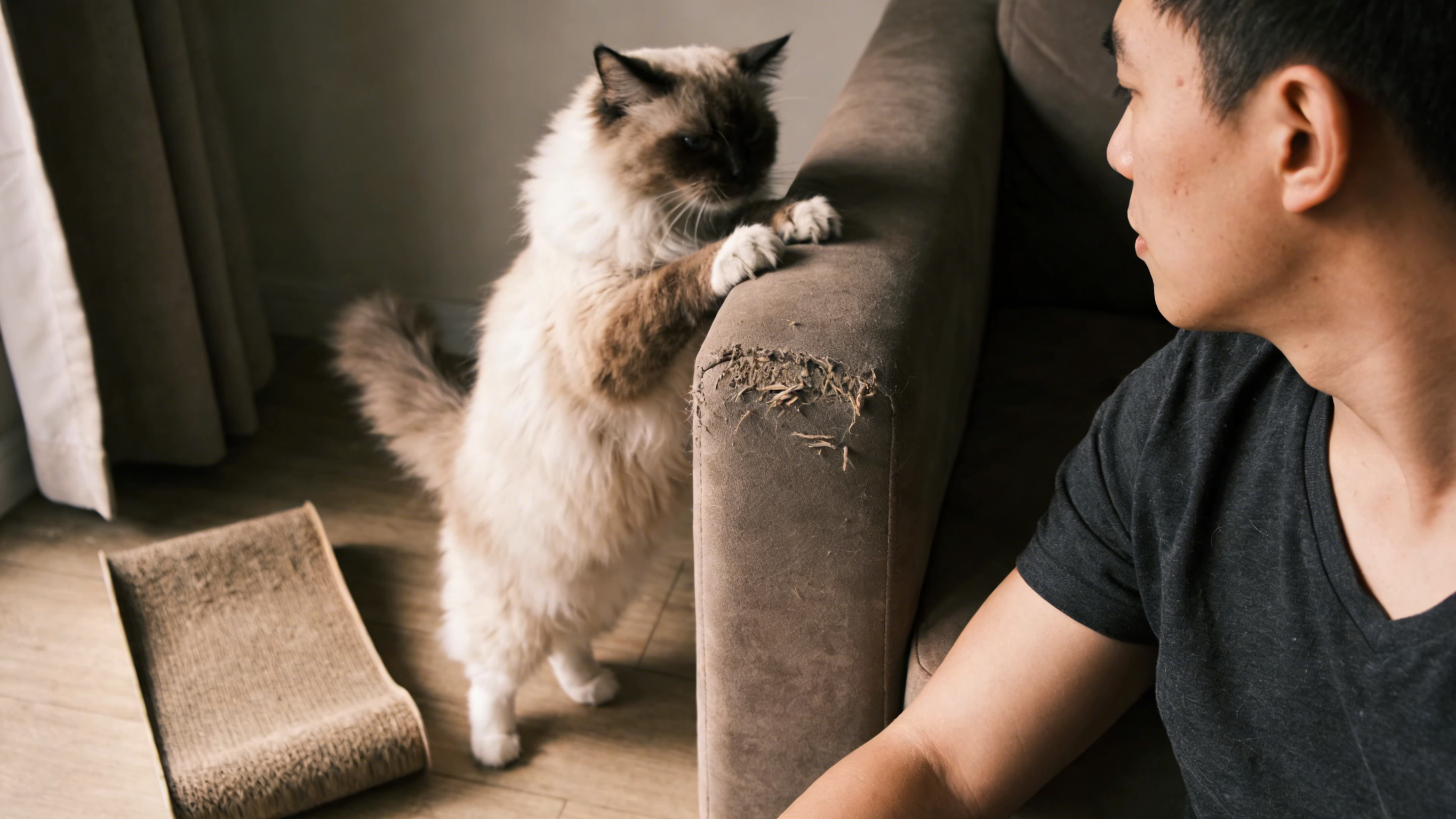
3. The Need for Scratching Surfaces: Scratching is a non-negotiable feline behavior for claw maintenance, stretching, and territorial marking (via scent glands in their paws).
4. The Need for Play and Hunting Simulation: Mental and physical stimulation through play is essential for preventing boredom and obesity.
Human Considerations
· Aesthetics: Catification should complement your home's style, not clash with it.
· Functionality: Designs shouldn't severely impede human traffic or use of space.
· Safety: All structures must be securely anchored and use non-toxic materials.
📐 Method One: Maximizing Vertical Space
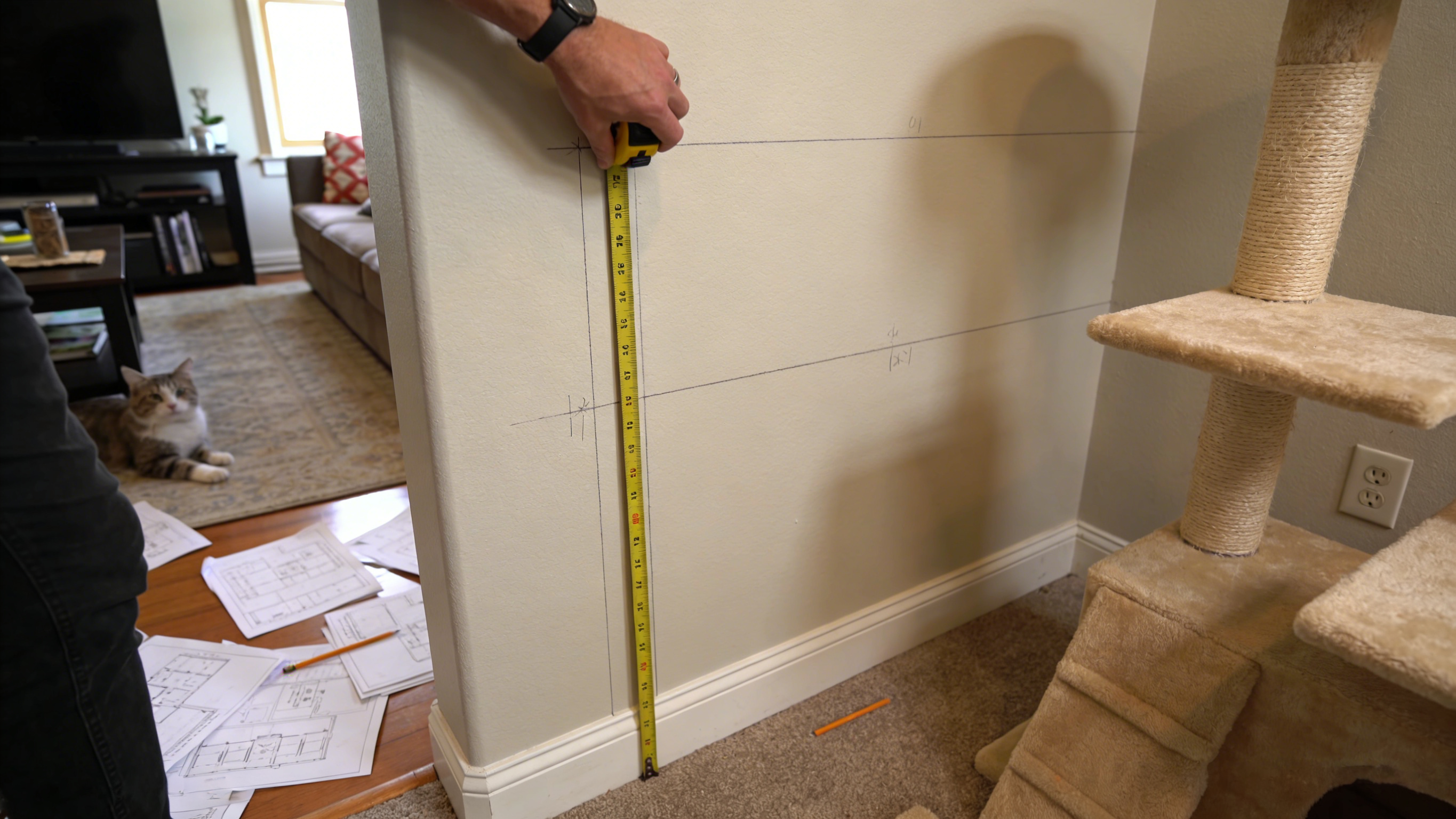
This is the cornerstone of Catification. By developing the upper third of your room, you give your cat more livable area and a sense of security.
Advantages & Disadvantages
Advantages:
- Dramatically increases usable territory for the cat, reducing competition in multi-cat homes.
- Provides safe escape routes and observation posts, lowering anxiety.
- Satisfies the innate climbing instinct.
- Can be visually striking and act as living art.
Disadvantages:
- Can require significant investment or DIY skill.
- Needs careful planning for structural integrity and safety.
- May be challenging to integrate into rental properties.
Implementation Strategies
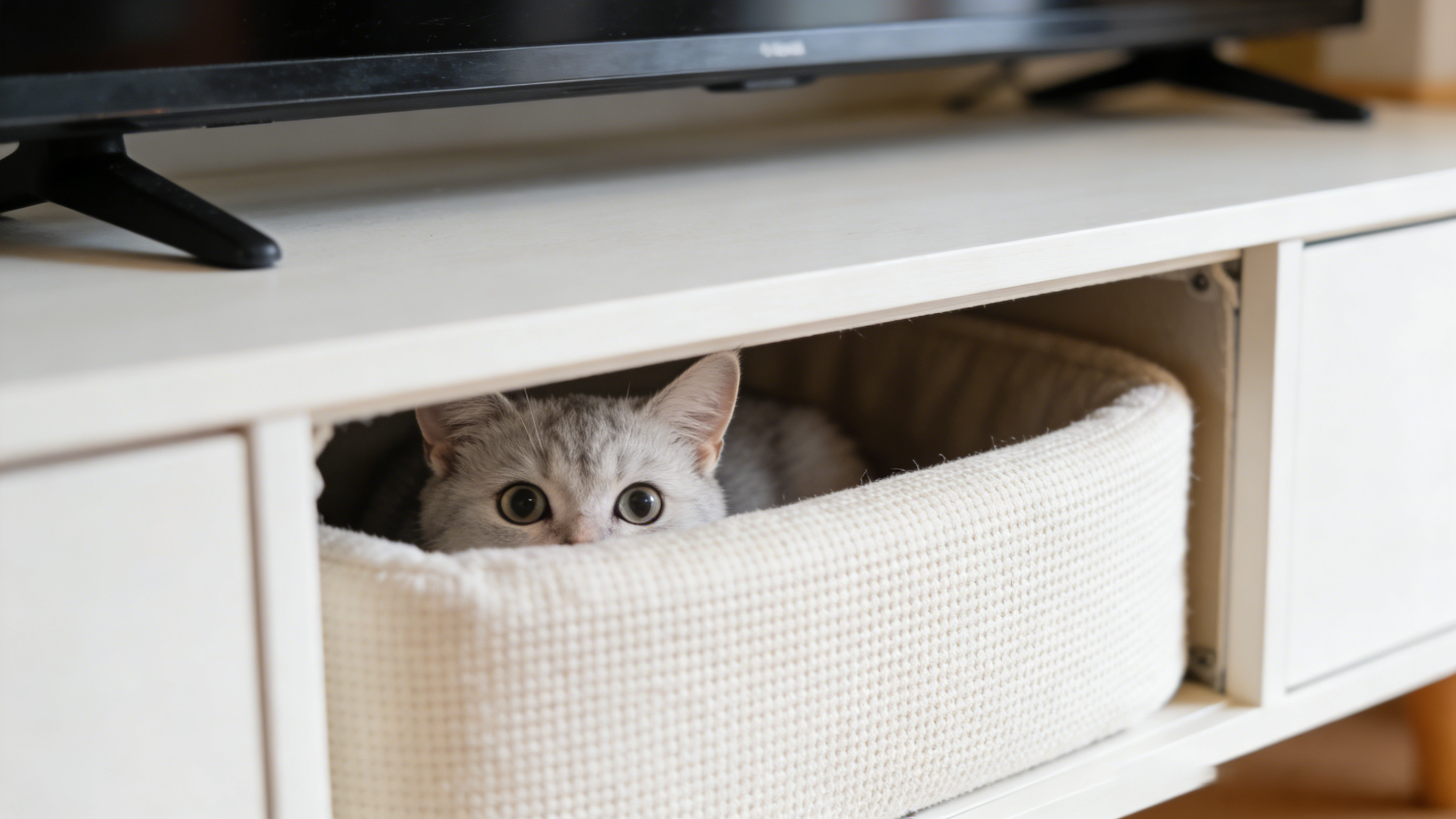
1. Wall-Mounted Shelves and Pathways:
- Use a series of staggered floating shelves to create a "highway" along your walls.
- Ensure shelves are deep enough (at least 10-12 inches) for a cat to sit comfortably.
- Cover shelves with carpet, sisal, or felt for traction and scratching appeal.
- Include "landing" shelves near windows for optimal bird-watching.
2. Cat Trees and Condos:
- Choose tall, stable trees with multiple levels, hidey-holes, and sisal-wrapped posts.
- Place them in socially significant areas (e.g., near the family sofa) to include the cat in daily life.
3. Climbing Walls and Sisal Posts:
- Install full-height sisal scratching posts or wrap structural columns in sisal rope.
- Create a "climbing wall" using sisal-covered panels or strategically placed shelves with sisal on the sides.
Method Two: Creating Cozy Hideaways and Perches
Cats love to be in boxes, under beds, and on top of warm appliances. We can design these coveted spots intentionally.
Advantages & Disadvantages
Advantages:
- Provides essential security, reducing stress-related illnesses.
- Gives cats control over their social interaction (to be seen or hide).
- Utilizes often-wasted space (e.g., under stairs, corners).
Disadvantages:
- Enclosed spaces can be harder to clean.
- Some cats may overuse hides if anxious, potentially requiring behavioral assessment.
Implementation Strategies
1. Integrated Furniture:
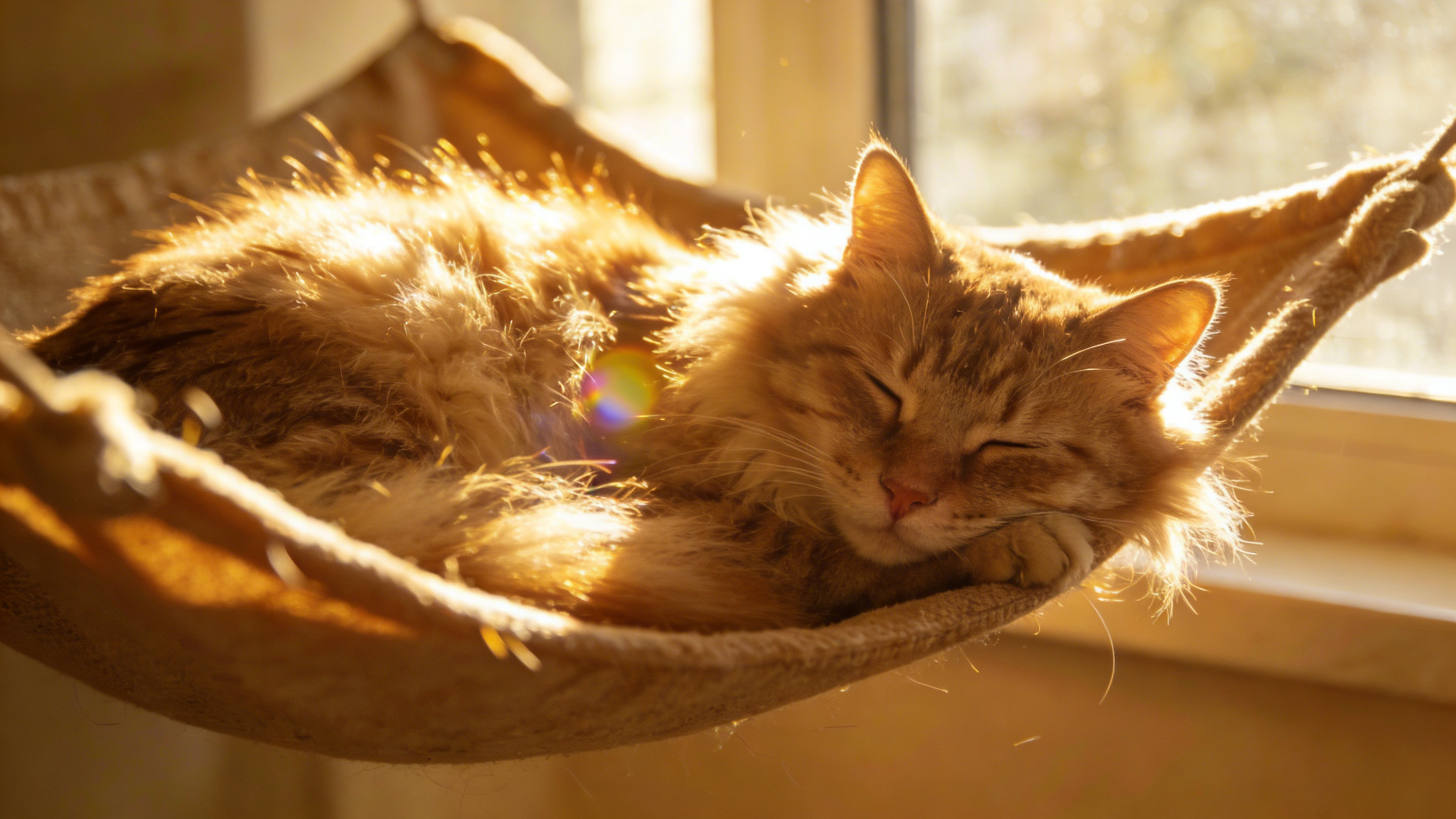
- Choose or modify furniture with built-in cat spaces: side tables with cubbies, TV stands with enclosed beds, or sofas with access to the space inside.
- Create a "cat cave" inside an unused cabinet or shelf by adding a soft bed.
2. Elevated Perches:
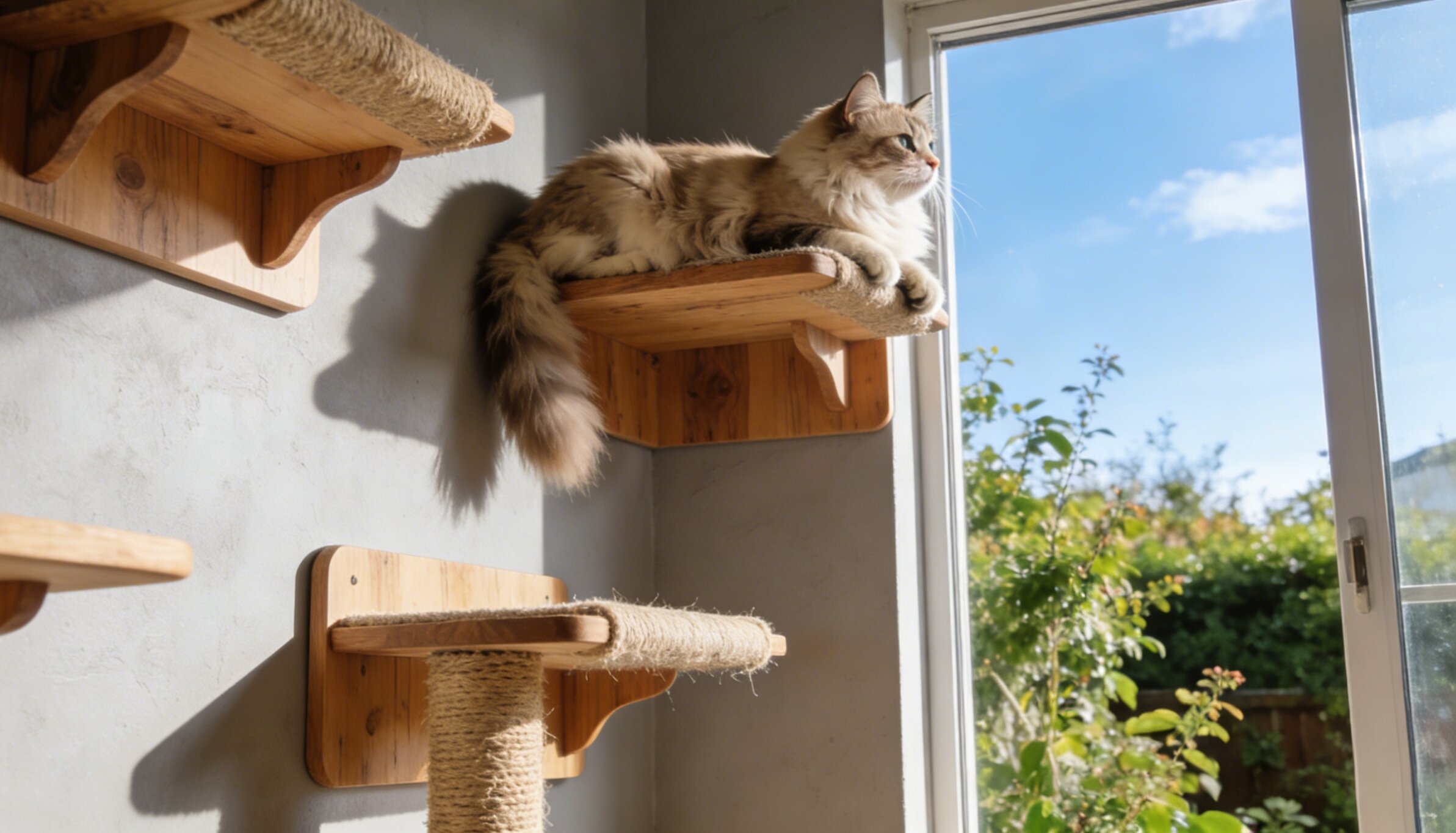
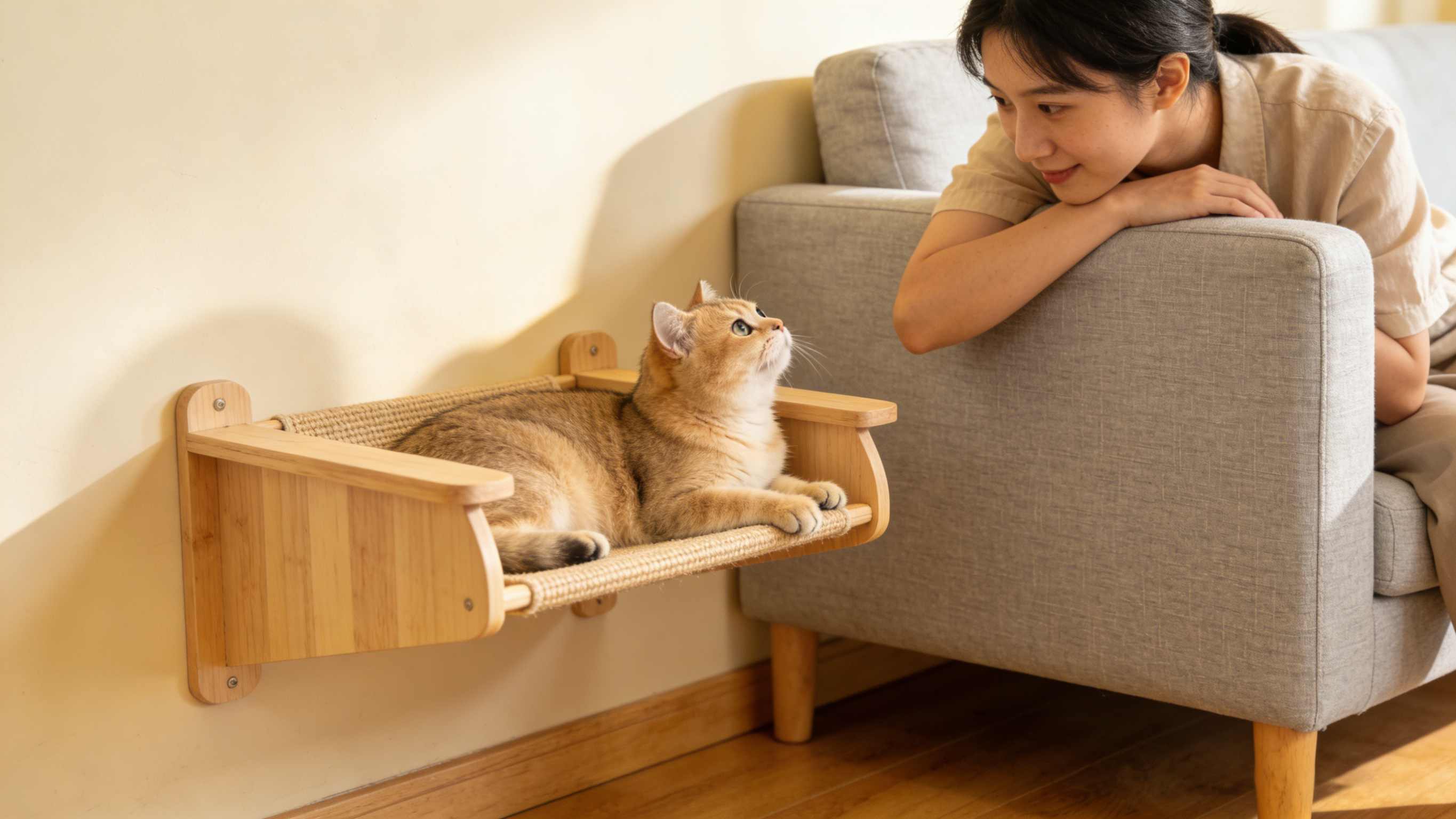
- Install window perks (hammocks or shelves) with a clear view of the outdoors.
- Place a cat bed on top of a bookshelf or refrigerator (ensure safe access).
3. DIY Hidden Beds:
- Place a soft bed inside an open-sided box turned on its side.
- Use a hole saw to create an entrance to a hidden bed inside an IKEA Kallax unit, lined with a cushion.
🎯 Method Three: Strategic Resource Placement
Where you put food, water, and litter boxes is a critical part of environmental design, affecting your cat's comfort and behavior.
Advantages & Disadvantages
Advantages:
- Prevents resource guarding in multi-cat households.
- Encourages hydration and proper litter box habits.
- Reduces stress by placing resources in quiet, safe locations.
Disadvantages:
- May require creative solutions in small spaces.
- Can involve moving long-established setups, which cats may initially resist.
Implementation Strategies
1. The "Golden Rule" of Litter Boxes:
- Have one box per cat, plus one extra.
- Place them in separate, quiet, low-traffic areas away from food/water.
- Consider covered vs. uncovered based on your cat's preference; many cats prefer open boxes.
2. Food and Water Station Separation:
- Never place food and water bowls side-by-side. Cats instinctively avoid drinking near food sources (which could contaminate water in nature).
- Place multiple water sources around the home, including a cat water fountain, as cats are drawn to moving water.
3. Creating Feeding "Zones":
- In multi-cat homes, feed cats in separate rooms or use microchip-activated feeders to allow peaceful, individualized meals.
- Use puzzle feeders or scatter food in a clean, designated area to stimulate foraging behavior.
✨ Putting It All Together: A Catification Plan
Start small and observe your cat's preferences. Does he love heights? Focus on vertical spaces. Is she a curtain-climber? Install a sturdy scratching post nearby. Remember, Catification is an ongoing process.
Step-by-Step Room Assessment
1. Map Your Space: Draw a simple floor plan. Note windows, doors, furniture, and existing cat resources.
2. Identify "Problem" Areas: Where does your cat scratch inappropriately? Where do conflicts happen between cats?
3. Plan "Superhighways": Design a continuous path of shelves, perches, and furniture that allows your cat to move through the room without touching the floor.
4. Add "Rest Stops": Along the highway, ensure there are comfortable perches and hideaways.
5. Redirect Behavior: Place appropriate scratching posts, beds, and toys in the locations where unwanted behavior occurs.
Safety First Checklist
· Anchoring: All wall-mounted items must be securely fastened into wall studs.
· Materials: Use non-toxic paints, stains, and glues. Avoid treated woods that may have harmful chemicals.
· Stability: Freestanding cat trees should be wide-based and heavy enough not to tip.
· Access: Ensure pathways are safe and there's no risk of the cat becoming trapped.
😺 Conclusion: A Home for Both Species
Catification is not about surrendering your home to your pet; it's about thoughtfully co-designing a space that celebrates and supports the nature of your feline companion. The benefits are profound: a happier, healthier, more confident cat who engages in fewer destructive behaviors. For you, it means a deeper bond with your pet and the satisfaction of creating a beautiful, functional home that truly caters to all its inhabitants. Start with one shelf, one new hideaway, or a repositioned water bowl. Watch how your cat responds, and let their natural behaviors guide you in building a feline-friendly paradise, one step at a time.