
In a world saturated with fast fashion and endless trends, the concept of a capsule wardrobe emerges as a beacon of intentionality and style. It is a curated collection of essential, versatile, and high-quality clothing items that you absolutely love to wear, all of which can be mixed and matched to create a multitude of outfits. The goal is not deprivation, but liberation—from clutter, decision fatigue, and the constant pressure to buy more. This guide will walk you through the philosophy and practical steps to shift your shopping habits towards building a wardrobe where you buy less, yet cherish and utilize every single piece you own.
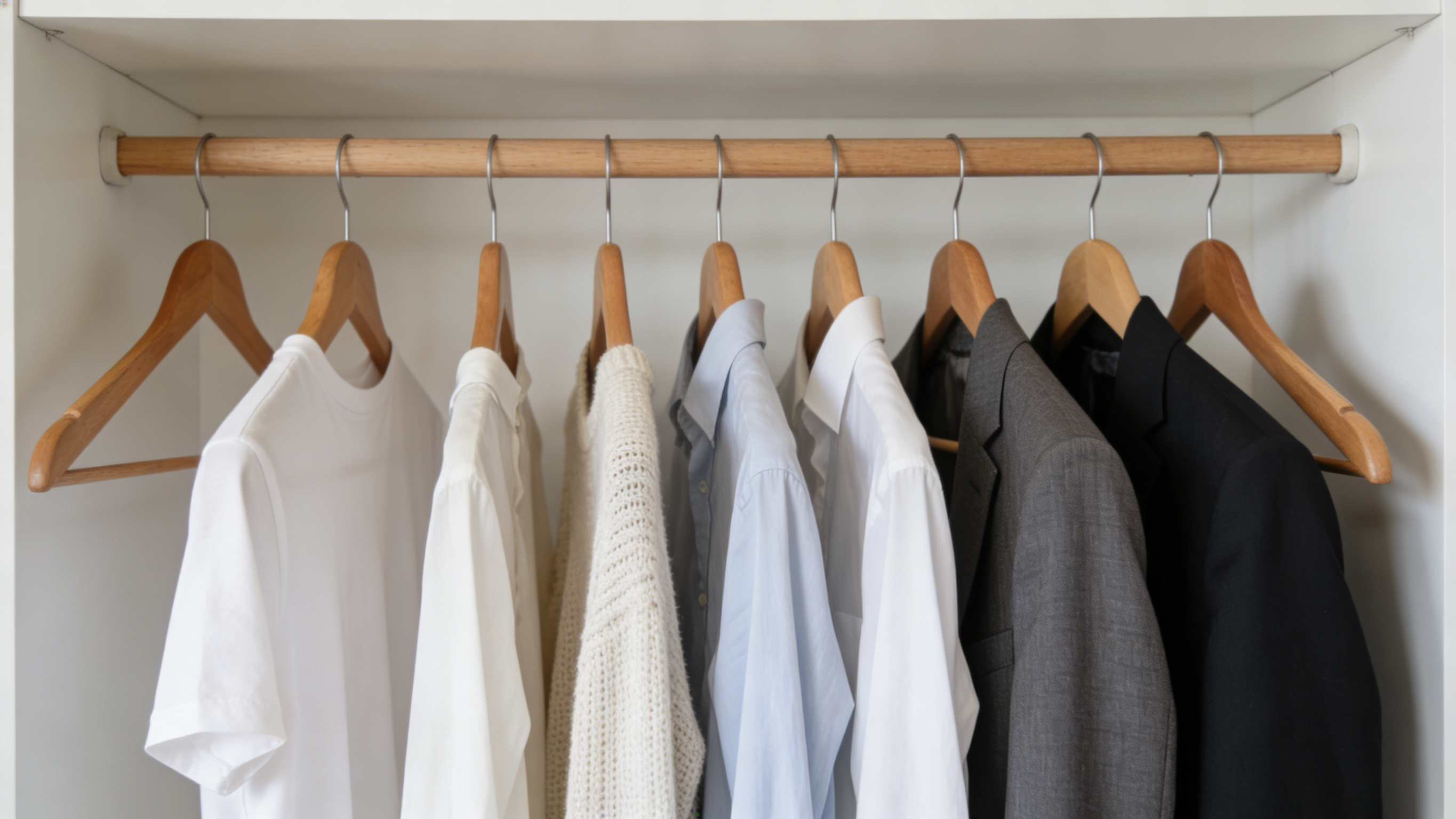
🔍 Phase 1: The Foundation – Auditing Your Current Wardrobe
Before you buy a single new item, you must understand what you already have. This phase is about clarity, honesty, and setting the stage for intentional future purchases.
Conduct a Complete Wardrobe Audit
This is the most crucial first step. Empty your closet, drawers, and any other storage spaces.
- 1. The Four-Pile Method: Sort every item into one of four categories:
- Love & Wear: Items you wear regularly and feel great in.
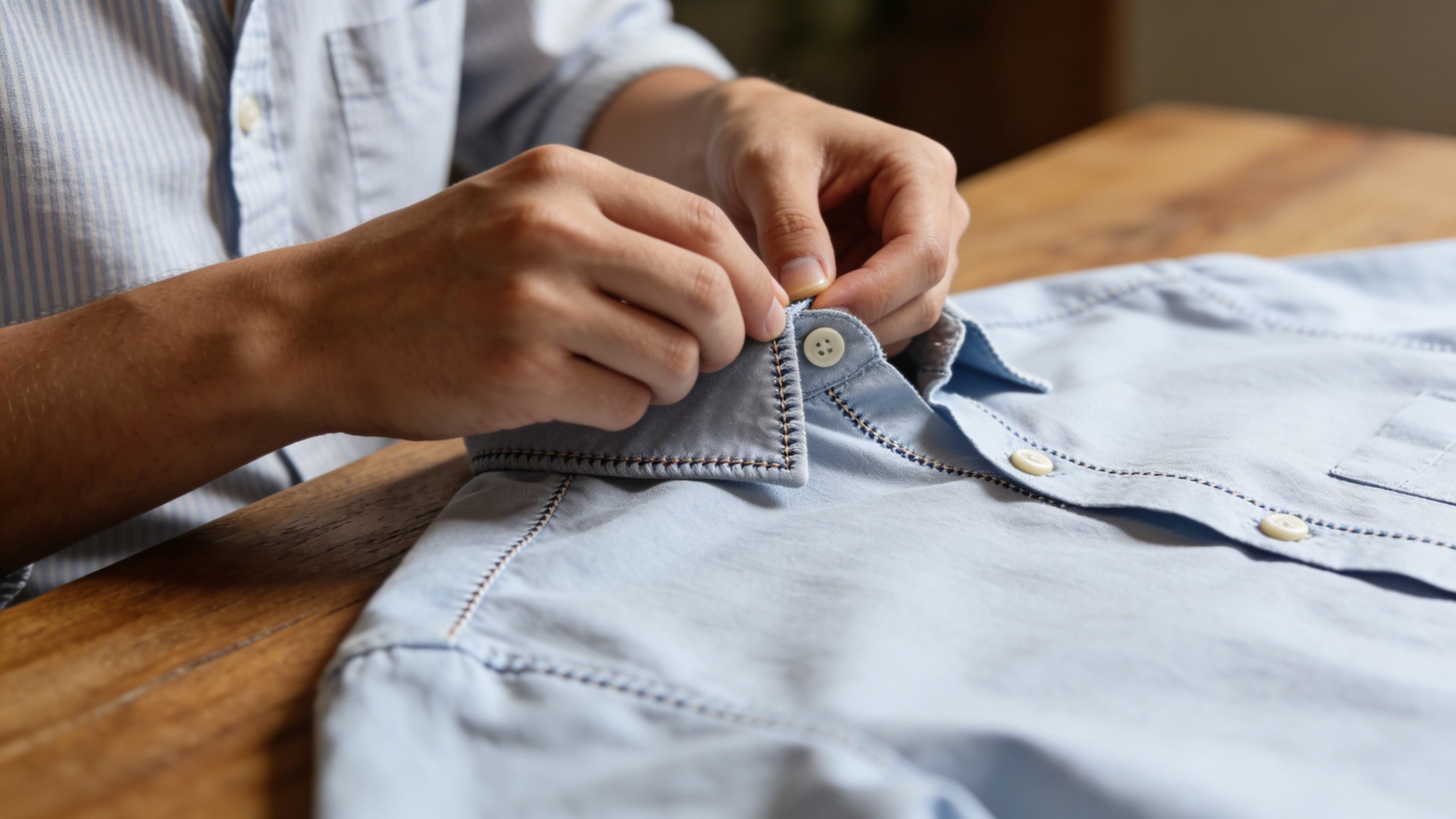
- Items you're unsure about or that need minor fixes (e.g., a loose button, a hem).
- Don't Wear: Items you haven't worn in over a year, don't fit, or don't suit your current lifestyle.
- Sentimental: Items you keep for non-wearable reasons (e.g., a wedding dress, a gifted sweater). Store these separately.
- 2. Analyze the "Love & Wear" Pile: Look for patterns. What colors dominate? What fabrics do you prefer? What silhouettes make you feel confident? This is your style DNA.
- 3. Address the Other Piles:
- Schedule repairs for the "Maybe" pile immediately. If you don't fix it within two weeks, consider letting it go.
- For the "Don't Wear" pile, responsibly sell, donate, or recycle the items. Be ruthless but respectful.
Define Your Personal Style & Color Palette
A capsule wardrobe thrives on cohesion. Your style and color choices are its glue.
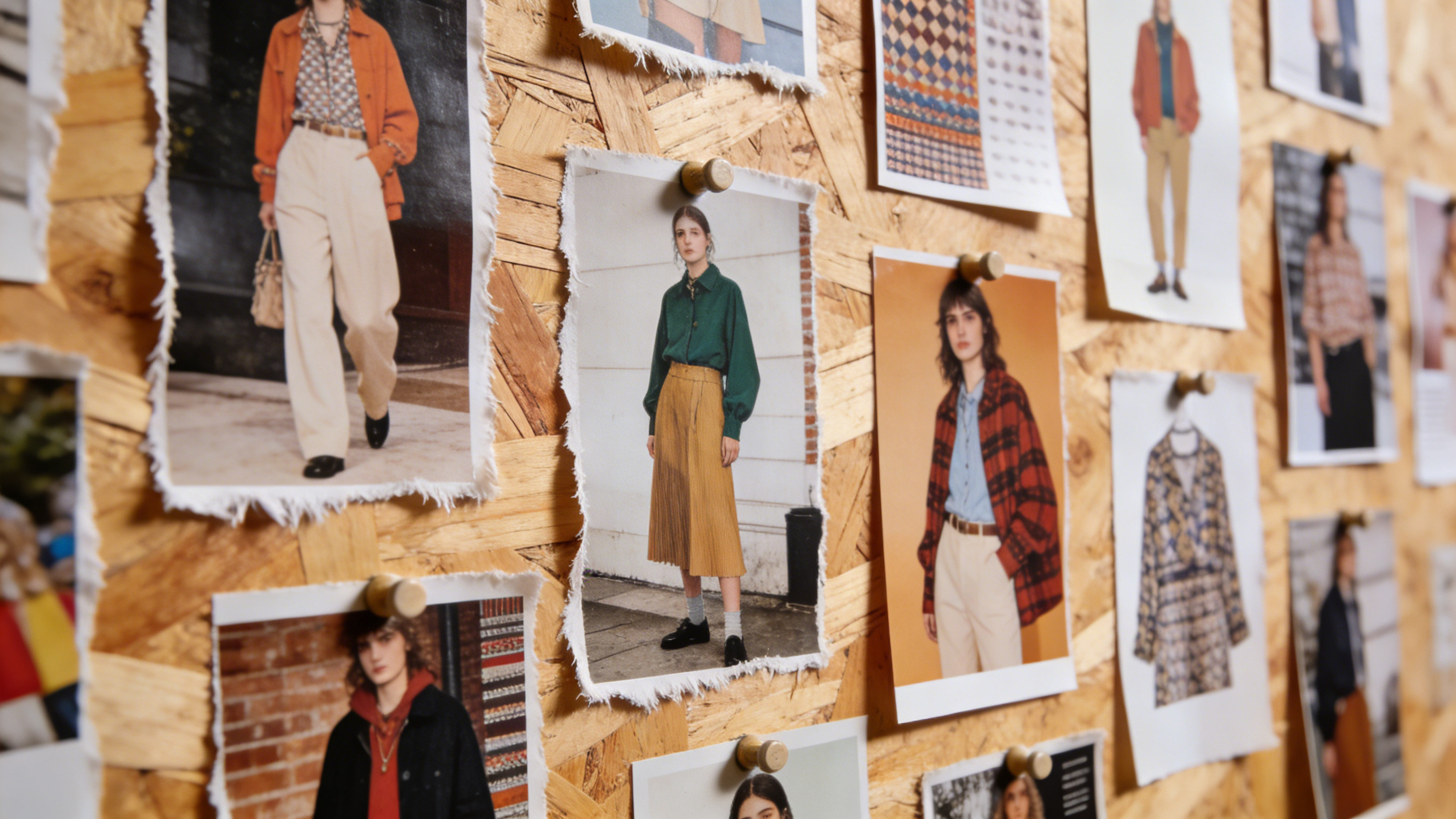
- 1. Create a Style Inspiration Board: Use Pinterest or a physical mood board. Save images not of specific items, but of *feelings*, aesthetics, and outfits you are drawn to. Look for common themes.
- 2. Choose a Core Color Palette: Typically, this includes:
- Neutrals (4-5): e.g., Black, navy, white, beige, grey. These form the base of your wardrobe.
- Accent Colors (2-3): e.g., Burgundy, forest green, mustard. These add personality and can be rotated seasonally.
- 3. Identify Your Lifestyle Capsules: Break down your needs. What percentage of your week is for work, casual weekends, special occasions, or exercise? Allocate your capsule pieces accordingly.
🛒 Phase 2: The Mindset – Principles of Intentional Shopping
With a clear foundation, you can adopt a new, transformative approach to acquiring clothing.
The Golden Rules of Capsule Shopping
- 1. The 24-Hour Rule: Never buy on impulse. See an item you like? Wait 24 hours. Often, the desire fades, saving you from a regrettable purchase.
- 2. The One-In-One-Out Rule: To maintain a curated closet, for every new item you bring in, commit to removing one. This forces quality-based decisions.
3. Shop With a List:
- Based on your audit, create a specific "gap list." Are you missing a quality white t-shirt? A tailored blazer? Shop only for these predetermined items.
Focus on Quality Over Quantity
Investing in fewer, better-made pieces is the heart of loving what you have.
- 1. Fabric is King: Learn to recognize natural, durable fabrics like 100% cotton, linen, wool, silk, and high-quality blends. They feel better, last longer, and often look more sophisticated.
- 2. Inspect the Construction:
- Check seams: They should be straight, tight, and not puckering.
- Examine buttons and zippers: They should be securely attached and function smoothly.
- Look at the lining: A well-lined garment (like a jacket or skirt) hangs better and lasts longer.
- 3. Cost Per Wear (CPW): Shift your mindset from "this costs $100" to "this will cost $2 per wear if I wear it 50 times." A high CPW justifies investment in timeless staples.
👚 Phase 3: The Blueprint – Essential Capsule Wardrobe Categories
While personalization is key, certain items form the versatile backbone of most capsules. Think of these as the building blocks.
Core Tops
- 1. The Perfect White T-Shirt: A crew or v-neck in a substantial cotton.
- 2. A Classic Button-Down Shirt: In white, light blue, or a neutral stripe.
3. A Versatile Knitwear Piece:
- A fine-gauge merino wool sweater or a cashmere blend in a neutral color.
- 4. A Smart Blouse or Shirt: In silk or a silk-like fabric for elevated occasions.
Core Bottoms
- 1. Tailored Trousers: In a neutral wool or high-quality crepe for work and smart-casual looks.
- 2. Denim Jeans: One pair in a classic, flattering dark wash and one in a medium or black wash.
- 3. A Versatile Skirt: A midi skirt in a neutral color (pencil or A-line) that can transition across seasons.
- 4. Comfortable Trousers: Like tailored joggers or wide-leg linen pants for casual days.
Core Layers & Dresses
- 1. A Structured Blazer: In navy, black, or beige. It instantly polishes any outfit.
- 2. A Leather (or Faux Leather) Jacket: For adding an edge to feminine pieces.
- 3. A Trench Coat or Wool Coat: A timeless outerwear piece for colder weather.
- 4. The "Go-To" Dress: A simple, well-cut dress in a solid color (like a shirt dress, slip dress, or sweater dress) that can be dressed up or down.

🧵 Phase 4: The Art – Styling & Maintaining Your Capsule
Owning the pieces is only half the battle. The joy comes from creatively wearing and caring for them.
Mastering the Mix & Match
- 1. Create Outfit Formulas: Develop simple templates, e.g., "Jeans + White Tee + Blazer + Sneakers" or "Midi Skirt + Knit Sweater + Ankle Boots." This reduces morning stress.
- 2. Use Accessories Strategically: Scarves, statement jewelry, belts, and bags are low-commitment ways to dramatically change an outfit's look without buying new clothes.
- 3. Layer for Versatility: A sleeveless dress becomes winter-appropriate with a sweater layered over it and tights underneath. A shirt can be worn open over a tee as a light layer.
Caring for Your Investment
Proper care extends the life of your clothes, making you love them longer.
- 1. Follow Care Labels Religiously: Wash in cold water, air dry when possible, and use gentle detergents.
- 2. Implement Seasonal Maintenance:
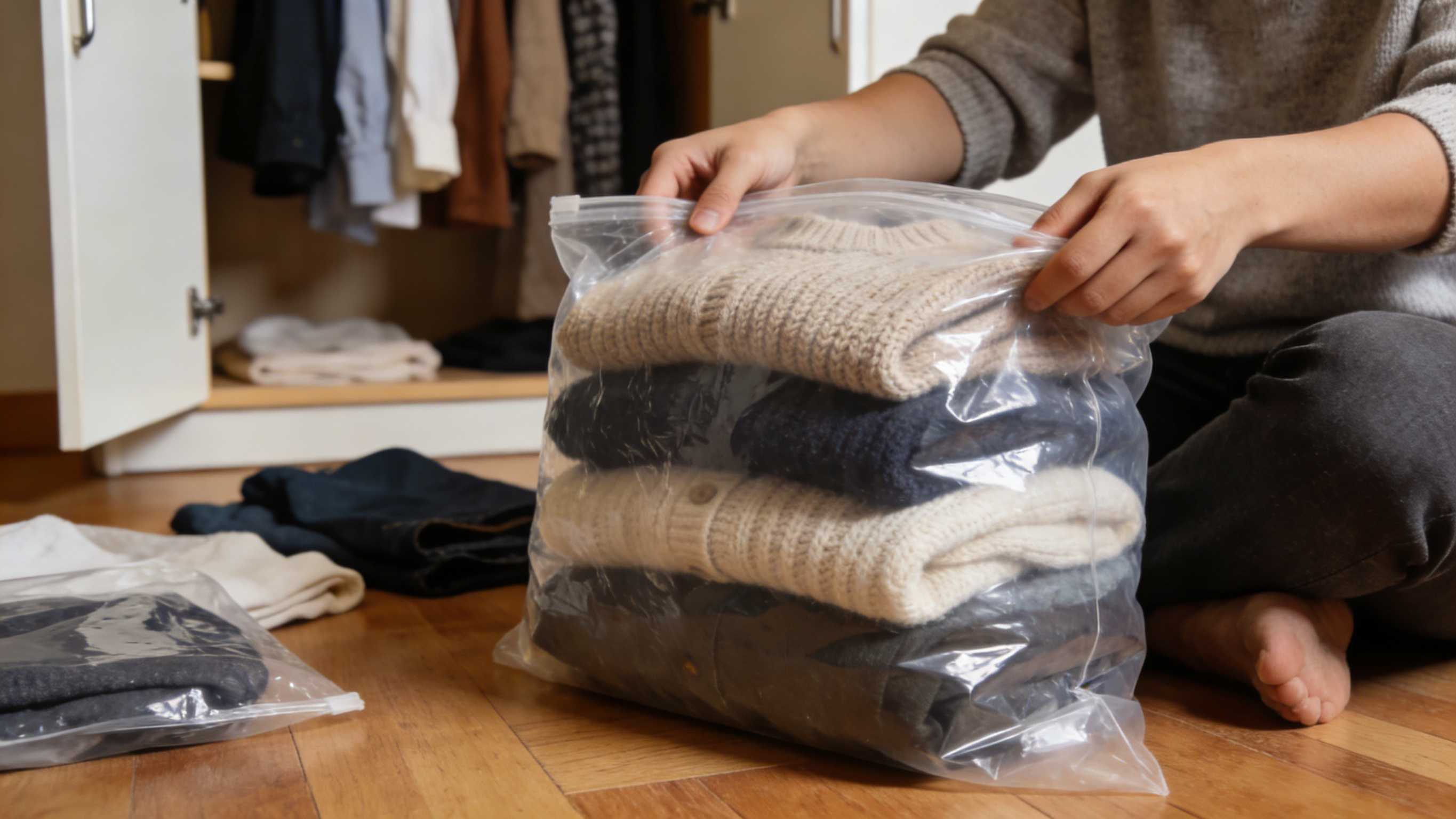
- Store off-season items properly (cleaned, in breathable bags).
- Seasonally, inspect for repairs, polish shoes, and refresh knits.
- 3. Build a Relationship with a Tailor: A good tailor is your capsule wardrobe's best friend. They can alter items for a perfect fit, repair tears, and update hemlines, making old clothes feel new again.
🔄 The Ongoing Journey: Refining Your Capsule
A capsule wardrobe is not a static project but a dynamic, evolving reflection of you. Every 3-6 months, do a mini-audit. Has your lifestyle changed? Has a color stopped bringing you joy? This process of mindful refinement ensures your wardrobe continues to serve you perfectly, eliminating the desire for mindless shopping. You move from being a passive consumer to the active curator and stylist of your own personal collection—a collection where every piece is chosen, loved, and worn.