In a world saturated with marketing and the constant allure of "new and improved," a growing number of people are pushing back with a powerful tool: the No-Buy List. This isn't about deprivation, but about intentionality. It’s a conscious, curated list of specific items you commit to not purchasing for a set period—be it a month, a year, or indefinitely. Moving beyond vague resolutions to "spend less," a No-Buy List targets the precise leaks in your budget and the clutter in your home, creating space for what truly adds value to your life. This article will guide you through building and maintaining your own effective No-Buy List.
📝 The Foundation: How to Build Your Effective No-Buy List
A successful No-Buy List is personal, specific, and rooted in self-awareness. A generic list will fail. The goal is to identify your unique spending triggers and problem categories.
Method 1: The Financial & Clutter Audit
Advantages: Data-driven and highly effective for identifying tangible problem areas. It creates a clear "why" based on evidence.
Disadvantages: Can be time-consuming and requires honesty. Might bring up feelings of guilt or frustration about past spending.
- Review Bank & Credit Card Statements: Scan the last 3-6 months. Look for recurring charges for items you barely use (subscriptions, memberships) and impulse purchases that brought fleeting joy.
- Conduct a Home Inventory: Open every cupboard, drawer, and closet. Note categories where you have excess.
- · How many unused skincare products are in the bathroom?
- · How many kitchen gadgets have never been used?
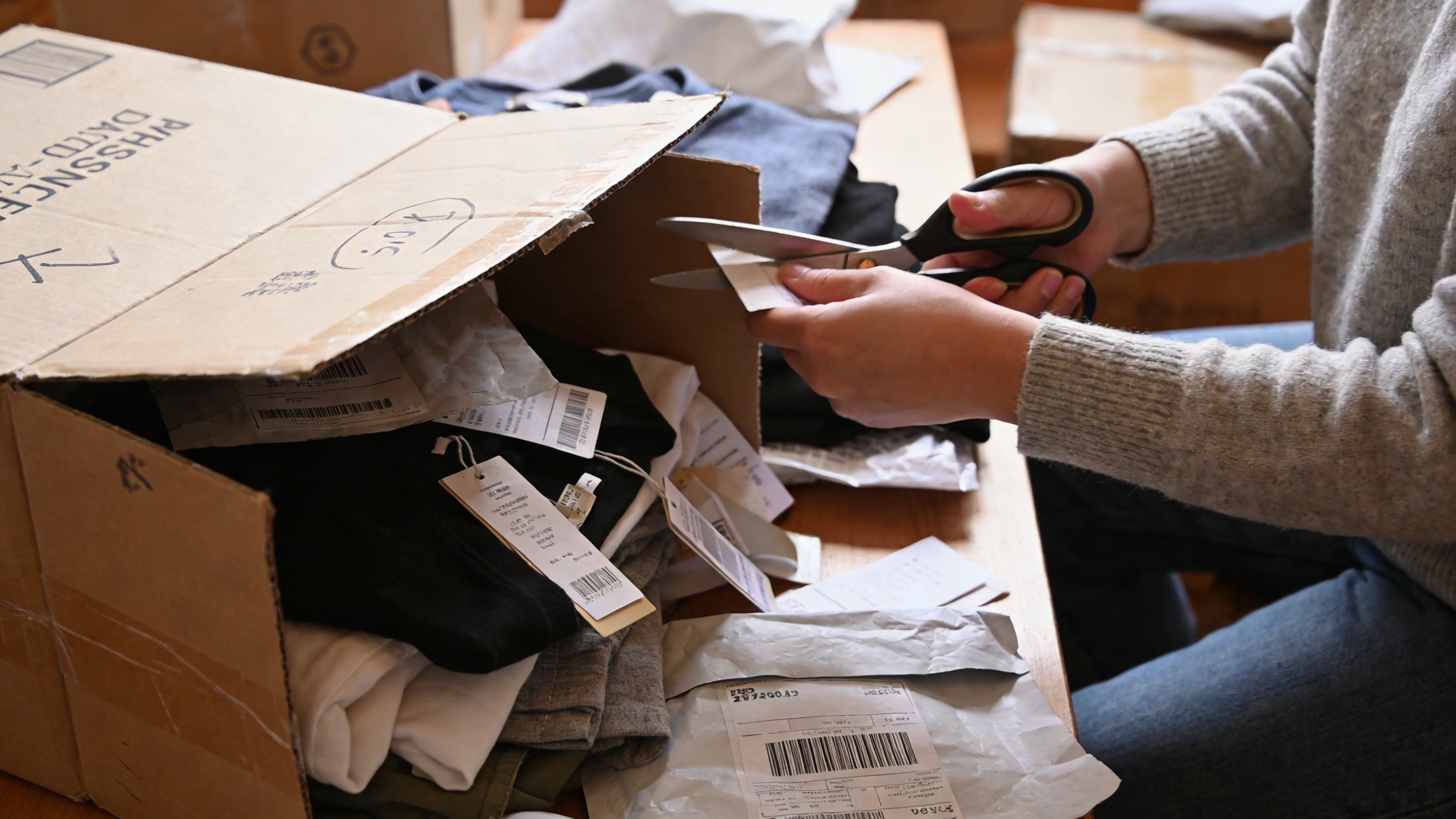
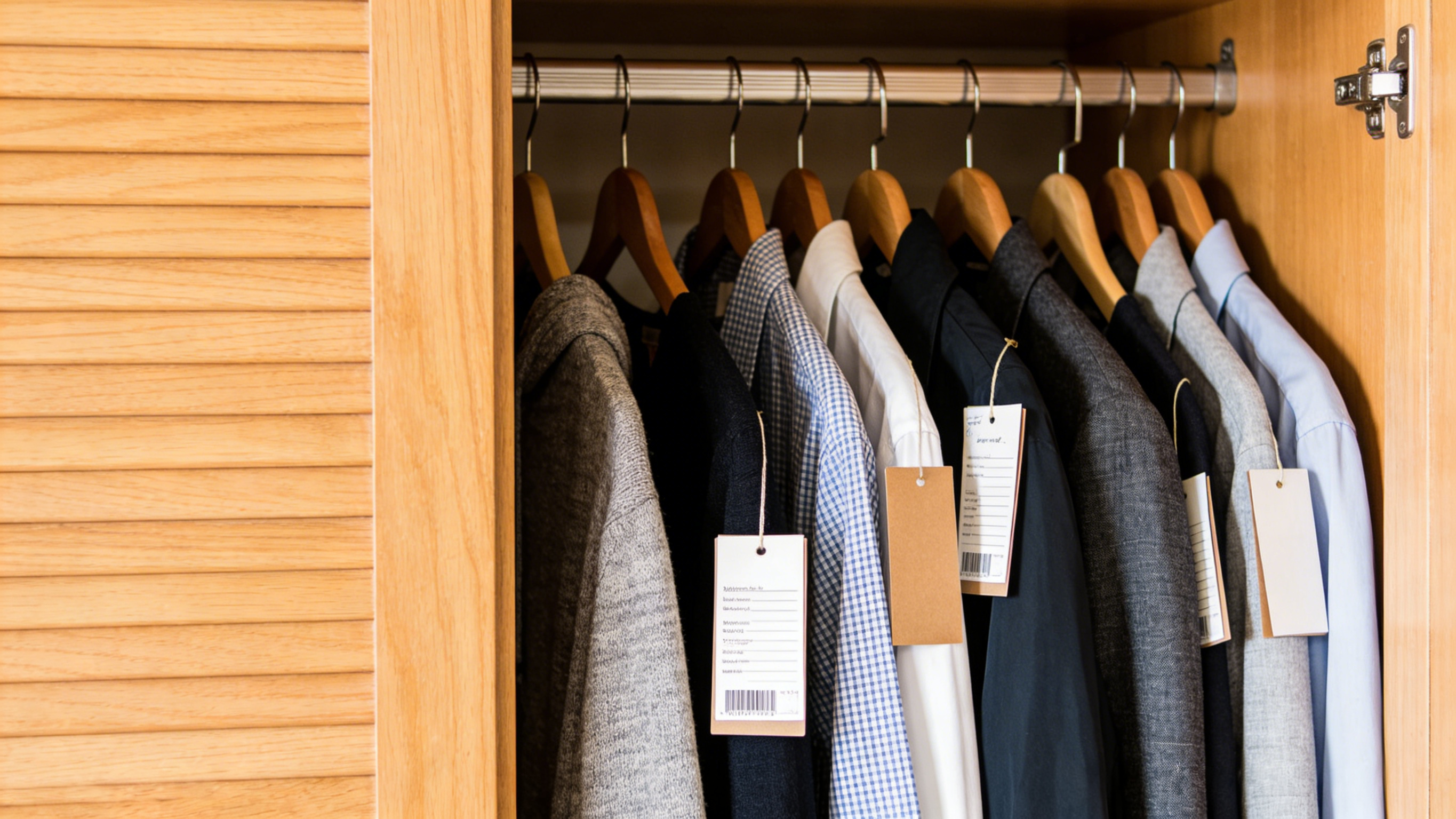
- · How many items in your closet still have tags on them?
- Categorize Your Findings: Group your problem purchases. Common categories include: Fast Fashion, Beauty Products, Home Decor, Tech Gadgets, Novelty Kitchen Items, and Convenience Snacks.
Method 2: The Emotional & Habitual Trigger Assessment
Advantages: Gets to the root cause of unconscious spending. Promotes long-term behavioral change.
Disadvantages: Requires deep introspection. Harder to quantify than a financial audit.
- Identify Your Shopping Triggers: What emotion typically precedes a "needless" purchase?
- · Stress or boredom (retail therapy).
- · Social media envy ("haul" culture, influencer recommendations).
- · Celebration or reward ("I deserve this").
- Track the Justification Narrative: Listen to your internal dialogue. What story do you tell yourself to justify the purchase? ("It's on sale!" "This will finally solve X problem!" "I might need it someday.")
- Link Trigger to Category: Connect the emotional trigger to a physical item category. If you shop online when bored, "fast fashion from Instagram ads" might go on your list.

🚫 Classic Candidates for Your No-Buy List
Based on common audits and cultural trends, here are specific items many people officially stop shopping for, along with the rationale.
🛍️ Fast Fashion & Trend-Centric Clothing
The "wear-it-once" mentality and constant trend cycles make this a prime category.
- What to List: Impulse buys from ultra-fast-fashion retailers, trendy pieces that won't last a season, duplicate items in similar colors/styles.
- The "Why": Environmental impact, ethical labor concerns, clutter, and the financial drain of constantly chasing micro-trends.
- Practical Alternative: Implement a "one-in, one-out" rule for your existing wardrobe. Focus on mending, altering, or styling existing clothes in new ways.
🧴 Beauty & Skincare Product Subscription Boxes
The beauty of customization becomes a curse of accumulation.
- What to List: All beauty/subscription boxes, trial-size sets where you only want one item, backup bottles of serums or moisturizers.
- The "Why": Leads to massive backlog of products, pressure to use them before they expire, and often includes items you'd never choose yourself.
- Practical Alternative: Use up what you have completely before researching a replacement. For subscriptions, cancel and allocate the monthly fee to a specific savings goal.
📱 The Latest Tech Gadgets & "Dumb" Home Devices
The upgrade cycle and novelty smart devices can be a significant budget drain.
- What to List: Yearly phone upgrades, single-purpose kitchen gadgets (e.g., avocado slicer, egg cooker), novelty smart home gadgets with limited utility.
- The "Why": Diminishing returns on yearly tech upgrades, counter and drawer clutter from uni-taskers, and the "set-up and forget" phenomenon with many smart devices.
- Practical Alternative: Wait for your current device to truly fail or become obsolete before replacing. For kitchen tools, assess if a knife, pot, or pan you already own can do the same job.

⚔️ Navigating Challenges & Sticking to Your List
Creating the list is the first step; adhering to it is the real challenge. Anticipate hurdles and have a plan.
Challenge 1: Social Pressure & FOMO (Fear of Missing Out)
Friends shopping, gift-giving holidays, and "limited edition" drops can test your resolve.
- Strategy: Have a Script.
- · For shopping invites: "I'm on a spending pause focusing on using what I have, but I'd love to join for a coffee/walk after!"
- · For gift guides: Suggest experiential gifts (concert tickets, class), consumables (nice coffee, wine), or contributions to a shared activity.
- Strategy: Unsubscribe & Unfollow. Mute brand social media accounts, unsubscribe from marketing emails, and avoid browsing online stores for entertainment.
Challenge 2: The "But It's On Sale!" Temptation
A sale can make an unnecessary item feel like a necessity and a smart financial move.
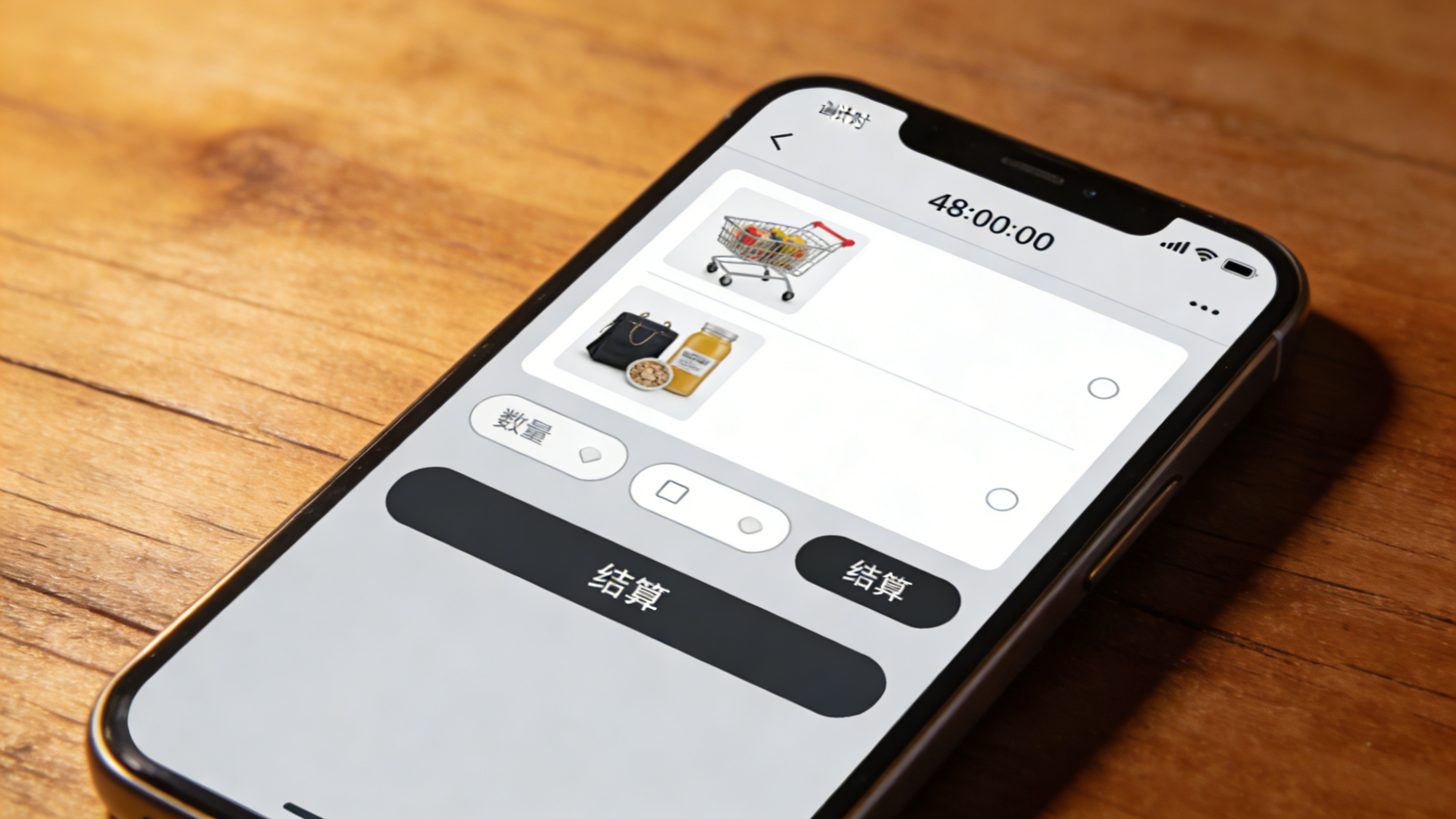
- Strategy: The 48-Hour Rule. Place the item in your cart or on a wishlist. Wait 48 hours. The urge to buy it will almost always dissipate, revealing it wasn't a true need.
- Strategy: Reframe the Math. Remind yourself: 100% off an item you never needed is a better deal than 50% off something you'll barely use. The money saved by not buying it is a 100% return.
Challenge 3: When a Genuine Need Arises
Your favorite shoes wear out, or your blender finally breaks. This isn't a failure of your list.
- Strategy: Define "Need" vs. "Want." A need is something required to fulfill a basic function or maintain safety. A want is an upgrade, a nicer version, or a replacement driven by desire rather than necessity.
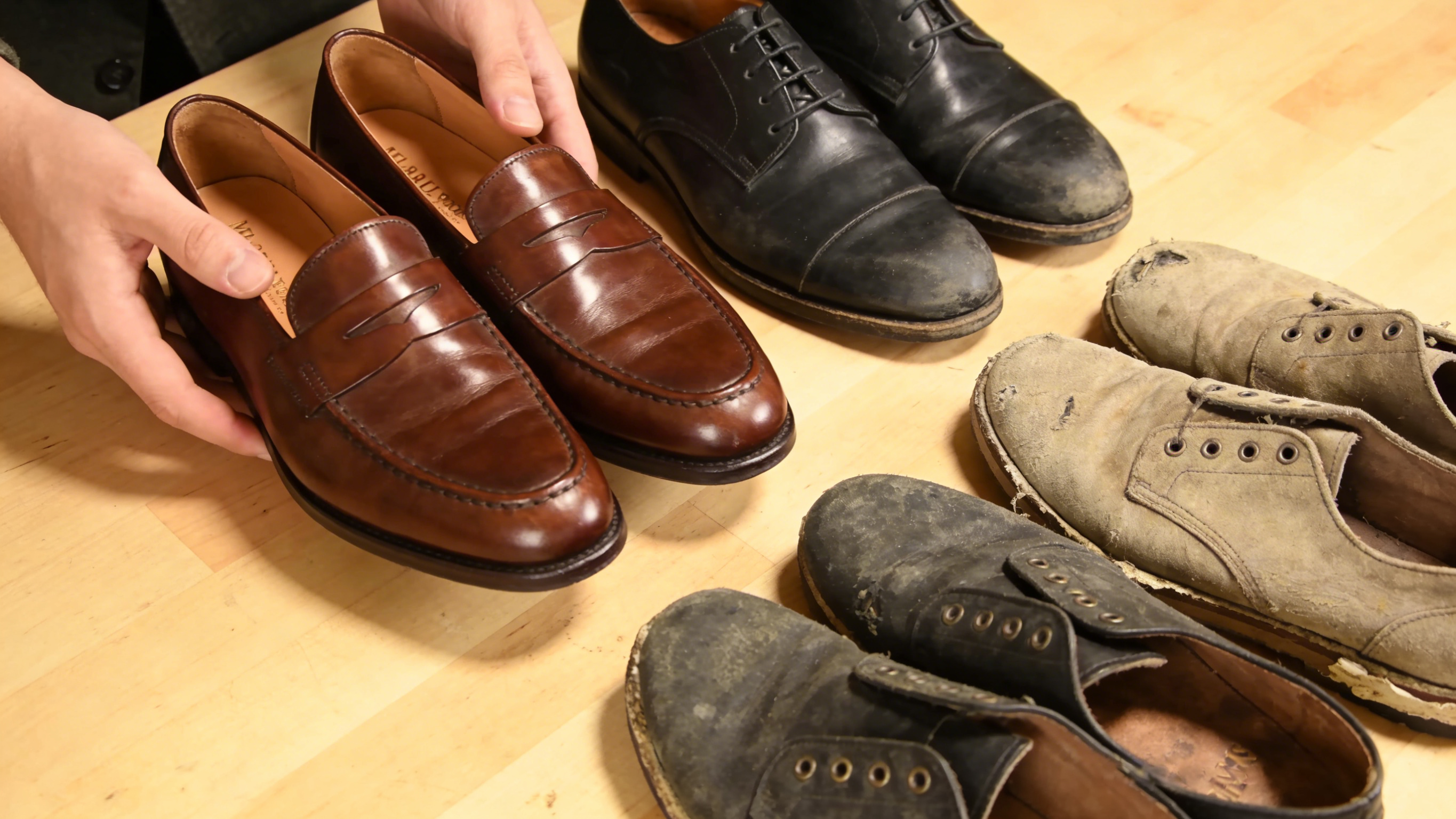
- Strategy: Research & Purchase Mindfully. When a true need arises, give yourself permission to buy. But do so intentionally: research for quality, buy secondhand if possible, and choose a versatile option you'll use for years.
🌈 The Rewards: Benefits Beyond Saving Money
The advantages of a well-executed No-Buy List extend far beyond a healthier bank account.
1. Mental Clarity & Reduced Decision Fatigue
Every potential purchase is a decision. By removing entire categories from your mental "options board," you preserve cognitive energy for more important choices.
2. A More Curated & Meaningful Possession Set
You begin to value and use what you already own. Your home becomes filled only with items that are useful or bring you joy, reducing visual and physical clutter.
3. A Shift in Identity & Values
You move from being a "consumer" to a "curator," "creator," or "experiencer." Your values shift from acquisition to appreciation, from having to doing.
4. Environmental & Ethical Impact
By refusing to participate in the cycle of overconsumption, you directly reduce waste, demand for resource extraction, and support for potentially exploitative manufacturing practices.

The Path to Intentional Living
Building and maintaining a No-Buy List is an act of self-definition. It’s a conscious statement about what you value—your time, your financial freedom, your mental space, and the planet—over the temporary thrill of a new possession. It won't be perfect; there will be moments of temptation. But by starting with specific, audited categories, preparing for challenges, and focusing on the profound benefits, you transform your relationship with "stuff." The ultimate goal isn't to never buy anything again, but to ensure that every future purchase is thoughtful, deliberate, and truly adds to the life you want to build, free from the clutter of unnecessary things.