Introduction 🐦
Bird ownership has evolved significantly from the traditional view of keeping birds in cages as mere decorations or simple pets. Today, responsible bird care emphasizes going "beyond the cage" to focus on enrichment and socialization—key elements that promote physical health, mental well-being, and emotional fulfillment for our feathered companions. This article delves into practical methods, benefits, and challenges of enrichment and socialization, drawing insights from avian experts and practices commonly seen on international bird care websites. By adopting these approaches, owners can ensure their birds lead happier, more engaged lives, fostering a deeper bond between human and bird.
Enrichment for Birds: Enhancing Their Environment 🎪
Enrichment refers to the process of providing stimulating environments and activities that cater to a bird's natural behaviors, such as foraging, climbing, and exploring. It moves beyond basic cage setup to create a dynamic living space that prevents boredom and stress. Below, we explore various types of enrichment, their advantages, and potential drawbacks, with detailed steps and examples.
Types of Enrichment 🧩
Enrichment can be categorized into several types, each targeting different aspects of a bird's life. Implementing a mix ensures holistic well-being.
- Environmental Enrichment: This involves modifying the cage and surrounding area to mimic natural habitats.
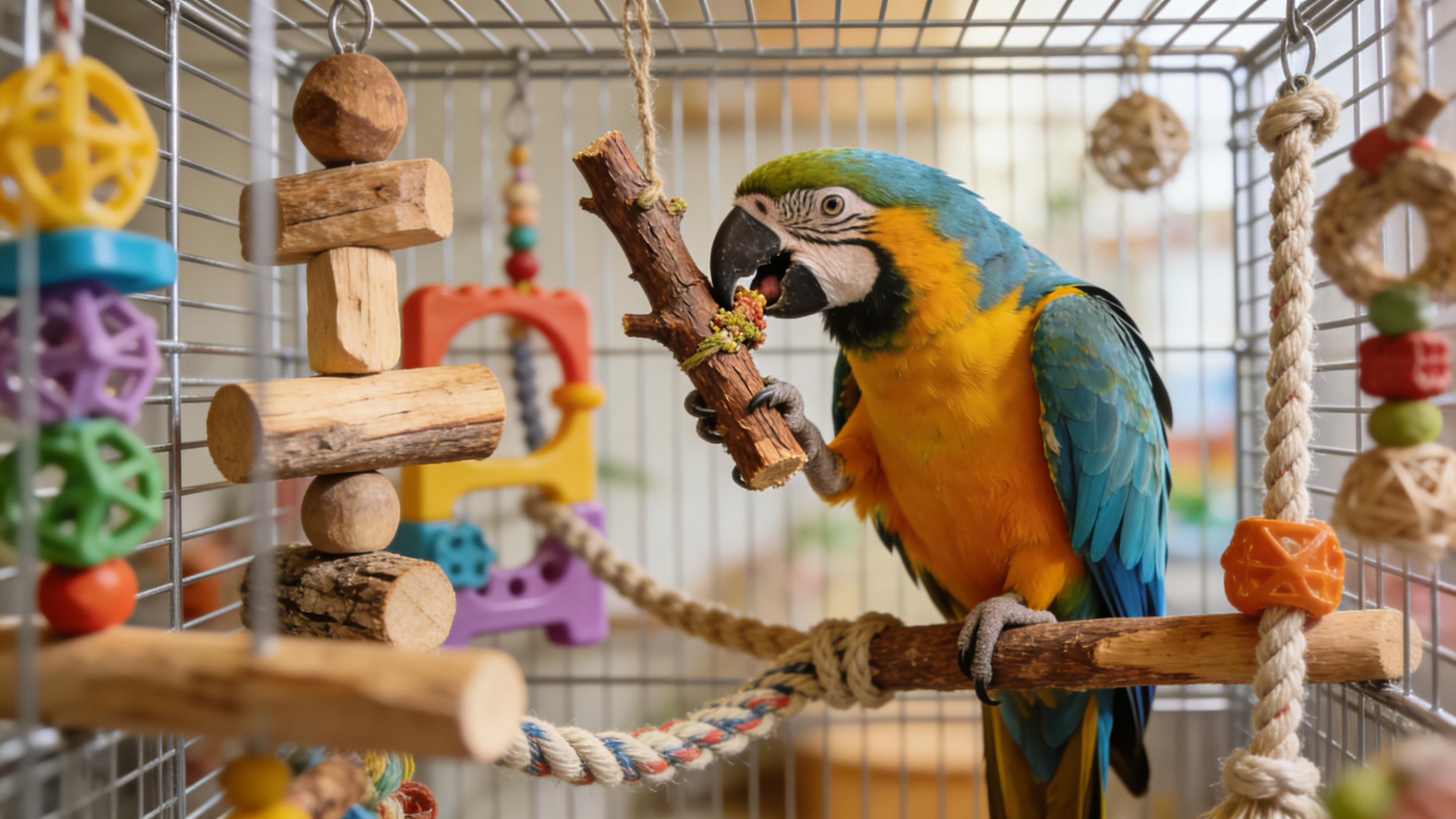
- Provide perches of varying diameters and materials (e.g., wood, rope) to encourage foot health and exercise.
- Include safe plants or branches for chewing and hiding, ensuring they are non-toxic and clean.
- Rotate toys and accessories weekly to maintain novelty and prevent habituation.
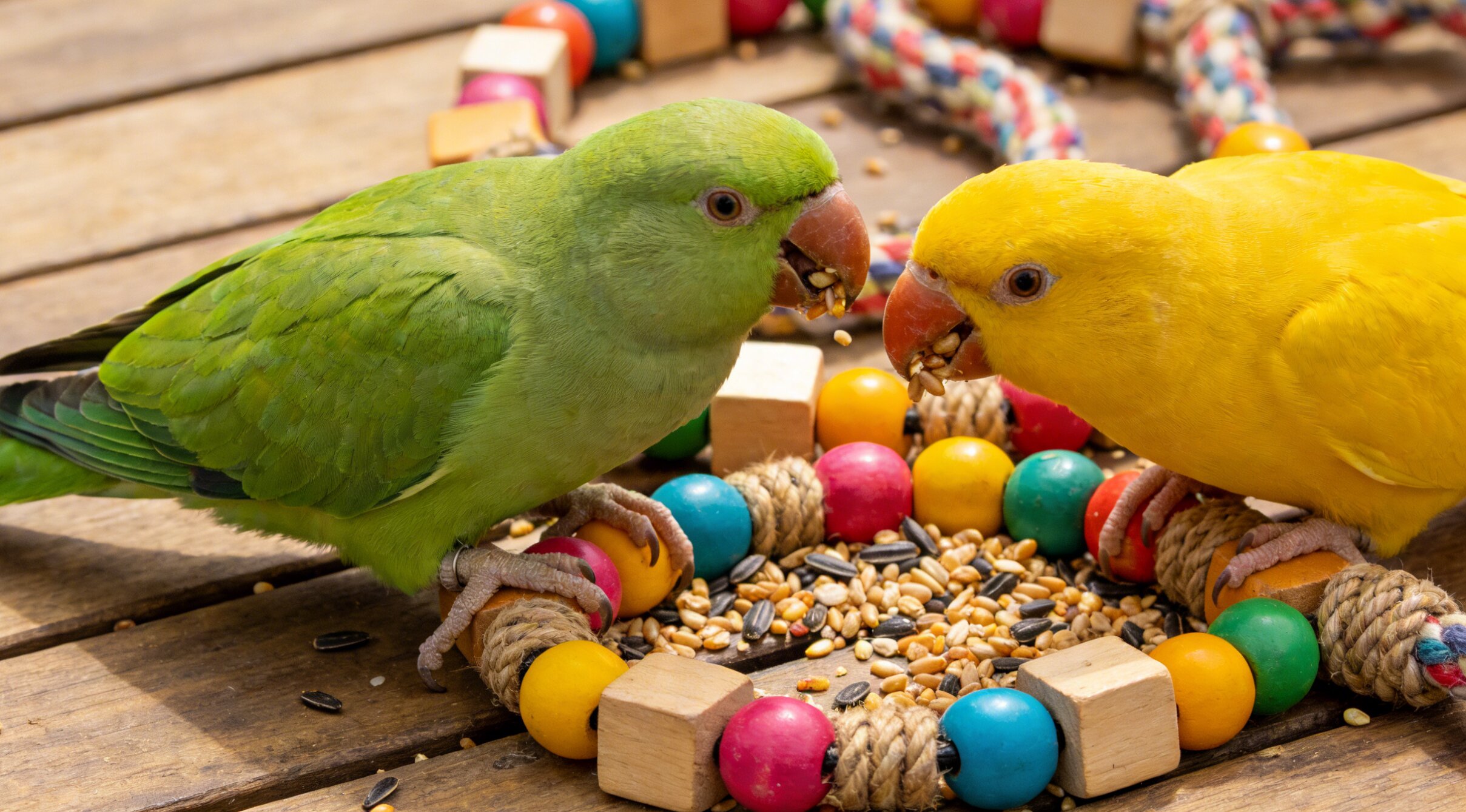
- Food-Based Enrichment: This stimulates natural foraging behaviors, making mealtime engaging.
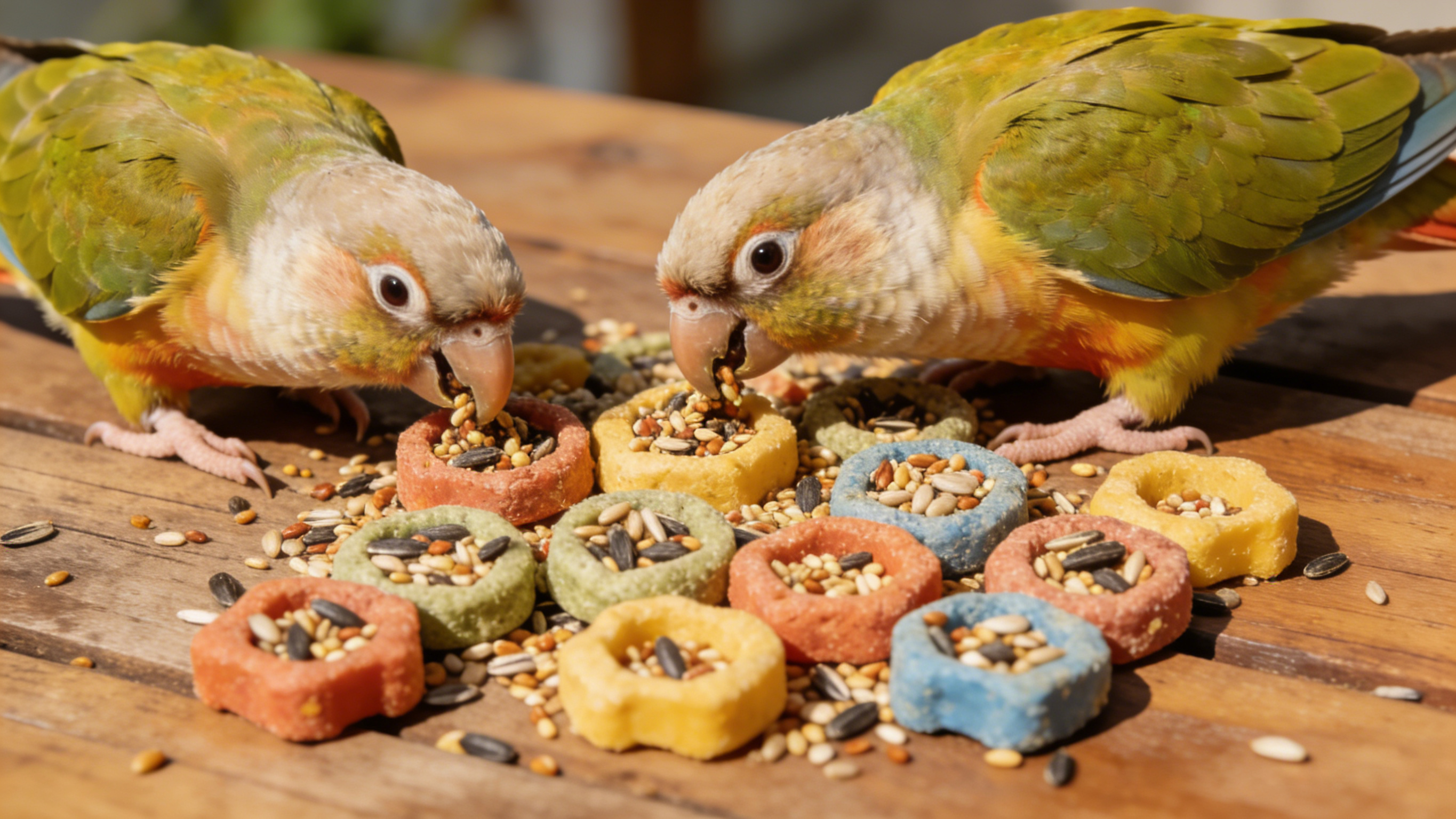
- Use puzzle feeders or foraging toys that require birds to work for treats, such as hiding seeds in cardboard rolls.
- Offer a diverse diet with fresh fruits, vegetables, and occasional nuts, presented in creative ways (e.g., skewered on a kabob).
- Introduce new foods gradually to encourage exploration and prevent picky eating.
- Cognitive Enrichment: This challenges a bird's mind through training and problem-solving.
- Teach simple tricks using positive reinforcement, like target training or retrieving objects.
- Provide interactive toys that require manipulation, such as locks or buttons that release rewards.
- Engage in regular training sessions, keeping them short (5-10 minutes) to maintain interest.
- Sensory Enrichment: This appeals to a bird's senses of sight, sound, and touch.
- Play calming music or natural sounds (e.g., rainforest audio) to reduce stress, but avoid loud noises.
- Offer different textures in toys, like leather, wood, or bells, for tactile exploration.
- Ensure exposure to natural light or full-spectrum lighting to support circadian rhythms and vitamin D synthesis.
Benefits of Enrichment ✅
Enrichment offers numerous advantages that contribute to a bird's overall quality of life, as highlighted by avian behavior studies and international bird care resources.
- Improved Mental Health: Reduces risks of boredom-related issues like feather plucking or screaming.
- Stimulates natural instincts, leading to increased contentment and reduced anxiety.
- Prevents cognitive decline, especially in older birds, by keeping their minds active.
- Enhanced Physical Health: Promotes exercise and proper nutrition.
- Encourages movement through climbing and foraging, preventing obesity and muscle atrophy.
- Supports beak and nail health via chewing and manipulation of toys.
- Stronger Human-Bird Bonds: Fosters trust and interaction.
- Shared activities, like training, build mutual understanding and communication.
- Reduces fear responses, making handling and vet visits easier.
Challenges and Solutions of Enrichment ⚠️
While enrichment is beneficial, it can pose challenges for owners. Addressing these ensures sustainable implementation.
- Time and Effort: Creating and maintaining enrichment requires dedication.
- Challenge: Busy schedules may limit daily interaction. Solution: Set a routine, such as 15-minute morning sessions, and use automated toys for unsupervised play.
- Challenge: Designing varied activities can be overwhelming. Solution: Start with simple DIY projects, like paper shredding toys, and gradually expand based on bird's response.
- Cost Considerations: Commercial enrichment items can be expensive.
- Challenge: High-quality toys or feeders may strain budgets. Solution: Opt for budget-friendly options, such as homemade toys from safe household items (e.g., untreated wood, paper cups).
- Challenge: Frequent replacement due to wear and tear. Solution: Rotate toys to extend lifespan and invest in durable, chew-resistant materials.
- Safety Risks: Improper enrichment can harm birds.
- Challenge: Toys with small parts may cause choking or ingestion. Solution: Regularly inspect toys for damage and choose size-appropriate items based on bird species.
- Challenge: Toxic materials in DIY projects. Solution: Research bird-safe materials (e.g., avoid lead, zinc, or treated woods) and consult avian veterinarians for recommendations.
Socialization of Birds: Building Connections 👥
Socialization involves teaching birds to interact positively with humans, other birds, and their environment. It goes beyond taming to foster confidence and reduce fear, which is crucial for species that are naturally flock-oriented. This section outlines methods, benefits, and potential issues, with step-by-step guidance inspired by international avian socialization practices.
Methods for Socialization 🤝
Effective socialization requires patience and consistency. Here are key approaches, broken down into actionable steps.
- Human Interaction Techniques: Building trust with owners is foundational.
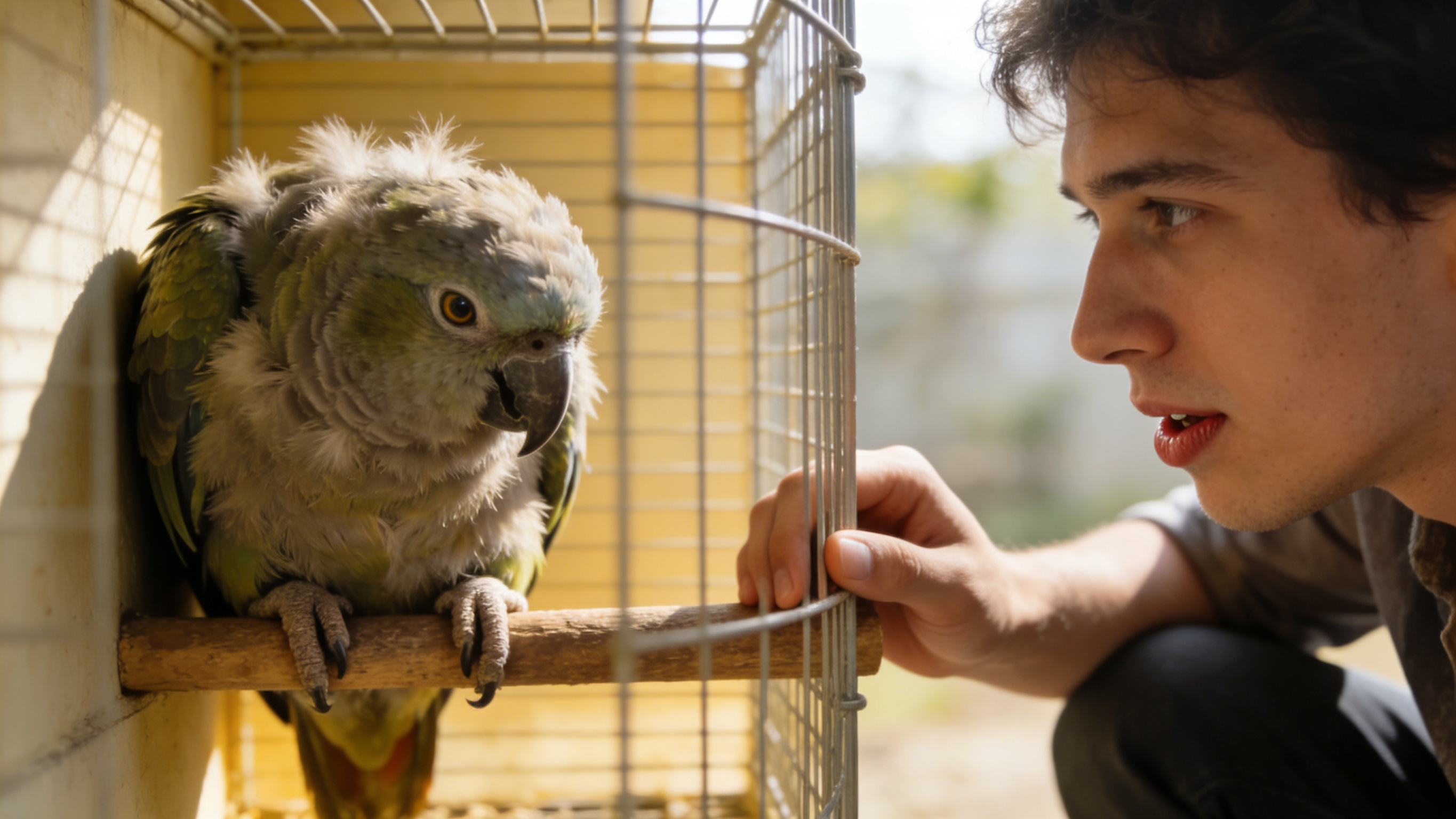
- Start with quiet, calm presence near the cage, allowing the bird to observe without pressure, for 10-15 minutes daily.
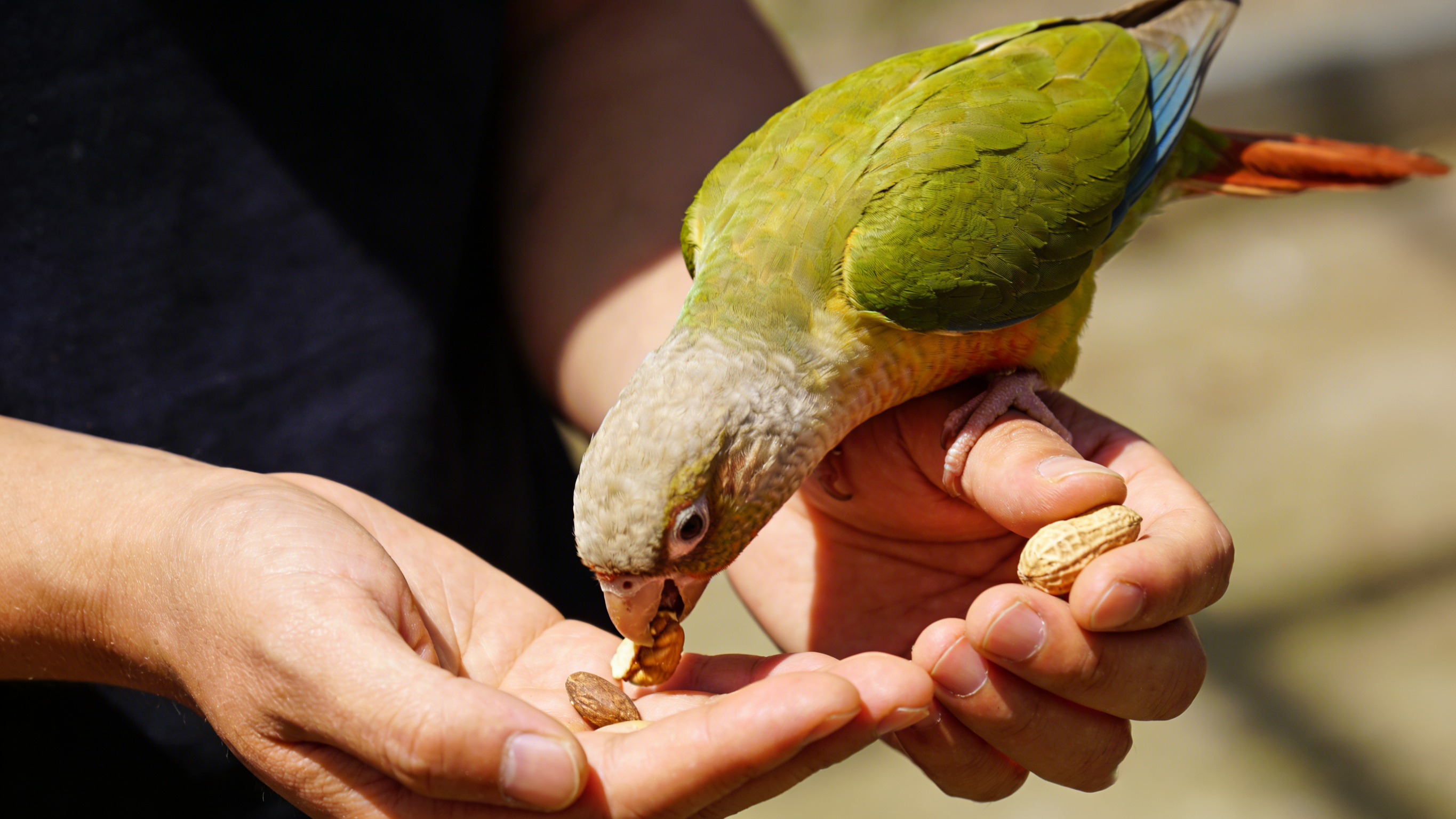
- Progress to hand-feeding treats through cage bars, using positive reinforcement to associate hands with rewards.
- Gradually introduce step-up training, where the bird steps onto a perch or hand, using a command like "up" and rewarding with praise or food.
- Exposure to New Experiences: Acclimating birds to varied stimuli prevents fear.
- Introduce household sounds (e.g., vacuum cleaners, TV) at low volumes, increasing intensity over weeks to desensitize.
- Allow supervised out-of-cage time in bird-safe rooms, ensuring windows are closed and hazards are removed, starting with short sessions.
- Invite trusted friends or family to interact gently, teaching the bird that strangers are not threats, but always monitor for stress signs.
- Interaction with Other Birds: For owners with multiple birds, socialization can include flock dynamics.
- Introduce new birds slowly, using separate cages initially to allow visual contact without aggression, over a period of weeks.
- Supervised playdates in neutral areas can encourage bonding, but watch for territorial behavior and separate if needed.
- Provide shared enrichment activities, like communal foraging trays, to promote cooperative behavior.
- Training for Social Skills: Structured training enhances communication.
- Use target training to teach birds to follow a stick, which can be applied to guide them during socialization scenarios.
- Practice recall training in safe, enclosed spaces, rewarding the bird for coming when called, which builds responsiveness.
- Engage in mimicry or vocalization sessions, encouraging birds to imitate sounds or words, strengthening social bonds through interaction.
Advantages of Socialization ✅
Socialization yields significant benefits for both birds and owners, as supported by avian behavior research from global sources.
- Reduced Behavioral Problems: Minimizes issues like aggression or excessive vocalization.
- Builds confidence, making birds less likely to bite or flee from normal household activities.
- Decreases separation anxiety by fostering independence through positive experiences.
- Enhanced Quality of Life: Promotes mental and emotional well-being.
- Allows birds to enjoy out-of-cage time safely, expanding their environment and reducing cage-bound stress.
- Strengthens flock dynamics in multi-bird households, leading to harmonious cohabitation.
- Improved Owner Satisfaction: Deepens the human-bird relationship.
- Facilitates easier grooming and veterinary care, as socialized birds are more cooperative.
- Enables participation in activities like bird-friendly outings or training classes, enriching both lives.
Potential Issues and Solutions in Socialization ⚠️
Socialization can encounter hurdles, but with careful planning, these can be mitigated.
- Fear and Stress Responses: Birds may initially resist socialization.
- Issue: Hiding, screaming, or biting when approached. Solution: Slow down the process, using gradual desensitization and ensuring the bird has retreat spaces in the cage.
- Issue: Regression after progress. Solution: Maintain consistency, avoid forcing interactions, and consult an avian behaviorist if needed.
- Time Commitment: Socialization requires ongoing effort.
- Issue: Inconsistent routines leading to setbacks. Solution: Schedule daily sessions, even if brief, and use reminders or apps to track progress.
- Issue: Balancing multiple birds' needs. Solution: Prioritize individual attention for each bird and use group activities to save time while promoting social skills.
- Health and Safety Concerns: Improper socialization can risk injury.
- Issue: Exposure to drafts or toxins during out-of-cage time. Solution: Bird-proof areas by removing plants, chemicals, and ensuring temperature control.
- Issue: Spread of diseases in multi-bird settings. Solution: Quarantine new birds for at least 30 days and maintain clean environments with regular vet check-ups.
- Species-Specific Challenges: Different birds have unique socialization needs.
- Issue: Parrots may be more vocal and demanding than finches. Solution: Research species-specific traits; for example, use quieter approaches for timid birds like cockatiels.
- Issue: Older birds with past trauma may resist socialization. Solution: Patience is key; use gentle, non-threatening methods and consider professional guidance for rehabilitation.
Conclusion: Integrating Enrichment and Socialization for Holistic Care 🌟
Bird ownership truly goes "beyond the cage" when enrichment and socialization are prioritized. By providing stimulating environments and fostering positive interactions, owners can ensure their birds thrive physically, mentally, and socially. Drawing from international best practices, this article has outlined practical methods, benefits, and solutions to challenges, emphasizing a balanced approach. Remember, every bird is unique—tailor strategies to individual needs and personalities. Ultimately, investing in enrichment and socialization not only enhances bird welfare but also enriches the human experience, creating a fulfilling partnership built on trust and joy. Start small, stay consistent, and watch your feathered friend flourish in a world of exploration and connection.