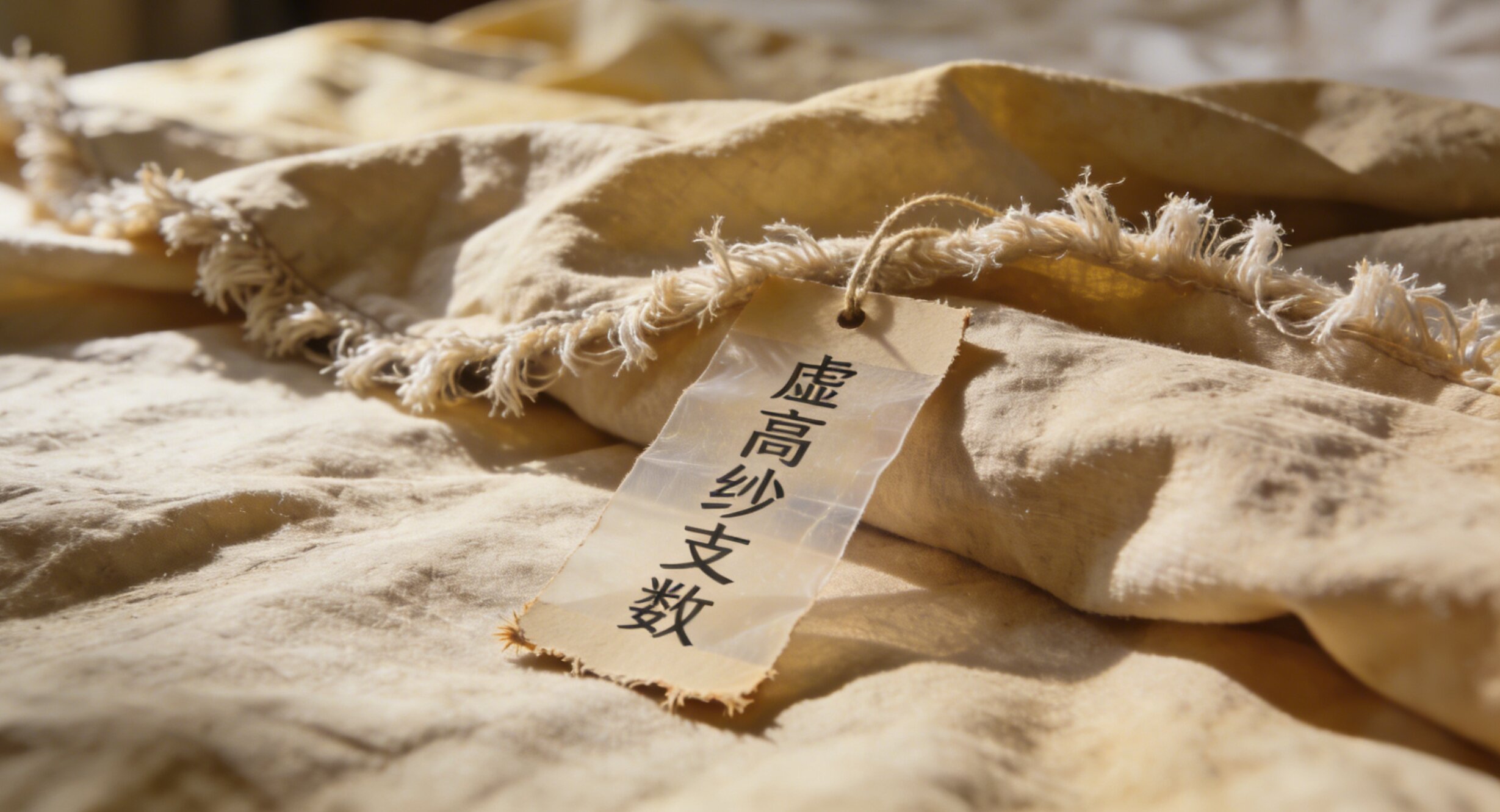
For years, thread count has been the gold standard, the go-to number shoppers use to judge the quality and luxury of bed sheets. Walking into a store or browsing online, you're often bombarded with labels boasting "1000 Thread Count!" or "Ultra-Luxe 1500 TC!". It creates the impression that higher is unequivocally better. However, in the world of fine linens, this single metric is often a misleading marketing myth. True quality is a symphony of factors working together. This guide cuts through the noise, moving beyond the thread count hype to provide you with the practical knowledge needed to invest in bed linens that offer genuine comfort, durability, and value.
🧵 The Thread Count Myth: Why This Number Isn't King
Thread count (TC) refers to the number of horizontal (weft) and vertical (warp) threads woven into one square inch of fabric. While a foundational concept, its importance has been vastly overrated and manipulated.
How Thread Count is Inflated:
Manufacturers have found ways to artificially inflate thread counts, creating a higher number that doesn't translate to better quality.
- Multi-ply Threads: Instead of using fine, single strands (singles), manufacturers twist two or three thinner threads together (plied), then weave them. They count each ply in the final number. So, a sheet made with 250 two-ply threads can be labeled as "500 thread count," even though the weave is no denser than a true 250-thread-count sheet made with singles.
- Low-Quality Fiber: High, inflated thread counts often use short-staple or inferior cotton. To make these weaker fibers viable, they must be heavily twisted and plied. The result is a dense, often stiff fabric that lacks breathability and softness.
The Practical Range for Quality:
For most natural fibers like cotton, linen, or Tencel™, the sweet spot for an excellent balance of softness, strength, and breathability is between 200 and 400 true thread count.
- 200-300 TC: Often found in crisp percale weaves. Light, breathable, and durable. Improves with every wash.
- 300-400 TC: Common for silky sateen weaves. Offers a smoother, more lustrous feel with good body.
- 500+ TC (True Count): Possible with extra-long-staple cottons, but can feel heavier and less breathable. Often a sign of marketing over matter.
🔬 The Real Markers of Quality: What to Look For Instead
Forget the big number on the tag. Focus on these three pillars that truly determine how your sheets will feel, perform, and last.
1. Fiber & Material: The Foundation of Feel
The raw material is the most critical factor. It dictates breathability, moisture-wicking, texture, and temperature regulation.
- Long-Staple and Extra-Long-Staple Cotton (e.g., Egyptian, Pima, Supima®):
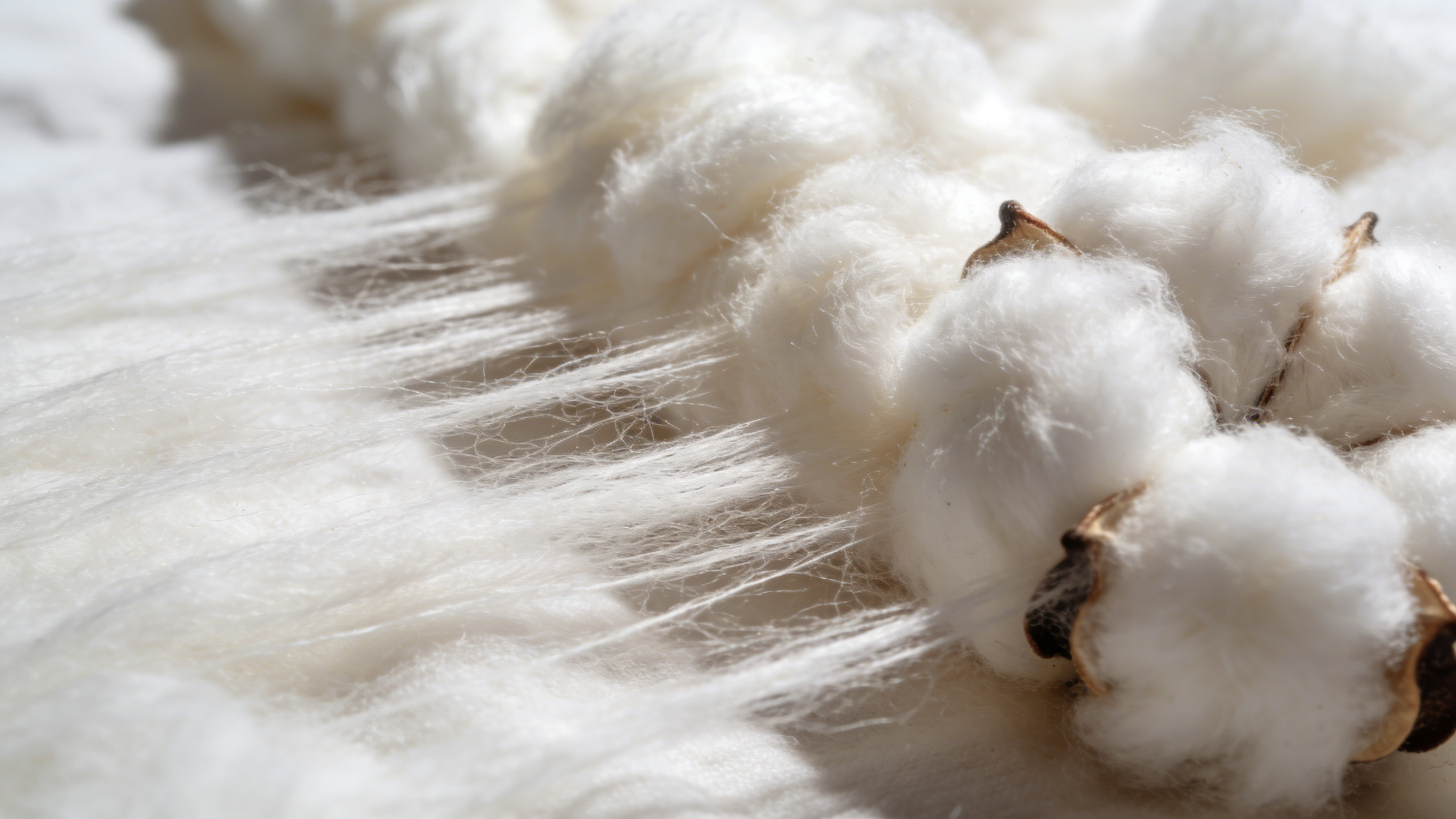
- Why it's superior: The "staple" is the length of the individual cotton fiber. Longer fibers can be spun into finer, stronger, and smoother yarns with fewer ends poking out. This results in a fabric that is incredibly soft, highly durable, resistant to pilling, and develops a beautiful patina over time.
- Key Labels: Look for specific, verifiable names like Egyptian Cotton (from the Nile River Valley), Supima® (American-grown Pima, a trademarked standard), or Giza 45/87 (the pinnacle of Egyptian cotton).
- Linen (Flax):
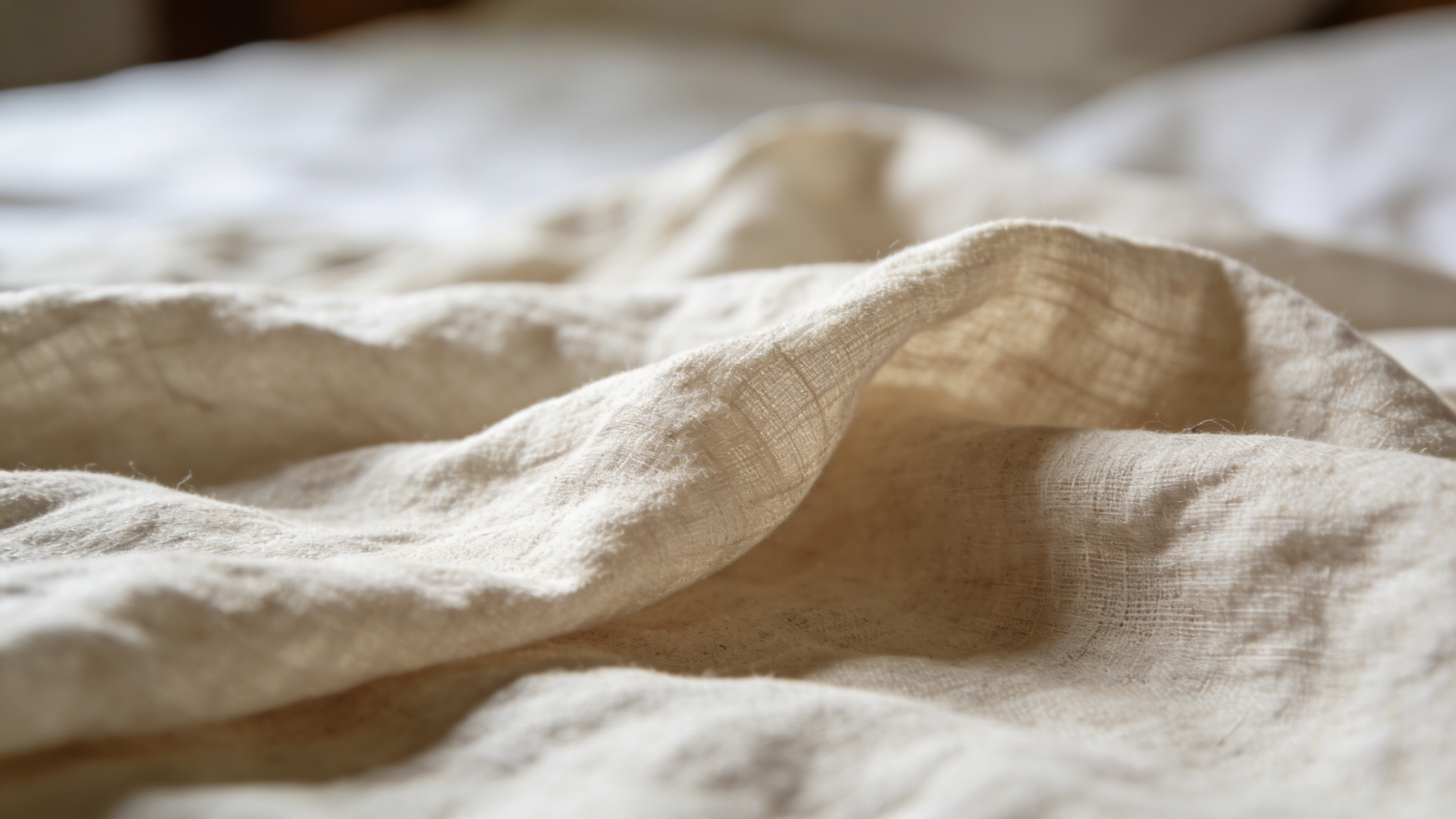
- Characteristics: Made from the flax plant. It is highly breathable, moisture-wicking, and gets softer with each wash. It has a distinctive, relaxed texture (slubby feel) and a cool, crisp hand. Ideal for hot sleepers.
- Durability: Linen fibers are among the strongest natural fibers, making linen sheets exceptionally long-lasting.
- Tencel™ Lyocell (from Eucalyptus):
- Characteristics: A sustainably produced regenerated cellulose fiber. It is exceptionally smooth, silky, and has excellent moisture-wicking and temperature-regulating properties. It is also resistant to bacteria.
- Feel: Often feels like a cross between high-end cotton and silk—cool, drapey, and luxuriously soft.
- Silk (Mulberry):
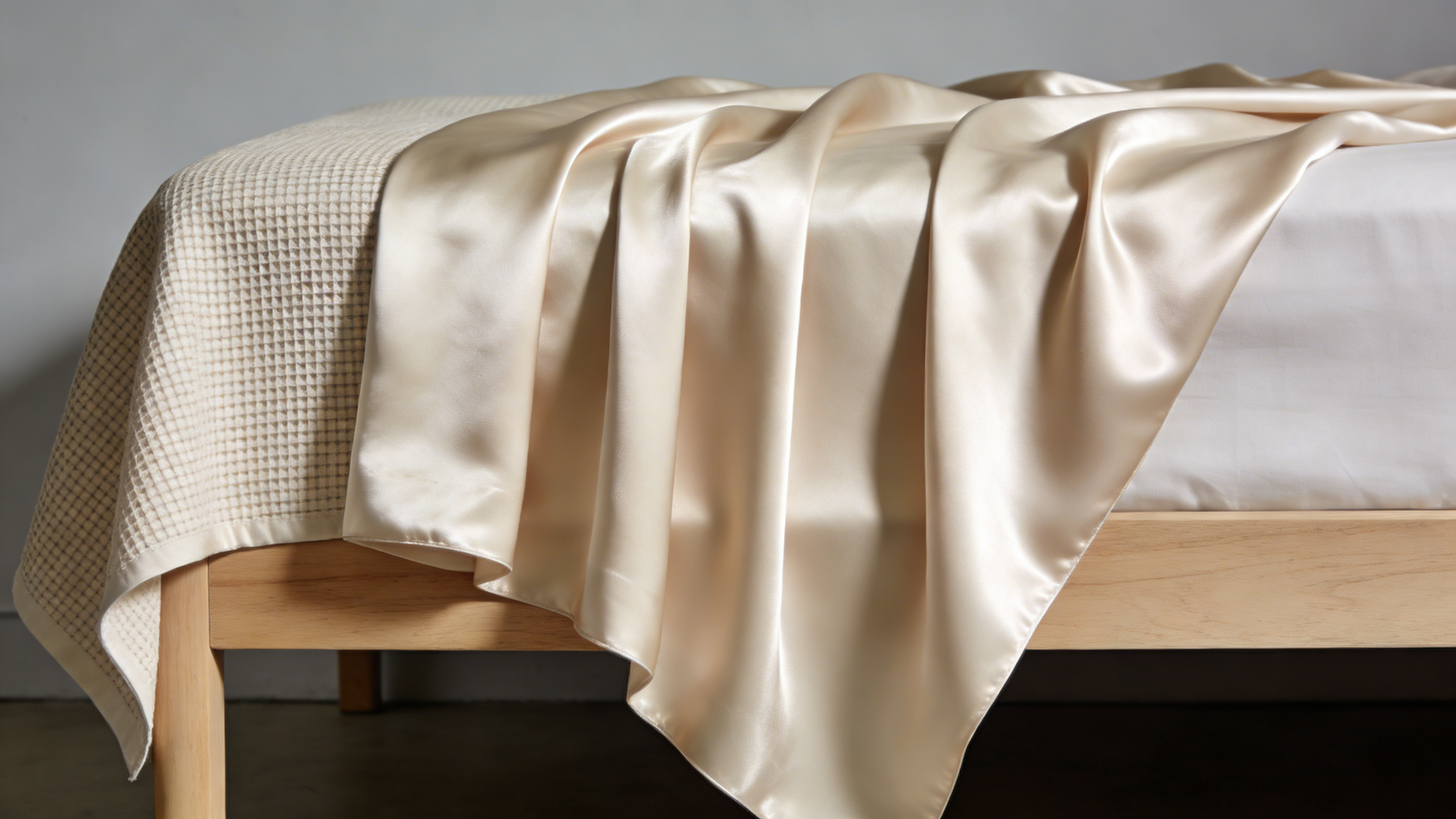
- Characteristics: The ultimate in temperature regulation (cool in summer, warm in winter), hypoallergenic, and gentle on skin and hair. It has a unique, luminous sheen.
- Considerations: Requires delicate care. Look for a high "momme" weight (19-22+ for sheets) for durability.
- Bamboo Viscose/Rayon:
- Note of Caution: Often marketed as eco-friendly, but the processing to turn bamboo pulp into soft fiber involves harsh chemicals. The end product is a viscose rayon, which can be very soft and cooling but is often less durable than cotton or linen and may pill more easily.
2. Weave: The Structure of Sensation
The way the threads are interlaced determines the fabric's hand feel, appearance, and performance.
- Percale:
- Pattern: A simple, one-over-one-under plain weave.
- Feel & Vibe: Crisp, cool, matte finish, and breathable. Like a classic button-down shirt. It has a light, airy feel and becomes softer with washing.
- Best for: Hot sleepers, those who prefer a "fresh" feel, and summer months.
- Sateen:
- Pattern: A weave where multiple warp threads (often three or four) "float" over a single weft thread. This exposes more of the warp threads on the surface.
- Feel & Vibe: Smooth, silky, lustrous surface with a heavier drape and slight warmth. It has a subtle sheen and a luxuriously soft hand right out of the package.
- Note: The float yarns can be more prone to snagging. Sateen may be treated with chemical finishes to enhance sheen and wrinkle resistance.
- Best for: Cooler sleepers, those who love a silky feel, and winter months.
- Linen Weave:
- Typically a loose plain or basket weave that highlights the natural, textured slubs of the flax fiber. Inherently breathable and relaxed.
- Jersey (Knit):
- Feel & Vibe: Made from a single continuous yarn looped together, like a cotton T-shirt. Stretchy, soft, casual, and wrinkle-resistant.
- Considerations: Can curl at the edges and may be less durable than woven sheets. Not as formal in appearance.
3. Finishing: The Final Touch
How the fabric is treated after weaving impacts its feel and maintenance.
- Singeing: Passing fabric over a flame to burn off loose fibers for a smoother surface.
- Mercerization: A chemical treatment (usually for cotton) that increases strength, luster, and dye affinity. Makes fabric more resistant to mildew and shrinkage.
- Brushing/Sanding: A mechanical process that raises the fibers for a fuzzy, flannel-like feel. Common for "brushed cotton" or "flannel" sheets.
- Chemical Finishes:
- Wrinkle-Resistant/No-Iron: Often uses formaldehyde-based resins. Can affect breathability and cause skin irritation for some.
- Permanent Press: Similar to wrinkle-resistant.
- For a "Cleaner" Feel: Seek out brands that use mechanical finishing processes (like stone washing) or eco-certified chemistries (like OEKO-TEX® Standard 100) if you are sensitive to chemicals.
📝 Your Practical Shopping Checklist
Armed with this knowledge, here’s how to approach your next purchase.
1. Read the Label Critically
- Ignore the Dominant TC Number: Don't let it be your primary filter.
- Find the Fiber Content: Look for specifics: "100% Extra-Long-Staple Egyptian Cotton," "100% Belgian Linen," "100% Tencel™ Lyocell." Blends are not inherently bad but understand what you're getting.
- Look for Certifications: Supima® (for Pima cotton), OEKO-TEX® Standard 100 (verifies fabrics are free from harmful levels of chemicals), GOTS (Global Organic Textile Standard) (for organic fibers).
2. Assess by Hand (If In-Store)
- Feel the Weight and Drape: Hold a corner. Does it feel substantial but not leaden? Does it drape gracefully?
- Check the Texture: Rub the fabric between your fingers. Is it smooth? Crisp? Does it feel strong or flimsy?
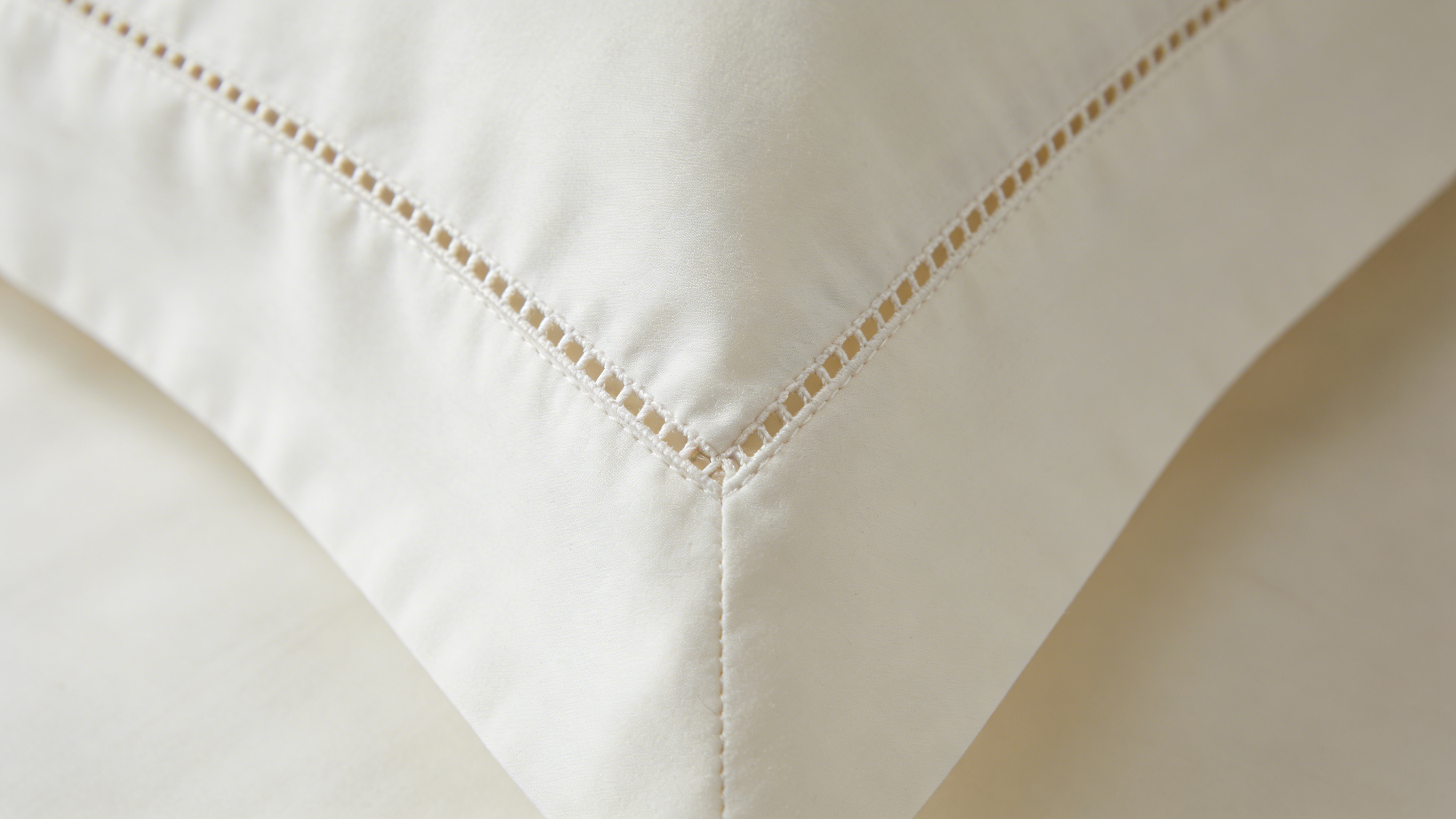
- Examine the Hem & Stitching: Quality sheets have deep, mitred corners (where the fabric is folded neatly at a 45-degree angle) and reinforced stitching (at least 12-15 stitches per inch). French seams (where raw edges are enclosed) are a sign of high craftsmanship.
3. Research the Brand's Reputation
- Investigate their transparency about sourcing, manufacturing, and finishing processes. Read reviews focusing on longevity and feel after multiple washes.
4. Understand Care Requirements
- High-quality natural fibers often benefit from gentle care. Check if they require cold wash, line dry, or low-tumble dry. Be prepared to care for your investment properly.
🛌 A Quick Guide by Sleeper Type
- The Hot Sleeper: Prioritize breathability. Choose Percale weave cotton, Linen, or Tencel™.
- The Cold Sleeper: Prioritize warmth and drape. Choose Sateen weave cotton, Flannel, or higher momme Silk.
- The Sensitive Skin Sleeper: Prioritize natural, chemical-free fibers. Choose GOTS-certified organic cotton, OEKO-TEX® certified linen, or Silk. Avoid chemical wrinkle-resistant finishes.
- The Low-Maintenance Sleeper: Prioritize wrinkle resistance and easy care. Choose good quality Jersey knit, Linen (it's meant to look rumpled), or fabrics labeled as easy-care (but research the finish used).

✨ Conclusion: Investing in Rest, Not Just a Number
Buying quality bed linens is an investment in your comfort and well-being. By shifting your focus from the marketing gimmick of thread count to the substantive factors of fiber origin, weave structure, and finishing quality, you empower yourself to make a wise choice. Remember, the best sheets for you are the ones that align with your personal comfort needs, climate, and values. They are the ones that feel wonderful to slip into at night, stand up to years of laundering, and transform your bed into a true sanctuary. Look beyond the label's biggest number, and you'll find a world of texture, performance, and lasting luxury.